REVIEW · KATHMANDU
Kathmandu: Wood Carving Workshop with Local Artisan (Thamel)
Book on GetYourGuide →Operated by Relax Getaways Pvt. Ltd · Bookable on GetYourGuide
Wood carving has a way of slowing you down. In Kathmandu, you get hands-on time with local craft and a real piece to take home.
Two things I really like: you practice real techniques (not just watching), and the small group format keeps the instruction personal. One thing to consider: it’s a workshop, not a museum visit, so if you want lots of formal lecturing, you might wish for more time on background.
You’ll start in a calm workshop setting and work through outlining, chiseling, and detailing on a wooden block. I also like that the session connects what you’re doing to what the craft means in Nepal, from motifs to the communities that preserved the skill.
A possible drawback: you’ll need comfortable clothes for a seated, hands-on class, and you’ll be carving with tools, so expect concentration and a little mess.
If you’re curious about Nepali symbolism and you want a souvenir with your own fingerprints on it, this is a solid choice. And if you can handle 3 hours of focused making, the outcome is usually worth it.
In This Review
- Key Highlights You’ll Care About
- Where This Wood Carving Class Fits in Your Kathmandu Day (Thamel)
- Meeting the Artisan and Getting Set Up in the Workshop
- Tools, Wood Types, and Patterns You’ll Actually Use
- The Real Work: Outlining, Chiseling, and Detailing
- Cultural Context: Why Nepali Wood Carving Looks Like It Does
- What You Take Home (And Why It’s a Better Souvenir)
- Price and Value: Is $42 Worth 3 Hours of Carving Time?
- Who This Class Is Best For (And Who Might Skip It)
- Tips to Get the Most Out of Your 3 Hours
- Should You Book This Wood Carving Workshop in Kathmandu?
- FAQ
- How long is the wood carving class?
- Where does the class take place?
- What does it cost?
- Is it a small group?
- What language is the instruction in?
- Are tools and materials included?
- Can I take my work home?
- What should I bring?
- Is smoking allowed during the workshop?
- Can I cancel and get a full refund?
Key Highlights You’ll Care About
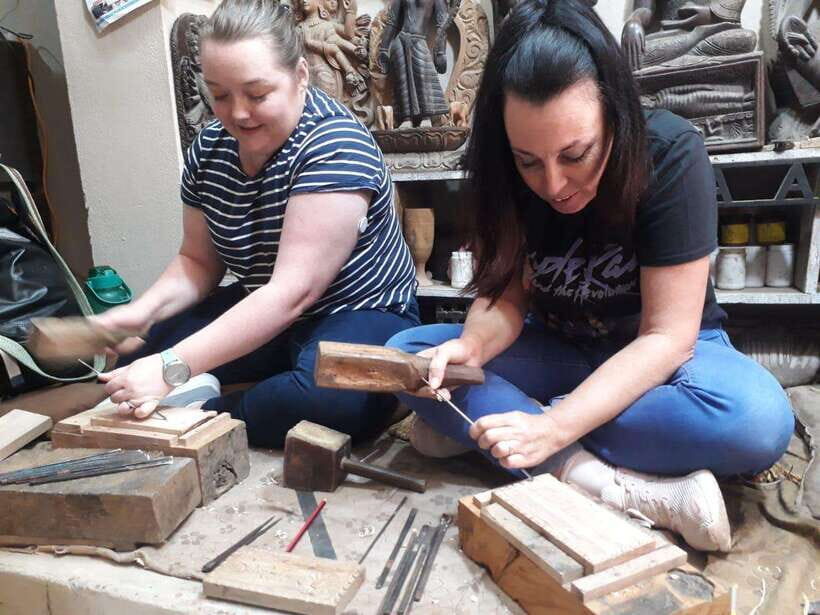
- Small group (up to 4 people) means you’re not lost in the shuffle
- Chiseling and detailing practice on a wooden block, step by step
- Tools and materials included, so you can show up and start
- Nepali motifs and meaning tied to temple and architecture traditions
- English instruction with hands-on coaching and corrections
- A take-home carved piece that feels personal, not generic
Where This Wood Carving Class Fits in Your Kathmandu Day (Thamel)
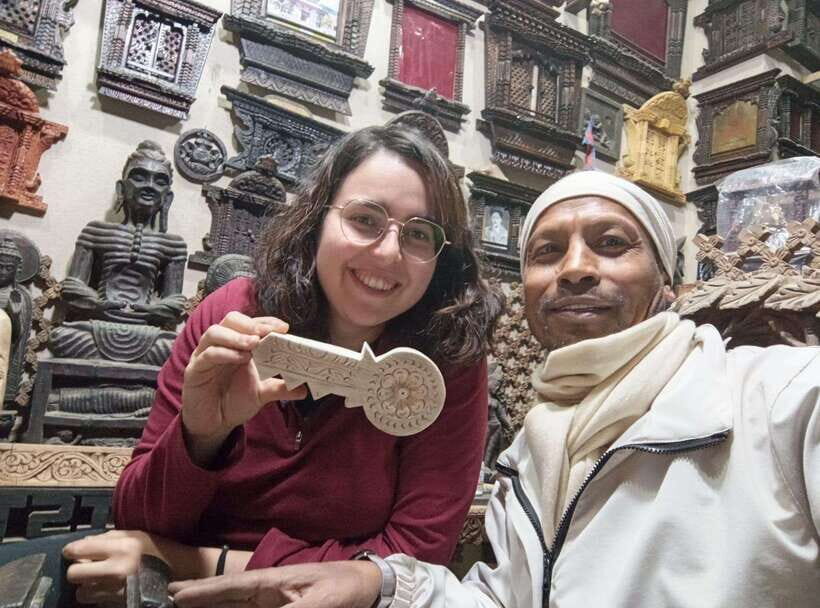
Thamel is where most visitors land their feet first in Kathmandu, and this workshop is in that orbit. The timing is simple: you’re booked for about 3 hours, which fits nicely between sightseeing blocks or after a morning of exploring markets and temples.
This kind of experience works best when you treat it like a real activity, not a quick add-on. You’re learning a physical skill, so arrive ready to focus. If you plan your day with a buffer, you’ll enjoy it more because Kathmandu can run warm, busy, and a little unpredictable on the street.
Also, since this is a small class, you’ll likely meet the group at the provided meeting point and then head to the workshop space together. There’s no sense showing up early and wandering too far unless you’re already familiar with Thamel’s maze.
You can also read our reviews of more tours and experiences in Kathmandu



Meeting the Artisan and Getting Set Up in the Workshop
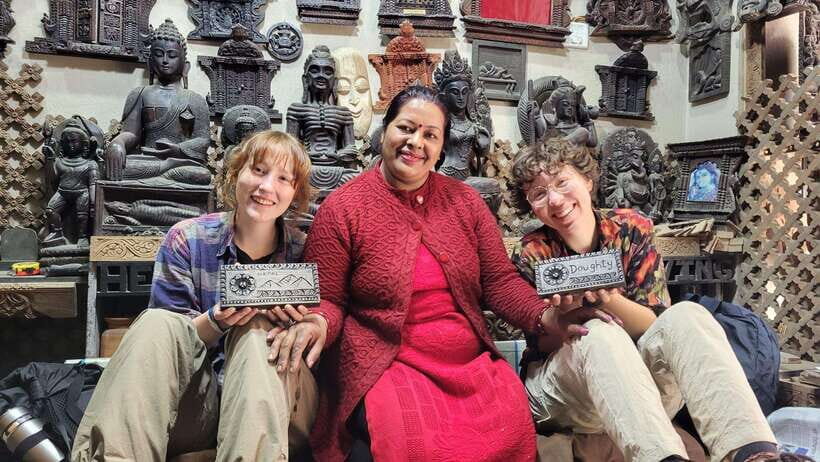
The workshop setting is part of the appeal. Instead of standing in front of a screen, you work at a bench with real carving tools. The class is guided by a local artisan, and the instruction is in English.
What you can expect at the start is a quick orientation: tools, materials, and the basic approach. You’ll learn what the tools do and how to hold and use them safely and effectively. That matters because a wood carving session goes from fun to frustrating fast if you don’t get the hand position right.
One extra detail worth noting from the way people describe these sessions: instructors often bring a friendly, encouraging vibe. Some classes are led by a teacher named Hera, and you might also meet his wife as part of the supportive environment. People describe this as warm, patient, and good for beginners.
Tools, Wood Types, and Patterns You’ll Actually Use
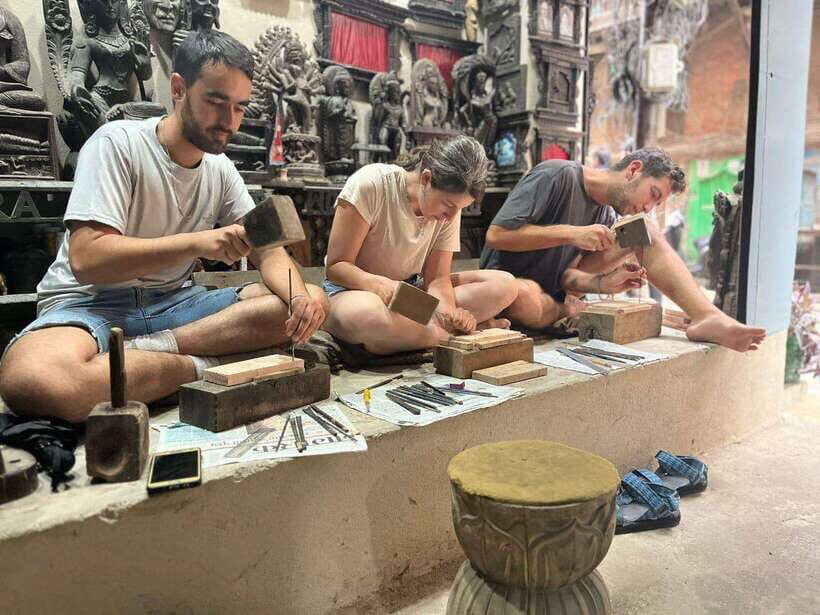
A big part of value here is that you don’t just get a craft demo. You learn the building blocks that make carving work in the real world: tools, patterns, and the logic of how to remove wood without ruining your design.
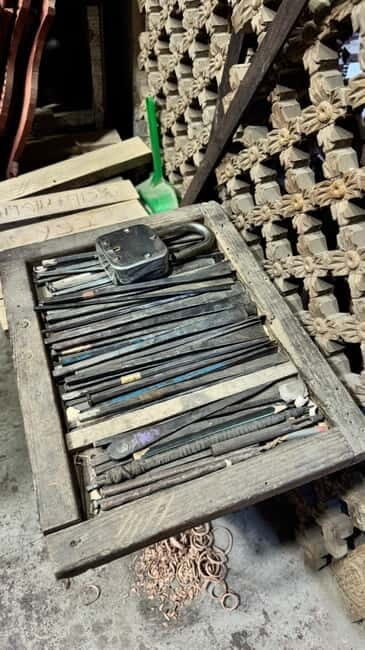
The class introduces traditional carving tools, including chisels and hammers, plus other instruments used for shaping and finishing. You’ll also be shown the kinds of wood used in Nepal for carving. The most common types mentioned for carving include sal and teak.
Why this matters for you: different woods behave differently. Softer wood can forgive beginners more, while harder wood demands more control. Even if you can’t test the hardness yourself, learning what woods are used helps you understand why certain carving styles look the way they do.
You’ll also be introduced to motifs and common patterns inspired by Nepalese iconography. That often includes symbolic designs drawn from Hindu and Buddhist traditions, such as:
- Lotus flowers
- Mandalas
- Mythical creatures
These aren’t just pretty shapes. In carved architecture, motifs can carry spiritual meaning and visual storytelling, especially when you see them repeated across temples and traditional buildings.
The Real Work: Outlining, Chiseling, and Detailing
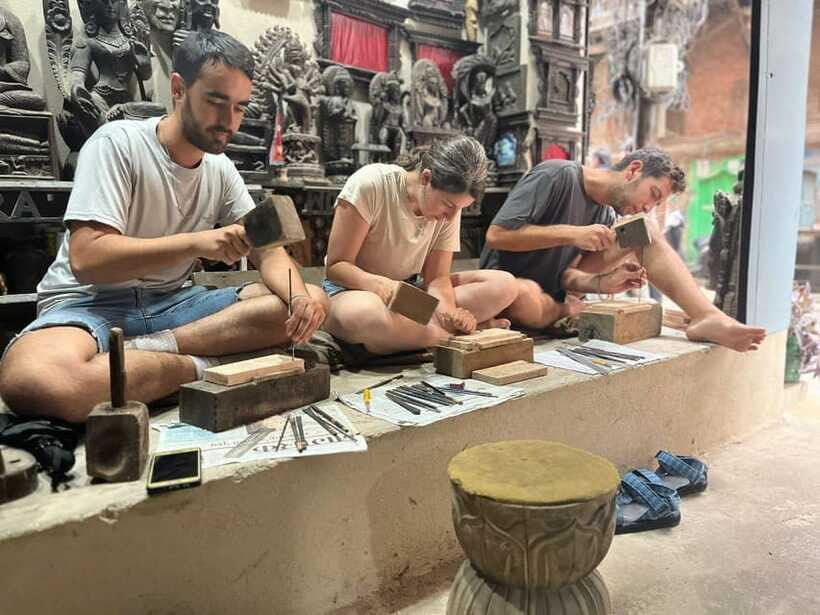
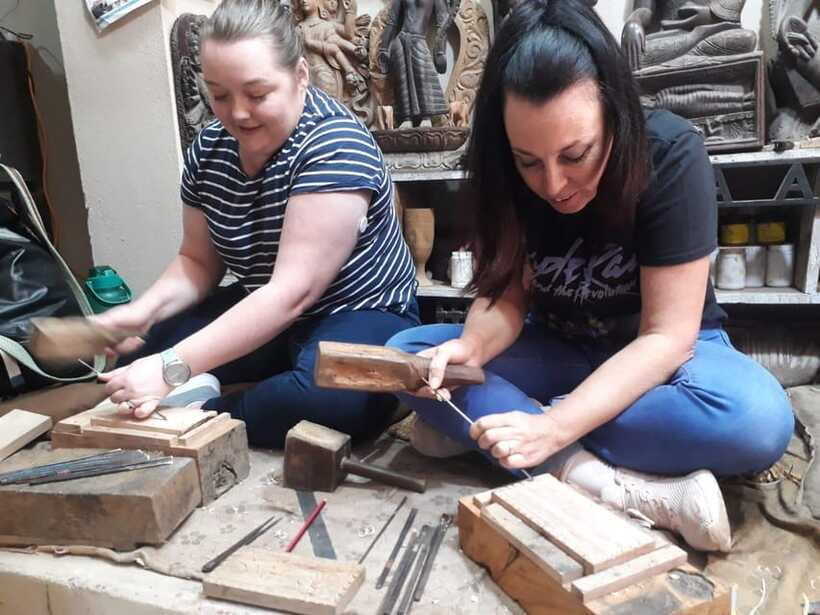
This is the heart of the class: you carve your design from a pre-cut wooden block. Your instructor guides you through the steps in a way that’s meant for beginners as well as people with a bit of patience for learning a new craft.
The workflow typically goes like this:
- Outlining: placing your design lines so you know what to remove
- Chiseling: shaping the main forms, clearing larger sections
- Detailing: refining edges, adding texture, and finishing touches
You’ll spend time practicing each part rather than rushing straight into the fun bits. And because the group is limited to up to 4 participants, you should get corrections and tip-level adjustments when something needs tweaking.
That one-on-one attention becomes even more valuable if you’re nervous at the start. In some schedules, the class can run as a one-on-one session when there aren’t many people booked. If you’re traveling off season, you may get that same benefit, which makes learning faster and less intimidating.
One practical upside: by the end, you have an object you can hold, photograph, and carry home. That’s a different feeling than a lot of workshops where you leave with only photos.
Cultural Context: Why Nepali Wood Carving Looks Like It Does
Yes, the workshop is hands-on. But it also helps you understand why people in Kathmandu still care about this craft.
Wood carving in Nepal is described as having deep roots going back to the Licchavi period (4th–9th century), when artisans began adorning temples and palaces with intricate wooden designs. Later, the craft flourished during the Malla dynasty (12th–18th century). If you’ve visited carved facades and ornate window frames, this is the long historical thread behind those visual details.
Another key link is the Newar community, native to the Kathmandu Valley. They’re credited with preserving and mastering much of this carving tradition. When you understand that, seeing places like the Kasthamandap (House of Wood), the 55-Window Palace in Bhaktapur, and the Peacock Window makes more sense. It’s not random decoration. It’s a continuing craft culture expressed in wood.
You’ll also hear how carvings often portray deities, mythical creatures, and symbolic patterns. That helps your workshop project feel connected instead of isolated. Even if your final piece is small, it’s part of a bigger visual language.
If you’re the type who wants story time and cultural context, you might notice a tradeoff: some classes focus more on making and less on long background lectures. One person said they would have liked more history/context. That’s a fair consideration, especially if you’re expecting a cultural lecture format.






What You Take Home (And Why It’s a Better Souvenir)
The class includes your handcrafted piece to take home. That sounds basic, but it’s exactly where the value sits.
A take-home souvenir is only meaningful if it feels personal. With a wood carving workshop, you build the object piece by piece: outlines, cleared wood, shaped forms, and the final finishing. Even if your design is simple, it becomes yours through the process.
This matters when you compare it to the usual Kathmandu souvenir run. Many items are made for tourists and look impressive but don’t have a connection to the time you spent in the city. Here, you end up with something you learned to shape and finish with your own hands.
One more practical angle: because the piece is carved from wood, plan your transport. It’s a souvenir, so treat it like one: secure it, keep it protected, and don’t toss it into a bag with heavy items.
Price and Value: Is $42 Worth 3 Hours of Carving Time?
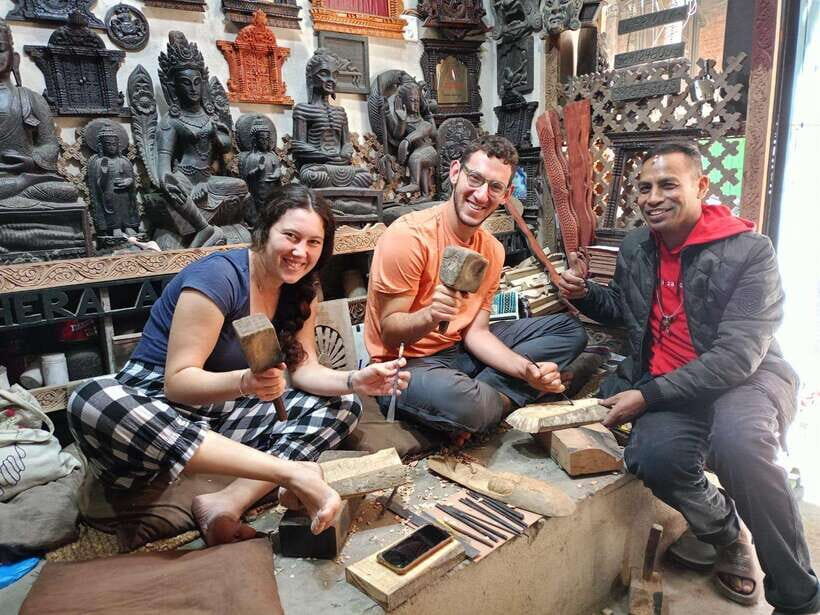
At $42 per person for about 3 hours, this sits in the “pay for a skill” category, not the “pay for a photo” category. And the inclusions help justify that number:
- Guided by skilled local artisans
- All necessary tools and materials provided
- You take home your own carved piece
- All government taxes and VAT included
When you break down what’s included, you’re paying mostly for the instruction, the workspace, and the fact that the materials and tools are handled for you. If you were to do this independently, you’d need to source equipment, safe workspace, and guided feedback. Most people don’t want to do that while also traveling.
There’s also the small-group advantage. With a group limit of 4 participants, your time with the artisan is more likely to be real help rather than generic supervision.
If budget is tight, you can still justify it if you want one hands-on activity that’s genuinely different from sightseeing. This is the kind of class that can actually change the way you look at Kathmandu’s carved architecture afterward.
Who This Class Is Best For (And Who Might Skip It)
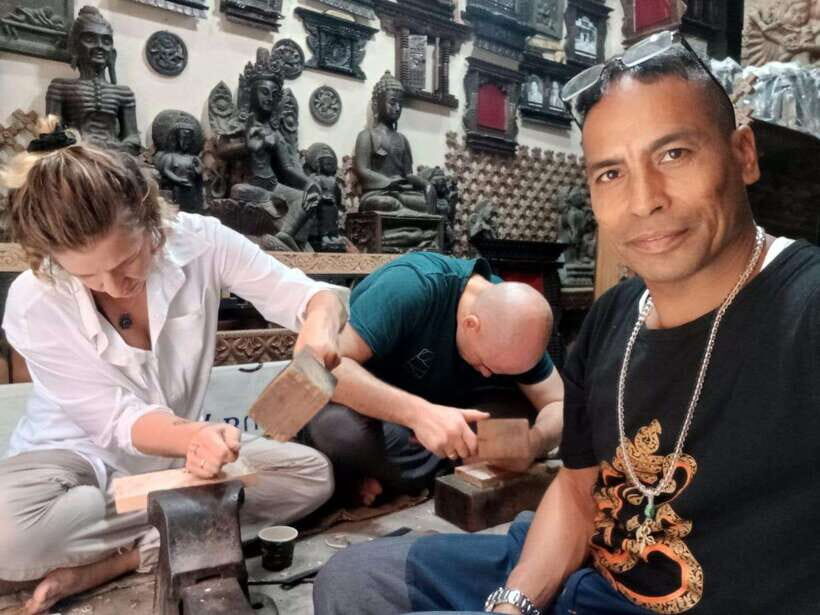
This workshop is a great fit if you:
- Want a beginner-friendly skill with step-by-step coaching
- Like craft traditions tied to Nepalese symbolism
- Enjoy making a souvenir you can feel proud of
- Need an activity that works even when the weather shifts during your day
It can also work well for families. One description of the experience mentions doing the workshop with a ten-year-old son, with the guide described as patient and helpful. That suggests the pace and support are flexible enough for young learners, as long as they can sit and focus.
You might think twice if you:
- Want a long lecture about art history instead of hands-on carving
- Prefer experiences with no tools or physical work
- Have limited tolerance for concentration tasks
And if you’re very short on time in Kathmandu, 3 hours is a big chunk. It’s still manageable, but it’s not a 30- or 60-minute activity.
Tips to Get the Most Out of Your 3 Hours
You can’t control everything, but you can set yourself up for a smoother session.
- Wear comfortable clothes you won’t mind getting a little wood dust on.
- Bring a calm mindset. Wood carving is slower than it looks.
- Be ready to follow corrections quickly. The instructor guidance is the fastest way to improve.
- If you’re choosing motifs, pick something you can visualize clearly. Outlining is easier when you know what you want.
Also, because the workshop is likely to be quiet and focused, this can be a welcome break from Kathmandu’s street noise.
Should You Book This Wood Carving Workshop in Kathmandu?
Yes, you should book it if you want a hands-on cultural experience with a tangible result. The small group size, the fact that you actually practice chiseling and detailing, and the included take-home piece make it a practical value for craft-minded travelers.
Skip it only if you’re mainly chasing a history lecture or you’re uncomfortable with tool-based activities. Otherwise, this is one of those Kathmandu activities where you leave with something more interesting than a new postcard view. You leave with skill, context, and a carved souvenir that feels earned.
FAQ
How long is the wood carving class?
The class lasts about 3 hours.
Where does the class take place?
It takes place in Kathmandu, with the activity linked to the Thamel area and the Bagmati Zone.
What does it cost?
The price is listed as $42 per person.
Is it a small group?
Yes. The group is limited to 4 participants.
What language is the instruction in?
The instructor provides instruction in English.
Are tools and materials included?
Yes. All necessary tools and materials are provided.
Can I take my work home?
Yes. You create a wooden piece during the session and take it home as a souvenir.
What should I bring?
Wear comfortable clothes.
Is smoking allowed during the workshop?
No, smoking is not allowed.
Can I cancel and get a full refund?
You can cancel up to 24 hours in advance for a full refund.