REVIEW · KATHMANDU
Everest Base Camp Helicopter Tour
Book on Viator →Operated by Himalayan Adventure Treks and Tours Pvt Ltd · Bookable on Viator
Everest in a few hours beats most treks. This Everest Base Camp Helicopter Tour is built for people who want Everest and Sagarmatha National Park views fast: a hotel pickup, a long mountain flight, and return helicopter transfers in a small group capped at 10. I especially like the inclusion of the round-trip heli logistics and the scheduled stop at Hotel Everest View for an early, high-altitude-style breakfast. The main drawback to plan around is cost creep: the tour lists breakfast and park-related fees as extra (Khumbu valley fees and national park permits), and it also depends on good weather.
You’ll start early from Kathmandu (the start time is 5:30 am), then move quickly to the airport for boarding. The operator, Himalayan Adventure Treks and Tours Pvt Ltd, is represented in the booking process by a person named Bhagwat Simkhada, who comes through clearly in messages and helps keep everything organized. If you’re trying to avoid days of trekking, this is a practical way to buy time—just go in knowing it’s not the same pace as a trek, and the sky decides a lot.
In This Review
- Key highlights worth clocking before you go
- A Half-Day Everest Run That’s Actually Designed for Time
- Kathmandu at 5:30 am: The Morning Logistics That Make or Break It
- The Breakfast Stop at Hotel Everest View: A Scenic Break You Can Use
- Flying From Syangboche to Everest Base Camp: The Core Payoff
- Kalapatthar in 5–10 Minutes: Plan for a Quick Hit
- Price and Value: What $3,000 Really Buys (and What It Doesn’t)
- Small-Group Attention and the Human Check-In (Bhagwat Simkhada)
- Who This Helicopter Tour Fits Best (and Who Should Rethink It)
- Should You Book This Everest Base Camp Helicopter Tour?
- FAQ
- How long is the Everest Base Camp helicopter tour?
- What time does the tour start in Kathmandu?
- Is hotel pickup included?
- What is included in the tour price?
- What’s not included?
- Is there a weight limit?
- What happens if weather prevents the flight?
Key highlights worth clocking before you go
- Small group size (up to 10 travelers) for a more controlled feel in the morning crush
- Return helicopter transfers included, so you’re not left figuring out the logistics twice
- Hotel Everest View breakfast stop gives you a scenic “mountain fuel” moment
- Syangboche to Everest Base Camp flight is the core payoff for the whole half-day idea
- Kalapatthar photo window (5 to 10 minutes) is short, so have your camera ready
- Passenger weight limit (176 lbs per person) is a real constraint to check early
A Half-Day Everest Run That’s Actually Designed for Time
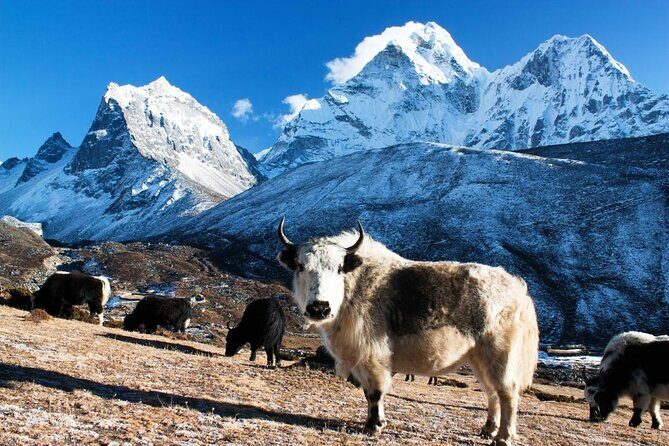
This tour is all about compressing what most people associate with Everest into a half-day window. You’re not going to “earn” the views with slow steps. You’re paying for access: you trade long trek days for helicopter time and a few key vantage moments—Base Camp, plus a turn toward Kalapatthar.
The value angle here is simple. The flight time is listed as 4 hours, and the overall tour runs about 4 to 6 hours. For the right traveler, that’s the difference between seeing Everest this trip versus keeping Everest stuck on a someday list.
The other value is how the day is structured around you. You get a hotel pickup/airport transfer component, a set start time, and a small-group cap. That’s the kind of planning that matters when you have a very early morning and a weather-dependent schedule.
You can also read our reviews of more tours and experiences in Kathmandu
Kathmandu at 5:30 am: The Morning Logistics That Make or Break It
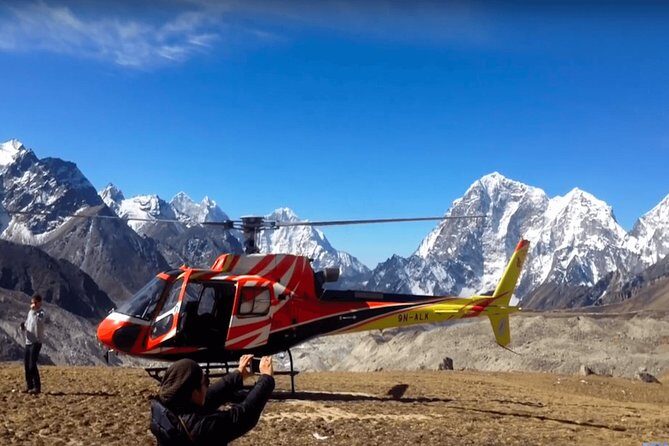
Your day begins at 5:30 am. The plan is straightforward: you’ll drive from your hotel to the airport in about 20 to 30 minutes, then go through a boarding process for the helicopter flight.
That early timing is the first thing to respect. Even if you’re excited, there’s very little slack built in once you commit to an early start. If you’re traveling with jet lag, or you’re the kind of person who likes a long breakfast and zero rush, this tour will feel brisk.
Still, the upside is that the logistics are designed to reduce friction. Airport pick/drop from the hotel is included, and the company lists confirmation at booking. You also get a mobile ticket, which usually means less paper handling on the day.
One practical note: the tour requires good weather. That doesn’t mean you’re guaranteed bad weather. It means your plan is sky-based, and you should mentally treat the day as weather-flexible.
The Breakfast Stop at Hotel Everest View: A Scenic Break You Can Use
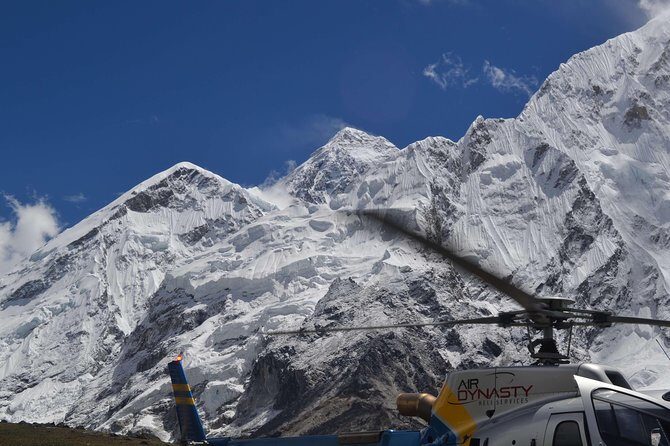
A standout part of this itinerary is the stop for breakfast at Hotel Everest View. Your flight takes you to the Everest region, and the plan includes a breakfast there—positioned as a very high-altitude breakfast experience.
Why this matters: it’s not just food. It’s a chance to transition from Kathmandu’s routine into the Everest zone without jumping straight from takeoff to Base Camp. You also get time to look out, adjust your senses, and get oriented to what you’re actually seeing.
Breakfast at the Hotel Everest View is also a point you should understand before you book. It is listed as not included in the tour pricing, even though the itinerary includes the breakfast stop. So you’re essentially paying for the helicopter routing that brings you to that moment, but you should budget separately for what you eat there.
If you want a “big view now” experience without a multi-day trek, this breakfast stop does a nice job of giving you an early payoff while keeping the rest of the morning moving.
Flying From Syangboche to Everest Base Camp: The Core Payoff
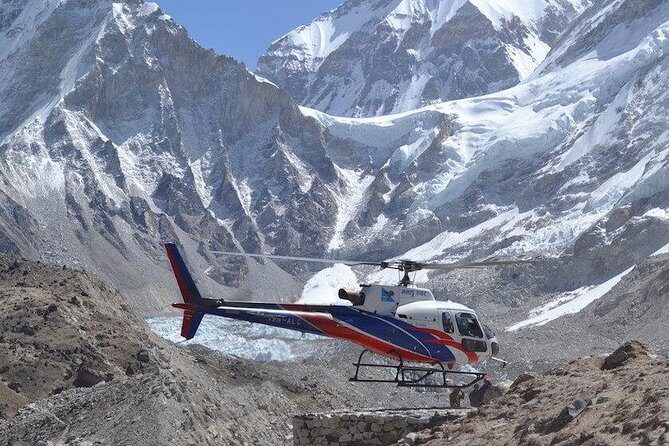
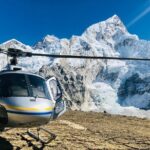
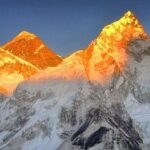
After breakfast, the tour shifts into the main objective. The plan is to fly from Syangboche to Everest Base Camp. From there, you’ll do a helicopter round intended to show as much as possible, and the itinerary also references exploring Kalapatthar.
This is where helicopter tours differ from treks in a big way: you experience multiple viewpoints quickly, rather than settling into one area over days. That can be an advantage if your time is limited or if mobility makes long days on foot unrealistic.
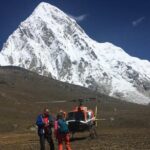
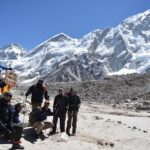
At Base Camp itself, you should think about how long you really need on the ground. The itinerary doesn’t spell out a long walking or extended stay schedule—what it emphasizes instead is the aerial circuit and the chance for key photographic moments. If you’re hoping for a slow, wandering Base Camp day like a full trek, this tour is more “fast and focused” than “lingering.”
The upside is efficiency. If you’ve got one shot at Everest in your Nepal trip, this structure is designed to maximize your chances of seeing the right places even when you’re fighting time.
Kalapatthar in 5–10 Minutes: Plan for a Quick Hit
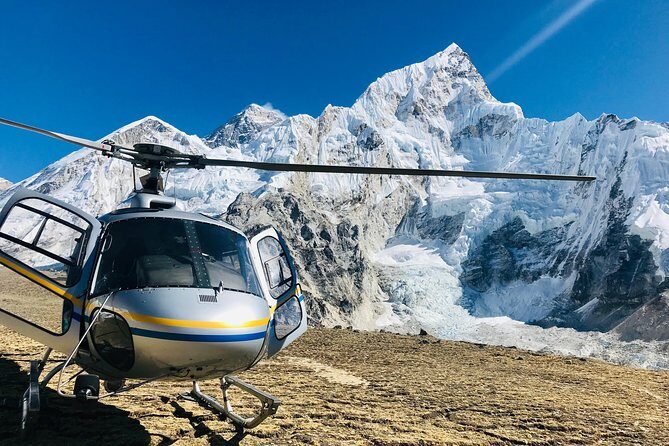
Kalapatthar gets its own mention, and the timing is specific: you’ll have 5 to 10 minutes there for pictures.
That short window is both thrilling and challenging. It’s thrilling because you’re there at a moment many people associate with epic views. It’s challenging because it doesn’t leave time for a long calm pace, scouting angles, or repeated photo attempts.
So treat Kalapatthar like a photo checkpoint. Arrive ready with your camera settings and decide in advance what you want to capture. If you’re traveling as a group, agree quickly where everyone wants to stand so nobody wastes the minute count.
Also, don’t assume you’ll get a perfect “one-photo wins everything” outcome. Weather and light affect visibility on mountain days, and since the tour is weather dependent, flexibility is part of the experience.


Price and Value: What $3,000 Really Buys (and What It Doesn’t)
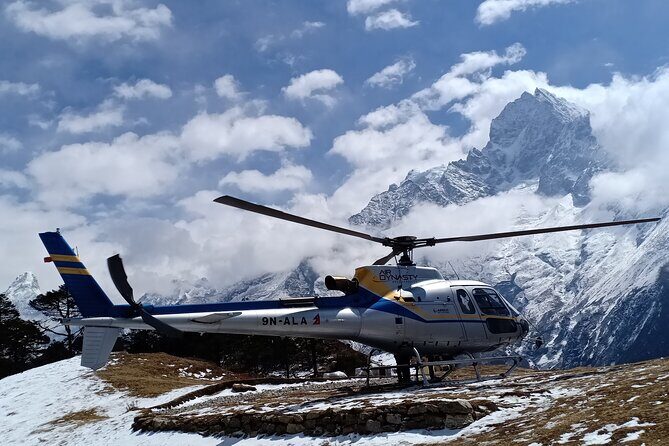
The listed price is $3,000 per person. That’s a steep number on its face, but it’s paying for something tangible: helicopter airfare plus a bundle of fees that usually add friction when you have to ask what’s included.
Here’s what the tour lists as included:
- Airport pick/drop from hotel
- Helicopter airfare
- Fuel surcharge
- Landing and facility fees
Here’s what’s not included:
- Khumbu valley fees
- Breakfast in Hotel Everest View
- Travel insurance
- Airport tax
- Personal expenses not mentioned
So the value is clearest if you’re comparing against your alternatives. This is a “buy time with helicopters” option. If you would otherwise spend days trekking to earn the altitude and views, you’re effectively paying to skip that time. But if you were hoping for an all-in single price that covers every park fee and meal, you’ll need to add extra budget for the items listed above.
One thing I like about the way this is framed: it clearly separates what’s covered (heli airfare and facility fees) from what’s not (park/valley fees and breakfast). That transparency helps you plan a realistic total.
Small-Group Attention and the Human Check-In (Bhagwat Simkhada)
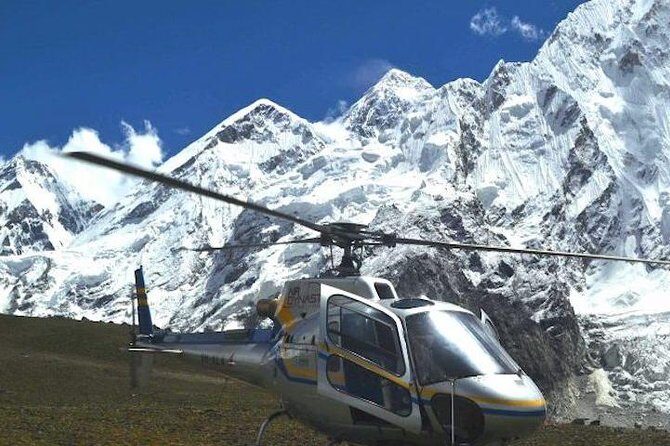
This tour is capped at maximum 10 travelers, which usually means a calmer morning than bigger cattle-call groups. It also means the company can handle details with more personal attention.
In the booking process, Bhagwat Simkhada appears as a responsive point of contact. The overall vibe from the operator’s communication is that you get updates, and you’re not left guessing what happens next—especially important when you’re heading out at 5:30 am and waiting on the sky.
This is one of the most praised aspects in the feedback: organization and communication from start to finish. When helicopter plans are weather-sensitive, that kind of steady guidance matters more than people think.
If you’re the type who hates uncertainty—where to be, what time, what happens if conditions change—this company’s communication style is a real part of the value.
Who This Helicopter Tour Fits Best (and Who Should Rethink It)
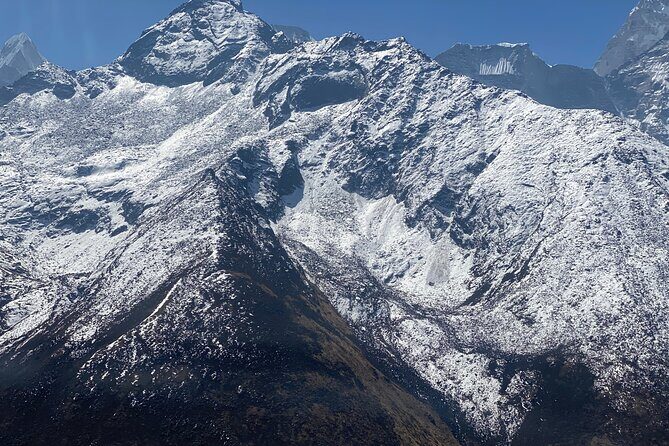
This experience is described as suitable for most travelers, and the weight limit is clearly stated: total weight per passenger: 176 lbs. If you’re above the limit, you should check your eligibility before you get attached to the plan.
It also fits especially well if any of these are true:
- You’re short on time in Nepal and still want Everest and Sagarmatha National Park sights
- You’re considering Everest but trekking days on foot are not practical
- You want a high-impact visit without moving at trekking speed
The big consideration is that it’s not for people who want a long, slow, wandering experience. The itinerary is built around flight segments and timed photo moments, not hours of walking.
And remember the weather dependency. The tour notes that good weather is required. If weather cancels the flight, you should expect rescheduling or a full refund, which the company states as an option.
Should You Book This Everest Base Camp Helicopter Tour?
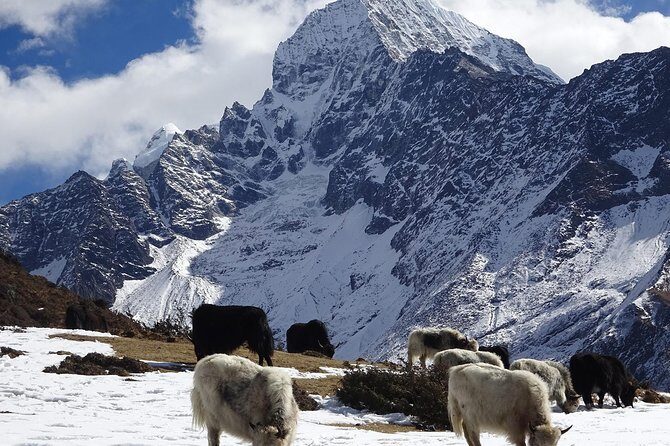
Book it if you want the fastest credible route to Everest Base Camp areas and you’re okay treating the day as weather-driven and time-efficient. At $3,000, you’re paying for helicopter access, the included transfer setup, and the promise that you’ll hit the key scenic points within a tight schedule.
Don’t book it if you’re looking for a full trek-style day on foot, or if you need a fully all-in price with no extra meals and park/valley fees. Also don’t book without checking the 176 lbs per passenger weight limit.
If your Nepal trip is limited and Everest is on your list, this is one of the most direct ways to make it happen—especially with the small-group feel and the steady communication tied to Bhagwat Simkhada.
FAQ
How long is the Everest Base Camp helicopter tour?
The tour runs approximately 4 to 6 hours, with listed flight time of about 4 hours.
What time does the tour start in Kathmandu?
The start time is 5:30 am.
Is hotel pickup included?
Yes. The tour includes airport pick/ drop from hotel.
What is included in the tour price?
Included items are helicopter airfare, fuel surcharge, and landing and facility fees, plus the airport pick/drop.
What’s not included?
Not included: Khumbu valley fees, breakfast in Hotel Everest View, travel insurance, airport tax, and personal expenses not mentioned.
Is there a weight limit?
Yes. The total weight per passenger is listed as 176 lbs.
What happens if weather prevents the flight?
The tour requires good weather. If it’s canceled due to poor weather, you’ll be offered a different date or a full refund.