Pokhara in three days is a sprint worth taking. This tour packs Sarangkot sunrise and the main Pokhara sights into a smooth, guided loop. I like that you get organized Fewa Tal boat time plus an English-speaking guide in Pokhara. One thing to weigh: the round-trip tourist bus ride can feel long and bumpy, and the return timing can run late.
If you want a short break from Kathmandu that still feels like you did something real, this plan fits. You’ll cover big-name stops like Devi’s Fall, Gupteswar Gupha, World Peace Pagoda, and Phewa Tal without having to figure out transport between them. The group is capped at 25 travelers, so it stays friendly without turning into chaos.
Just keep your expectations grounded: you’re moving a lot, starting very early for sunrise. And entrance fees aren’t fully included, so bring a small cash buffer for tickets where needed.
In This Review
- Key highlights you’ll actually feel
- Pokhara in 3 days: what kind of trip is this?
- Price and what $540 really buys you
- Day 1: the Kathmandu to Pokhara tourist bus day
- Day 2 morning: Sarangkot sunrise at 5:30am
- Devi’s Fall and Gupteswar Gupha: water and cave time
- World Peace Pagoda: a temple stop with big views
- Phewa Tal and the hour rowing boat you’ll remember
- International Mountain Museum: mountaineering context in 90 minutes
- Day 3: the return to Kathmandu and what to plan for
- Group size, comfort, and the pacing trade-off
- Who should book this Pokhara tour from Kathmandu
- My booking advice: when it’s a yes
- Should you book this 3-day Pokhara tour?
- FAQ
- What’s included in the Kathmandu to Pokhara transport?
- Will I be picked up from my hotel in Kathmandu?
- What do I do on Fewa Tal?
- Is sunrise at Sarangkot part of the itinerary?
- Are entrance fees included for all stops?
- Is there an English-speaking guide?
- How large is the group?
- Can I cancel and get a full refund?
Key highlights you’ll actually feel
- Sarangkot sunrise at 5:30am for Annapurna range views
- World Peace Pagoda with hilltop views and a calm temple stop
- Devi’s Fall + Gupteswar Gupha for water and cave time
- Hour on Fewa Tal by rowing boat for a classic Pokhara rhythm
- English-speaking guide in a private car while exploring Pokhara
- Round-trip tourist bus from Kathmandu to save money and keep it simple
Pokhara in 3 days: what kind of trip is this?
This is a “see the essentials” Pokhara tour from Kathmandu, built for people who don’t have a week. You’ll do the main sightseeing loop in Pokhara plus one early-morning sunrise session. The pace is efficient: pick up in Kathmandu, bus to Pokhara, then a full day of sights, then back by bus.
There’s a real trade-off here. You get a lot of value for the money because the logistics are handled. But you also accept that travel days take time, and you’ll spend mornings waking up early. If you hate early starts or long road rides, this won’t feel relaxing. If you’re okay with “worth it” intensity, it can be a very satisfying mini-vacation.
The tour is also capped at 25 people, which matters. Smaller groups usually mean less waiting around and an easier flow through viewpoints and attractions. Add the English-speaking guide in Pokhara and it becomes less “figure it out” and more “follow the plan.”
You can also read our reviews of more tours and experiences in Kathmandu

Price and what $540 really buys you
At about $540 for the 3 days, you’re paying mostly for three things: transport structure, guided sightseeing, and hotel transfers in Kathmandu.
Here’s the value math I’d use:
- You get hotel pickup and drop-off in Kathmandu
- You get round-trip tourist bus between Kathmandu and Pokhara
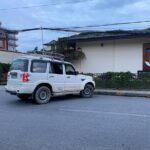
- You get an entire Pokhara tour with an English-speaking guide in a private car
- You get local entry coverage for some stops (some are free, some aren’t)
What’s not included is also important:
- Lunch and dinner aren’t included
- Entrance fees at certain stops are not included (approx. US$10 total, based on the plan)
So if your travel style is “I want the route handled and I’ll budget a bit for tickets and meals,” the price can make sense. If you’re someone who prefers flexible, on-your-own exploring with no early wake-up, then $540 might feel steep compared with a DIY plan. This is for convenience, not for maximum freedom.
Day 1: the Kathmandu to Pokhara tourist bus day
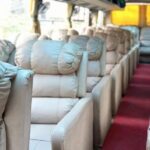
Day 1 is travel plus check-in. You’re picked up from your hotel in Kathmandu, then transferred to the bus station. After that, you take a tourist bus to Pokhara and reach your hotel for the evening.
On paper, this is one full day segment (listed around 8 hours). In reality, road conditions can stretch travel time, and the ride can get bumpy. I’d treat this as your “logistics day,” not your “explore all afternoon” day.
Practical tips that make this smoother:
- Pack water and a light snack for the ride, because meals are not included.
- Bring something for motion comfort (neck pillow, thin layers, anything that helps you settle).
- If you’re sensitive to long bus rides, plan to keep your Day 1 expectations modest. Your job is simply to arrive, check in, and rest.
The upside is you save effort. Instead of figuring out buses, timings, and who does what, you show up and the plan carries you. That’s the whole point of this tour.
Day 2 morning: Sarangkot sunrise at 5:30am
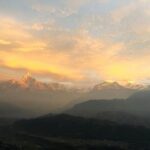
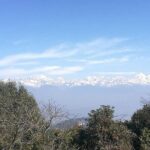
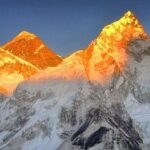
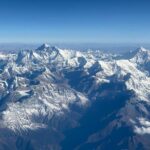
This is the big moment of the trip. On Day 2, you start early—about 5:30am from your hotel in Lakeside—to reach Sarangkot for sunrise views over the Annapurna range.
Is it worth it? In my opinion, sunrise tours are always a bet against weather. But Pokhara’s top viewpoints are popular for a reason, and Sarangkot is one of the most iconic ways to see the mountains. The early departure is the cost you pay for that light and timing.
What to prepare for:
- Darkness and cool air at dawn, especially if you’re not used to Himalayan mornings
- A waiting phase (sunrise won’t happen instantly)
- Slower movement and more standing around than a typical daytime stop
Once the sunrise session wraps (about 1 hour allotted in the plan), you pivot into the rest of the day’s sights. This structure is smart: you get your “wow” view before the itinerary turns into caves, falls, and museums.
Devi’s Fall and Gupteswar Gupha: water and cave time
After sunrise, you’re set up for two nature-focused stops that feel different from each other.
Devi’s Fall is a compact water-feature stop (about 20 minutes). You’ll see a famous waterfall scene that’s worth the visit even if you’ve seen photos before. The key here is to walk slowly and give your eyes a minute—water flow plus rock shapes can look totally different as you change your angle.
Then you move to Gupteswar Gupha, a cave experience (about 40 minutes). This stop adds variety. Instead of watching water from the outside, you spend time inside a cave space where the atmosphere changes. It’s also a nice break from constant uphill viewpoints.
Entrance tickets for both are listed as not included. So budget a little extra and don’t be surprised if you need cash. These two stops together make Day 2 feel like more than just “pretty views”—it becomes geology and water, too.

World Peace Pagoda: a temple stop with big views
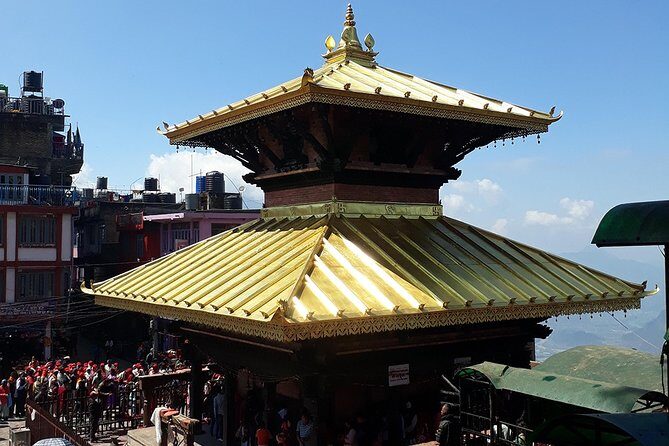
Next up is World Peace Pagoda in Pokhara, also called the Japanese Buddhist temple on a hilltop. Your time here is about 1 hour, and the plan lists this stop as admission free.
This is one of those places where a guided itinerary helps. On your own, you might reach the pagoda, snap photos, and rush away. With a guide, you tend to slow down just enough to notice what’s happening around you—temple calm, hilltop views, and that distinct Pokhara altitude feeling.
The pagoda is also a natural bridge between stops. You’re coming from sunrise and moving toward lake and museum time, so the hilltop viewpoint acts like a reset button. Expect a scenic outlook toward the Annapurna range area when visibility is good.
Phewa Tal and the hour rowing boat you’ll remember
Then it’s time for Pokhara’s lake side: Phewa Tal. Your allotted time is about 1 hour, and this stop is listed as admission free.
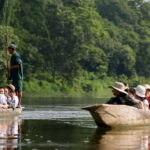
The real highlight here is the chance to get out on the water. The tour includes an hour rowing boat time on Fewa Lake. That simple detail changes the day. It’s not just looking at the lake; it’s feeling it—slow movement, more breathing room from the road, and a different perspective for the temples and shoreline.
How to make the most of it:
- Wear something comfortable you don’t mind getting a little damp.
- Bring sunglasses if you’re sensitive to glare.
- Have your camera ready, but also take 10 minutes without filming. This is one of the rare moments in a tight itinerary where sitting still feels good.
After the boat time, you’re ready for the last major Day 2 stop.
International Mountain Museum: mountaineering context in 90 minutes
On Day 2, you also visit the International Mountain Museum with about 1 hour 30 minutes allotted. This one is listed as not included for admission.
For many people, Pokhara is defined by trekking and climbing stories. This museum helps you connect the dots between the mountains you see and the culture that surrounds them. Even if you’re not a hardcore mountaineer, it’s still a meaningful add-on because it turns the views into context.
The museum also adds a good pacing element. After dawn and outdoor sites (waterfall, cave, pagoda), you’re ready for something that feels more indoor and calmer. It’s a smart balance for a short trip.
Day 3: the return to Kathmandu and what to plan for
Day 3 starts after breakfast around 7:00am. You’ll transfer to the bus station and take a scenic tourist bus back to Kathmandu. The plan lists travel time around 8 hours, with the tour ending on arrival.
Here’s the practical reality: road conditions can stretch this, and the ride can be tiring. One negative note from a prior experience description is that the return can end late, with drop-off happening after dark and not necessarily at a convenient depot or pickup point. I can’t guarantee every trip runs that way, but you should plan like it might.
So don’t schedule a tight evening plan in Kathmandu on Day 3. If you can, keep your first half-day on your return day flexible.
Also:
- Bring a light jacket. Even in warmer months, buses can feel chilly in the evening.
- Consider downloading offline maps and entertainment. You’ll be glad you did if the ride runs long.
Group size, comfort, and the pacing trade-off
A capped group of up to 25 travelers is a good sign. It usually keeps things moving without turning into a long line of people. The tour also uses a mix of transport types: a tourist bus for the long route and a private car with an English-speaking guide for the Pokhara sightseeing day.
That split matters. The bus ride is where comfort is limited. The private car day is where you get smoother travel between sights and better communication. It’s a solid compromise.
Pacing wise, you’ll do a lot of “short stops” rather than a few long ones. The upside is variety. The downside is you’re not hanging around every viewpoint for hours. If you’re the type who wants to linger and wander at your own tempo, you may feel rushed at times.
Who should book this Pokhara tour from Kathmandu
This tour fits best if you:
- Have only three days and want Pokhara highlights without planning transport
- Want a guided experience with an English-speaking guide for the Pokhara day
- Care about seeing the Annapurna area at sunrise from Sarangkot
- Like a mix of nature stops (falls/cave/lake) plus a museum
It may not fit you if you:
- Hate early mornings. The 5:30am start is non-negotiable for sunrise
- Don’t want long road travel days. The bus rides can take a big chunk of your time
- Prefer to choose your own stops and timings. This itinerary is structured
My booking advice: when it’s a yes
If you’re balancing a short visit with a tight schedule, this tour is a strong option. You’re getting a full Pokhara “greatest hits” plan plus a sunrise session, and you’re not paying extra for the guided Pokhara leg.
Before you book, I’d do two quick checks:
- Decide if you can handle early wake-up for sunrise and moving quickly between stops.
- Budget for entrance fees where listed as not included and plan on paying for lunch and dinner on your own.
If those match your style, you’ll likely feel like you got your money’s worth. The high overall rating trend (4.7 across 11 reviews, with 91% recommending) suggests the format works for most people.
Should you book this 3-day Pokhara tour?
Book it if you want a structured Pokhara escape from Kathmandu with sunrise at Sarangkot, a lake break at Phewa Tal, and a day of iconic stops without worrying about logistics. Skip it if you’re travel-sore, you dislike early mornings, or you want maximum free time.
For the right traveler, it’s the kind of trip where the days feel full, not lost.
FAQ
What’s included in the Kathmandu to Pokhara transport?
You’ll take a round-trip sharing tourist bus between Kathmandu and Pokhara. Hotel pickup and drop-off in Kathmandu are included.
Will I be picked up from my hotel in Kathmandu?
Yes. The tour includes hotel pickup and drop off in Kathmandu.
What do I do on Fewa Tal?
You spend time at Phewa Tal and the plan includes an hour rowing boat time on the lake.
Is sunrise at Sarangkot part of the itinerary?
Yes. You’ll start around 5:30am from your hotel in Lakeside to see sunrise from Sarangkot.
Are entrance fees included for all stops?
No. Lunch and dinner are not included, and some attractions list entrance fees not included (about US$10 total is suggested by the plan).
Is there an English-speaking guide?
Yes. The Pokhara sightseeing portion includes an English-speaking tour guide in a private car.
How large is the group?
The tour has a maximum of 25 travelers.
Can I cancel and get a full refund?
You can cancel up to 3 days in advance of the experience start time for a full refund.
If you want, tell me your travel month and whether you’re staying in Lakeside or elsewhere in Kathmandu—I can suggest what time to aim for sleep and what to pack for the 5:30am sunrise run.