REVIEW · KATHMANDU
6 Days Muktinath Tour Package in Nepal
Book on Viator →Operated by Welcome Nepal Treks P.ltd · Bookable on Viator
Few temples feel this high and this holy. This 6-day Nepal package links Kathmandu and Pokhara with the holy Muktinath Temple area at about 3,710 meters, plus a route that mixes major spiritual stops along the way. You’ll have airport transfers from Tribhuvan Airport, a mobile ticket, and a tight plan that keeps moving without making you do the complicated planning.
I especially like how the logistics are bundled. Pokhara–Jomsom–Pokhara flights handle the tough ground travel, and your in-city sightseeing uses private-vehicle driving. I also like the temple-first rhythm, starting with Pashupatinath at day one, then moving through Pokhara sights, and ending with a Kathmandu cultural circuit on your last day.
One thing to think about: this trip involves altitude and mountain-region travel, and the itinerary notes that good weather matters for the experience. Also, not all sightseeing entrance tickets are included, and the Manakamana cable car is self-paying on the way back.
In This Review
- Key highlights worth your attention
- Muktinath Temple at 3,710m: the spiritual payoff
- Your 6-day route: from Kathmandu night temples to Muktinath
- Day 1: Kathmandu arrival and Pashupatinath at night
- Day 2: Pokhara lakeside and the classic sights break
- Day 3: Pokhara to Jomsom by flight, jeep to Muktinath
- Day 4: Back to Pokhara, more sights, then a calmer night
- Day 5: Return toward Kathmandu with Manakamana cable car (self-paid)
- Day 6: Kathmandu heritage loop and airport drop
- Price and logistics: what your $700 is really buying
- What you’ll feel at each place (and what to watch for)
- Kathmandu: temples with a pulse
- Pokhara: breaks in the middle that actually matter
- Jomsom and the Muktinath approach
- Hotels, group size, and the human factor
- Who this tour suits best
- Should you book the 6 Days Muktinath Tour?
- FAQ
- Where does the tour start?
- How do you get to Muktinath from Pokhara?
- Is the Muktinath permit included?
- What meals are included?
- Are sightseeing entrance tickets included?
- What’s the group size limit?
Key highlights worth your attention
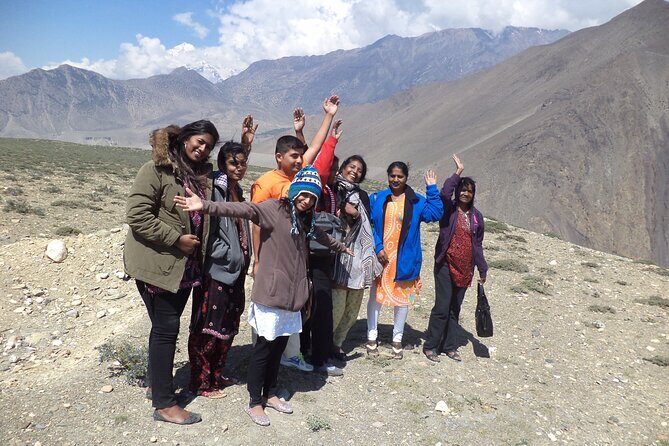
- Muktinath Temple at ~3,710m with the Muktinath permit included
- Pokhara–Jomsom–Pokhara by flight, then a shared jeep to Muktinath and back
- Private-vehicle transfers and sightseeing for a smoother pace between cities
- A balanced mix of big-ticket temples (Pashupatinath, Muktinath, Boudhnath, Durbar Square)
- Pokhara breaks with lakeside sights, caves, falls, and viewpoints
- Small group size (max 15), which usually makes coordination easier
Muktinath Temple at 3,710m: the spiritual payoff
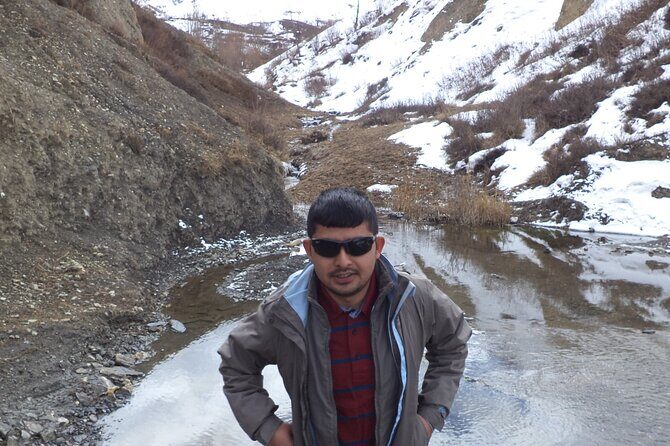
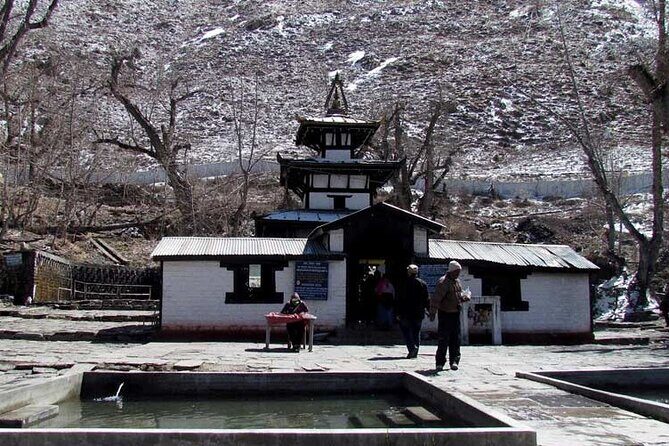
If you’re searching for a Nepal trip where the main event really is the main event, this package hits that note. Muktinath isn’t just another temple stop on a checklist. It’s considered sacred for both Hindus and Buddhists, and it’s linked to the idea of Mukti Kshetra—a place associated with moksha or liberation. That’s a big part of why people come here with a devotional mindset rather than a sightseeing-only plan.
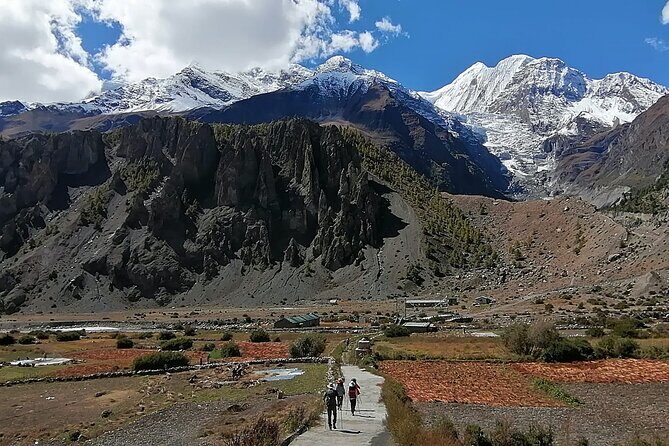
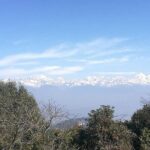
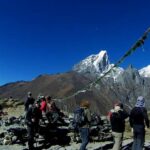
Then there’s the setting. Muktinath sits in the Mustang valley region at the foot of the Himalayan area, reached near the mountain pass zone of Thorong La. That doesn’t mean you’ll be hiking the pass on this itinerary, but it does mean you’re traveling through a landscape that feels remote and high, even if you’re moving by jeep and flights.
The altitude number—about 3,710 meters—is the practical reality behind the spiritual mystique. At that height, you’ll want to take things slowly during key moments. The temple visit itself will feel like time slows down: pilgrims, prayer sounds, and the steady movement of people who are clearly there for a reason. If you’re sensitive to altitude or you tend to get winded, plan to pace yourself and avoid rushing the walk in and out of viewpoints.
You can also read our reviews of more tours and experiences in Kathmandu
Your 6-day route: from Kathmandu night temples to Muktinath
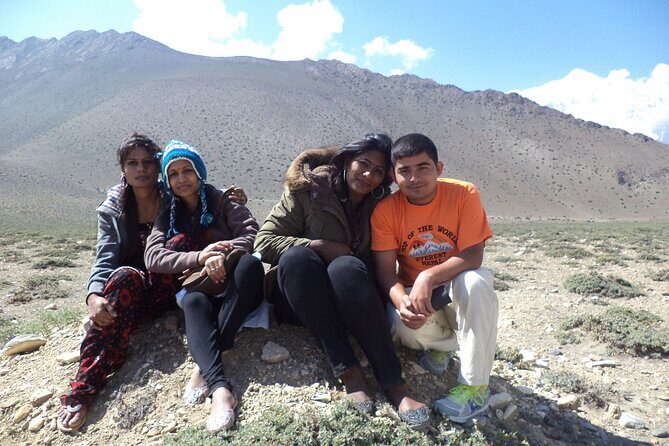
This tour is built around a simple idea: arrive, settle, then stack the spiritual highlights in a logical order. You start in Kathmandu, move down to Pokhara for a palate cleanse (lakes, caves, waterfalls), then head into the mountain zone via Jomsom. After Muktinath, you return and finish with Kathmandu’s major cultural stops.
The flow matters. You’re not trying to cram Kathmandu, Pokhara, and a high-altitude temple all in one frantic stretch. Instead, the trip uses travel days to reset your energy. Flights handle the longest distance, while local driving fills in the rest.
Day 1: Kathmandu arrival and Pashupatinath at night
Your first day is straightforward: arrival at Tribhuvan Airport, then transfer to your Kathmandu hotel. In the evening, you’ll go for Pashupatinath Temple darshan.
Night Pashupatinath has a different vibe than daytime. The temple complex sits in a spiritual atmosphere that’s already intense at any hour, but in the evening you get a more focused devotional mood—people moving with purpose, prayers continuing, and the city settling down around you. It’s also a smart first stop because it gives you a sense of Nepal’s religious heartbeat right away, without needing to understand every detail of the language or history.
Practical note: day one is about orientation and comfort. You’re not expected to jump into long sightseeing marathons immediately after arrival.
Day 2: Pokhara lakeside and the classic sights break
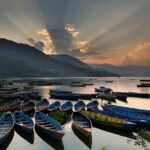
On day two you’ll travel to Pokhara Lakeside by flight or drive, then do sightseeing around the Pokhara area. The planned stops include Lord Shiva’s Caves, Devis Falls, Talbarahi Temple, and Phewa Lake. You’ll sleep in Pokhara at a 3-star hotel (City Inn or similar).
This day works because it gives you variety. You shift from big-city temple energy to water, caves, and lake views. Even if you’re on a spiritual-focused tour, Pokhara gives your brain a different kind of fuel—scenery that feels lighter, and activities that don’t demand big altitude efforts.
Two thoughts before you go:
- Some cave and waterfall-style visits can be slippery or crowded. Go slow.
- Devis Falls is a flowing-water spot. That’s great for photos, but you should expect some mist near the falls area.
Day 3: Pokhara to Jomsom by flight, jeep to Muktinath
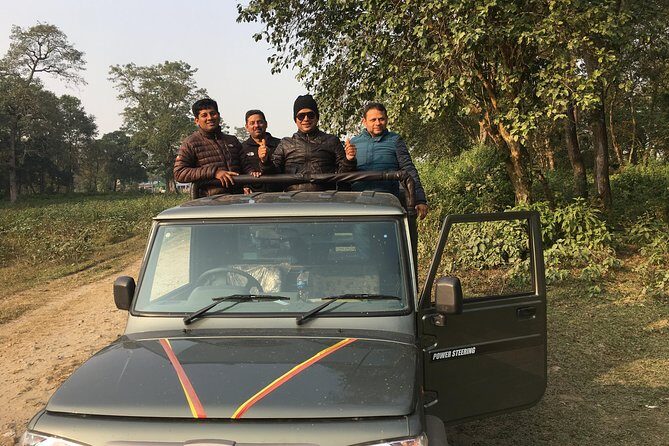
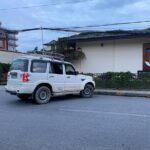
Day three is where the trip commits to the mountain experience. You fly or transfer from Pokhara to Jomsom, then drive by sharing basic jeep to Muktinath for darshan, returning to Jomsom for the night.
This is also the day where logistics turn from easy to serious. Flights help you bypass the hardest land travel, but the jeep leg is still a reminder that you’re entering a rugged zone. The upside: you get closer to the Muktinath area without needing multi-day treks.
The key value here is that your schedule is designed to get you to the temple area and back within a single day segment. That’s important if you don’t want to spend nights higher up.
Also, Muktinath’s permit is included, which matters because crossing into certain temple zones can be paperwork-heavy on your own. Here, you’re not left trying to figure out what permits you need at the last minute.

Day 4: Back to Pokhara, more sights, then a calmer night
On day four you return to Pokhara for more sightseeing: Davis Falls, Guptesor Cave, World Peace Pagoda, White River, and Bindabasini Temple. You’ll stay in Pokhara again at City Inn or similar (and this day includes a sightseeing admission ticket).
This is a good setup because it gives you a second chance to appreciate Pokhara beyond lakes alone. The World Peace Pagoda area is especially popular for views and calm breaks, and it pairs nicely with the earlier lake and temple stops. You’ll also get more religious variety with Bindabasini Temple.
One small caution: you’ll likely be doing another day of walking at multiple sites. Nothing here is described as extreme, but it’s still more than a sit-by-the-lake day. Bring comfortable shoes.
Day 5: Return toward Kathmandu with Manakamana cable car (self-paid)
Day five starts with travel back to Kathmandu. The itinerary includes a stop at Manakamana Temple by cable car, but the cable car ticket is self-paying. You’ll have evening free for shopping and then sleep in Kathmandu (3-star hotel or similar).
This stop works because Manakamana is a major spiritual site, and using the cable car reduces the effort compared to walking up. The self-pay part is important for your budget math, but it’s also a flexibility point. If you want to see it, it’s there; if not, you’re not locked into a long hike.
Evening free in Kathmandu is where you can adjust to your own pace. If you feel like wandering near your hotel, you can. If you want a calmer dinner and early rest, that also fits.
Day 6: Kathmandu heritage loop and airport drop
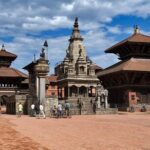
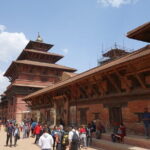
Your last day is a sightseeing loop in Kathmandu that includes Monkey Temple, Pashupatinath Temple, Boudhnath Stupa, and Kathmandu Durbar Square. Then you’re dropped at the airport.
This day is the “wrap it up” stage—lots of landmarks, but in a concentrated order. Monkey Temple is a good contrast to the temple-orientated areas of Pashupatinath and Boudhnath because it mixes viewpoint energy with a more casual feel. Boudhnath Stupa gives you a strong Buddhist visual anchor, while Kathmandu Durbar Square adds the cultural and historical architecture layer.
If you’re short on time or you’re sensitive to crowds, decide in advance which stop you care about most. With only one day left, you don’t want to feel like you raced through everything.
Price and logistics: what your $700 is really buying
At $700 per person for roughly 6 days, you’re not just paying for a driver. You’re paying for a stack of expensive-to-organize parts: lodging across multiple cities, flights between Pokhara and Jomsom, and transfers that keep moving you from one base to another.
Here’s what’s included, in practical terms:
- Airport pickups and drop-offs in a private vehicle
- 2 nights in Kathmandu and 2 nights in Pokhara at 3-star accommodations
- 1 night in Jomsom with dinner
- Pokhara–Jomsom–Pokhara flights
- Jomsom–Muktinath–Jomsom by jeep (sharing basic)
- All transfer and sightseeing by private vehicle
- Muktinath permit
- Breakfast (5)
- Toll/taxes/VAT/service charges
And here’s what you should plan to fund yourself:
- Lunch, dinner, snacks, and mineral water (unless specifically mentioned)
- Sightseeing entrance tickets for Kathmandu and Pokhara (these aren’t included)
- Manakamana cable car is self-paying
So is it good value? For the type of itinerary, yes—because flights and multi-city lodging are often the two biggest price drivers. If you tried to assemble this yourself, you’d probably spend a lot of time coordinating flight times, ground transport to Jomsom, permits, and multiple hotel changes. This package is designed to reduce that stress and keep your schedule tight.
The trade-off is you’ll have less freedom to change the order on the fly. This is a “follow the plan” kind of tour.
What you’ll feel at each place (and what to watch for)
Kathmandu: temples with a pulse
Kathmandu starts the story with Pashupatinath at night, then finishes with a wider heritage mix on day six. That structure works because it gives you two different lenses: early devotional entry, then a final cultural sweep.
Because Pashupatinath appears again on the final day, you have a chance to revisit with more energy. Still, if you’re templed out, focus on the order rather than trying to see every angle.
Pokhara: breaks in the middle that actually matter
Pokhara isn’t just filler here. You’re moving through major, recognizable stops: Shiva’s Caves, Talbarahi Temple by the lake, Devis Falls, Guptesor Cave, and the World Peace Pagoda.
These aren’t random picks. They cover different “moods”:
- caves (cooler, dimmer, more enclosed)
- falls and river flow (sound and movement)
- stupa/temple spaces (quiet focus)
- lake areas (wide-open views)
If you like photos, you’ll have plenty of chances. If you dislike crowds, you’ll want to go at a slow pace and be patient at popular spots.
Jomsom and the Muktinath approach
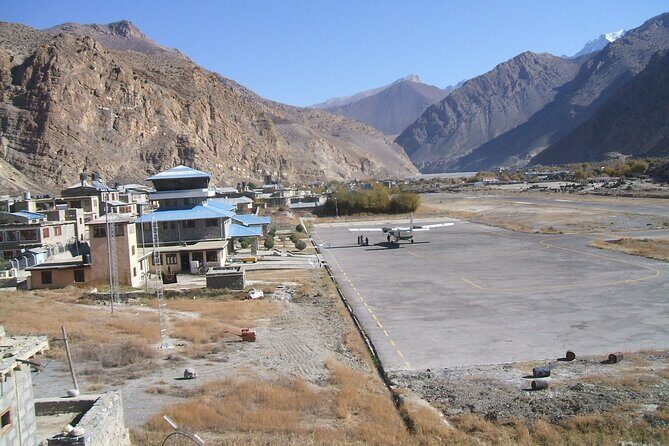
Jomsom is where your trip shifts from city sightseeing mode to mountain travel mode. The overnight in Jomsom also helps because you’re not trying to do a long back-and-forth all in one day.
The Muktinath visit is your spiritual center. With the permit included and the jeep transport arranged, you can focus on the darshan itself rather than logistics. Just respect the altitude and don’t treat it like a casual stroll.
Hotels, group size, and the human factor
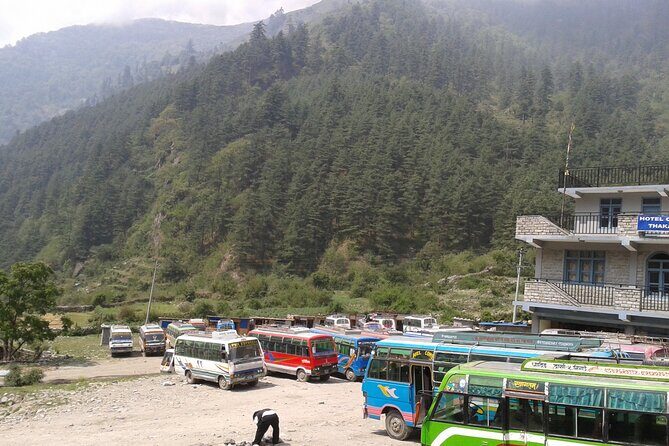
This package is for a maximum of 15 travelers. That’s big enough that you won’t feel isolated, but small enough that your group coordination usually stays manageable.
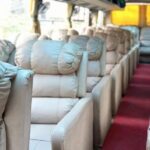
Accommodation is described as 3-star in Kathmandu and Pokhara, and you get a dinner on the Jomsom night. Based on the overall tone of prior service feedback, the ride comfort and driver support seem to be a big part of why people feel the trip was smooth. Having safe, comfortable transport matters on days with flights, early starts, and mountain roads.
Still, remember: you’re doing flights and a shared jeep segment. If you’re expecting luxury seating for every transfer, you might feel the contrast. The value is in the overall package, not in premium comfort on every road segment.
Who this tour suits best
This is a strong match if you:
- want a temple-focused Nepal trip without a multi-day trek
- prefer having flights and key transfers handled
- like mixing spiritual stops with a breather city like Pokhara
- want a manageable group size (up to 15)
- are okay with altitude at around 3,710m
It’s also a good option if you want to keep your schedule structured but still want some evening freedom in Kathmandu for shopping.
You might want to skip (or at least ask more questions first) if you:
- get very uncomfortable with altitude and slow walking at higher elevations
- need meals included beyond what’s specified
- strongly dislike transfers that involve flights and shared transport
Should you book the 6 Days Muktinath Tour?
If your goal is Muktinath with minimal stress, I’d say it’s worth considering. The big reasons are practical: flights to Jomsom, private transfers, permit included, and a plan that builds from Kathmandu to Pokhara to the high temple area without wasting time.
Before you commit, do two quick checks:
- Budget for extra costs like Kathmandu and Pokhara entrance tickets, plus Manakamana cable car if you ride.
- Be honest about altitude. The itinerary centers on Muktinath at ~3,710 meters, so plan to move gently and take it seriously.
If you want a faith-and-scenery Nepal trip that’s organized enough to feel easy while still feeling meaningful, this one fits the bill.
FAQ
Where does the tour start?
It starts at Tribhuvan Airport in Kathmandu, Nepal, with airport pickup included in a private vehicle.
How do you get to Muktinath from Pokhara?
You fly between Pokhara and Jomsom, then you travel from Jomsom to Muktinath and back by shared jeep.
Is the Muktinath permit included?
Yes. The Muktinath permit is included in the tour.
What meals are included?
Breakfast is included for 5 days. Dinner is included for the one night in Jomsom.
Are sightseeing entrance tickets included?
No. Sightseeing entrance ticket for Kathmandu and Pokhara are not included, unless specifically mentioned in the itinerary.
What’s the group size limit?
The tour has a maximum of 15 travelers.