REVIEW · KATHMANDU
Everest Base Camp Helicopter Tour Stop at Hotel Everest View.
Book on Viator →Operated by Welcome Nepal Treks P.ltd · Bookable on Viator
A helicopter ride to Everest Base Camp is the shortcut that still feels real. You’re up early in Kathmandu, then you get Himalayan flyovers, multiple landings, and about an hour at Hotel Everest View—all without the weeks of trekking.
What I love most is the time payoff and the care that goes into the flight layout. You’re not just getting a generic transfer to a viewpoint; you’re flying a planned route with multiple stops (including the fuel stop at Tenzing-Hillary Airport) and even a window-seat strategy for the Base Camp portion. One thing to consider: this is weather-driven, so your schedule can shift, and you’re asked to bring warm layers for real cold.
If you want Everest in a single day and you’re comfortable with early starts, this is a strong match. Just know the experience is short on the ground, and you’ll get your big moments mainly from the air.
In This Review
- Key things to know before you go
- Why the Hotel Everest View stop is such a smart use of limited time
- Your morning run-up: the 5:15am start and weather reality
- The flight route, translated into normal human language
- Stop 1 in the Kathmandu Valley: your first Everest-area flyover
- Stop 2: Tenzing-Hillary Airport fuel stop (and why it’s part of the magic)
- Stop 3: Pheriche window-seat strategy and the staged grouping
- The Khumjung and Hotel Everest View landing: the on-the-ground highlight
- Stop 5 return: back to Kathmandu with the Lukla vs direct decision
- Price and value: what $1,980 buys (and what it doesn’t)
- Safety, comfort, and the cold you actually have to plan for
- Who this helicopter stop suits best (and who should rethink it)
- The people side: what tends to make the day feel smooth
- Should you book this Everest Base Camp helicopter stop at Hotel Everest View?
- FAQ
- What time does the Everest Base Camp helicopter stop start?
- How long does the experience take?
- Do I get pickup and drop-off from my hotel?
- What aircraft model is used?
- Are there window-seat arrangements during the Base Camp part?
- Is breakfast at Hotel Everest View included?
- Are national park and municipality fees included?
- Is oxygen or emergency support included on the helicopter?
- What should I bring for the cold?
Key things to know before you go
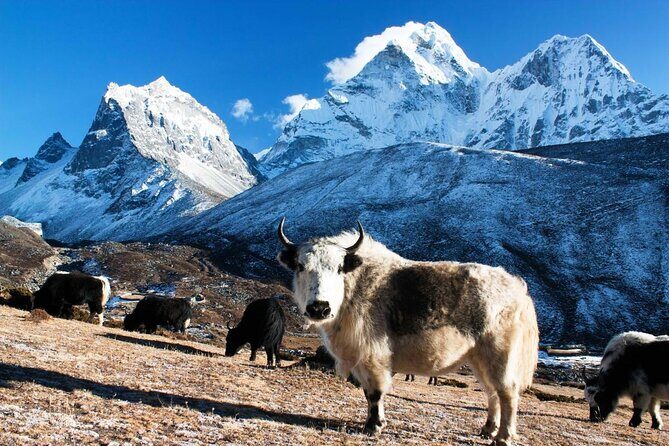
- Early start (5:15am): plan for a very early pickup and a flight that depends on conditions.
- Hotel Everest View landing: usually about an hour, with an optional set breakfast you can pre-budget for.
- Window-seat strategy at Pheriche: a split-group process can improve your chances of a side view.
- A real stop pattern: Kathmandu → fuel at Tenzing-Hillary → Pheriche → Khumjung/Hotel Everest View → return.
- Safety extras included: oxygen cylinder in the helicopter (in an emergency) and life insurance during the flight.
- High price, but price includes a lot: VAT, helicopter fuel surcharges, government taxes, and insurance are included—national park fees aren’t.
Why the Hotel Everest View stop is such a smart use of limited time
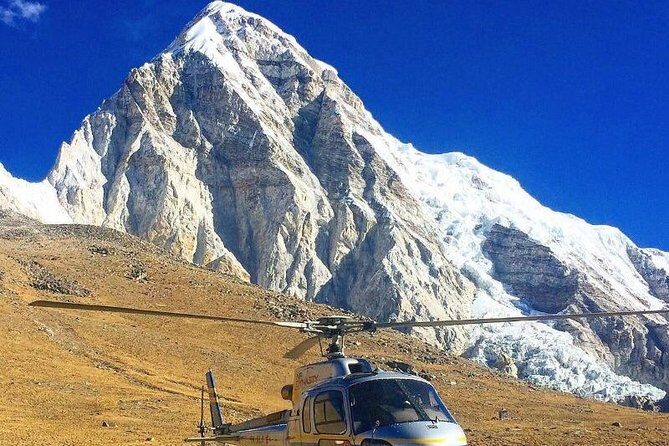
The hardest part of Everest is time. The full trek is incredible, but it’s also long, physical, and logistically demanding. This helicopter option is built for travelers who want the Everest area—views, scale, and the Base Camp feeling—without turning their vacation into a multi-week project.
The Hotel Everest View stop matters because it’s not just a quick circle around the mountains. You’re landing and spending time at a high-elevation hotel base point for photos and atmosphere. Even if your time on the ground is limited, having a scheduled land-and-wait block gives you breathing room to savor the moment rather than rushing straight through.
And the route structure is designed around what people actually care about: seeing the big peaks and Base Camp area from multiple angles, while still staying within a realistic half-day window.
You can also read our reviews of more tours and experiences in Kathmandu
Your morning run-up: the 5:15am start and weather reality
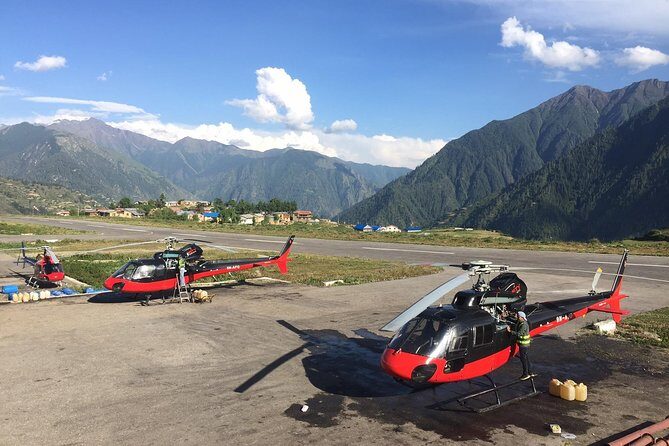
The tour begins around 5:15am. You’ll have round-trip pickup from your hotel by car, and then you’ll head to the airport for the helicopter portion. The big practical tip: treat this like a “first day in Nepal” kind of outing. When weather is good, you’ll fly. If it isn’t, your timing may shift, or the flight may not happen.
The itinerary’s timing is approximate (listed at about 4 to 6 hours total), and that tracks with how weather affects high mountain aviation. One of the most common reasons people talk about this tour as smooth is that the team works within conditions. You should expect that “nice day only” rule to be taken seriously.
Also plan for cold. Even if the helicopter is quick, you’re outside and moving at altitude. Warm layers aren’t optional here.
The flight route, translated into normal human language
Here’s the flow in plain terms, with what each segment is really doing for you:
- Fly out from Kathmandu by helicopter with a flyover of the Base Camp area’s highest viewpoint.
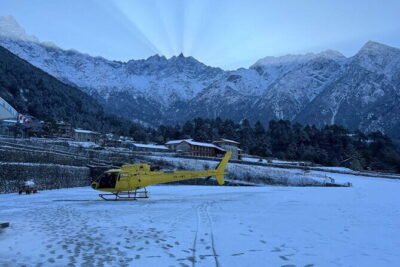
- Stop at Tenzing-Hillary Airport briefly for fuel (this is where trekkers typically start their Everest journey).
- Continue toward the Base Camp region, including a Pheriche stop where the group may be split in stages.
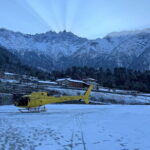
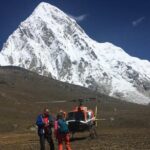
- Land at/near Khumjung and the Hotel Everest View area depending on weather. This is your longer “on the ground” moment.
- Return to Kathmandu by helicopter, with a routing decision based on fuel situation (the captain may fly via Lukla or more directly).
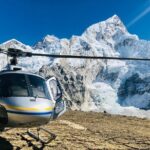
The aircraft model is listed as Airbus H125 (Eurocopter 350). That matters because comfort and stability are real factors when you’re trying to shoot photos through windows.
Stop 1 in the Kathmandu Valley: your first Everest-area flyover
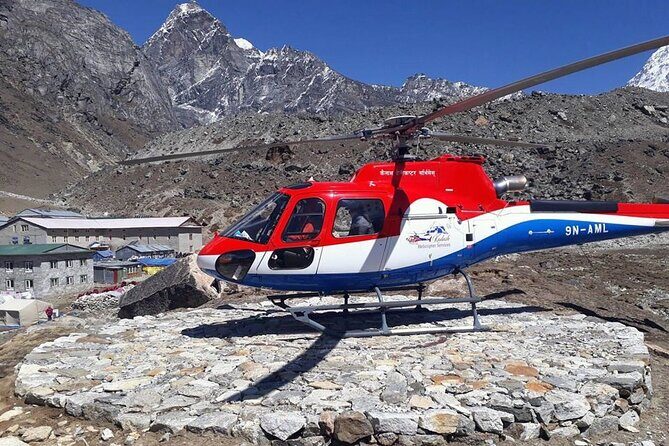
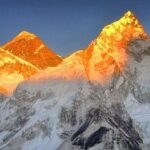
Your day starts at Kathmandu airport. The tour’s first big visual payoff is the flyover of the highest viewpoint of the Base Camp area. This is the moment when you see the terrain quickly and understand the scale—where ridges funnel the landscape and why Base Camp looks small on a map but massive in real life.
This is also when you’ll want to be ready to shoot early. Light can change fast, and you don’t get to pause and reset your camera once you’re airborne. If you’re the type who takes videos, this first flyover is the natural “setup” moment.
Practical note: you’ll be joining a group flight (sharing with other passengers and a pilot). That means your best photo angle can depend on seat location. If you care about window views, keep an eye on how the Pheriche stop plan is explained later.
Stop 2: Tenzing-Hillary Airport fuel stop (and why it’s part of the magic)
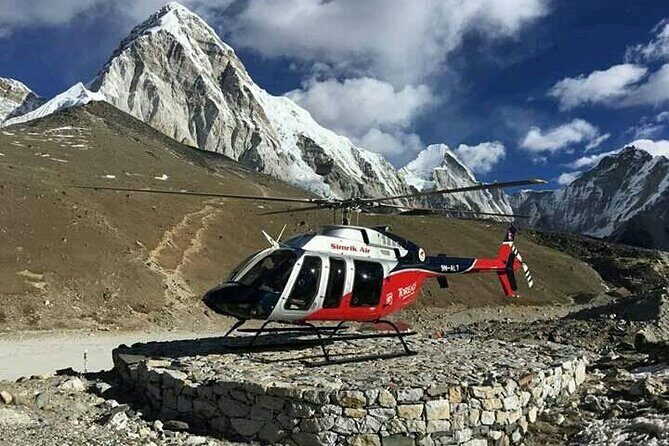
You’ll stop at Tenzing-Hillary Airport for about 10 minutes for fuel purposes. It doesn’t sound glamorous, but it’s an important link in the experience because it’s the airport used by trekkers starting the Everest Base Camp trek.
In other words, this short stop connects the helicopter fantasy to the real Everest logistics. And since it’s brief, it won’t drain your day.

Stop 3: Pheriche window-seat strategy and the staged grouping
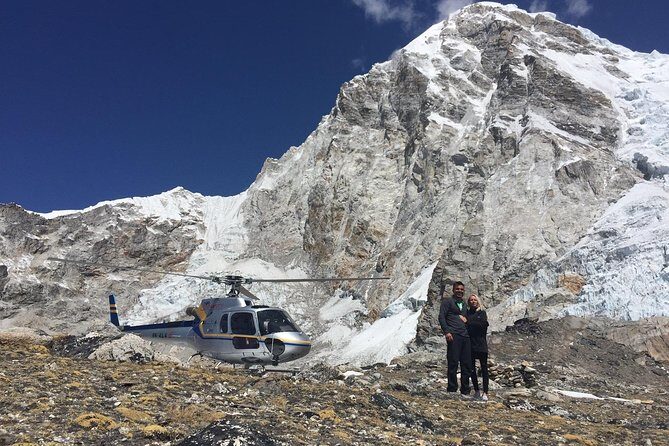
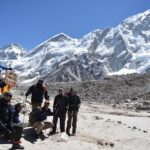
This is one of the more interesting operational details. Pheriche is described as an area where the group may be split if more passengers are flying together. The plan can work like this: two people go first, then three go next, so everyone can have a better chance at guaranteed window seats for the Base Camp part only.
The “why” is simple. Helicopter seating is limited, and visibility depends on your side of the cabin. If you’re going for photos or you get excited about seeing peaks through the window glass, this staged approach is a meaningful detail—not just a trivia point.
Drawback to consider: this stop is about 20 minutes, so your window-seat moment is still time-limited. The upside is that they’re trying to protect the portion you care about most.
The Khumjung and Hotel Everest View landing: the on-the-ground highlight
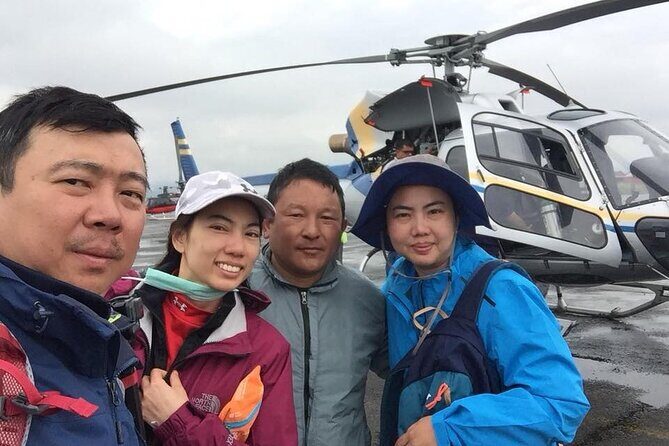
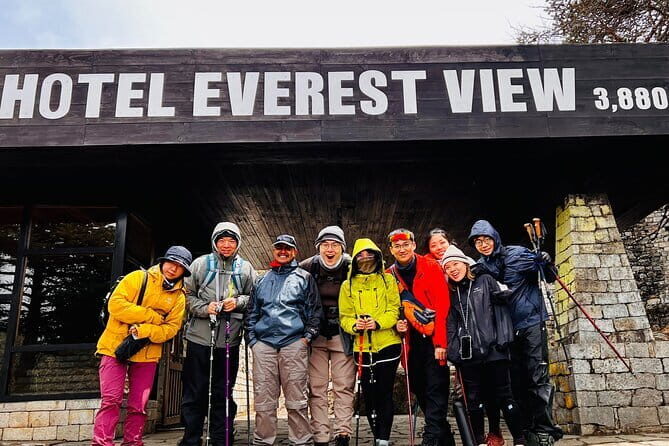
Your longer stop is at the Hotel Everest View, and it’s described as “subject to the weather.” Usually you’ll have about one hour here.
If the weather allows it, this is where the tour feels less like a drive-by. You can step away, look out, and take your time with photos. This stop also gives you a chance to manage yourself: warm up, check your gear, and settle into the altitude moment without being constantly in “airplane mode.”
There’s an optional set breakfast available at the hotel area for USD 31 per person, and it’s specifically noted as subject to weather. Bring that budget if you want the comfort factor. If you want the simplest plan, just plan your own snacks and hydration before you go and use the hotel stop as a view break.
Stop 5 return: back to Kathmandu with the Lukla vs direct decision
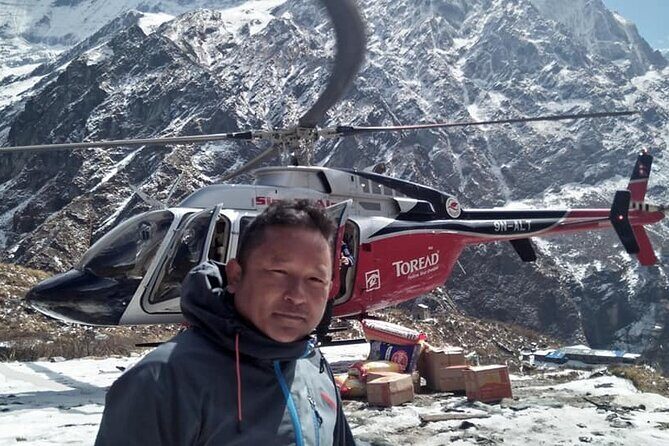
The return flight lands back at Hotel Everest View and then continues to Kathmandu, with the route possibly going via Lukla or more directly depending on fuel situation. The tour lists about one hour for this return portion.
What this means for you: your final views on the way back might vary. That’s normal in mountain flying. If the captain chooses a route that gives better conditions or fuel efficiency, you go with it.
I’d treat the return as part of the experience rather than a time to “count down.” You can still spot different angles of the peaks on the way back, especially if the light is changing.
Price and value: what $1,980 buys (and what it doesn’t)
The price is $1,980 per person, and the average booking lead time is about 120 days in advance. That tells you two things: (1) demand is steady for this kind of Everest shortcut, and (2) your best chance at getting the flight you want may come from booking early.
So what’s the value?
Included items include:
- Round-trip transfer pickup and drop by car
- Group helicopter sharing (listed as 5–6 passengers and a pilot)
- Multiple landing points and scenic viewpoints
- Landing at Hotel Everest View for about one hour
- VAT (13%) and helicopter fuel surcharges
- Oxygen cylinder in the helicopter in case of emergency
- Life insurance during a helicopter flight
- All government taxes and office service charge
Not included items:
- National park entrance fees and municipality entry fees: USD 50 / NPR 6000 per person, paid locally
- Optional breakfast at Hotel Everest View: USD 31 per person, subject to weather
When you compare this to paying for transport, guides, and park fees on your own, the big advantage is that this price is bundled around the helicopter and safety coverage. You’re paying for speed, time in the air, and the aircraft operation—then you add a local park fee on top.
If you’re budgeting, I’d plan on the hotel breakfast only if weather lines up, then plan separately for the local entrance fees.
Safety, comfort, and the cold you actually have to plan for
This tour is listed for travelers with moderate physical fitness, and there’s a hard practical limit: total passenger weight up to 221 lbs.
Comfort factors:
- You’ll be in a small group (maximum 15 travelers total on the overall experience, and helicopter sharing within that).
- You’re flying early, potentially in winter-like conditions.
- You’ll want warm layers for the altitude and wait times.
Cold-weather guidance is given in ranges:
- Bring warm dress for around -5°C in summer and -10°C in winter (noted for higher points only)
- Also listed: bring a warm jacket for -8°C in winter, 0°C in summer, and -2°C in spring
This is one of those “pack like you mean it” moments. Even if you don’t feel freezing immediately, wind and altitude can change how your body reacts quickly.
Safety inclusions you can rely on:
- An oxygen cylinder in the helicopter for emergencies
- Life insurance during the flight
Not all Everest experiences include that kind of built-in support, so I like that it’s explicitly included.
Who this helicopter stop suits best (and who should rethink it)
This is best for you if:
- You don’t have time for the full Everest Base Camp trek
- You want an experience that’s mostly about the views and the Base Camp area, not trail days
- You can handle an early start (around 5:15am) and the cold
- You like group logistics handled for you, with pickup and return transfers included
This is less ideal if:
- You’re traveling with a stroller (it’s not stroller accessible)
- You’re traveling with pets (it’s not suitable for pets)
- You’re very sensitive to weather-driven schedule changes
- You need long time on the ground (this is a flight-focused experience with only about one hour at the hotel stop)
If you’re traveling as a pair or small group, you’ll often get a better shot at window seating because the operation can be staged at Pheriche. If you’re traveling alone, you’ll still be grouped, but your final window view depends on how they allocate seats that day.
The people side: what tends to make the day feel smooth
The tour provider is listed as Welcome Nepal Treks P.ltd. In the experiences shared around this itinerary, certain names come up for making the process feel coordinated: Mr. Hari, Mr. Depandra, and Nawa.
I can’t guarantee who you’ll meet, but I do think it’s fair to say this tour is often praised for organization and responsiveness when weather and timing are in play. If you’re choosing a company for a helicopter day, that reliability matters as much as the scenery.
If you want that extra comfort, message ahead with your hotel name the day before the flight so pickup details are clear. It’s a small thing that reduces stress at 5am.
Should you book this Everest Base Camp helicopter stop at Hotel Everest View?
I’d book it if your priority is Everest views with a realistic schedule. The combination of a flyover-focused route, a mid-experience landing pattern, and a weather-dependent one-hour stop at Hotel Everest View is exactly the kind of “high impact, low time” plan that works for many first-time Nepal visitors.
I would pause before booking if:
- You’re traveling during a period when weather is inconsistent
- You hate early mornings and cold waits
- You want lots of time on the ground rather than time in the air
One more tie-breaker: the tour notes that if a flight can’t happen, you receive a full refund. And it’s also noted that the operator requires a minimum number of travelers to run the experience. If you can be flexible with dates and you book ahead, your odds improve.
If your goal is to see the Everest Base Camp area without the trek, this is one of the most direct ways to do it—just plan your gear for cold, accept the weather factor, and be ready for an early start that feels totally worth it once the peaks appear.
FAQ
What time does the Everest Base Camp helicopter stop start?
The start time is listed as 5:15am.
How long does the experience take?
The tour duration is listed as 4 to 6 hours (approx.).
Do I get pickup and drop-off from my hotel?
Yes. The included round-trip transfer is pickup from your hotel and drop back to your hotel after the flight by car.
What aircraft model is used?
The helicopter is listed as an Airbus H125 (Eurocopter 350).
Are there window-seat arrangements during the Base Camp part?
There is a described Pheriche window-seat strategy where passengers may be flown in stages to help ensure window seats for the Base Camp part only.
Is breakfast at Hotel Everest View included?
Breakfast is not included. There is an optional set breakfast for USD 31 per person, and it’s subject to weather. You may be asked to carry USD for it.
Are national park and municipality fees included?
No. National park and municipality entry fees are listed as USD 50 / NPR 6000 per person, paid locally.
Is oxygen or emergency support included on the helicopter?
Yes. An oxygen cylinder is included in the helicopter in case of emergency.
What should I bring for the cold?
You should bring a warm jacket/dress. The guidance lists ranges around -8°C in winter, 0°C in summer, and -2°C in spring, plus additional notes about colder temps on higher points.
If you want, tell me your travel month and whether you’re going solo or as a couple, and I’ll help you plan what to prioritize for seat comfort and photos on the day.