REVIEW · KATHMANDU
Pharping Asura Cave Meditation Tour
Book on Viator →Operated by Nepal Spiritual Trekking P Ltd · Bookable on Viator
Want a little silence with your sightseeing? This Pharping outing pairs a guided hike past Buddhist temples with time at the Asura Cave, linked to an 8th-century master. I love that it’s led by a private guide who talks you through Buddhist etiquette as you go, and I also love the door-to-door private transfers that keep the day from feeling like a chore. One thing to consider: it’s a hike, so wear proper shoes and be honest about your fitness level.
The best part is the pace. You’re not rushing through holy places like a checklist. You’re walking slowly enough to notice how faith shows up in small details, then settling into the cave meditation mood once you’re there.
In This Review
- Key things to know
- Pharping’s meditation vibe: why this hike feels different
- From pickup to first calm: how the half-day timeline works
- The hike through monasteries and temples: where your guide earns their pay
- Asura Cave and the tradition of Rinpoche peace
- Private transfers and small groups: comfort that doesn’t dull the experience
- Price and value: what $60 actually buys you
- Who this tour suits best (and who should skip it)
- The guides behind the scenes: why people keep praising Bijaya
- Tips to get the most out of your Asura Cave meditation day
- Should you book the Pharping Asura Cave Meditation Tour?
- FAQ
- How long is the Pharping Asura Cave Meditation Tour?
- What does the tour cost?
- Do I get pickup from Kathmandu?
- Is the tour private?
- Are walking poles included?
- Is admission included?
- What about food and drinks?
- What is the fitness level needed?
- What group size should I expect?
- Is there a minimum age?
- What is the cancellation window?
Key things to know
- Private guide focus on manners and meaning, not just walking you from A to B
- Asura Cave is the main event, tied to peace and meditation traditions
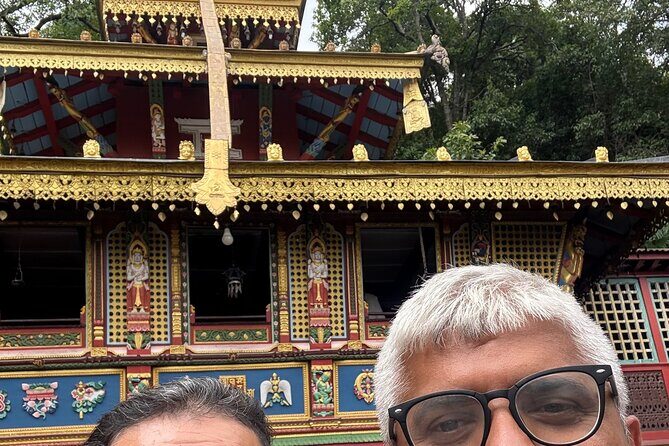
- Hike past monasteries and temples in Pharping, Nepal’s meditation retreat area
- Walking poles are included, which helps on uneven ground
- Small group size limits noise, with a cap of 10 per booking (and an overall max of 14)
Pharping’s meditation vibe: why this hike feels different
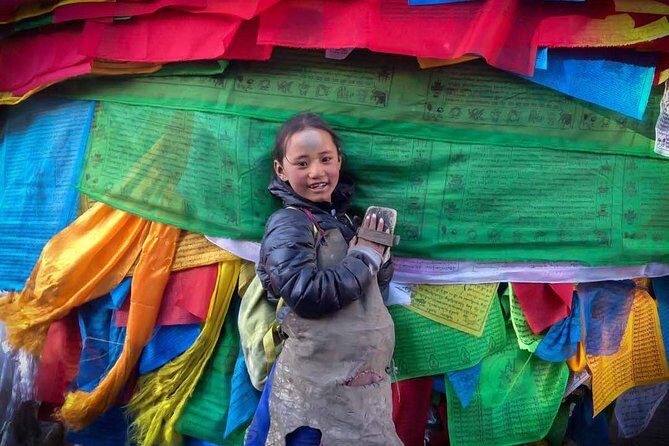
Pharping has a reputation for quiet practice, and you feel it the moment you start moving through the area. This is not the kind of place where you only look at monuments. You’re walking among active Buddhist spaces where people come to pray and meditate, and your guide helps you do it respectfully.
What makes this tour work is the combination of setting and instruction. You’re heading toward the Asura Cave, but along the way you’re also building context: what you’re seeing, why it matters, and how to behave in sacred areas without turning it into a photo shoot. That guidance is the difference between a casual walk and a genuinely calming experience.
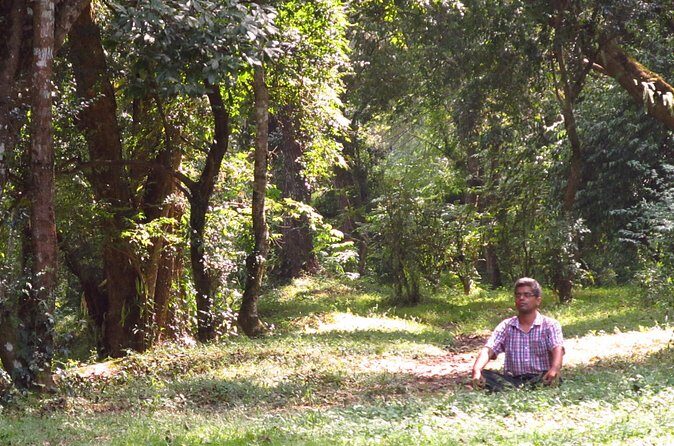
The cave itself is the payoff. It’s associated with Rinpoche, an 8th-century Buddhist master who is said to have found peace there. Even if you’re not chasing spiritual meaning, the setting pulls your brain toward slower breathing. The climb helps too. Your body does the work, your mind gets the chance.
You can also read our reviews of more tours and experiences in Kathmandu.
From pickup to first calm: how the half-day timeline works
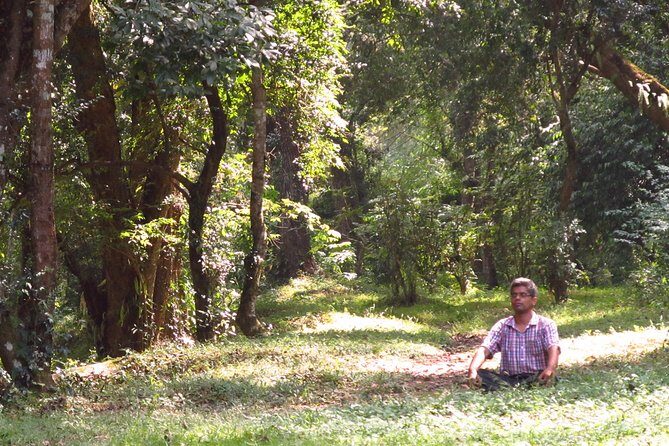
The total time runs about 4 to 6 hours, and the structure is simple: meet up, begin with a meditation/prayer-style start, hike toward the cave, then finish back at your pickup point.
Early on, you meet with Nepal Spiritual Trekking Pvt. Ltd. for about 1 hour 20 minutes of meditation, prayer, and sightseeing time. Think of this as your warm-up, mentally and practically. It helps you shift gears before you start climbing and gives your guide a chance to set expectations on etiquette.
Then the day transitions into walking. You’ll hike through Pharping and pass monasteries and temples, with your private guide explaining what you’re looking at and how religious practice works in this area. There’s enough time to take your photos, ask questions, and still feel like you’re present.
Finally, you reach the Asura Cave and spend time there in the meditation spirit of the place. The tour ends back at the meeting point with round-trip private transport. The schedule is built to keep the day from stretching into an all-day ordeal.
Practical note: the itinerary shows that admission tickets aren’t included. So even though the hike and guide are covered, you should budget for any required entry fee you’re asked to pay on-site.
The hike through monasteries and temples: where your guide earns their pay
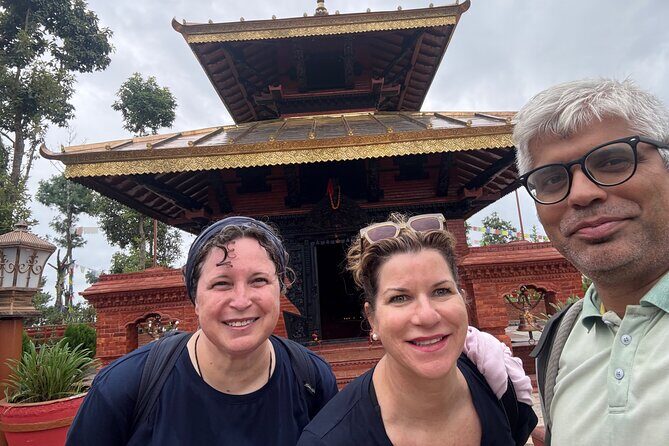
The route is the heart of the experience, because it’s not just scenery. Your guide helps you understand what you’re walking past: monasteries, temples, prayer spaces, and the everyday religious rhythm of Pharping.
Here’s what you should pay attention to:
- When you enter sacred areas, you slow down and follow your guide’s cues. The goal is respectful behavior, not rule-following theater.
- When people are praying or practicing, you give them space. Quiet moments are part of the atmosphere here.
- When your guide explains the significance of what you’re seeing, you’ll catch details you’d miss on your own.
This is also where a private guide matters. You can ask questions in real time instead of wondering what you should care about. And you can move at a pace that fits you—slower if you want to absorb the setting, quicker if you’re just keeping your legs from protesting too loudly.
On the physical side, the tour includes walking poles. That’s not fluff. The ground around temple areas and cave paths can be uneven, and poles make a difference if you’re balancing on stone and dirt.
Asura Cave and the tradition of Rinpoche peace
The reason you came is the Asura Cave. The story attached to it is powerful: it’s connected to the 8th-century Buddhist master Rinpoche, who is associated with finding peace there. Your guide’s job is to connect that story to what you’re experiencing in the cave setting.
What to expect once you’re there is more about mood than marching through stops. Even if you’re not doing a formal meditation session, you’ll likely notice the silence and the way people hold themselves differently inside. Your guide will also provide etiquette guidance, so you don’t accidentally do the wrong thing in a sacred space.
If you like meaningful travel, this is the part where the tour earns its spiritual name. You’re not just hearing facts. You’re landing in the place those ideas come from.
A small but important consideration: caves can feel cooler and dimmer, and your attention may narrow as you settle. Bring a layer if you run cold easily, and expect that your phone camera might not be your best tool here.
Private transfers and small groups: comfort that doesn’t dull the experience
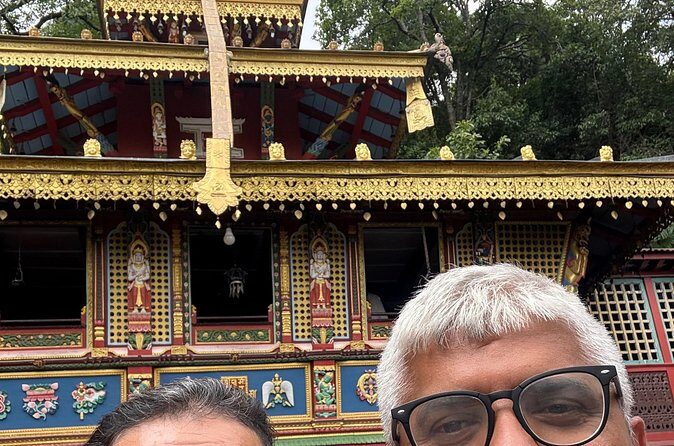
One of the standout practical advantages is the door-to-door round-trip private transfers. In Kathmandu, travel time can turn into a stress tax fast. Having a private vehicle means you start your hike without the usual scramble, and you end without wondering how you’ll get back.
This tour also stays in the small-group world. It lists a maximum of 10 people per booking, with an overall cap up to 14. For an experience tied to meditation and etiquette, smaller numbers help. Less noise. Easier focus. Your guide can actually watch you—figuratively and literally—so you’re not lost or left behind.
Also, this is a hike, not a bus tour. When you’re walking among temples and cave entrances, you want some breathing room. The private setup helps with that.

Price and value: what $60 actually buys you
The tour costs $60 and runs half a day. That price includes:
- private transport (hotel pickup and drop-off)
- a hiking guide
- walking poles
- all government taxes
- pickup and mobile ticket
That’s a lot of logistics bundled into one fee. You’re not paying extra to solve transportation. You’re not paying a guide rate separately. And poles are included, which is a small cost if you were to rent them elsewhere.
What’s not included: food and drinks and admission tickets. So your real budget is the $60 plus whatever you need for meals/snacks and any entry fees asked on-site. If you’re the type who gets hungry during walks (fair), plan for it. If you forget, your day can feel rushed and irritated instead of peaceful.
My value take: this is good value if you care about the guide’s interpretation and you’d otherwise struggle with the transport puzzle from Kathmandu. If you want a cheap self-guided hike with no etiquette coaching and no structured start, then $60 may feel like overkill. But if you want a calmer day with someone who knows how to handle the sacred parts correctly, it’s a fair deal.
Who this tour suits best (and who should skip it)
This is a great fit if you:
- want Buddhist context and etiquette guidance, not just hiking
- prefer private comfort and door-to-door transport
- enjoy slower, reflective travel where the setting matters
You should think twice if you:
- have trouble with moderate walking and uneven paths
- want a fully packed day with lots of scheduled sights beyond one main cave visit
The tour notes a moderate physical fitness level, a minimum age of 5 years, and it’s designed for people who can handle a hike. If you’re bringing kids, you’ll want to judge whether the cave and temple paths match their attention span.
The guides behind the scenes: why people keep praising Bijaya
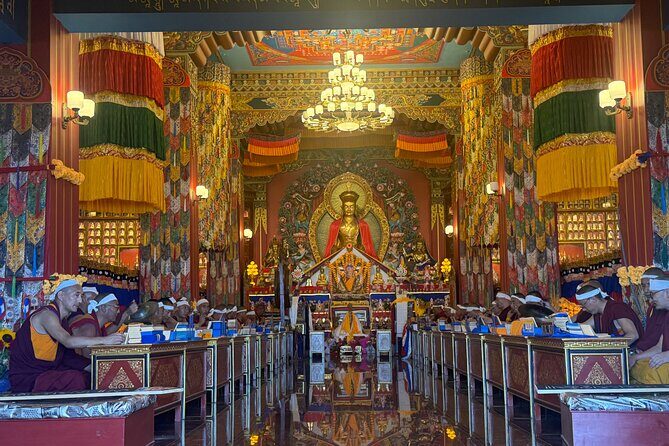
One reason this tour’s style seems to land well is the human side. In the feedback you’ll see repeat praise for Bijaya as a guide—kind, helpful, and able to turn a basic day trip into something that feels meaningful. People also mention Raj and Sapana as part of the same orbit of service.
Beyond manners, the praise points to organization. Several comments describe the team as responsive and able to handle multiple trip types across Nepal—everything from smaller spiritual day outings to bigger adventures. That matters even if you’re only booking this half-day, because it suggests you’ll get clear communication and real help if your plans shift.
If you value the guide’s voice—story, guidance, and how to behave—this is the kind of tour where the guide really does change the day.
Tips to get the most out of your Asura Cave meditation day
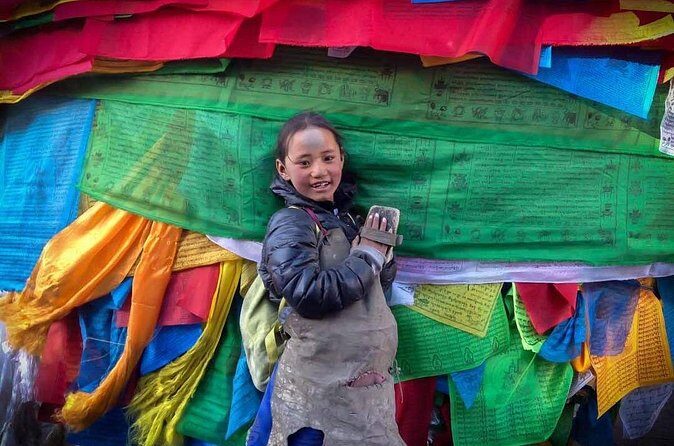
These are practical, and they’ll make your day smoother:
- Wear shoes with grip. Cave paths and temple stairs can be slippery or uneven.
- Bring water. Food and drinks are not included, and you’ll feel better with something to sip.
- Dress respectfully for temple areas. You’ll be moving in and around sacred spaces.
- Keep your expectations flexible. The point isn’t speed. The point is pace and etiquette.
- If you’re sensitive to cold, pack a light layer for the cave.
And one small mindset tip: don’t treat the cave visit like a trophy. Let it be a pause. Even a short one.
Should you book the Pharping Asura Cave Meditation Tour?
I’d book this if you want a private, guided Buddhist meditation day that’s built around one meaningful destination: Asura Cave, reached through a slow hike past monasteries and temples in Pharping. The door-to-door private transfers and included walking poles make it easier than doing it on your own, and the guide’s etiquette coaching is a big part of the value.
Skip it if you’re chasing a packed sightseeing day with lots of stops, or if moderate walking is a no-go for you. Also remember to budget for food and drinks and any admission tickets that come up.
If you want quiet, guidance, and a real sense of place without the Kathmandu hassle, this one is worth your time.
FAQ
How long is the Pharping Asura Cave Meditation Tour?
It runs about 4 to 6 hours.
What does the tour cost?
The price is $60.
Do I get pickup from Kathmandu?
Yes. Hotel pickup and drop-off are included, and pickup is offered.
Is the tour private?
It includes private vehicle transport and a hiking guide, and it’s described as a private half-day meditation tour.
Are walking poles included?
Yes, walking poles are included.
Is admission included?
No. Admission ticket is not included.
What about food and drinks?
Food and drinks aren’t included, and you should plan accordingly.
What is the fitness level needed?
The tour is for people with a moderate physical fitness level.
What group size should I expect?
The tour lists a minimum of 2 people per booking and a maximum of 10 people per booking. It also states a maximum of 14 travelers for this activity.
Is there a minimum age?
Yes, the minimum age is 5 years.
What is the cancellation window?
Free cancellation is available up to 24 hours in advance for a full refund.