REVIEW · KATHMANDU
Annapurna Base Camp Trek 12 Days
Book on Viator →Operated by Nepal Nirvana Trails · Bookable on Viator
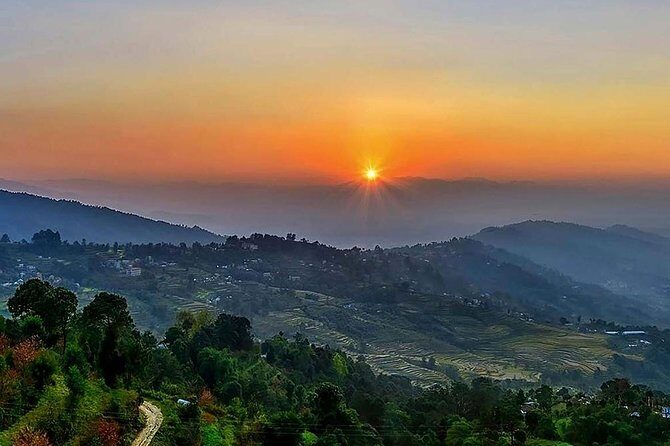
A trek to Annapurna Base Camp is always a gamble. This one’s built to reduce the chaos. You’ll follow a well-traveled route with a professional team, guided pacing, and sunrise moments like Poon Hill and the big one at Annapurna Base Camp.
I especially like how practical this trip feels: airport and ground transport are handled, meals are included on the trail, and you get trekking map plus water purification tablets. The other big win for me is the human side—guides such as Bhairas Tamang and Prajil are described as careful with the group, adjusting pace when someone needs a breather, and keeping things smooth when weather or energy gets tricky.
One consideration: high-mountain trekking is still high-mountain trekking. Mornings are early and cold, and the best dawn views depend on clear skies—so you’ll want to pack for chilly starts and accept that clouds can steal the show.
In This Review
- Key reasons this Annapurna Base Camp trek works
- The “safety first” backbone: guides, permits, and fewer unknowns
- Kathmandu start: airport pickup and a calm landing (Day 1)
- Kathmandu to Pokhara by bus: a budget-friendly transfer that keeps the momentum (Day 2–3)
- Day-by-day hiking feel: what each stage is really doing for you
- Day 4: first mountain morning, then sunrise magic (and local noise)
- Day 5: Poon Hill early hike for the classic wide-peak moment
- Day 6: downhill ease to Sinuwa, then Chhomrong arrives
- Day 7: climb back up toward Deurali via Bamboo
- Day 8: the day you earn Annapurna Base Camp
- Day 9: dawn at ABC (only if the sky cooperates), then a rugged return
- Day 10: Siwai and Chhomrong again—finishing strong, not rushed
- Day 11: back to Pokhara, then Kathmandu with free time
- Day 12: the trek ends, then you fly onward
- Price and logistics: why $800 can be a smart value here
- Packing and pacing tips you can use on Day 4 onward
- Who this Annapurna Base Camp trek fits best
- Should you book Nepal Nirvana Trails for Annapurna Base Camp?
Key reasons this Annapurna Base Camp trek works
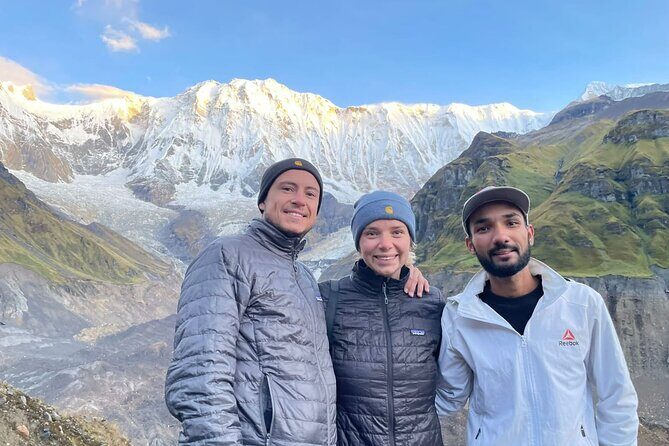
- Experienced route planning: the team maps the Annapurna Base Camp route again and again, so you spend less time guessing.
- Sunrise-focused rhythm: Poon Hill and a possible dawn at ABC shape the day flow early on.
- Permits handled for you: ACAP, TIMS, and local permits are included.
- Fuel on the trail: breakfast, lunch, dinner (plus tea/coffee) are built into the itinerary days.
- Water and maps provided: trekking map plus water purification tablets mean fewer last-minute problems.
- Private/group-only setup: it’s listed as private so your group stays together.
The “safety first” backbone: guides, permits, and fewer unknowns
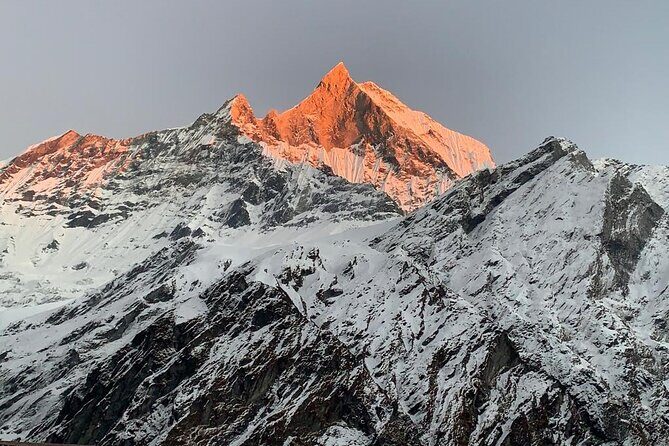
The main reason I’m optimistic about this Annapurna Base Camp trek is that it tackles the stuff that usually creates stress before you even hike. You’re not left to figure out permits, timings, or the basic trail logistics. The package includes applicable permits and fees—ACAP, TIMS, and local permits—plus an experienced guide.
That matters because in Nepal, trekking isn’t just about walking. Paperwork, entry points, and daily logistics are part of the trip. Getting that handled gives you more bandwidth for the real job: hiking smart, eating well, and watching how your body responds to altitude.
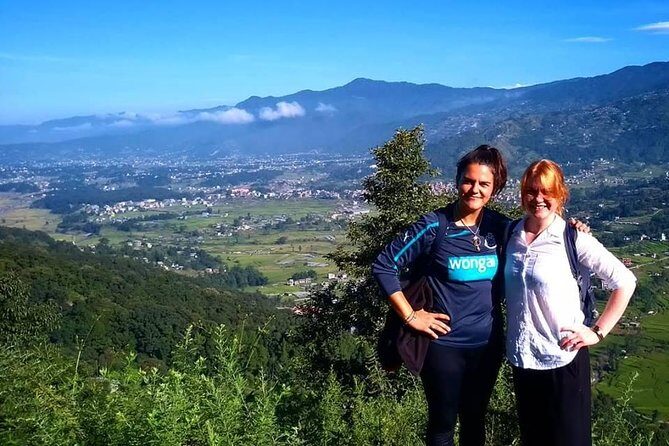
Guides can also make or break the feel of a trek. Names that come up in the guide experience include Bhairas Tamang, Prajil, and Somnath Tripathi, and the pattern is consistent: pacing is adjusted, people feel safe, and the guide is responsive when someone needs help (whether that’s keeping you on track or dealing with day-to-day hiccups like energy dips or small plan changes). I like that the service isn’t described as robotic—it’s practical and people-focused.
Still, I want to be honest about altitude. This is a high route, so even with a great guide, you should expect a “slow down and listen” kind of day. If you’re the type who hates delays, ABC will teach you humility.
You can also read our reviews of more hiking tours in Kathmandu
Kathmandu start: airport pickup and a calm landing (Day 1)
Your trip begins in Kathmandu. You’ll meet the team at Tribhuvan International Airport on arrival day, then get escorted to your hotel. The plan gives you a bit of breathing room—half a day to rest and prepare for trekking.
This first day is underrated. Kathmandu can be loud, busy, and chaotic, and you don’t want that energy draining you before the trek starts. A smoother first night also sets you up for the early start that comes right away on Day 2.
There’s also a nice practical touch: your tour includes airport transfer services arrival/departure. That removes the classic I-just-arrived-and-I’m-lost problem.
Kathmandu to Pokhara by bus: a budget-friendly transfer that keeps the momentum (Day 2–3)
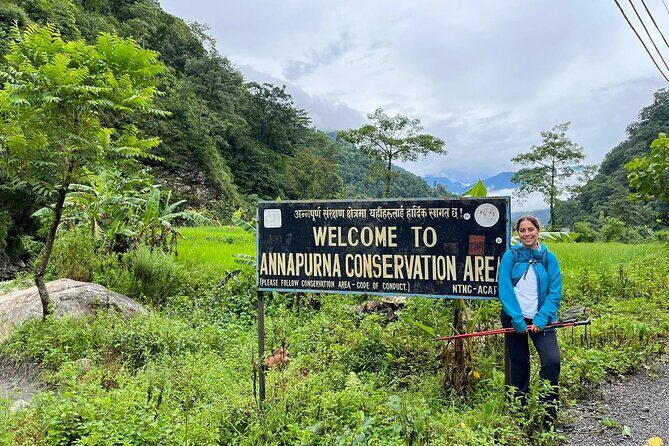
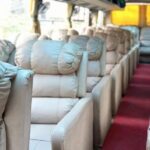
After resting, you’re up early on Day 2. The guide meets you at your hotel at 6:30 am. You’ll walk to Sorakhutte tourist bus station, catch the bus at 7:00 am, and drive to Malekhu.
Then on Day 3 you head to Pokhara first for breakfast, and from there the guide arranges a car or taxi to the bus park. You’ll take a sharing local bus or jeep toward Nayapul—the trekking starting area.
Why this matters: transferring by scheduled transport keeps costs down and keeps things structured. You’re not spending your first hiking hours stuck in private van negotiations or trying to find the right connection. The route also gets you into position to start walking without long idle time.
One thing to expect: local transport can be busy and a bit bumpy. You’re going to feel it in your legs. Bring patience, and hydrate early, because tomorrow your body will be paying attention to every step.
Day-by-day hiking feel: what each stage is really doing for you
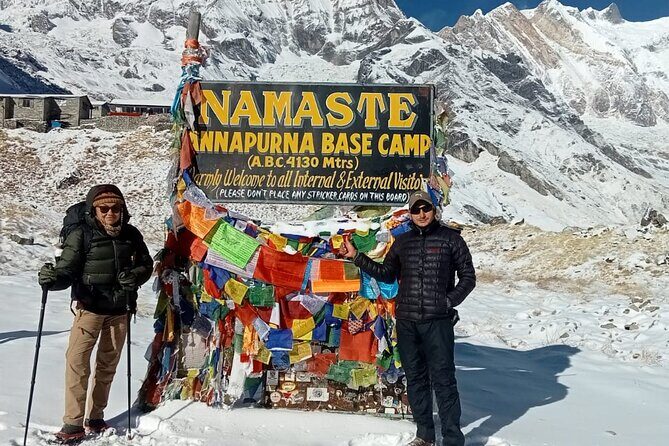
Day 4: first mountain morning, then sunrise magic (and local noise)
Day 4 is your first real mountain wake-up. You’ll start with a sunrise-view vibe, with breakfast timed around the early light. Even before the big scenery hits, you’ll notice the sounds of the hills—donkeys, goats, hens, dogs. It’s charming in a “this is real life” kind of way, and it also tells you you’re in the mountain rhythm now.
What’s special here is the gradual mental shift. You’re not just traveling; you’re adapting. The route introduces the Himalayan mood: cool air, early mornings, and constant visual payoff when you pause.
Potential drawback: mornings can be chilly even when the sky looks promising. Bring layers you can handle while standing around waiting for light.

Day 5: Poon Hill early hike for the classic wide-peak moment
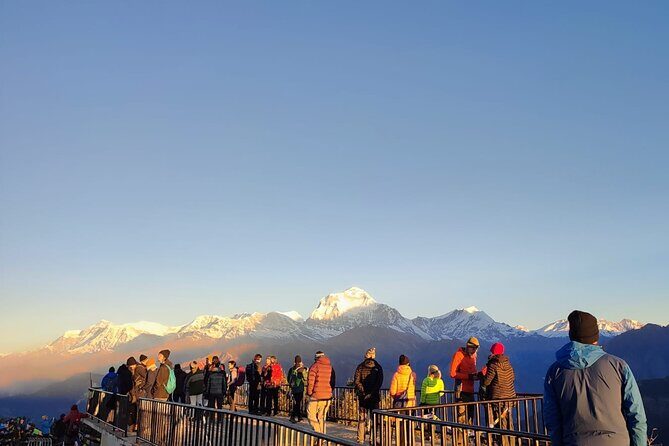
Day 5 is all about Poon Hill. You’ll hike 45 minutes to 1 hour to reach the viewpoint early enough for sunrise. The payoff is the reason people love this stop: you can see a long chain of major Himalayas—18 countable peaks is specifically part of what you’re aiming for.
This is one of those days where the effort is short but the reward is loud. It’s also a good “training day” psychologically. You’re not doing a huge trekking grind yet, but you’re getting used to cold starts, quick uphill efforts, and enjoying views without losing your pacing.
Bring a practical mindset: if you rush your breathing trying to beat the cold or other hikers, you’ll feel it later. Keep it steady.
Day 6: downhill ease to Sinuwa, then Chhomrong arrives
Day 6 is described as enjoyable and easy because it’s downhill to Sinuwa. You’ll say goodbye to Tadapani and ramble into the village of Sinuwa, with views of the Modi and Chhomrong Khola areas. Then you arrive in Chhomrong, and the day ends with that classic sense of being in a real trekking settlement rather than a scenic postcard.
This day is a useful “balance” moment. Downhill can feel easier, but it can also be rough on knees if you overstride. I’d keep steps short and controlled here.
Day 7: climb back up toward Deurali via Bamboo
Day 7 starts with Sinuwa again for sunrise. Then after breakfast you start climbing toward Deurali. The climb takes about 1.5 hours to reach Bamboo, and from there you come closer to Deurali.
This is where you really start to feel the trekking profile of ABC. You’re not just walking through villages—you’re gaining altitude in a way that changes temperature and breathing. It’s also a day that tests gear: layers, gloves, and a windproof outer shell matter more than you think.
Day 8: the day you earn Annapurna Base Camp
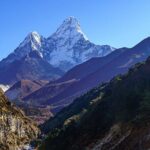
Day 8 is your “ultimate destination” day. You trek toward Annapurna Base Camp, passing by Machhapuchhre Base Camp along the way.
This kind of approach has a built-in rhythm: you move from valley views to increasingly dramatic mountain walls. By the time you’re close to base camp, you’re not just seeing peaks—you’re surrounded by them. That’s the real shift that makes ABC feel different from ordinary hikes.
One more practical note: this day can feel long even if the distance isn’t extreme because your attention is constantly on the scenery. Build in energy management—eat at breaks, drink water steadily (using the purification support provided), and don’t save all your hunger for the end.
Day 9: dawn at ABC (only if the sky cooperates), then a rugged return
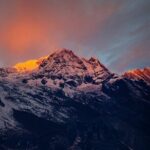
Day 9 includes a possible dawn moment at Annapurna Base Camp if weather is clean and clear. If the sky clears, you get the kind of quiet early-light payoff most people remember for years.
After breakfast you head back to Sinuwa along rugged trails and through sparsely forested areas. The return isn’t just repetition—it’s a different physical challenge. Going down can be awkward on legs even when the views are still fantastic.
This is also where a good guide earns their keep. If you’re tired, you want someone who keeps you moving without bullying you.
Day 10: Siwai and Chhomrong again—finishing strong, not rushed
Day 10 focuses on finishing the trek: about two hours to reach Siwai from Sinuwa. Then you ascend to Chhomrong, taking in mountains, cascades, and farmed landscapes.
This is one of those days where you might feel both relief and fatigue at once. You’re close to the end, but your legs may still have “trek debt.” Keep your effort controlled and let the guide’s pacing do its job.
Day 11: back to Pokhara, then Kathmandu with free time
After breakfast on Day 11, you wave goodbye to Pokhara and head to Kathmandu. Once you arrive, you get free time to relax or shop.
That free time is valuable. After days of hiking and structured meals, your brain deserves normal-life choices: slow coffee, buying small gifts, or just sitting without calculating your next step.
You also have a goodbye dinner in the evening.
Day 12: the trek ends, then you fly onward
On the last day you’re in Kathmandu for the end of the trek experience. Your team drops you at the airport for your next flight.
This final handoff is part of why organized treks feel less stressful. When you’re tired, you don’t want to be troubleshooting transport at the worst possible moment.
Price and logistics: why $800 can be a smart value here
The price listed is $800 per person for about 12 days. For a trek of this length in Nepal, the big question is what you’re actually buying.
From what’s included, you’re getting:
- 11-night accommodations
- an experienced guide
- meals on the treks (breakfast, lunch, dinner) plus tea/coffee
- ground transportation Kathmandu–Pokhara–Kathmandu by tourist bus
- Pokhara to trek start point and trek end point to Pokhara by private vehicle service
- trekking map
- water purification drop/tablets
- all applicable permits and fees (including ACAP and TIMS)
- government tax/VAT
- airport transfer services arrival/departure
When all of that is bundled, the trek becomes less “DIY planning” and more “show up and hike.” That’s typically where you save money compared to trying to piece everything together at the last minute. You also reduce your risk of paying extra for missing items—like permits or transport gaps.
What’s not included (important for budgeting):
- international flights and the Nepal entry visa
- travel and health insurance covering emergency rescues/evacuations
- personal snacks, drinks, and things like beer/soft drinks/juice
- Wi‑Fi (if you were hoping for it)
- lunch and dinner in Kathmandu and Pokhara
- a trekking porter if you need one
- tips for your guide (expected)
So for $800, this is best viewed as paying for a mostly complete trekking package—then you handle flights, visa, and your personal spending. If that matches your travel style, the value is strong.
Packing and pacing tips you can use on Day 4 onward
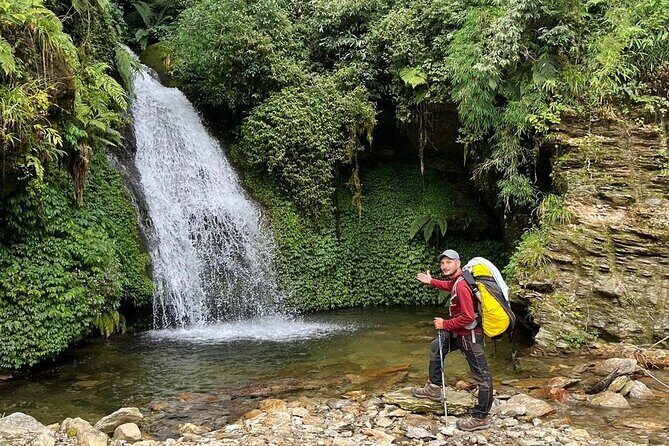
You’ll start early. You’ll hike in cold mornings. And you’ll spend time eating and resting at village tea houses where you’ll want to feel comfortable.
Here’s what I’d focus on based on the way the trek is described:
- Layers you can add/remove quickly for sunrise mornings and colder sections.
- Good grip shoes for downhill days (Day 6 and the return from ABC).
- A water plan: you’ll get purification tablets, which is great—still, carry enough capacity so you’re never stuck deciding on the fly.
- Warm items for early viewpoints (Poon Hill morning is chilly and early by design).
- Small comfort items for tea-time: the guide may help with snacks, but you’ll still want your own favorites.
Also, don’t ignore pace. The guides are described as adjusting when someone is tired, and that’s exactly what you should ask for if you feel off. Slow is not failure at altitude. Slow is survival.
Who this Annapurna Base Camp trek fits best
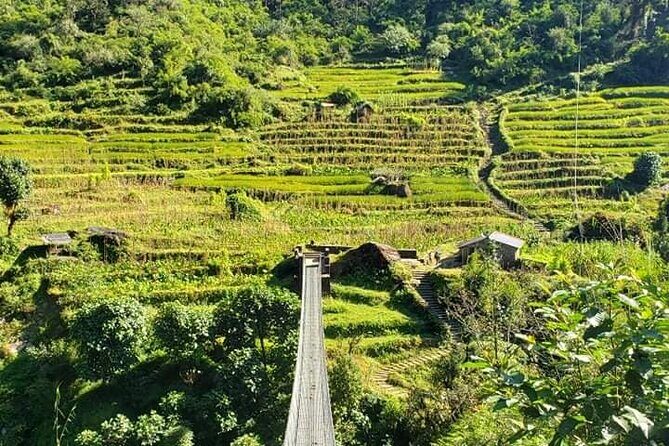
This trek is listed for travelers with moderate physical fitness. It’s a good choice if you want a classic ABC route with sunrise moments and you prefer a structured plan.
It’s also a solid fit if you value:
- feeling safe and supported with an experienced guide
- having permits and key logistics handled
- not having to plan daily meals and trail navigation
You might want to think twice if you:
- hate early mornings and cold waits for sunrise
- want maximum freedom to improvise routes day by day
- plan to bring lots of extra drinking/snacks (those are your responsibility and aren’t included)
Should you book Nepal Nirvana Trails for Annapurna Base Camp?
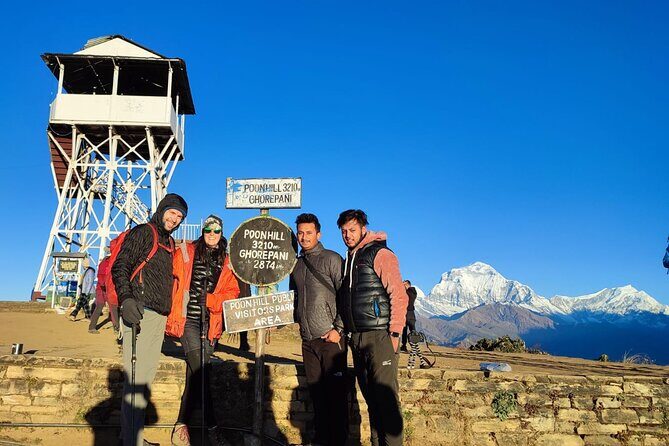
If you want a smooth, well-supported trekking experience—especially one that handles permits, transport legs, and trail meals—this looks like a smart book.
I’d recommend it when you value organization + guide care, and when you’re okay with the reality of mountain weather and early mornings. The guide examples you’ll hear in the trek experience—like Bhairas Tamang and Prajil—point to pacing that respects the group and attention to comfort.
My final advice: if ABC is on your Nepal checklist, book it with a clear idea of your own fitness and a packing plan for chilly mornings. If you do that, you’ll spend your energy where it belongs—on the trail and the views.