REVIEW · KATHMANDU
Annapurna Base Camp Trek
Book on Viator →Operated by Nepal Mountain Trekkers - Day Tours · Bookable on Viator
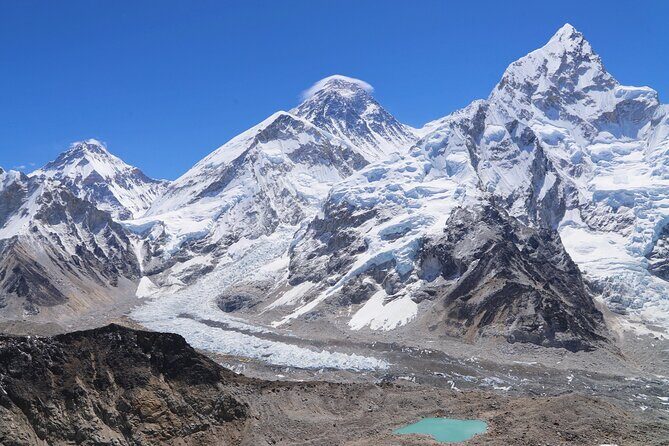
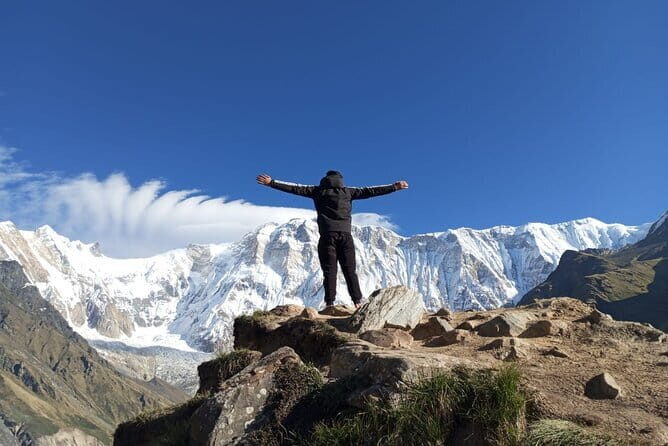
Annapurna Base Camp doesn’t do subtle. This short trek gives you a fast start from Kathmandu to Pokhara, then pushes you through rhododendron forests, Gurung villages, and up to Annapurna Base Camp at 4,130m with big-mountain views that feel like you’ve stepped behind a curtain.
Two things I like a lot here. First, the logistics are handled: airport pickup, Kathmandu and Pokhara hotels, and all trek meals and lodging lined up. Second, the timing makes the trek feel realistic: you reach the high point (ABC) after a run-up of acclimatization days, then you come back the same way with chances to enjoy the route again instead of sprinting.
One consideration: you’re still hiking long days at altitude, and the schedule includes steep sections and cool, thin-air conditions at the top. If you’re not comfortable with stairs, rocky paths, and slower walking, plan your pace carefully and don’t treat the “short” label as easy.
In This Review
- Key things that make this Annapurna trip work
- Landing in Kathmandu: pickup, Thamel base, and getting oriented fast
- Pokhara the next day: the 30-minute flight that saves your legs
- Day 3: Naya Pul to Jhinu Danda—river trekking and the first real reward
- Day 4: Chhomrong area, bamboo forests, and Siruwa—where the trail starts turning steeper
- Day 5: Dovan to Deurali—steeper air, thinner vegetation, bigger views
- Day 6: Machhapuchhare Base Camp to Annapurna Base Camp at 4,130m
- Day 7: Sunrise on the return—Bamboo again, and a reality check on the route
- Day 8: Retracing to Jhinu Danda—Sinuwa, Tilche, Chhomrong, Taulung, then hot springs
- Day 9: Down to Nayapul—Modi Khola valley steps and farms all the way to the end of trekking
- Day 10–11: Back to Kathmandu, Durbar Square time, and a smooth airport exit
- Value and included extras: what $906.67 really covers
- Who this Annapurna Base Camp short trek fits best
- Should you book this Annapurna Base Camp Short Trek?
- FAQ
- Where does the trek start and end?
- How long is the Annapurna Base Camp short trek?
- Is airport pickup and drop-off included?
- What lodging and meals are included?
- Are trekking permits included?
- Is there a porter, and how much can they carry?
- Do I need to bring a sleeping bag and down jacket?
- What is the maximum group size?
- What’s not included in the tour price?
- Can I get a full refund if I cancel?
Key things that make this Annapurna trip work
- Flight to Pokhara the next day keeps the first part efficient and helps you start the mountains without draining transfers
- Jhinu Danda natural hot springs give you a real reward after big trekking days
- Machhapuchhare Base Camp as the build-up point for the final push to Annapurna Base Camp
- 1 porter for 2 trekkers (max 30kg) means you carry less, especially uphill
- Sleeping bag and down jacket rental included helps you travel lighter (and warmer)
- Group size capped at 15 keeps things personal while still feeling like a team
Landing in Kathmandu: pickup, Thamel base, and getting oriented fast
Your trek starts in Kathmandu with an airport pickup from Tribhuvan International Airport, followed by a drive to your hotel. This matters more than it sounds. After immigration and travel fatigue, you want an easy first evening, not a stressful search for taxis or directions.
You stay at Hotel Green Horizon in the Thamel area, which is one of Kathmandu’s most useful bases for trekkers. Thamel is where you can quickly handle practical needs (like last-minute trekking items) without losing time. Even if you don’t plan to do much sightseeing the first day, being close to the action reduces friction.
Also: your tour includes a first-aid medical box. It’s not the same as having medical insurance, but it does signal that the operation is trying to be responsible in the mountains where small issues can matter.
You can also read our reviews of more hiking tours in Kathmandu
Pokhara the next day: the 30-minute flight that saves your legs
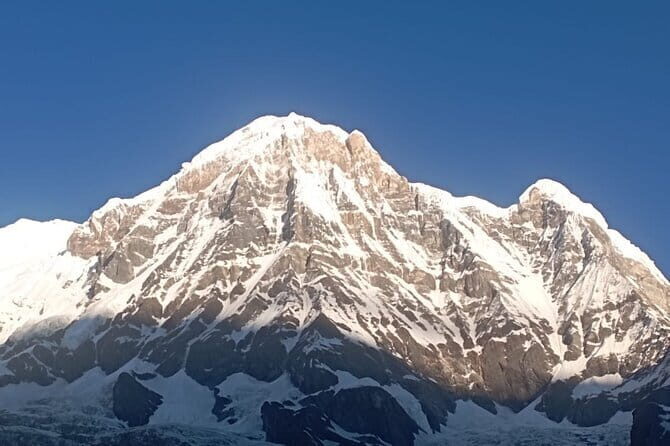
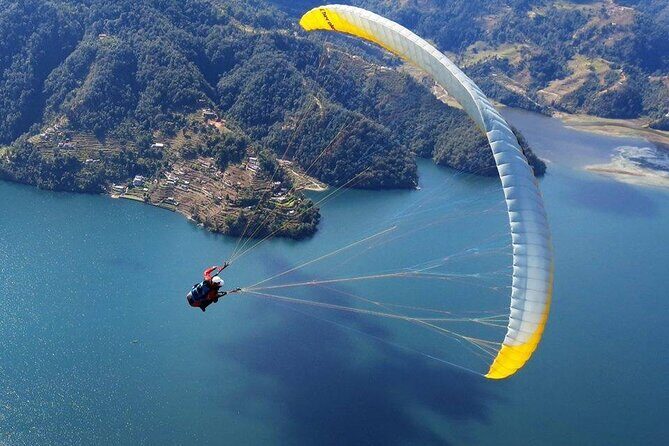
On day two, you meet your trekking guide and get your trek briefing in Thamel, then head to Pokhara. The key move: a scenic flight that cuts travel time dramatically. Instead of spending most of a day on roads, you’re in Pokhara sooner, with more energy for the start of the trek.
On the way, there are brief stops in Kathmandu Valley: a picnic/tourist hub stop and then a temple visit described as spiritually important, where people believe wishes can be fulfilled. If you’re the type who likes to understand Nepal beyond the trail, these quick pauses help you get cultural context without turning the day into a detour.
Once you arrive in Pokhara, you’re escorted to a hotel and given time to explore Lakeside. This is where Pokhara feels like a real place rather than just a trailhead. You can browse souvenirs, soak up lakeside atmosphere, and handle anything you forgot to pack for the high country.
Two practical tips from the way this trip is designed:
- Keep your energy for the trek. Lakeside can be tempting for late nights.
- Save bigger shopping for a moment you truly have time, since the next days get hiking-heavy.
Day 3: Naya Pul to Jhinu Danda—river trekking and the first real reward
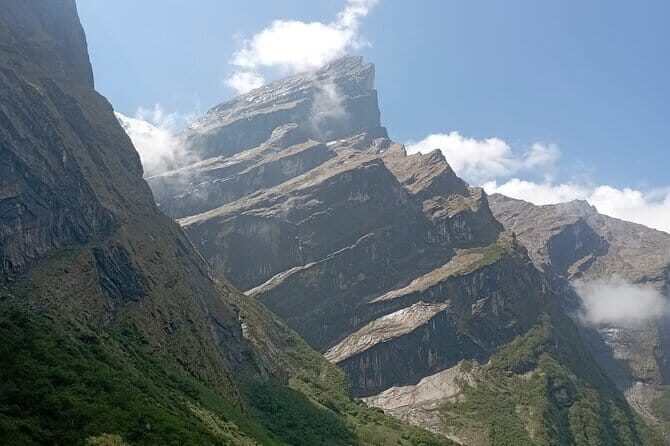
Day three starts with a short drive to Naya Pul, the typical launch point into the Annapurna region. From there, you trek toward Jhinu Danda along the Modi River area. The route is described as a gradual ascent past small settlements and stone steps near Tolga, with river scenery to your left and the trail bending toward Jhinu Danda.
One highlight here is the obvious one: you reach Jhinu Danda, where natural hot springs are at the base of the ridge. After trekking, it’s a simple, effective recovery tool. I like that this itinerary doesn’t wait until the end for the “relaxation payoff.”
What to watch for on this day:
- You’re building altitude and stamina while still learning the pace of the trail. Don’t treat it like a casual walk.
- The steps and uneven ground can tire your ankles fast. If your feet are sensitive, take care with shoe fit and lacing from the start.
At the end of the day, the trek design gives you that classic Annapurna feel: village life, river sounds, and then a payoff that feels earned.
Day 4: Chhomrong area, bamboo forests, and Siruwa—where the trail starts turning steeper
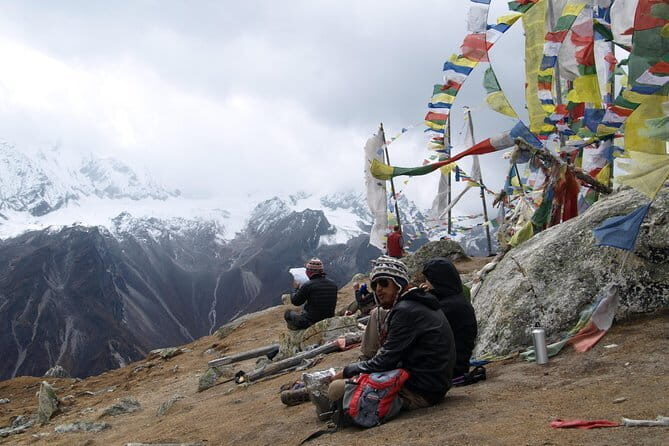
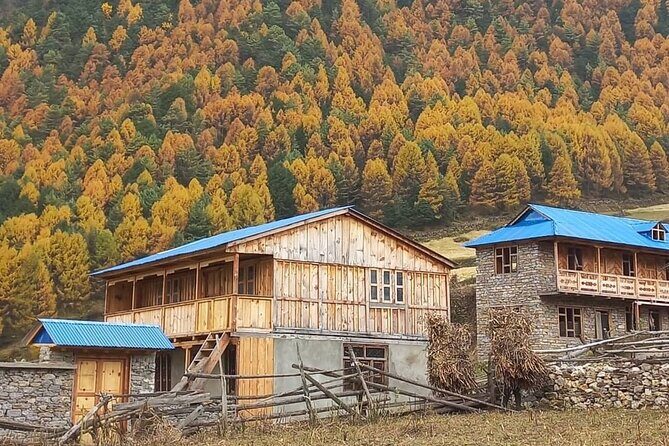
Day four moves you through the terrain between Jhinu Danda and higher villages. You begin with trekking through terraces, then tackle a steep section up to Chhomrong village. Expect a mix: stone staircase descents, ridge climbs above the Modi River, and continued village-to-village hiking.
From Chhomrong, the trail shifts into more plant-and-forest energy. You pass through bamboo forest and terraced fields, then onto Siruwa. The big mood change comes later on as you continue to Bamboo. The route is described as steep and focused, with rhododendron and bamboo forest sections that can feel like a corridor of green.
You also reach Kuldighar along the way, noted as once tied to a sheep breeding project. Little details like this are easy to miss when you’re tired, but they add depth: this is not just a hiking line, it’s a working region of communities and seasonal work.
Practical consideration: by day four, you’ll likely be feeling the day’s ups and downs in your legs. Good news is you’re not alone—your guide is there to manage pacing, and you’re still supported with lodging and meals.
Day 5: Dovan to Deurali—steeper air, thinner vegetation, bigger views
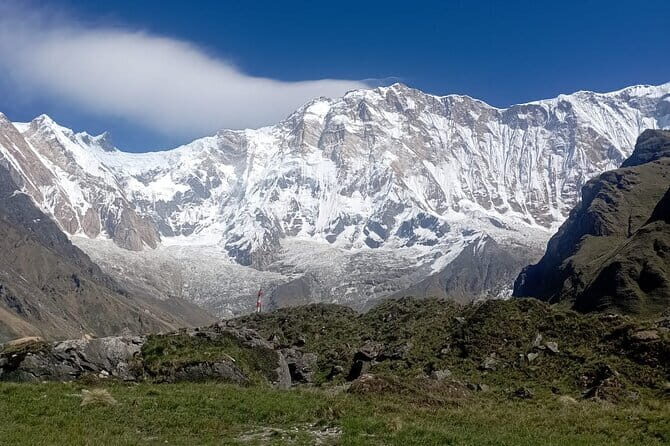
Day five is shorter in name but serious in effect. You start from Dovan after crossing a stream and moving through rhododendron and oak forest. The trail has gradual climb segments, then opens toward settlements like Dovan before you continue upward.
Next comes Deurali, reached after steep sections and waterfall crossings. The route is described as showing outstanding view lines of the Modi River and surrounding scenery. As you climb, vegetation becomes sparser and the ground becomes rockier, which usually means one thing: the altitude is starting to assert itself.
You pass locations like the Himaya hotel area and reach Deurali after trekking around 45 minutes from a point near a cave mention (the itinerary references Hinku cave visibility). Even without exact map-level detail, the takeaway is clear: you’ll be moving into a more rugged, higher-elevation feel.
A simple rule for days like this: if your breathing changes, slow down. There’s no prize for forcing speed at this point.

Day 6: Machhapuchhare Base Camp to Annapurna Base Camp at 4,130m
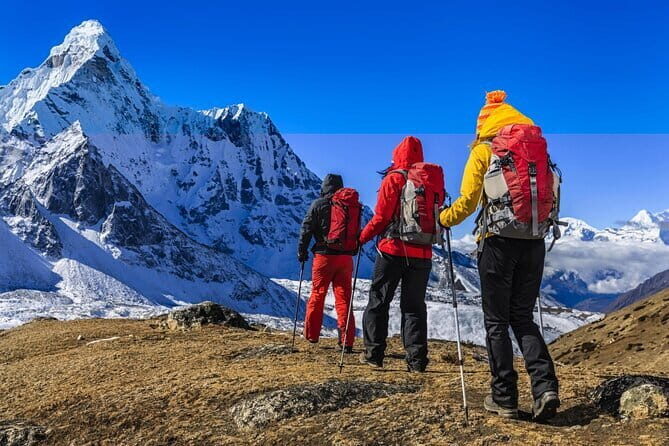
This is the day most people imagine when they pick this trek. The route runs through Machhapuchhare Base Camp on the way to Annapurna Base Camp.
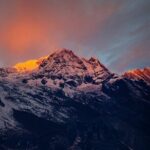
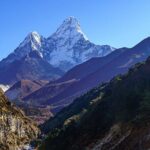
You start with a gentle climb over a steep trail, pass Bagar, then reach Machhapuchhare Base Camp. From there, you get major peak visibility, including Fishtail Mountain and a list of surrounding peaks like Hiuchuli, Annapurna South, Annapurna I, Annapurna III, and Gagapurna.
Then the final branch: you leave the Modi River corridor where vegetation becomes sparse and turn toward the base camp area. When you arrive at Annapurna Base Camp, the view is described as towering Annapurna with nothing between you and the mountains. It also includes an overnight stay, which is a big deal. You don’t just arrive, snap photos, and leave. You get time to absorb it while conditions change through the day.
This is also where the operational quality shows. Your gear rentals, meals, and overnight lodging all reduce the stress that can happen at the highest point. It’s easier to enjoy the day when you’re not juggling logistics in thin air.
If you want an extra emotional win: give yourself time to stand still. This is one of those places where movement can be necessary, but stillness helps you understand scale.
Day 7: Sunrise on the return—Bamboo again, and a reality check on the route
Day seven shifts from ascent to return. You walk back toward Bamboo with a relatively easier downhill feel, but it’s not a free ride. The itinerary describes sunrise over the Himalayas, which can be a powerful start if you’re up for early mornings.
You also pass through areas described as prone to avalanche. That doesn’t mean the walk is unsafe in a “panic” way—it means the guides plan the route with seasonal realities in mind. If you ever feel rushed or tempted to wander off-trail to chase a view, resist. On high-mountain paths, staying with the group is smart.
You go through rhododendron and bamboo forest at lower elevations, cross wooden bridges, and reach Bamboo for the night. This return day matters because it lets you process what you just did on day six. The mountain is still there, but now you’re experiencing the trail with fewer pressure points.
Day 8: Retracing to Jhinu Danda—Sinuwa, Tilche, Chhomrong, Taulung, then hot springs
Day eight retraces parts of the route but adds a longer “village hopping” feel. You start with an uphill climb to Khuldighar, mentioned as hosting a helipad, then hike through to Sinuwa. Along the way you pass settlements like Tilche and Chhomrong, including bridges and steep stone steps.
Further on, you reach Taulung, described as a trail junction leading toward Landruk, Tadhapani, and Kot Danda. Then you reach Jhinu Danda again.
And yes, the best part returns too: Jhinu Danda hot springs. After a day of re-walking steep steps and bridges, soaking in warm water is the kind of recovery that makes the final push to Nayapul feel more doable.
A small but important mindset shift: day eight can feel long because it’s both tiring and familiar. Treat it like a decompression day from the peak—your body will thank you.
Day 9: Down to Nayapul—Modi Khola valley steps and farms all the way to the end of trekking
Day nine is your descent and trail exit. You trek down from Jhinu Danda through the Modi Khola valley, following via New Bridge, then onward to lower elevations. The route description calls out rivers in a serpentine shape, stone stair sections, hillside paths, wooden and suspension bridges, and farms with crops.
This is one of my favorite “end of trek” patterns: you still get views of the mountains, but the walk becomes about community, fields, and movement through the valley rather than chasing altitude.
You finish at Nayapool, which marks the end of the trekking portion. At this stage, it’s normal to feel a mix of relief and light sadness. That’s the emotional arc of a mountain trek: it’s a lot, then it becomes memory fast.
Day 10–11: Back to Kathmandu, Durbar Square time, and a smooth airport exit
On day ten, you leave the Annapurna region and drive back to Kathmandu, described as a scenic 5–6 hour drive with Himalaya, hills, valleys, and terraced fields along the way. After arriving in Kathmandu, you’re taken to your hotel.
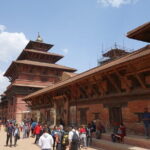
There’s an optional sightseeing window with Kathmandu Durbar Square, plus time around busy Thamel streets for souvenirs. If you’re into real architecture and city energy, this is a strong way to close the loop: mountains first, then the cultural heart of Nepal.
Day eleven ends with transfer to Tribhuvan International Airport at least three hours before your onward flight, so you’re not scrambling at the last minute.
One more note from the tour’s tone: this is presented as a “official end” moment, but it’s also a chance to ensure you’re ready to travel home—documents, cash for any last meals, and any gear return rules your team shares.
Value and included extras: what $906.67 really covers
At $906.67 per person for an 11-day short trek, this isn’t just a “guided hike” price. The included package carries real weight:
- 3 nights in Kathmandu and 2 nights in Pokhara
- All lodging and meals during the trek (breakfast, lunch, dinner are included)
- Transportation costs
- English-speaking trekking guide, plus an assistant guide and porter
- Trekking permits: TIMS card and Annapurna Conservation Area (ACAP) fees
- Sleeping bag and down jacket rental (so you don’t have to buy or bring everything)
- Farewell dinner
- First aid medical box
- Taxes and charges: 13% VAT and 10% company service charge
What’s excluded is also worth reading closely, because it’s where people usually get surprised:
- Visa fee to enter Nepal
- International flights and extra baggage charges
- Foods in Pokhara and Kathmandu
- Extra night costs in Kathmandu if the itinerary shifts
- Travel insurance and any rescue operation costs
- Personal expenses and tips
My take: this price is best viewed as paying for a low-stress mountain setup. You’re not only paying for a guide—you’re paying for permits, meals, lodging, and gear support so you can focus on your walking and your acclimatization.
Also, this trek averages being booked about 38 days in advance, which tells you it’s popular. If you’re flexible, you can sometimes find better timing. If you have fixed dates, booking earlier helps.
Who this Annapurna Base Camp short trek fits best
This one is designed for people with moderate physical fitness. That doesn’t mean you need to be a mountain athlete. It does mean you should be comfortable with:
- long hiking days (the schedule includes full days with trekking time),
- steep, rocky sections,
- stairs and uneven paths,
- and the reality of altitude.
The group limit of 15 travelers helps keep the experience manageable, and the porter support (max 30kg, 1 porter for 2 trekkers) makes a huge difference. Even if you’re a confident hiker, carrying less usually improves morale on summit day.
I’d especially recommend this if you want a big mountain experience without turning the trip into a logistics project.
And there’s another reason: the human support shows up in the reviews data tied to this company’s operation. One past group specifically called out Shiva as the guide and Bishal as the porter, and also mentioned Suman greeting them warmly at the airport. Those names matter because they signal consistency in who’s taking care of you, not just a random handoff.
Should you book this Annapurna Base Camp Short Trek?
I’d book it if you want a well-organized Annapurna Base Camp experience that prioritizes clear logistics, permit coverage, and comfort supports like gear rental and porter help. It’s a good choice when you want the mountain payoff—especially Machhapuchhare Base Camp views and the overnight at Annapurna Base Camp—without having to coordinate everything yourself.
Skip or rethink if you hate steep stairs, you’re unsure about altitude walking, or you want lots of free time that isn’t tied to a trekking schedule. This trek is about the trail. The city parts (Kathmandu and Pokhara) are supportive setup and wrap-up, not the main event.
If you’re deciding right now: be honest about your hiking comfort, pack light enough for porter sharing, and keep your mornings calm. This route rewards patience.
FAQ
Where does the trek start and end?
The tour starts at Nepal Mountain Trekkers at Pyramid Galli, Kathmandu, and it ends back at the same meeting point.
How long is the Annapurna Base Camp short trek?
It’s listed as about 11 days.
Is airport pickup and drop-off included?
Yes. Airport pickup and drop service is included, including transfer to Tribhuvan International Airport at least three hours prior to your onward flight.
What lodging and meals are included?
The trip includes 3 nights hotel in Kathmandu and 2 nights hotel in Pokhara. During the trek, all lodging and meals are included, with breakfast, lunch, and dinner.
Are trekking permits included?
Yes. TIMS card and Annapurna Conservation Area (ACAP) fees are included.
Is there a porter, and how much can they carry?
Yes. An assistant trekking guide and porter are included, with 1 porter for 2 trekkers and a maximum load of 30kg.
Do I need to bring a sleeping bag and down jacket?
No. Trekking gears like sleeping bags and down jackets are available on rent.
What is the maximum group size?
The maximum group size is 15 travelers.
What’s not included in the tour price?
Not included are the Nepal visa fee, international flights and extra baggage charges, foods in Pokhara and Kathmandu, extra night accommodation and meals in Kathmandu if the itinerary changes, travel insurance/rescue costs, personal expenses, and tips for guides and porters.
Can I get a full refund if I cancel?
Yes. Free cancellation is available, and you can cancel up to 24 hours in advance for a full refund. If you cancel less than 24 hours before the start time, you won’t receive a refund. Cut-off times are based on local time.