REVIEW · KATHMANDU
Annapurna Circuit Trek
Book on Viator →Operated by Glorious Himalaya Trekking Pvt. Ltd. · Bookable on Viator
Thorong La feels big before you even climb. This guided Annapurna Circuit is set up to reduce planning stress, with trekking permits and entrance fees handled and full-board meals while you’re on the move. One key consideration: there’s no porter included, so you’ll need to pack light and stay on top of your own pacing and communication.
What makes this route extra interesting is the mix of high passes and culture you can actually feel. You’ll spend real time around Manang Valley, then push toward the high point at Thorong La, and finish by visiting Muktinath Temple before dropping into the comfort of Pokhara and Kathmandu.
In This Review
- Key Highlights You’ll Care About
- Why This Guided Annapurna Circuit Works When You Want Less Planning
- Kathmandu and Pokhara Logistics: The Stuff That Can Make or Break a Trek
- Day-by-Day: Syange to Chame to Manang (Why the Early Days Matter)
- Thorong La Day: Thorang Phedi, the Pass (5,416m), and Muktinath
- Pokhara Recovery Days: Rest, Explore, and Get to Kathmandu
- Price and Value: What $1,150 Covers (and What You’ll Still Pay)
- Who Should Book This Annapurna Circuit, and Who Should Rethink It
- Should You Book This Annapurna Circuit Trek?
- FAQ
- Where does the trek start?
- What does the package include for trekking days?
- Are trekking permits and entrance fees included?
- Is a porter included?
- How do you get between Kathmandu, Besishar, Pokhara, and Kathmandu again?
- Can I cancel and get a full refund?
Key Highlights You’ll Care About
- Permits + entrance fees included, so you’re not chasing paperwork mid-trip
- Full-board trekking meals during the trek, with breakfast, lunch, and dinner
- Rest day in Manang, built for acclimatization and optional short hikes
- Thorong La Pass day includes the high-altitude challenge and route down to Muktinath
- Pokhara and Kathmandu hotels included (2 nights each) with breakfast
- Private airport transfers, plus longer-distance rides by tourist bus/jeep
Why This Guided Annapurna Circuit Works When You Want Less Planning
If you want the Annapurna Circuit experience without turning your vacation into a spreadsheet project, this format is built for you. You get a professional trekking guide, trekking permits, and area entrance fees arranged as part of the package. That matters because the circuit is popular for a reason, but popularity also means planning details can get messy fast.
The biggest practical win for me is the rhythm of the trek: full-board meals while trekking means you’re not constantly budgeting meals or hunting for lunch stops. You’ll still do tea-house trekking like most people do in Nepal, but your day-to-day should feel less chaotic. It’s also customizable, so the pacing is guided—helpful when you’re trying to manage altitude and energy.
Still, don’t assume this is effortless. The route is physically demanding, and the package calls out moderate physical fitness. Also, there’s no porter included, which shifts responsibility to you for packing and carrying your load. If you hate hauling a heavy daypack, plan smart from the start.
You can also read our reviews of more hiking tours in Kathmandu
Kathmandu and Pokhara Logistics: The Stuff That Can Make or Break a Trek
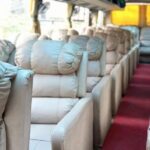
The ground travel is clearly part of the deal. You start at Tribhuvan Airport in Kathmandu, where an office representative meets you and takes you to your hotel by private vehicle. Then your trip settles into the trekking phase, with longer drives handled by tourist bus for Kathmandu to Besishar and Pokhara to Kathmandu.
Two nights in Pokhara and two nights in Kathmandu are included, each with breakfast. That’s not a small detail. After the daily grind of trekking, you get actual downtime in the two most practical bases for this part of Nepal. And the hotel transfers are arranged—so you’re not trying to decode local transportation after long days.
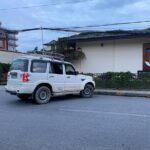
From Muktinath to Pokhara, you’ll use a local bus or jeep drive. That’s the kind of leg that can feel long, but it’s also where being on a guided schedule pays off. One more practical thing: meals in Kathmandu and Pokhara hotels are not included, so you’ll pay for lunch and dinner on your own during those city days.
Day-by-Day: Syange to Chame to Manang (Why the Early Days Matter)
This trek starts with a long travel day, then eases you into walking while still climbing steadily.
Day 1: Arrival and briefing
You land in Kathmandu, meet the team at the airport, and transfer to a hotel by private vehicle. After rest, your guide gives a short briefing about the trek and safety—exactly what you want on Day 1, before you start guessing what’s coming next.
Day 2: Drive to Syange (8–9 hours) and begin
You’ll ride to Syange by road. The day is mostly about repositioning, but it’s also your first real test of logistics: bring layers and keep your valuables secure, because the ride is long. Once you’re there, the trek starts feeling real.
Day 3: Dharapani (about 6–8 hours walking)
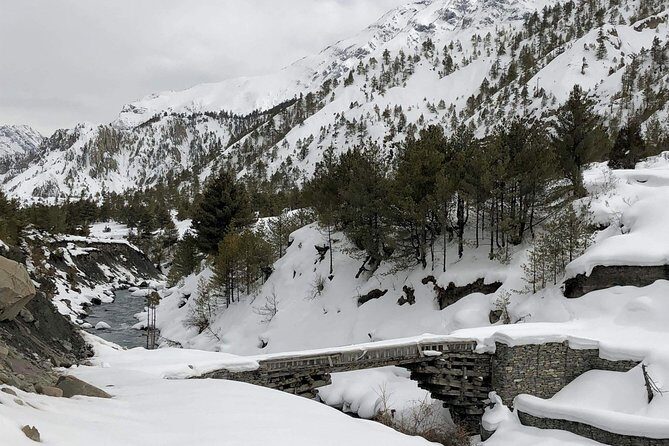
Today you walk toward Dharapani, with a bridge crossing early in the journey. This is the kind of day that helps you find a steady pace—enough work to wake up your legs, not so intense that you’ll crash.
Day 4: Chame (about 6 hours)
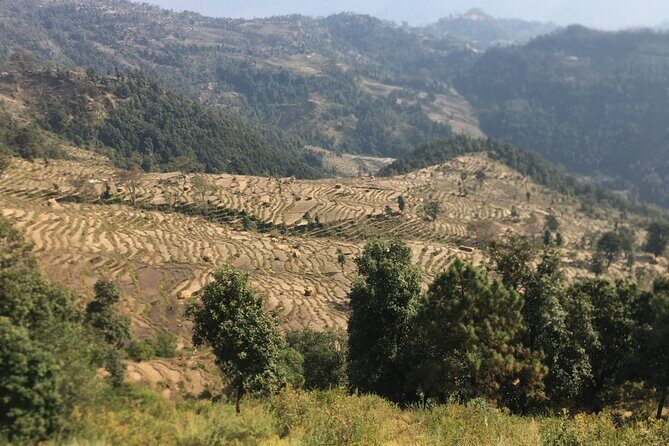
You continue toward Chame through steep ridges, green woods, and areas with landslides. This is one of those trekking days where focus helps more than speed. Watch the trail, keep your footing, and take breaks before your legs start to complain.
Day 5: Narrow, cautious valley trekking (about 6 hours)
This day moves through a valley section that calls for full caution due to narrow, steep terrain. You also get a notable rock feature along the route, at Paungda Danda (around 1,500m). It’s a good example of why tea-house trekking isn’t just exercise—the route has real visual payoffs.
Day 6: Manang approach via Upper Pisang (about 7 hours walking)
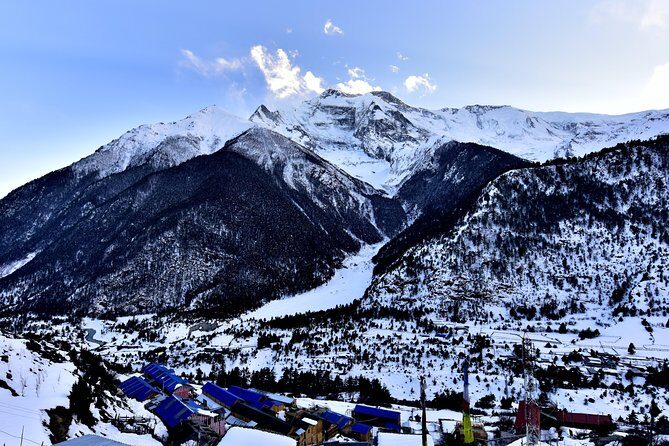
You reach Manang, walking for around 7 hours. The route includes Upper Pisang, which is often where the trekking vibe shifts from “getting there” to “you’re in the mountains now.” You’ll likely feel the altitude more here, even if you’re not at the high pass yet.
Day 7: Manang rest day with optional hikes (about 5 hours for side options)
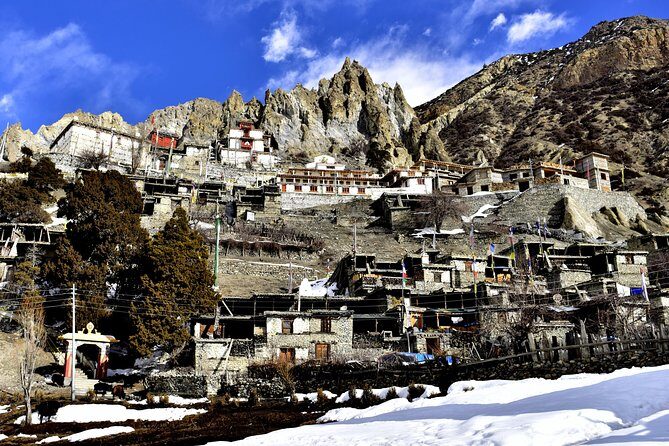
Instead of forcing another long push, you rest in Manang and choose short hikes—like Bonjo Gumba, Gangapurna Lake, or another higher option. This rest day is more than sightseeing. It’s built for acclimatization so your body has a chance before the big crossing.
Practical note: on a rest day, you don’t need to do the maximum hike. Aim for a “get a taste” effort, then return early enough to eat, hydrate, and sleep well.
Thorong La Day: Thorang Phedi, the Pass (5,416m), and Muktinath
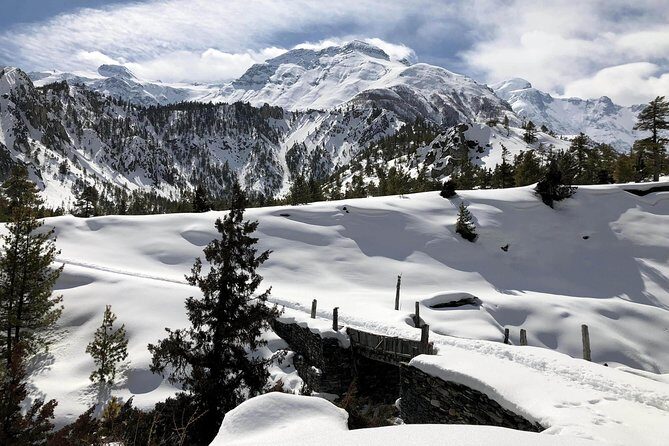
This is the core challenge of the Annapurna Circuit. The route steadily climbs again, and the day structure gets more intense around the pass.
Day 8: Higher terrain toward the next stage (about 4 hours)
You’ll pass through areas described around Tenki and the Marshyangdi Valley, including juniper trees and Ghunsa Village in the route description. Expect the altitude to be more noticeable than earlier days. Shorter walking time doesn’t mean it’s easy—your body still spends energy on every step.
Day 9: Thorang Phedi approach (about 4 hours)
You wake up, have breakfast, then ascend to Thorang Phedi. You cross a suspension bridge to Lather Village, then continue past cliffs toward the Thorong La area. This day is about setting up for the pass day—so start early, take the climb steadily, and don’t burn out too soon.
Day 10: Thorong La crossing to Muktinath (about 8 hours)
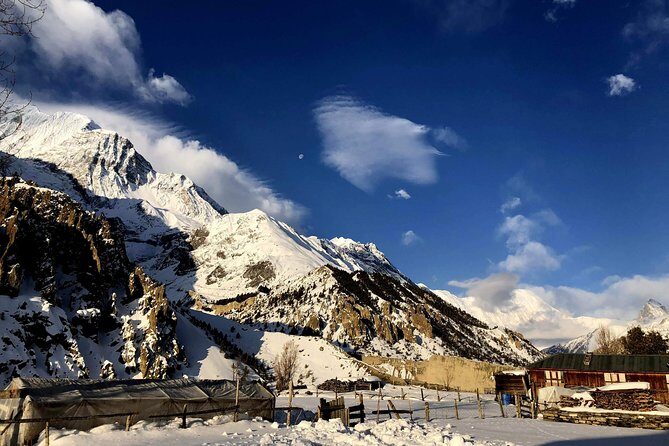
This is the big one. You’ll cross Lhorang La Pass at 5,416m, then continue on toward Muktinath Temple on the western side. The description frames it as the highest elevation of the trek, and that’s how you should treat it: slow breathing, careful footing, and a calm mindset.
The reward is both visual and emotional. Muktinath is the kind of place people remember for a long time—not just because of height, but because it’s a spiritual destination at the end of a hard day.
Pokhara Recovery Days: Rest, Explore, and Get to Kathmandu
After the pass and descent, you drop back toward comfort.
Day 11: Long ride to Pokhara (about 10 hours)
From Muktinath to Pokhara, you take a bus/jeep drive that’s about 10 hours. It’s long, but it’s also the payoff: once you arrive, you can finally think about rest instead of steps.
Day 12: Rest day in Pokhara
You have the day to explore Pokhara Valley yourself. Since meals aren’t included for this city portion, plan your budget for lunch and dinner. I like using this day for practical recovery: laundry, hydration, and sleep before the final transit.
Day 13: Kathmandu transfer (about 7 hours) + flight option
You travel to Kathmandu by tourist bus (about 7 hours) or you can choose a flight from Pokhara to Kathmandu for an extra charge. Either way, you’ll transfer to your hotel with breakfast included.
The flight option is there for a reason: if you’re tired, shaving hours off travel can keep you from feeling wrecked on arrival.
Day 14: Departure
You’re taken to the international airport to catch your flight. Simple and clean—no last-minute scramble.

Price and Value: What $1,150 Covers (and What You’ll Still Pay)
At $1,150 per person for a roughly 14-day private guided trek, the value depends on how much you want planning removed from your shoulders.
Here’s what the package covers that typically costs money or time when you DIY it:
- One professional trekking guide
- Lodges/tea houses on the trek (twin sharing)
- Full board trekking meals (breakfast, lunch, dinner while trekking)
- Trekking permits and area entrance fees
- Hotels in Pokhara and Kathmandu (2 nights each) with breakfast
- Airport and hotel transfers by private vehicle
- Ground transport pieces (tourist bus Kathmandu ↔ Besishar, and Pokhara ↔ Kathmandu, plus local Muktinath → Pokhara transport)
- First aid medicine carried by the local guide
- A completion certificate
- If needed, a company duffel bag and sleeping bag
What’s not included is also important:
- International flights
- Tips to guide/porter
- Nepal visa
- Porter (not included)
- Lunch and dinner in Kathmandu and Pokhara hotels
- Extras like WiFi, mineral bottle water, charging, and hot shower during the trek
- Alcoholic beverages
My take: for most people, the price feels fair because the big-ticket items—permits, guide time, city hotel nights, and much of your on-trail food—are handled. The main variable you control is how light you can pack without a porter.
Who Should Book This Annapurna Circuit, and Who Should Rethink It
This trek is built for people with moderate physical fitness who want a guided experience and the safety net of someone who knows the route. A private format also helps if your group wants a consistent pace and fewer coordination headaches.
It’s a good fit if:
- You want high-altitude trekking with support and included permits
- You like clear structure: city transfers, hotel nights, meal planning
- You can handle carrying your gear without a porter
You might want to reconsider if:
- You dread heavy loads (no porter included)
- You’re not ready for altitude realities around Thorong La
- You need lots of creature comforts during the trek (hot showers and WiFi aren’t part of the plan)
Weather also matters here. The experience notes it requires good weather, and poor conditions can lead to rescheduling or a refund. That’s normal for high mountain trekking, but it’s still something to keep in mind when you book.
Should You Book This Annapurna Circuit Trek?
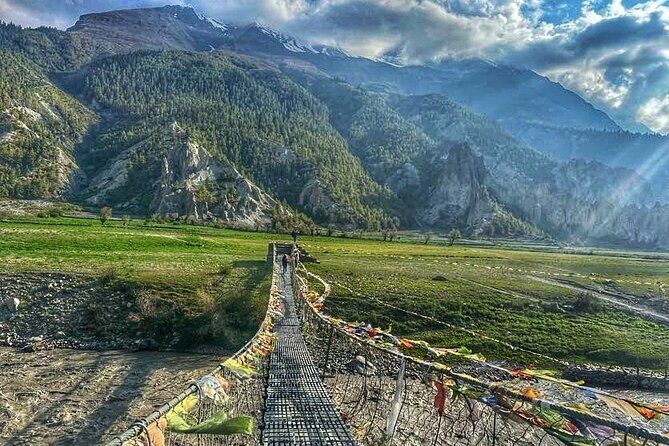
Yes, if you want the Annapurna Circuit in a tidy, guided package where your permits, guide, hotels, and trekking meals are covered and you can focus on hiking and recovery. The Manang rest day plus the route’s structure around acclimatization makes this feel like a thoughtfully paced version of the classic challenge.
Think twice if you’re planning to bring more gear than you can comfortably carry. With no porter, the “private tour” part doesn’t change the reality that your body and your pack are doing the work on steep, narrow days.
If you’re the type who likes mountains but also likes not worrying about logistics every afternoon, this is a strong choice.
FAQ
Where does the trek start?
You meet the team at Tribhuvan Airport in Kathmandu, Nepal, and you’ll be transferred to your hotel by private vehicle.
What does the package include for trekking days?
It includes lodges/tea house accommodation (twin sharing) during the trek and full-board meals while trekking: breakfast, lunch, and dinner.
Are trekking permits and entrance fees included?
Yes. Essential trekking permits and area entrance fees are included.
Is a porter included?
No. A porter for the trek is not included.
How do you get between Kathmandu, Besishar, Pokhara, and Kathmandu again?
Ground transport includes tourist bus transport for Kathmandu to Besishar and Pokhara to Kathmandu, plus a local bus or jeep drive from Muktinath to Pokhara.
Can I cancel and get a full refund?
Yes. You can cancel for a full refund if you cancel at least 24 hours in advance of the experience start time (free cancellation).