REVIEW · KATHMANDU
Pokhara: 5-Day Annapurna Base Camp (ABC) Trek
Book on GetYourGuide →Operated by MTA Trekking Pvt. Ltd. · Bookable on GetYourGuide
Base Camp day feels like winning Everest. This 5-day trek from Pokhara is interesting because you get a professional English guide and you’re aiming for Annapurna Base Camp at 4,130m. I also like that the route walks you through very different country, from Lower Sinuwa’s hot-springs zone up into Deurali’s mountain village feel.
My second big “yes” is how practical the trip is: private transport, tea-house nights, and permits handled, so you spend your energy on pacing and photos instead of paperwork. The one drawback to plan for is altitude. Even if it’s rare, reaching 4,130m means you have to take symptoms seriously and not bulldoze the schedule.
In This Review
- The Big Picture: What This 5-Day ABC Trek Really Feels Like
- Key Things I’d Pack Your Brain For
- Pokhara Lakeside to the Trek Start: The Easy Part Before the Work
- Day 1: Sinuwa + Jhinu Hot Springs = Warm Muscles, Mountain Introductions
- Day 2: Deurali at 3,200m Brings the Real Altitude Shift
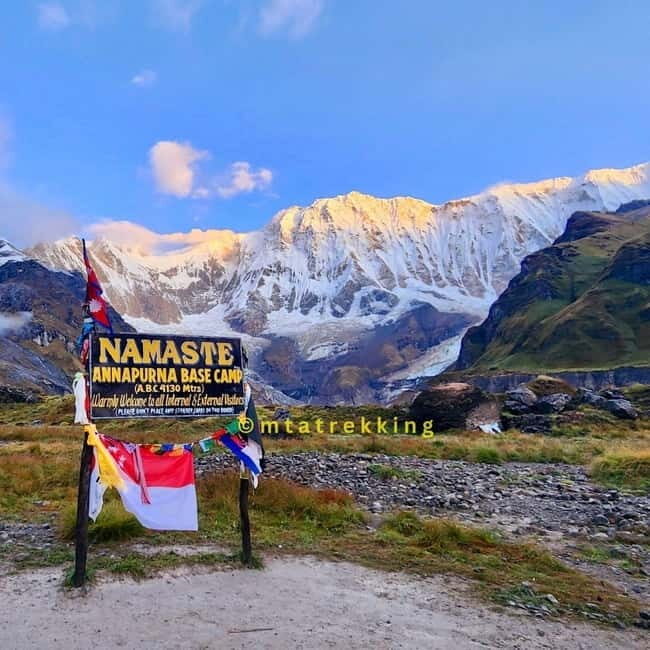
- Day 3: Machhapuchhre Base Camp to Annapurna Base Camp (4,130m)
- Day 4: Base Camp to Bamboo = Panoramas Plus a Long Descent
- Day 5: Bamboo Back to Jhinu Hot Springs and Then Pokhara
- Guides, Permits, and Tea Houses: The Unseen Value Stuff
- Price and Logistics: Is $136 Good Value?
- Fitness, Altitude, Monsoon, and Leeches: Know the Real Risks
- Who This Trek Fits Best (and Who Might Hate It)
- Should You Book This Annapurna Base Camp Trek?
- FAQ
- What is the duration of the Annapurna Base Camp trek?
- What is the highest altitude reached?
- Is this a private trek and is the guide English-speaking?
- Are permits included in the price?
- What lodging and meals are included?
- How do you get from Pokhara to the trail start and back?
- Is the Jhinu hot spring visit included?
- How much does a porter cost?
- What is the cancellation policy?
The Big Picture: What This 5-Day ABC Trek Really Feels Like
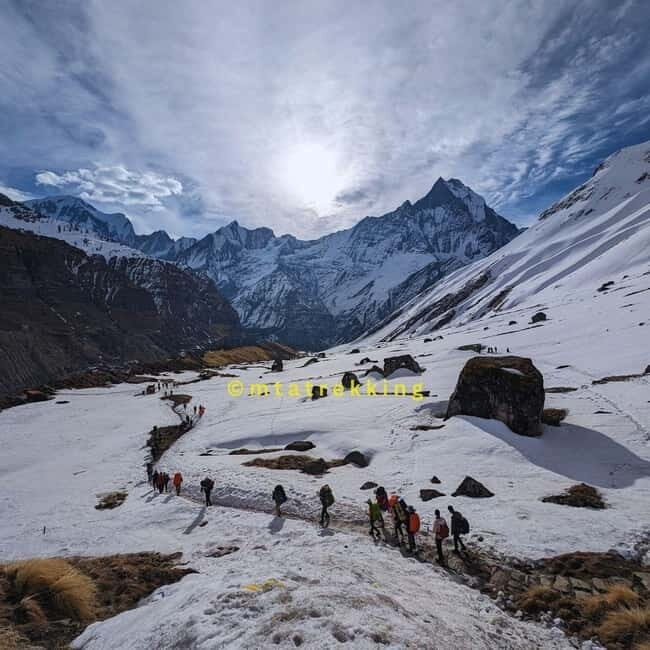
This is a 4-night, 5-day Annapurna Base Camp trek, built for hikers who want the classic finish without turning it into a 10-day ordeal. You’ll start in Lakeside Pokhara, ride up toward the trail’s last road point, and then hike step-by-step into the Annapurna Massif.
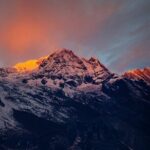
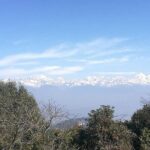
You’ll feel the trek tighten up as altitude climbs: flatter rice-terrace days give way to steeper forest paths and then the sharper “mountain air” feeling around Deurali. By Day 3, you’re closing on 4,130m, where Annapurna’s presence becomes huge and the air gets thinner.
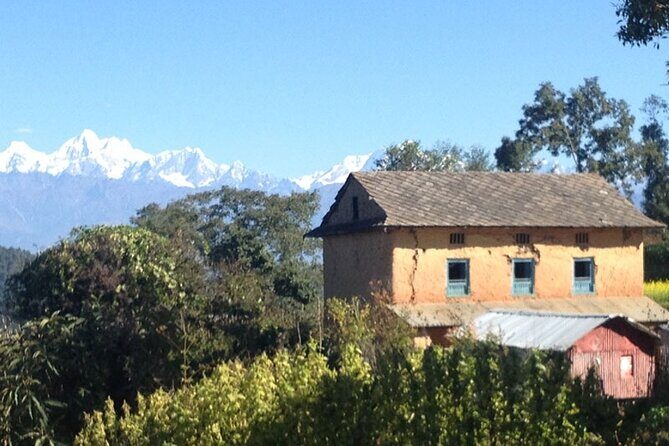
Along the way, you don’t just get a view. You get a sense of everyday mountain life—especially in Gurung communities in traditional villages—because the route passes through working settlements rather than only pass-through scenery.
If you’re the kind of traveler who likes a plan but also wants real flexibility (slow down, stop more for photos, rest when needed), this itinerary style fits you well.
Key Things I’d Pack Your Brain For
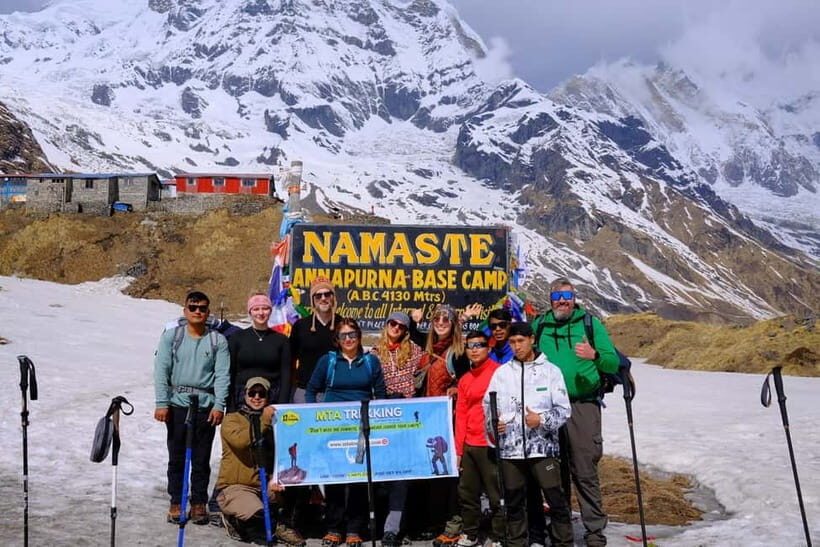
Annapurna Base Camp hits 4,130m
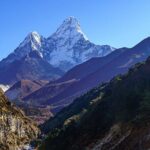
Machhapuchhre Base Camp detour brings Fishtail Peak views
Tea-house nights make this trek “liveable”
Jhinu Hot Springs show up at both start and return (optional soaking)
Your guide is English-speaking and adjusts your effort
Permits and ACAP coverage are handled for you
You can also read our reviews of more hiking tours in Kathmandu
Pokhara Lakeside to the Trek Start: The Easy Part Before the Work
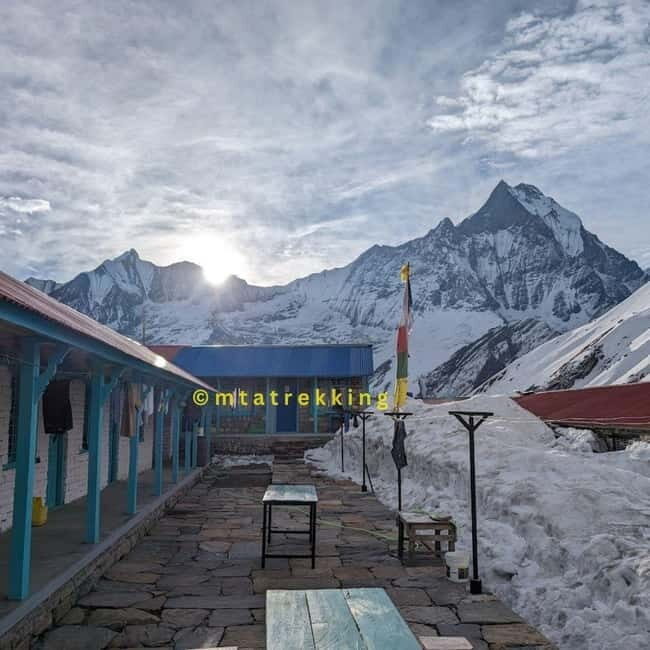
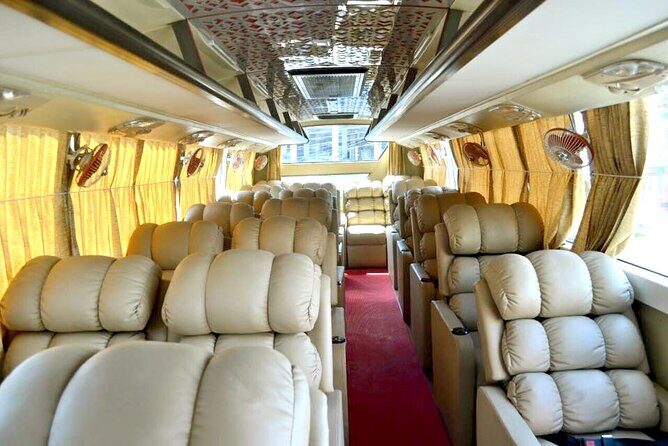
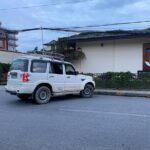
You’ll get picked up from any hotel or location in Lakeside Pokhara (or from Pokhara International Airport) and then transferred by Jeep/SUV. The driving time listed is about 3 hours, which matters because it means you’re not wasting your first day crawling slowly out of the valley.
Pokhara itself is a smart warm-up. You start with lakeside comfort, a chance to get organized (cash ready, ID copied), and time to mentally shift from city pacing to mountain pacing. The trek begins with a move toward the trail country via Siwai / the last road point, setting you up for a real hike on Day 1 rather than a long travel day.
Practical tip: if your guide provides a gear check, treat it seriously. Good boots and layered clothing help you enjoy the climb instead of fighting it.
Day 1: Sinuwa + Jhinu Hot Springs = Warm Muscles, Mountain Introductions
Day 1 runs from Pokhara toward Lower Sinuwa at about 2,300m, with an approximately 5-hour hike mentioned, plus the Jhinu connection. The route goes through Jhinu, a village known for its natural hot springs.
What I like about this day is the “training-wheels” feeling. You’re climbing, but you’re not jumping immediately into the hardest altitude zones. You also get an immediate payoff—warm water soaking—without needing to wait until the end of the trek.
What to watch: once you’re in the warmer, wetter lower-trail zone, leeches can become a nuisance later in the year, especially around monsoon months (June–August). Even if you don’t trek during peak wet season, long pants and insect repellent are still solid “don’t regret it later” choices.
If you want to keep energy for the rest of the week, use the hot springs like a reset, not a nap plan.
Day 2: Deurali at 3,200m Brings the Real Altitude Shift
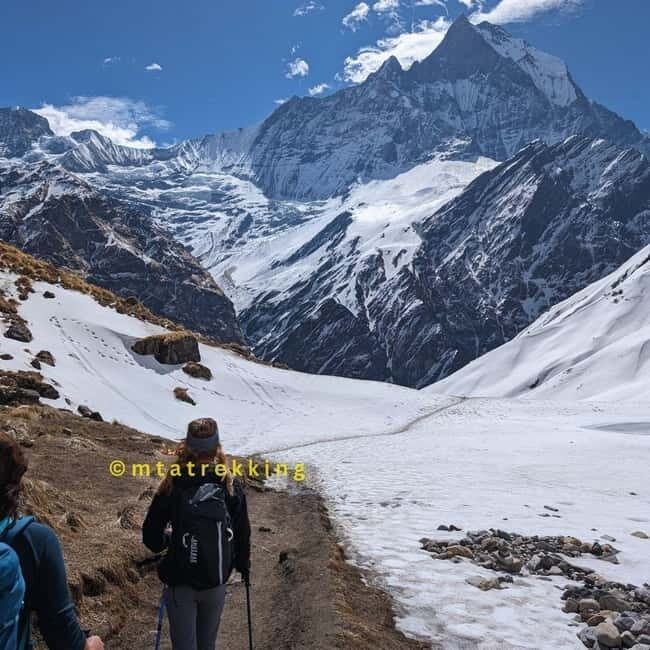
On Day 2, you climb to Deurali (about 3,200m) in roughly 6 hours of hiking. This is the day where the air starts to feel different and where steady pacing matters more than speed.
Deurali is a village setting, and that matters because tea-house trekking relies on comfort at night: you’re not just passing through; you’re settling in. You’ll also spend time around the village for breaks, sightseeing, and the usual photo stops, depending on how the day’s weather holds.
Two things make Deurali special for many hikers:
- It’s high enough that you feel the altitude working on you.
- It’s still “village real,” so the trek feels human-scale, not like a guided hike through empty scenery.
If you’re prone to feeling winded, this is where you should listen to your body. Slow and consistent wins here.
Day 3: Machhapuchhre Base Camp to Annapurna Base Camp (4,130m)
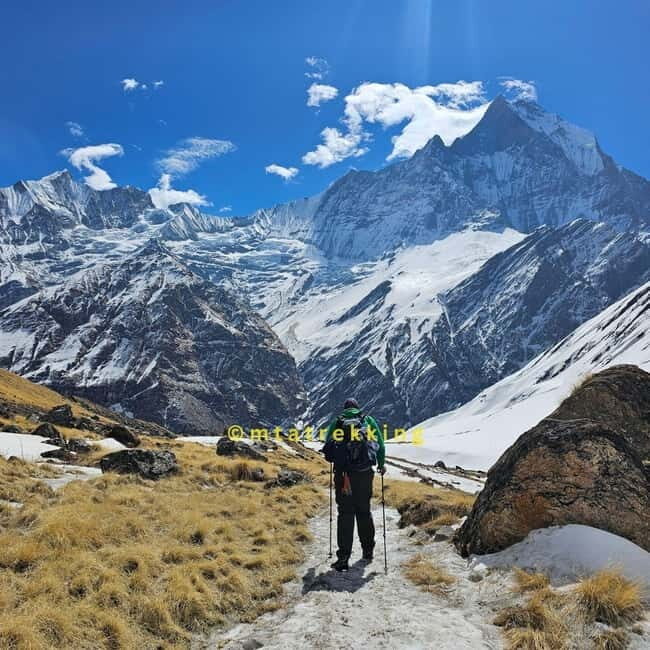
Day 3 is the headline day. The hike is listed as about 4 hours to reach Annapurna Base Camp (4,130m), and it includes a detour to Machhapuchhre Base Camp for views of Fishtail Peak.
The detour is worth it because it gives you a contrast: you’re not only staring at the Annapurna Massif. You’re seeing another iconic form, and that makes your “final approach” day feel more than just a straight line.
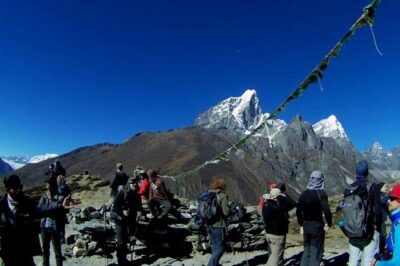
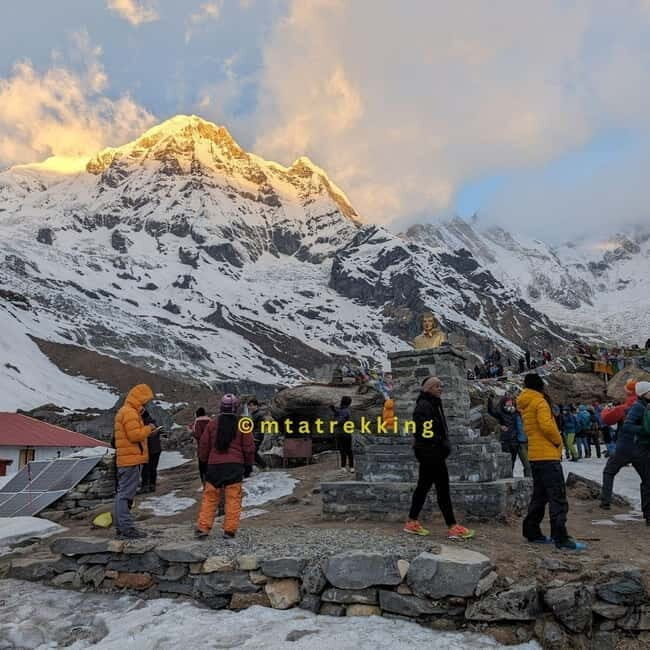
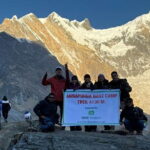
Once you arrive at ABC, expect the emotional payoff: the sense of achievement hits fast because you’ve climbed into a bowl of big peaks. This is also the day for sunrise-style moments if your schedule allows, since the itinerary highlights early light and sunset opportunities around base camp.
Keep expectations grounded:
- You’ll want layers—cold waits at altitude.
- You might not feel like talking much when you first arrive; that’s normal. Take it slow, drink water, and let your breathing settle.
You can also read our reviews of more tours and experiences in Kathmandu
Day 4: Base Camp to Bamboo = Panoramas Plus a Long Descent
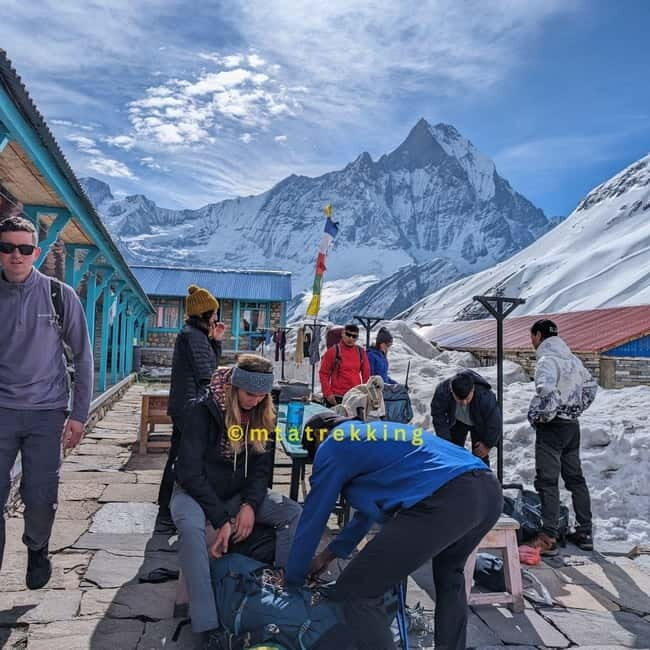
Day 4 starts with time at Annapurna Base Camp—photo stops, guided explanations, and sunset options—then you descend to Bamboo (about 2,400m). The time on this stage is shown as about 6 hours, and descents take more out of your legs than people expect, even when the altitude risk is lower than Day 3.
I like this day because you get to “live in” the view zone before moving on. That matters for photos and for just soaking in what you worked for.
Your likely challenges:
- Stiffness in knees and calves from downhill.
- Weather changes: higher areas can feel colder and windier, even when the valley is warm.
- Fatigue catch-up: after the big achievement, it’s tempting to rush, but that’s where slips happen.
Practical tip: if you can, start the descent with extra time for careful footing. You don’t need heroic stride length—you need stable steps.
Day 5: Bamboo Back to Jhinu Hot Springs and Then Pokhara
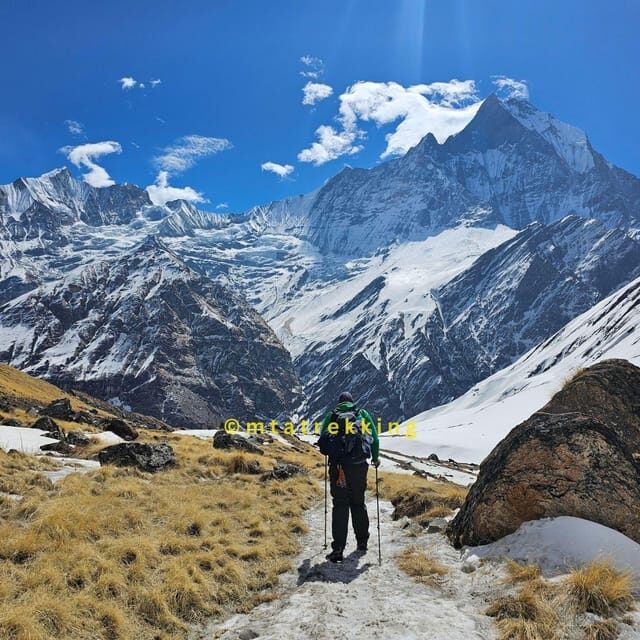
On Day 5, you hike from Bamboo Lodge toward Jhinu Danda hot spring area (listed around 6 hours for that portion), then take the Jeep/SUV back about 3 hours to Pokhara, finishing at Lakeside.
This return day is designed as a mental decompression. You still have hiking time, but it’s framed as a scenic walk back and an optional soak at the natural hot springs at Jhinu.
That optional soaking is more than a treat. It’s practical recovery: warm water can help you loosen up after days of climbing and descending. Just don’t count on hot water everywhere for free. The trip notes that things like hot showers aren’t included as a general personal expense.
When you reach Pokhara, enjoy the reset moment. You’ll feel it—thirst, hunger, and that strange post-trek quiet where your body realizes it’s done.
Guides, Permits, and Tea Houses: The Unseen Value Stuff
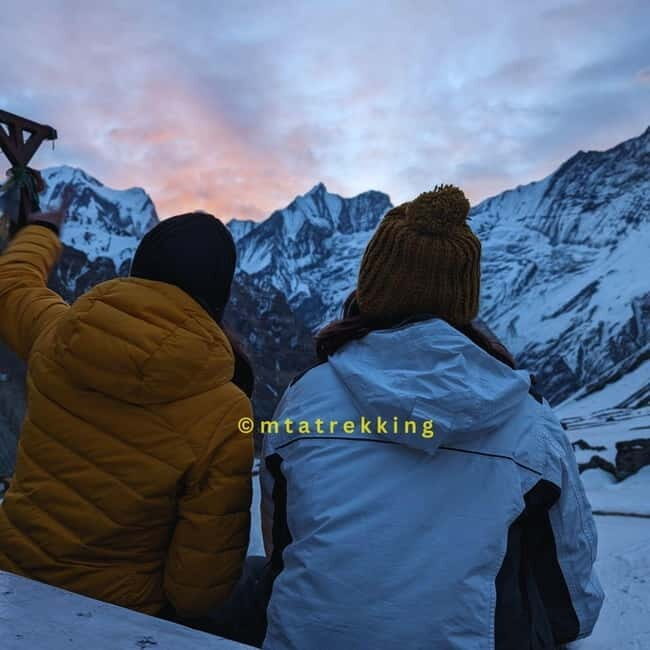
This trek includes tea-house accommodation and a professional trekking guide (government registered). It also includes the ACAP permit (Annapurna Conservation Area Permit) plus government permits, TIMS, and taxes.
Why that matters: Nepal trek permits aren’t a box-check. They’re part of keeping access legal and route movement organized in the protected area. When it’s included, you don’t waste brain space on “did I bring the right paperwork?”
On the guide side, the names people specifically mention in connection with this trek include Santosh, Prabit, and Ramit. Across those experiences, the repeating theme is that guides act like real partners: kind, friendly, and helpful with understanding mountains and culture, plus practical pacing support. One of the most useful signals: guides were described as adjusting effort so you don’t overexert yourself.
That last point is big. At altitude, the fastest hiker often isn’t the safest hiker.
Price and Logistics: Is $136 Good Value?
The listed price is $136 per person for 5 days. For many hikers, that’s the real question: does it cover what you need?
Here’s what’s included, based on the trip details:
- Tea-house accommodation
- Meals if you select the Full Board option
- Hotel pickup/drop-off within Lakeside Pokhara and from the airport
- Private transport from Pokhara to Siwai (last road) and back
- ACAP, TIMS, and government permits/taxes
- English live guide
- Luggage storage in Pokhara during the trek
- First-aid kit
What’s not included:
- Personal expenses (Wi‑Fi, drinks, mineral water, hot shower, laundry)
- Porter service: $20 per day
- Rescue and insurance
So the value comes from bundling the “hard-to-handle” items: transport, permits, guide, and mountain lodging. You still need to budget for personal choices (water, snacks, the occasional extra comfort), but you’re not building the core trip from scratch.
My practical take: this is a good value if you’re comfortable trekking with tea-house basics and you pick the full-board meal option so you don’t get surprised midway.
Fitness, Altitude, Monsoon, and Leeches: Know the Real Risks
Annapurna Base Camp reaches 4,130 meters, and altitude sickness is described as a possibility (not guaranteed). It’s also noted as rarely happening—but rare doesn’t mean ignore.
The best way to handle altitude here is boring and smart:
- Pace slower than you think you need to.
- Tell your guide if you feel off.
- Don’t “push through” symptoms.
Weather note: during monsoon season (June–August), rainfall can be heavy and erratic. If you trek in those months, pack for wet conditions and trust your guide if they suggest adjustments for safety.
And yes, leeches are part of the reality for lower trails, especially during monsoon season. Your defenses are straightforward:
- Wear long pants tucked into gaiters
- Use insect repellent
Also listed: it’s not suitable for certain groups, including people with mobility impairments, wheelchair users, visually impaired people, anyone with altitude sickness, pregnant women, and people over 70 years. If any of these apply to you, choose a different plan.
Who This Trek Fits Best (and Who Might Hate It)
This trek is a strong match if you:
- Want a classic ABC goal in a short time window
- Prefer tea-house trekking and a supported pace
- Like culture stops in traditional villages (Gurung communities are specifically part of the route experience)
- Enjoy having an English-speaking guide to explain what you’re seeing
You might not love this if you:
- Don’t handle physical climbs well, even for 4–6 hour days
- Want a purely relaxing vacation vibe
- Need full accessibility support
One note I’d take seriously: the trip is described as requiring a level of fitness. Even though it’s only 5 days, the altitude and daily walking hours mean you can’t treat it like a casual hike.
Should You Book This Annapurna Base Camp Trek?
Book it if you want a tightly run, supported ABC trek that mixes big-mountain achievement with real village life, and you’re willing to take altitude seriously. The combination of ACAP/TIMS handled, English guidance, tea-house nights, and private transport is the kind of value that lets you focus on the trail.
I’d be cautious if you’re sensitive to altitude, not comfortable walking several hours per day, or you’re traveling in monsoon season without the right gear. Weather and leeches can turn “annoying” into “miserable” fast if you aren’t prepared.
If you’re healthy, motivated, and you want the iconic ABC finish without extra complexity, this one makes sense.
FAQ
What is the duration of the Annapurna Base Camp trek?
The trek lasts 5 days and includes 4 nights on the trail.
What is the highest altitude reached?
Annapurna Base Camp is reached at about 4,130 meters (13,550 feet).
Is this a private trek and is the guide English-speaking?
Yes. It’s described as a private group with a live tour guide in English.
Are permits included in the price?
Yes. The ACAP permit and government permits, including TIMS and taxes, are covered.
What lodging and meals are included?
You stay in tea houses. Meals are included if you choose the full board option during booking.
How do you get from Pokhara to the trail start and back?
You get hotel pickup/drop-off around Lakeside Pokhara or from the airport. There is also private transport from Pokhara to Siwai (the last road) and back.
Is the Jhinu hot spring visit included?
Jhinu hot springs are shown as an optional experience, including a stop on the way back to Pokhara.
How much does a porter cost?
Porter service costs $20 per day and is not included.
What is the cancellation policy?
Free cancellation is available up to 24 hours in advance for a full refund.