REVIEW · KATHMANDU
Annapurna Circuit Trek
Book on Viator →Operated by Nepal High Trek & Expedition Pvt. Ltd · Bookable on Viator
Stand on Thorang La in 10 days. The shortened Annapurna Circuit Trek plan is interesting because it blends road access with real mountain days, so you spend less time bouncing around and more time walking through villages and up toward the pass. It’s also built to reduce altitude stress with an acclimatization schedule that doesn’t rush you into the highest terrain.
I love how the itinerary includes a proper acclimatization day in Manang, plus an optional hike to Gangapurna Lake if you feel good. I also like the value of what’s included: meals, tea, a licensed guide, permits, hotel nights, and even key trekking gear like a sleeping bag and down jacket so you can travel lighter.
One thing to consider: even on the shorter version, the trekking days are long, with full hiking schedules that can run 13–14 hours on multiple days. If you’re hoping for an easy walk every day, this isn’t that.
In This Review
- Key highlights to know before you go
- Entering Nepal’s trekking rhythm: Kathmandu arrival and first night
- Besisahar to Chame: the road that shortens the journey
- Chame to Manang Valley: alpine forests and steady altitude gains
- The Manang acclimatization day: this is the real value
- Yak Kharka and the push toward Thorung Phedi
- Thorang La Pass and Muktinath: the day you remember
- Down to Pokhara: drive days that give you space to breathe
- Back to Kathmandu: finishing with a softer landing
- Price and value: what $975 buys you (and what it doesn’t)
- The guide experience: why names you’ve heard matter
- Weather, effort level, and the type of trek you’re signing up for
- Should you book this Annapurna Circuit Trek plan?
Key highlights to know before you go
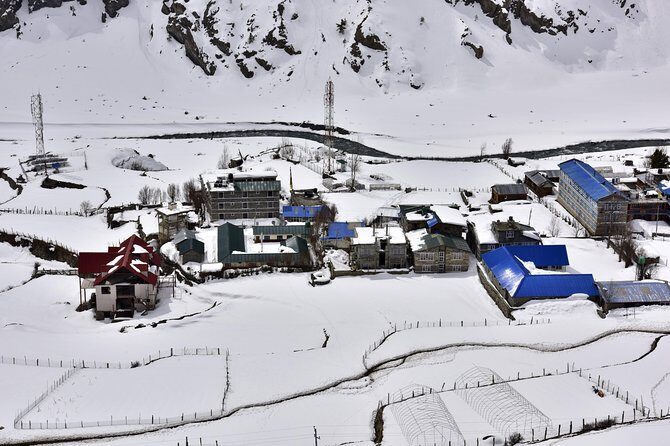
- Thorang La focus: You’re moving toward the 5,416 m high point with a schedule that tries to keep altitude risk in check
- Manang acclimatization built in: A rest day and high-altitude walking help you adjust before the pass
- Teahouse-style nights: Simple twin sharing rooms give you a real trekking pace without over-planning
- Included comfort items: Sleeping bag, down jacket, and duffle bag are part of the package
- Road access reduces churn: Getting to the mid-hills faster helps you spend your energy on walking
- Guides matter a lot: Recent groups mention guides like Shanta, Buddhi Tamang, Indaco, Pawan, Veer, and Anos Tamang
Entering Nepal’s trekking rhythm: Kathmandu arrival and first night
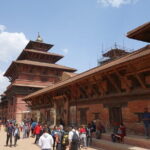
Your trek starts with a straightforward landing routine. After you arrive at Tribhuvan International Airport, you get picked up and transferred to a hotel in Kathmandu. Then you’ll meet your guide and team for a group briefing. This matters because Kathmandu can feel loud and chaotic on day one; a briefing helps you get your bearings fast—what to pack, how trekking days work, and what to expect from the route.
That first night is also where you reset. You sleep in Kathmandu with breakfast included, and you’re not asked to cram anything outdoors yet. It’s a good setup if you’ve got jet lag or you simply want time to sort your gear (especially footwear and layers) before you start carrying it.
You can also read our reviews of more hiking tours in Kathmandu
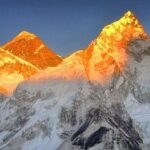
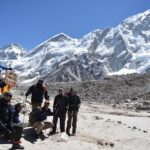
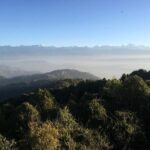
Besisahar to Chame: the road that shortens the journey
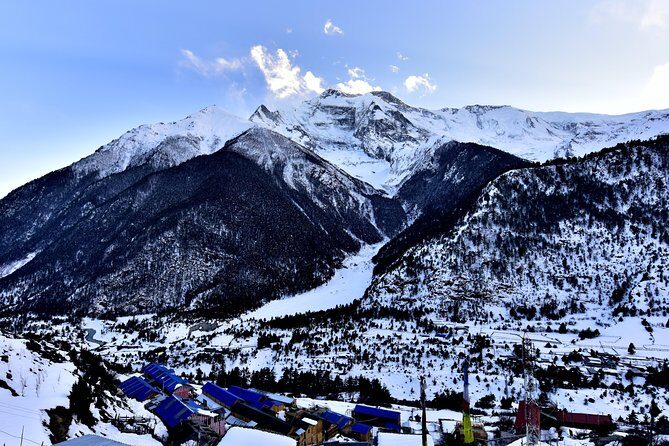
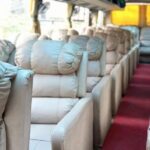
The big twist with this Annapurna Circuit Trek is that the route uses modern road access to cut time—people often think the circuit is only about hours of bus and jeep rides, but here you benefit from travel infrastructure that reaches far enough to make the trek more efficient. You drive from Kathmandu outward to Besisahar, in the Lamjung area, where the warmer mid-regions begin to show up behind the city.
From there, you continue by road toward Chame, the headquarters of the Manang district. The drive is described as unpaved, so expect bumpy stretches and a slower pace than highway travel. Still, it’s useful because it places you at a starting point closer to the higher part of the circuit without demanding extra trekking days.
If you’ve been tempted to skip the “classic” trekking days because of time, this is one of the reasons the shortened plan works. You’re using wheels where you can, then swapping to your own legs where it counts.
Chame to Manang Valley: alpine forests and steady altitude gains
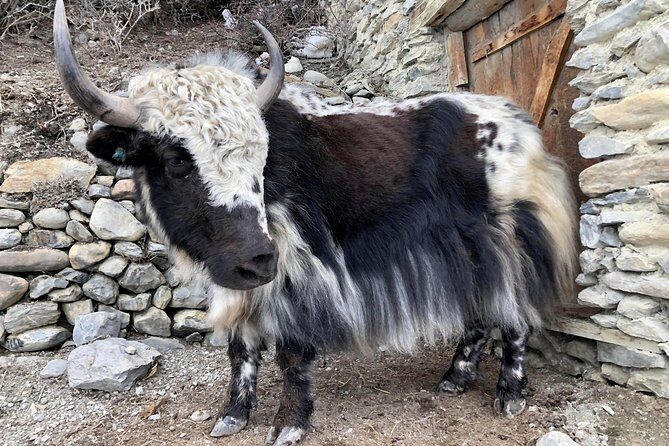
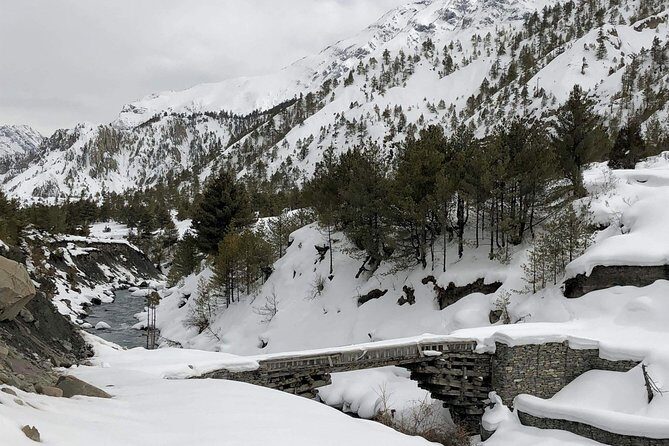
Once you’re in the Manang area, the trek turns into a real mountain rhythm: walking upstream and climbing in a controlled way. From Chame, the trek heads toward Manang along the Marsyangdi River upstream, passing through villages and scenic forest stretches. This is one of those sections that feels like it’s easing you in—still beautiful, but not yet the hardest part.
You reach Bhratang village along the way (as part of the described route), and from there the walking continues through pine and alpine areas. The trail atmosphere here is often why people fall in love with Nepal trekking: you’re not only looking at peaks—you’re moving through working communities and forest corridors that feel cooler and quieter than the drive days.
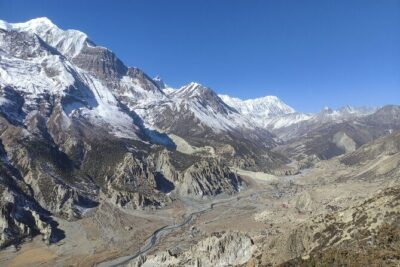
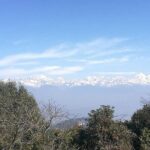
On the next segment, you enter the Manang Valley area and walk toward Pisang village, which sits with mountain views toward Annapurna II and III and Gangapurna. That’s a key detail: early views aren’t random here. The route is positioned so you start seeing major targets as your altitude rises, which makes the climb feel meaningful rather than just exhausting.
The Manang acclimatization day: this is the real value
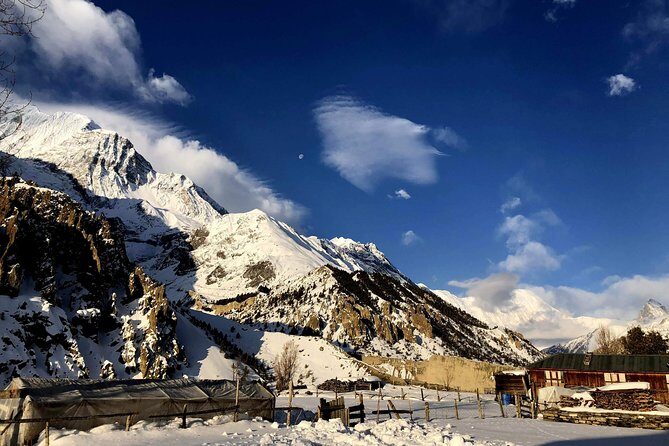
The most important day on the calendar is the acclimatization rest day in Manang. The plan explicitly builds in time for adjusting before the highest terrain. You’re not just told to rest—you’re given a chance to do a hike if you’re feeling strong. The optional walk to Gangapurna Lake is highlighted as one of the best ways to use the day.
Why this matters for you: acclimatization isn’t about bravery. It’s about giving your body a chance to adapt to thinner air so that later, when you’re climbing to and over Thorang La Pass, you have a better shot at feeling steady.
Manang is also a cultural and practical pause. You’ll be in a place with trekking infrastructure, so you can settle into the teahouse pace: eat, hydrate, warm up in the afternoons, and get ready mentally. Multiple recent groups praised the overall organization and safety feel—this rest day is one reason the trek doesn’t feel like a nonstop grind.
Yak Kharka and the push toward Thorung Phedi
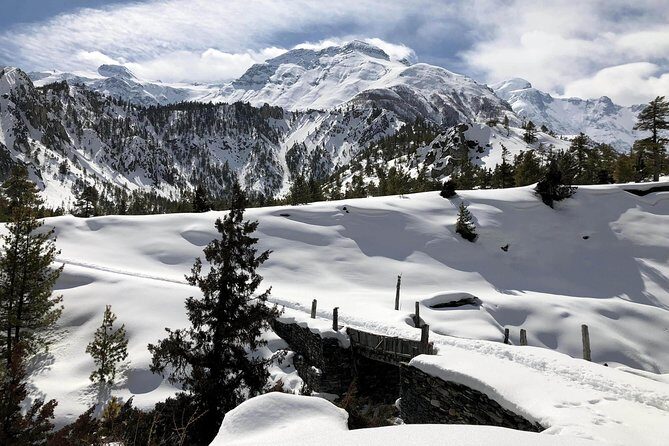
After Manang, the route goes higher with the walk to Yak Kharka. This day is described as high-altitude walking with mountain views, crossing small streams, and reaching a settlement with dramatic sightlines. It’s not the pass yet, but it’s a clear step upward, and the long walking time reflects that.
Then the itinerary continues toward Thorung Phedi. The route includes a bridge crossing and a climb along the Jarjung River. Thorung Phedi is a practical staging point—think of it as where you tighten up layers, eat something simple but solid, and get ready for the final push. You also get a rest stop before the last hour climb to the pass area.
If you’re the kind of person who gets nervous about altitude, this sequence helps because it turns the pass into a step-by-step mission. You don’t jump from mid-altitude into maximum altitude in one leap; you build toward it.

Thorang La Pass and Muktinath: the day you remember
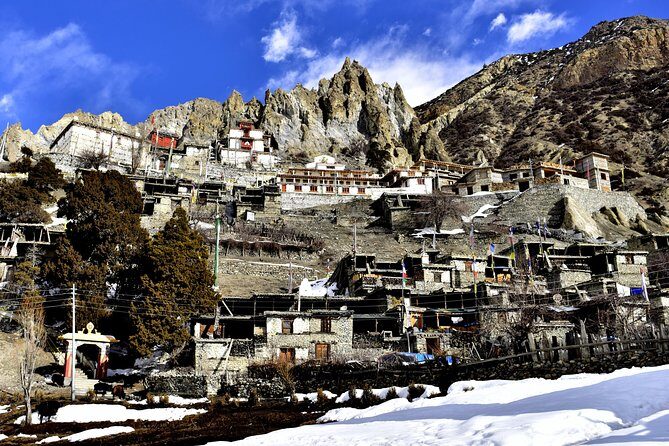
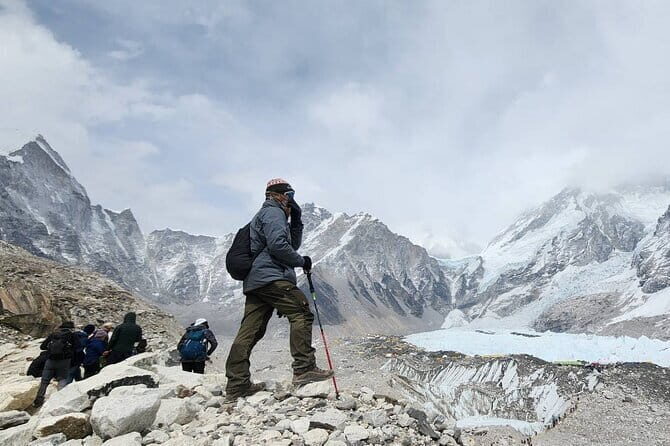
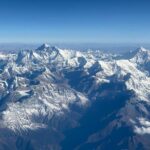
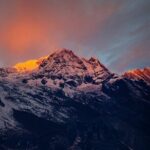
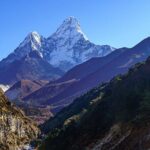
This is the big day. You start early, climb up to Thorang-la at 5,416 m, and the route is described as passing prayer flags—so the landscape and spirituality are literally tied together on your way up. The elevation is real, and the time schedule reflects it: the day is long, and it demands focused pacing.
Once you reach the pass, the reward is not just the high-point feeling. You also get the dramatic transition into the Muktinath area, home to Muktinath Temple. The itinerary describes reaching Muktinath Temple as your key destination that day, which means your finish isn’t just “survive the climb.” You have a cultural place to arrive at, with the kind of trekking satisfaction that comes from both effort and meaning.
Practical note for you: start the day with the mindset that this is a climb you manage, not a race you win. If you keep your pace controlled—steady breathing, frequent small breaks—your body is more likely to feel stable as you gain altitude.
Down to Pokhara: drive days that give you space to breathe
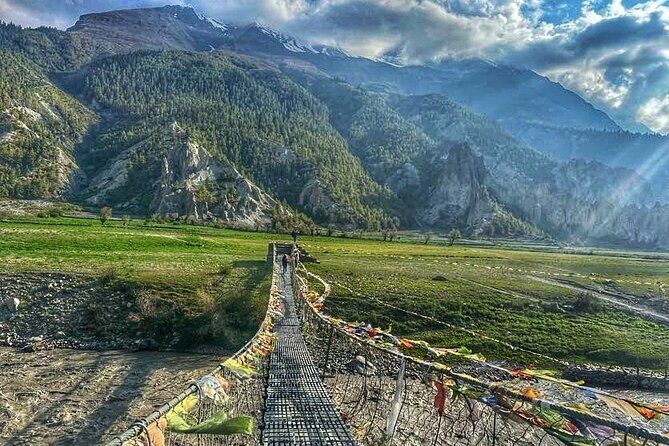
After the high point, the itinerary shifts into easier travel mode. You drive to Pokhara, described as a scenic overland route with time to explore views along the way. This is the release valve after days of walking.
Pokhara is also where you’ll likely feel the full effect of the trek. You’ve been in mountain air and simple teahouse life; now you get a city with comforts and places to relax. Your plan includes a night in Pokhara with breakfast the following morning.
If you’re the type who likes to process experiences slowly, don’t overschedule here. Use the time to rest your legs, eat something you can’t find on a trekking trail, and take a few calm photos without rushing to pack again.
Back to Kathmandu: finishing with a softer landing
On your final trek-travel transition day, you head back to Kathmandu. The route is described as an overland journey with chances to observe farm villages and towns en route. That’s a subtle but useful way to end: instead of going straight from mountain hardship to total city chaos, you get a gentle in-between day.
You arrive by afternoon, and the rest of the day is free for individual activities. That freedom matters. You might want to revisit a favorite street, do last-minute shopping for gifts, or just sit quietly with a view and let your trek settle into your head.
Then on the last day, you transfer to the airport based on your international flight time.
Price and value: what $975 buys you (and what it doesn’t)
At $975 per person, you’re paying for more than a trail. The included portion is where the value shows up clearly:
- Transportation: airport pickup and drop-off, plus bus and jeep drives
- Lodging: two nights in Kathmandu and one night in Pokhara, all with breakfast
- Meals during trekking: three times a day (breakfast, lunch, dinner are covered during the trek portion)
- Tea and fruit: three cups tea per day plus seasonal fruits
- Guiding and permits: a government license holder guide and the Annapurna Conservation Area permit
- Trekking gear support: sleeping bag, down jacket, and duffle bag
That last bullet is a big deal for planning. Trekking gear can cost real money if you don’t already own it, and lugging specialized items is annoying. By bundling key items, the cost becomes easier to justify—especially if you’re coming from abroad.
What’s not included is also straightforward. Travel insurance is not included, and you’ll pay for extras like bottled water, beer, soda, laundry, and desserts. And tips for trekking crews are your responsibility. Also, bottled water matters: hydration is non-negotiable at altitude, so plan your spending for it.
The guide experience: why names you’ve heard matter
Even though guides aren’t guaranteed to be the same person for every booking, the pattern in recent group stories is consistent: the guide can make the trek feel safe, organized, and human. Names that show up include Shanta, Buddhi Tamang, Anjan, Veer, Indaco, Pawan, Suman, and Anos Tamang.
What you should take from that: you’re not just hiring logistics. A good guide helps you pace altitude, handle weather changes, keep the schedule moving, and make teahouse nights feel like part of a plan rather than a guessing game.
Also, one simple but practical tip that comes through clearly: bring sunscreen. At high elevations, sun can be relentless, even when the air feels crisp.
Weather, effort level, and the type of trek you’re signing up for
This trek is built for travelers with moderate fitness, but the itinerary still signals a serious trekking experience. Many days list 13–14 hours of walking time, and you’re dealing with altitude as you move toward Thorang La and beyond.
So here’s how I’d frame it for you:
- If you want a classic Annapurna Circuit feel but don’t have the time for the longer versions, this shorter plan is a strong match.
- If you want to be challenged mentally and physically (especially on the pass day), you’ll likely enjoy it.
- If you’re looking for a gentle, casual walk with minimal elevation stress, you may find this too intense.
One more consideration: this experience requires good weather. That means your schedule can be affected if conditions are poor, and the provider notes that you’ll be offered a different date or a full refund if canceled due to weather.
Should you book this Annapurna Circuit Trek plan?
You should book if you want the Annapurna Circuit in a timeframe that’s realistic for many schedules, and you like an itinerary that takes altitude seriously. The included gear, meals, permits, and guided structure make this feel like a well-supported trek rather than a DIY gamble. If you care about comfort details—like having a sleeping bag and down jacket provided—this is where the value really lands.
You might think twice if you’re sensitive to long walking days, or if you were hoping to use vehicles to “solve” altitude beyond what the route allows. The plan makes it clear you should not plan on taking a jeep beyond Chame. Even though a four-wheel jeep to Manang is possible, the risk of altitude sickness is described as very high if you do it that way—so this itinerary’s hiking structure is part of its safety logic.
If you want, tell me your travel month, your hiking background (how many days you’ve trekked before), and whether you’re managing any altitude concerns. I can help you judge if the Thorang La day fits your comfort level.