REVIEW · KATHMANDU
Best Nepali Cooking Class in Thamel with Local Market Trip
Book on Viator →Operated by Epic Adventures Pvt. Ltd. · Bookable on Viator
Food lessons start with a real market walk. In Kathmandu’s Thamel, this 3-hour class pairs a guided ingredient hunt with hands-on cooking taught by Nepali cooks, so you’re not just copying recipes—you’re learning why the spices and techniques matter. All ingredients are included, and the market trip sets the tone fast for everyday Nepali food culture.
What I like most is that you eat well while you learn, with snacks plus breakfast, lunch, and dinner worked into the experience, so you’ll come hungry and leave satisfied. I also like that the group is capped at 8 travelers, which makes it easier to get help during the hands-on part. One possible drawback: the kitchen setup can feel tight, so if you’re expecting a slow, formal “school” pace, it may feel more like getting things done together than sitting through a long lecture.
In This Review
- Key Things to Know Before You Go
- Market-to-Kitchen in Thamel: A Practical Way to Learn Real Nepali Flavors
- The Nepal Cooking School Start: Getting Oriented Fast
- The Local Market Trip: Where You Learn What Matters
- Hands-On Nepali Cooking: Techniques, Pace, and Group Dynamics
- Vegetarian and Vegan Options: Easy to Request, Built Into the Plan
- Eating Your Creations: Snacks Plus Breakfast, Lunch, Dinner
- Price and Value in Thamel: What $30 Buys You
- Logistics Without the Headache: Pickup, Mobile Ticket, and Timing
- Who Should Book This Nepali Cooking Class (and Who Might Not)
- Should You Book This Market-to-Kitchen Class in Thamel?
- FAQ
- How much does the cooking class cost per person?
- How long is the experience in Kathmandu?
- What’s included in the price?
- Do you visit a local market as part of the tour?
- Are vegetarian and vegan options available?
- Is pickup offered?
- What’s the maximum group size?
- What is the cancellation policy?
- Do I need paper tickets?
Key Things to Know Before You Go
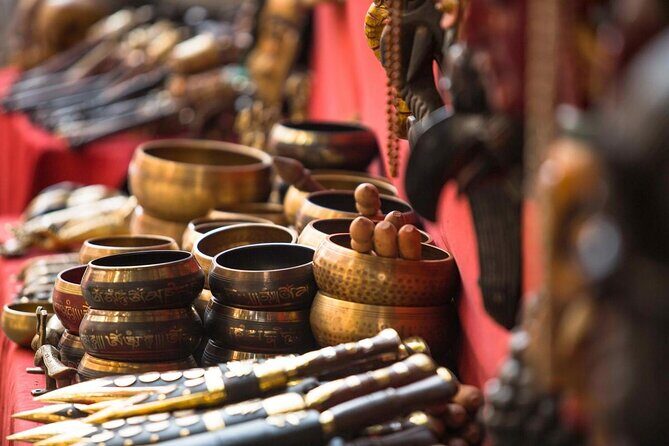
- Market shopping first: you’ll be guided to a local market and pick ingredients before you cook
- Hands-on class format: you’ll cook actively, not just watch demonstrations
- All ingredients provided: you won’t need to track down spices or produce on your own
- Vegetarian and vegan options: ask ahead and you’ll adapt your menu
- Small group size (max 8): easier questions, more attention, less crowding
- You eat what you make: the class ends with the payoff meal(s), not just recipes
Market-to-Kitchen in Thamel: A Practical Way to Learn Real Nepali Flavors
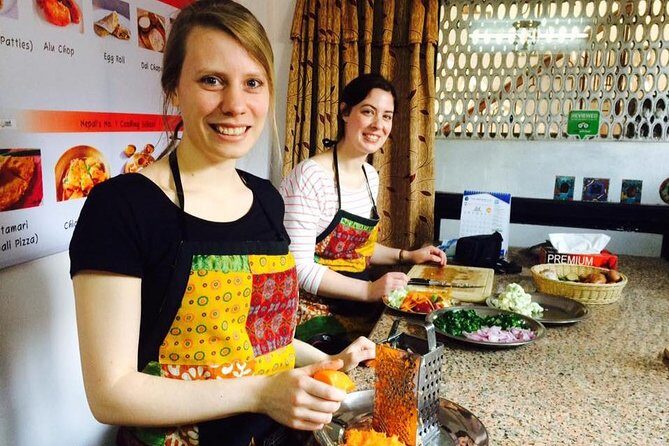
If you want Kathmandu food that feels grounded in daily life, start with the market walk. This experience is built around that idea: you go out to choose ingredients, then you cook with them right after, guided by a Nepali cook. It’s one of the best ways to understand why certain spices are used the way they are, because you see and touch the inputs instead of just reading about them.
For me, the big value is structure. You don’t have to figure out what to buy, where to buy it, or how to turn it into a meal. The class covers the whole flow: ingredients in hand, techniques explained, cooking done, then you eat. You also get recipes to take home, so you’re not stuck relying on memory the next day.
And because the experience includes snacks plus breakfast, lunch, and dinner, it’s a rare deal in a city where food timing can get messy. You’re essentially paying for a cooking class plus a guided cultural food day, not just a one-dish workshop. At $30 per person for a roughly 3-hour program, it’s the kind of cost that makes sense for a short visit.
You can also read our reviews of more shopping tours in Kathmandu
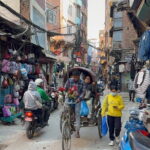
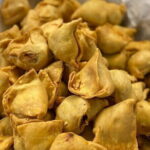
The Nepal Cooking School Start: Getting Oriented Fast
The session typically begins at the Nepal Cooking School with an introduction to local ingredients, spices, and cooking techniques. This is where you get your bearings quickly—what flavors are common, how spices behave in heat, and what to pay attention to while you cook.
You should expect an active format from the start. Even at the beginning, the class is about getting you ready to cook, not just letting you settle in. Think of it as a launchpad: you’ll learn the basics you need so your hands-on time makes sense once the chopping and mixing starts.
The experience also notes that ingredients may be purchased or handled during the early part of the flow. So even if you arrive thinking you’ll only cook, you’ll likely see how the school ties into the broader ingredient story—what’s fresh, what’s essential, and what makes Nepali home-style cooking taste like it does.
The Local Market Trip: Where You Learn What Matters
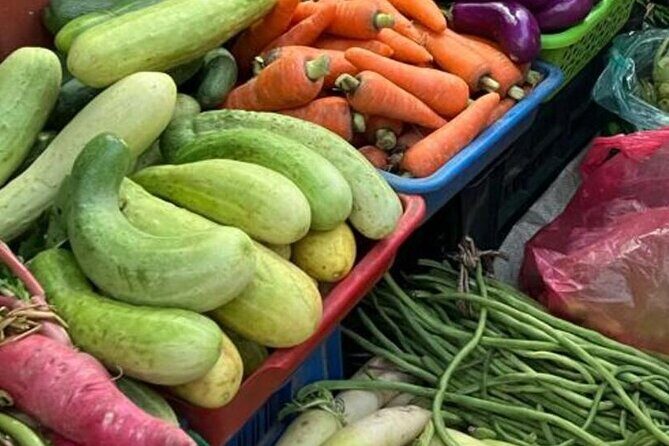
A guided market trip is the heart of this tour. You’re not wandering alone in Thamel’s food maze; you’re going with someone who can point out which produce, spices, and staples actually belong in the dish you’ll cook. This matters more than it sounds, because markets teach you the “why” behind shopping choices.
Here’s what this kind of market visit does for your cooking:
- You learn which ingredients are used together and why
- You start recognizing spices and staples by appearance, not just by name
- You understand freshness as a flavor tool, not a shopping preference
In Kathmandu, Thamel is full of restaurants and tourist-friendly menus. A local market trip pulls you out of that comfort zone and into the everyday cycle of buying ingredients. It’s also where you pick up small cultural cues—how people talk about food, how vendors describe what they’re selling, and how kitchens get stocked.
Also, since all ingredients are included, you don’t need to worry about budgeting or sourcing items after the market. You’re choosing within the experience plan, then moving straight into cooking.
Hands-On Nepali Cooking: Techniques, Pace, and Group Dynamics
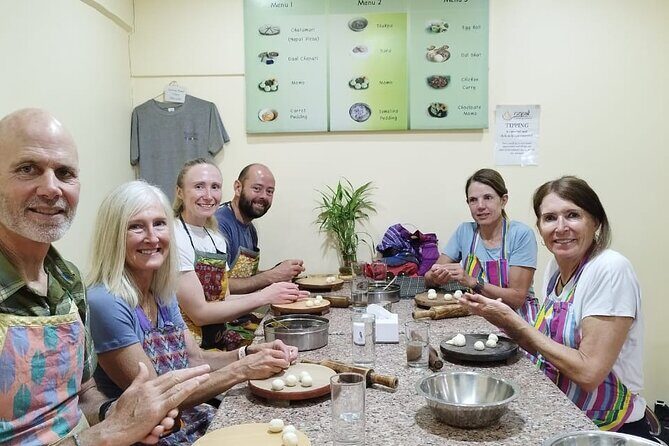
This is a true cooking class, with the key theme being hands-on learning with Nepali cooks while having fun. The goal is that you’ll cook a variety of local dishes using techniques and ingredients that fit the region.
Because the group size is limited to a maximum of 8, you’re more likely to get real help rather than getting lost in a crowd. That’s a big deal in a cooking class. When the pan gets hot and the timing matters, you want a quick answer: more heat or less, salt now or later, and what the consistency should look like.
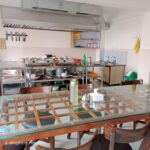
One thing to keep in mind: the cooking-school setup may feel small. In tight spaces, you’ll move quickly and work together. That’s not a bad thing—it can even make the class feel lively and communal—but it can mean the experience is more about making food successfully than about slow, step-by-step training like a full culinary course.
So if your dream is a relaxed, classroom-style “school” with lots of theoretical explanations, adjust expectations. If your dream is learning by doing—chopping, stirring, tasting, adjusting—this format fits really well.
Vegetarian and Vegan Options: Easy to Request, Built Into the Plan
This tour explicitly mentions vegetarian and vegan options are available on request. That’s important in Nepal, where you may still see butter, dairy, or meat-based stocks show up in unexpected places unless the plan is adjusted ahead of time.
What to do: when you book, request the option you need and make sure it’s clear before the day of the class. Then you can focus on learning technique and flavors without worrying whether your meal will match your diet.
In practical terms, vegetarian and vegan versions also help you learn how Nepali flavors can stand on spices and vegetables, not only on animal products. You get a more flexible view of the cuisine, which is useful later when you recreate dishes at home.
You can also read our reviews of more tours and experiences in Kathmandu
Eating Your Creations: Snacks Plus Breakfast, Lunch, Dinner
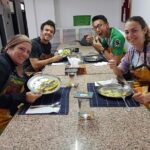
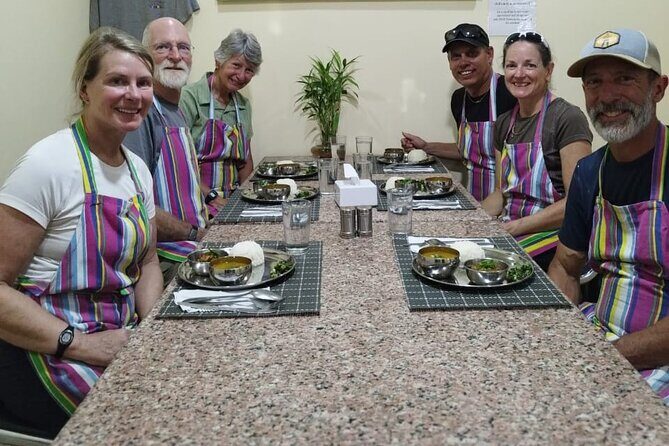
Many cooking classes stop at one tasting. This one keeps going. The experience includes snacks, plus breakfast, lunch, and dinner, and you also eat what you cook after the class.
That means you’re not only paying for the instruction—you’re getting a full food run. For a visitor, that’s a real advantage because it saves mental energy. You don’t have to plan a meal afterward or guess where you’ll eat next. You leave the class with a stomach full of the results.
It also changes how you learn. When you taste the food you made, you can connect technique to outcome immediately. If something needs adjustment—more spice, better balance—you’ll notice while it’s fresh and you’re still in cooking mode.
If you’re doing Kathmandu sightseeing the same day, this is also good planning. It helps you avoid hunger crashes and keeps the day’s schedule simpler.
Price and Value in Thamel: What $30 Buys You
At $30 per person for around 3 hours, you’re paying for more than a lesson. You’re paying for:
- Guided market shopping
- Ingredient handling and cooking instruction
- Multiple meals (snacks plus breakfast, lunch, dinner)
- A small-group experience
- Recipes to take home
That list matters. In cities like Kathmandu, food can be cheap, but structured experiences that teach you how to cook and handle ingredients can cost more. Here, the meals are part of the deal, which makes the price feel reasonable even if you’d normally spend similar money just eating in the afternoon.
The “value” also comes from the small group size. With a max of 8, you get more interaction. That helps if you want to understand methods, not just follow steps.
If you’re budgeting, this is a solid buy for a short stay. It’s also a good option when you want a day that’s less about monuments and more about daily life.
Logistics Without the Headache: Pickup, Mobile Ticket, and Timing
This experience offers pickup, and it also uses a mobile ticket, so you’re not juggling paper confirmations. It’s near public transportation too, which is helpful if you prefer to move around independently in Thamel.
The tour is about 3 hours (approx.), with the school portion starting around a 30-minute intro period. That quick structure is good for visitors who don’t want a half-day commitment, but still want a meaningful activity.
One more planning note: private transportation is not included. That’s normal for a group-style tour, but it means you should confirm how pickup works for your location and what route they’ll take. If you’re staying in or near Thamel, it’s usually an easier match.
Who Should Book This Nepali Cooking Class (and Who Might Not)
You’ll love this if you want an active food experience where learning happens through cooking and tasting. It’s also a strong choice if:
- you enjoy markets and want help knowing what’s worth buying
- you want recipes you can actually use later
- you prefer small groups over crowded tours
- you’re traveling with dietary preferences (vegetarian or vegan options are available on request)
It may not be your best match if you’re expecting a formal, slow-paced culinary school lecture with lots of space and time. Because the experience can be hands-on and the kitchen can feel tight, the pace may feel more like working as a team than receiving a long, polished curriculum.
Should You Book This Market-to-Kitchen Class in Thamel?
I’d book it if you want a short Kathmandu experience that teaches you something you can repeat at home. The combination of a local market trip, Nepali cooks, all ingredients included, and multiple meals makes this feel like good value, not just a ticket to watch cooking happen.
If you’re picky about pace and room to work, set your expectations for a compact, hands-on setting and plan to be flexible. Bring your appetite and your questions, and you’ll get a day that feels real: food, shopping, and cooking tied together in one smooth loop.
FAQ
How much does the cooking class cost per person?
It costs $30.00 per person.
How long is the experience in Kathmandu?
The experience runs for about 3 hours.
What’s included in the price?
All food according to the menu is included, along with market shopping of ingredients, snacks, and meals (breakfast, lunch, and dinner). All ingredients are included.
Do you visit a local market as part of the tour?
Yes. You’ll be guided to a local market and you’ll shop for ingredients there.
Are vegetarian and vegan options available?
Yes. Vegetarian and vegan options are available on request.
Is pickup offered?
Pickup is offered.
What’s the maximum group size?
The group has a maximum of 8 travelers.
What is the cancellation policy?
Free cancellation is available up to 24 hours in advance for a full refund. If you cancel less than 24 hours before the start time, the amount paid is not refunded.
Do I need paper tickets?
No. A mobile ticket is used. Confirmation is received at the time of booking.