REVIEW · KATHMANDU
Kathmandu Secret Food Crawl & Local Market Tour
Book on GetYourGuide →Operated by Mount Glory Treks · Bookable on GetYourGuide
Your snack route through Kathmandu starts at Ason Bazar. This 2-hour Kathmandu Secret Food Crawl is built for people who want real local flavors, not just a guided stroll.
I especially like the focus on Newari cuisine, with standouts like yomari and samay baji that you’d be hard-pressed to pick out on your own. I also love the way the walk blends market food with classic street snacks like momo, chatamari, and laphing.
One consideration: you’ll likely eat a lot, and the pace can feel quick on an already crowded route, so plan for comfy shoes and a big appetite.
In This Review
- Key things I’d zero in on
- Why this crawl begins at Ason Bazar
- Meeting at Chhaya Devi Complex: what to expect before you eat
- Newari food stops: yomari and samay baji in context
- Street food round-up: momo, chatamari, laphing, and more
- Market walking style: lots of taste, short stops, quick learning
- Portion reality: yes, you’ll probably leave stuffed
- Price and value: what $28 buys you in Kathmandu time
- Who should book this Kathmandu Secret Food Crawl
- Tips to make the most of it (and not regret the schedule)
- Should you book it?
- FAQ
- FAQ
- Where is the meeting point?
- How long is the tour?
- How much does it cost?
- What’s included in the price?
- What language is the tour guide?
- What will I eat and drink during the tour?
- Does the tour include Ason Bazar?
- Is there free cancellation?
- Can I pay later?
Key things I’d zero in on
- Ason Bazar, Kathmandu’s oldest local market as the anchor for the whole experience
- Newari staples such as yomari and samay baji explained in plain language
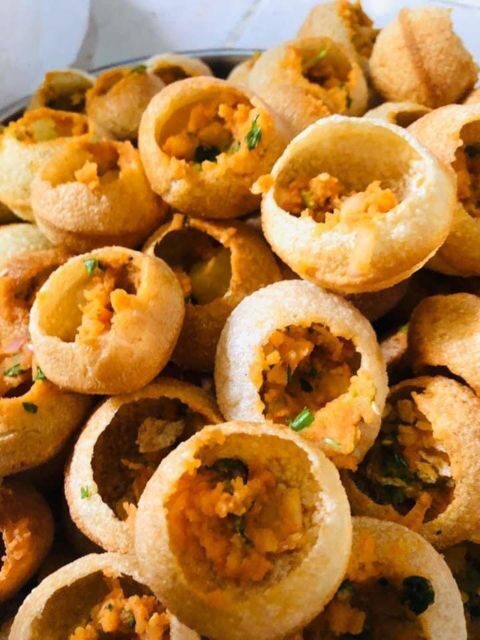
- Street-food tasting that typically includes momo, chatamari (Newari pizza), laphing, and more
- At least 5 tastings plus drinks packed into just 2 hours
- An English-speaking local guide (often Santosh) who connects food to daily life and traditions
Why this crawl begins at Ason Bazar
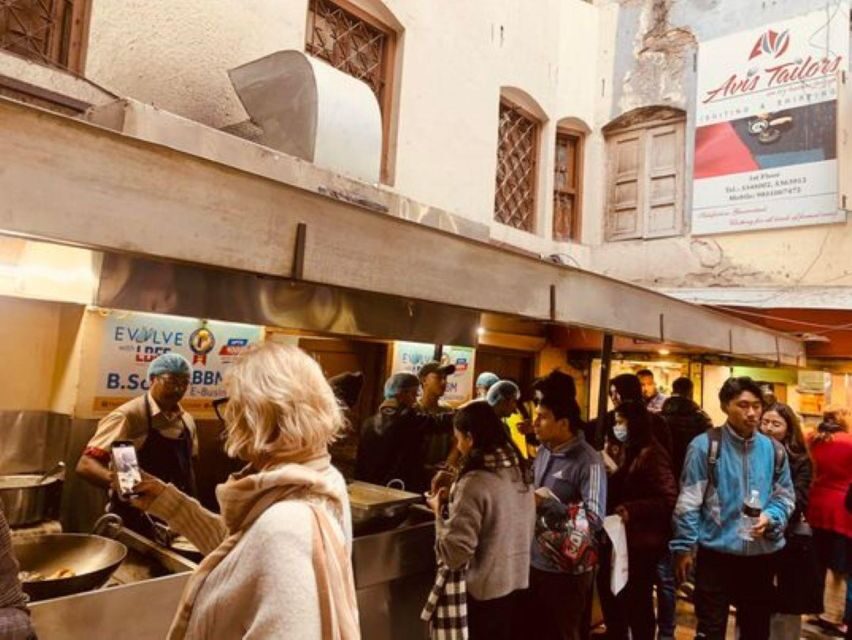
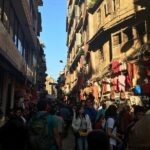
If you want to understand Kathmandu food, you start with where people actually shop and eat. Ason Bazar has that old-market feel: vendors, chatter, and the sense that the day’s rhythm is driven by ordinary needs—ingredients, snacks, and small treats.
What makes this tour work is that it doesn’t treat food as separate from culture. You’re walking through a place that has been doing its job for a long time, and the guide uses that setting to explain what you’re eating and why it matters to locals. It also helps that the tour is short. In two hours, you can get a proper sample without turning your day into a long marching exercise.
You can also read our reviews of more food & drink experiences in Kathmandu
Meeting at Chhaya Devi Complex: what to expect before you eat
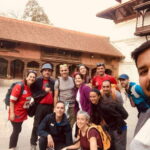
You meet at the main gate of Chhaya Devi Complex. That matters because it sets you up close to the neighborhoods where local markets start to feel real—less like a tourist zone, more like where everyday Kathmandu happens.
From there, you’ll be on foot through the market area and nearby lanes. This is not a sit-down restaurant tour. Expect quick stops, frequent choices of what to try next, and enough walking that you’ll feel like you’re part of the flow rather than hovering like a spectator.
The tour is led by an English-speaking guide. In the experiences I’m drawing from, Santosh comes up repeatedly—friendly, chatty, and ready with stories that connect food with religion, society, and daily customs. If you like asking questions while you snack, this format fits you.
Newari food stops: yomari and samay baji in context
Newari cuisine is one of the big reasons this tour is worth your time. The Newar community has deep food traditions, and the tour aims straight at that. Instead of treating Newari dishes like random “local items,” you get context for what they represent.
Two dishes in particular are central to the Newari side of the experience:
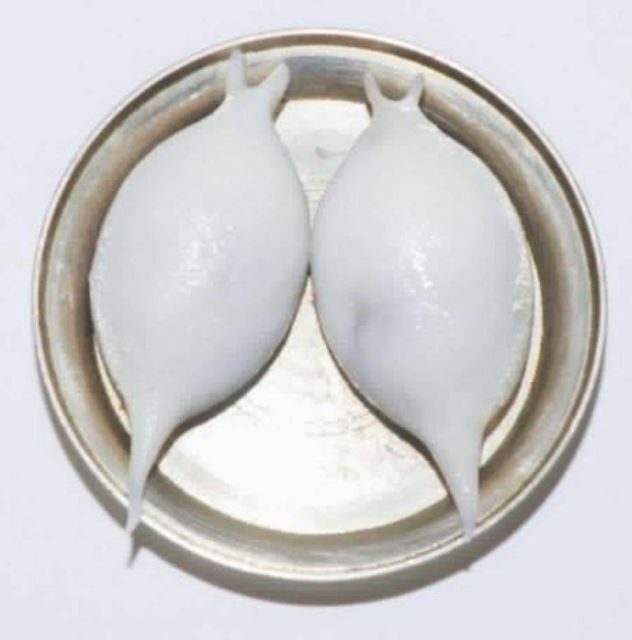
- Yomari: a sweet steamed dumpling filled with molasses and sesame seeds. It’s not just dessert. It’s a window into seasonal and community food culture.
- Samay baji: a ceremonial platter that typically includes beaten rice, spiced buffalo meat, and a spread of pickles and sides. You taste it as a meal, but the guide frames it as something tied to tradition.
Even if you consider yourself a street-food person first, I’d still prioritize this Newari segment. It’s the part that helps you avoid one common Kathmandu mistake: eating lots of snacks without learning the difference between what’s tasty and what’s culturally meaningful.
And it can be a practical reset for your whole trip. After you try these, you start recognizing patterns—sweet-salty balance, pickled accompaniments, and the way dumplings and rice-based foods show up again and again.
Street food round-up: momo, chatamari, laphing, and more
After the Newari focus, the tour shifts into the Kathmandu street-food world—spicy, crunchy, saucy, and built for quick cravings. This is where you’ll get the most variety in the least time.
Here are the street-food names that show up clearly in the tour’s flavor map:
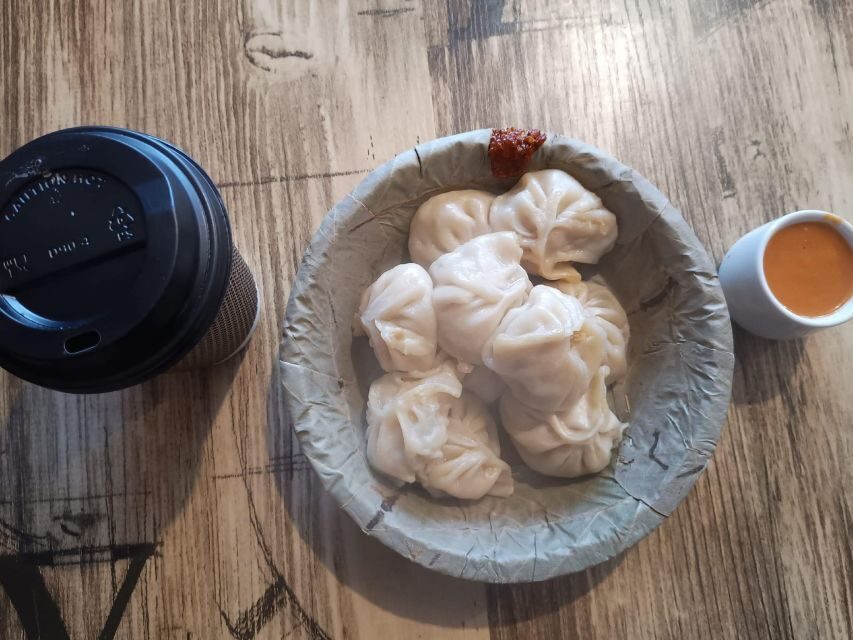
- Momo: dumplings in multiple versions. If you’re nervous about street food, momo is often a comfortable entry point.
- Chatamari: often compared to Newari pizza. It’s savory and griddled, usually topped with ingredients that keep it satisfying rather than fussy.
- Laphing: a cold, spicy mung bean noodle dish that locals seem to love.
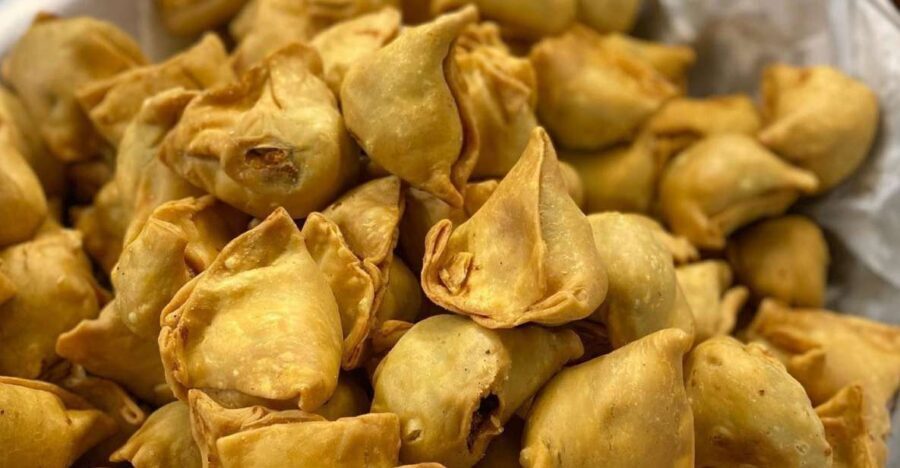
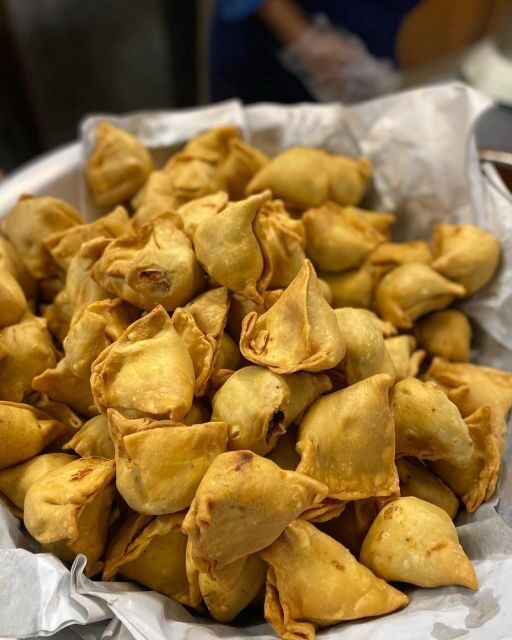
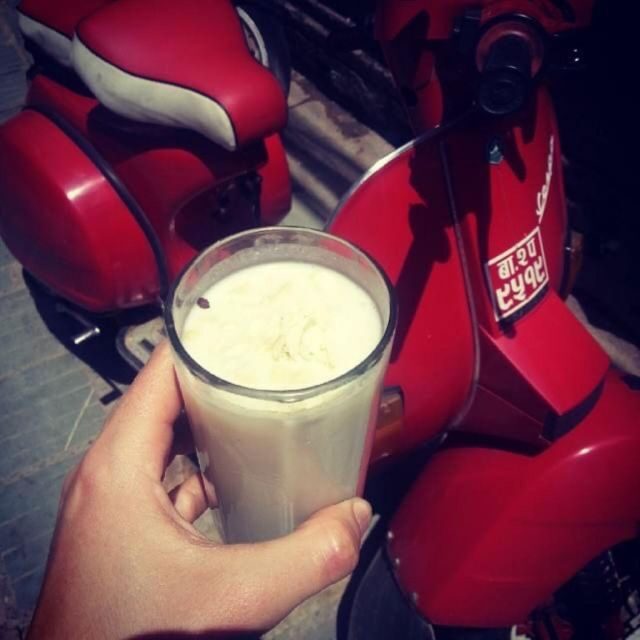
You may also see other favorites during the walk, including things like lassi, pani puri, samosas, and buckwheat pancakes. The exact mix depends on what’s available that day, but the goal is consistent: at least 5 food and beverage items during the 2 hours.
One underrated value here is the guide’s selection process. In the experiences shared, people mention that the food felt fresh and the stalls were clean and reputable. That doesn’t mean street food is risk-free. But with a guide who knows where locals eat, you reduce the “what is this and should I trust it?” stress.
Market walking style: lots of taste, short stops, quick learning
This is a walking tour, but it’s not the slow “see the sights” kind of walking. You’re moving from one tasting to the next, with short cultural explanations between bites.
That format has a big advantage: you’re always doing something, so the tour doesn’t drag. Several people describe the experience as being packed with different flavors—enough that by the end, you feel full in a real way, not just politely fed.
The small drawback is pace. A couple of experiences describe the guide as moving quickly through stops at times. If you like taking your time with each meal and photos matter a lot to you, build in a little extra patience. Also, Kathmandu streets can be busy, so your best move is to keep your focus on the food and not treat it like a slow sightseeing walk.
You can also read our reviews of more tours and experiences in Kathmandu

Portion reality: yes, you’ll probably leave stuffed
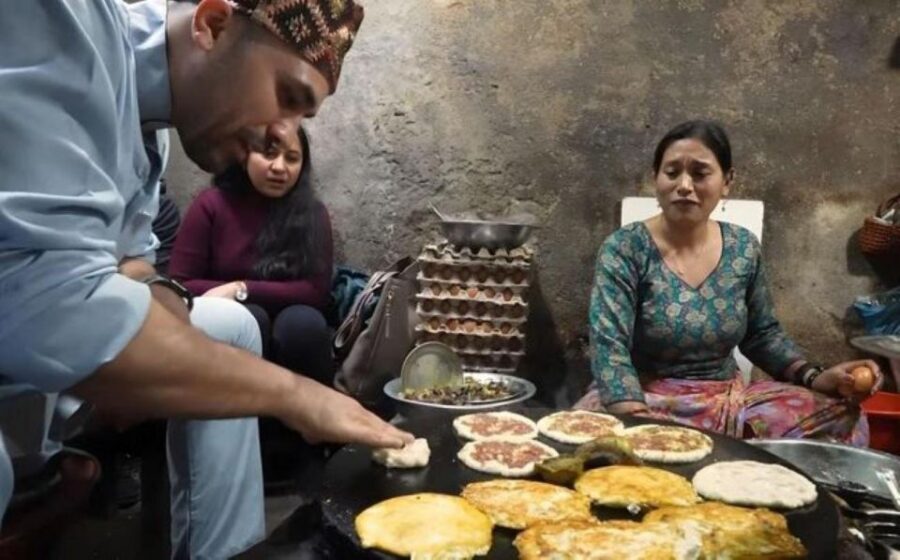
If you’re the type who under-orders so you can save room for later, this tour might surprise you. The design is to give you enough variety to try multiple categories—dumplings, dumpling-like snacks, savory street foods, plus drinks.
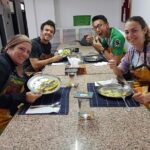
Many people end up saying variations of the same thing: they got plenty of food. Some mention trying 8 or 9 different items within the tour time window, which is a lot for two hours. If you’re also planning dinner right after, you may want to rethink that plan.
My practical advice: treat this as your main meal block. If you’re arriving hungry, great. If you already ate heavily, you might still enjoy it, but you’ll feel the “lots of tasting” side more than the “lots of sampling” side.
Price and value: what $28 buys you in Kathmandu time
At $28 per person for 2 hours, this is priced like a serious “food focus” activity. The math feels better when you remember what’s included: an English-speaking guide, taxes, and foods and beverages—minimum 5 items with drinks.
Street-food tours can be hit or miss when they give you tiny tastes that add up to nothing. Here, the consistent theme is generous servings and lots of variety. That’s why the value works: you’re paying for a guided route to better stalls plus the cultural explanations that help you understand what you’re eating.
So the value question becomes: are you the kind of person who enjoys learning through food and wants shortcuts to good eating? If yes, this is good value. If you only want one or two snacks and don’t care about cultural context, you might feel it’s more than you need.
Who should book this Kathmandu Secret Food Crawl
This tour is a strong match if you:
- Want to try Newari cuisine and street food in one go
- Like asking questions while you eat (food-to-culture explanations are part of the point)
- Are visiting Kathmandu for a short time and want a fast introduction to market life
- Prefer going with a guide so you’re not stuck guessing what’s safe, good, or local
It’s also a good fit for couples or solo travelers. The experience can feel personal because the group can be small, and the guide’s explanations can land well when you’re not shouting over a big crowd.
Where it may not fit as well: if you already know Kathmandu food well and you’re just chasing a chill walk. This is more “eat and learn” than “wander and browse.”
Tips to make the most of it (and not regret the schedule)
A few practical moves make a big difference:
- Come hungry. With multiple tastings plus drinks, you’ll likely feel full at the end.
- Wear grippy shoes. You’ll be walking through market lanes, and you want comfort more than style.
- Ask for context. The guide’s strength is connecting dishes like yomari or samay baji to local meaning. If you only want food, you’ll still get it—but you’ll get more if you engage.
- Plan light afterward. If you have dinner reservations, consider moving them later or keeping it easy.
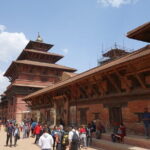
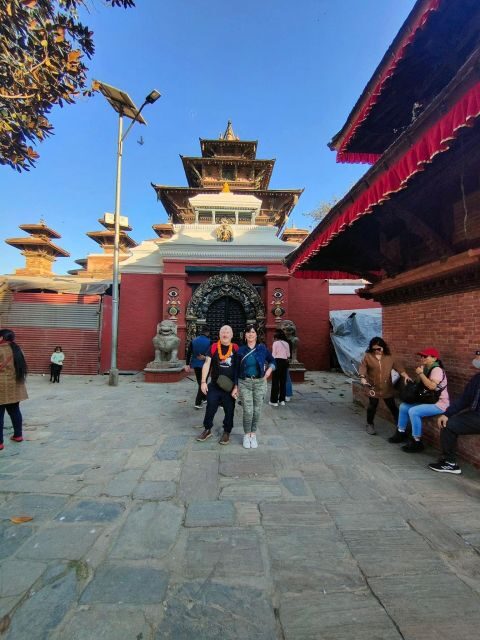
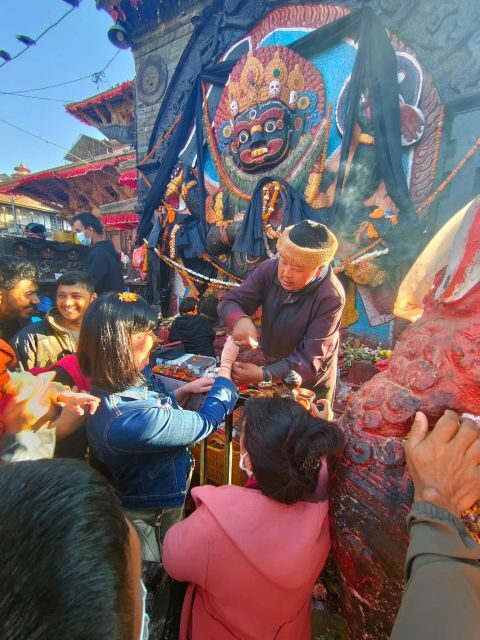
Also, if you’re hoping to see specific cultural sights, be aware that the route can change based on timing. Some experiences mention passing by or including places like the Kumari Temple when the timing allows. Don’t count on it like a guarantee, but know it’s in the realm of possibilities.
Should you book it?
I’d book this Kathmandu Secret Food Crawl if you want a guided taste of Ason Bazar and the foods that define Kathmandu’s market culture—especially if you’re curious about Newari traditions.
Skip it (or choose something else) if you hate eating lots of small items, you don’t want street food, or you’re trying to keep your schedule very light. The tour is short, but it’s not a small-snack experience. It’s a focused food-and-culture walk, built to make you understand the city by what people eat.
FAQ
FAQ
Where is the meeting point?
You meet at the main gate of Chhaya Devi Complex.
How long is the tour?
The duration is 2 hours.
How much does it cost?
It costs $28 per person.
What’s included in the price?
The tour includes an English-speaking guide, all government taxes and official expenses, and all foods and beverages (minimum 5 items with drinks).
What language is the tour guide?
The tour guide speaks English.
What will I eat and drink during the tour?
You’ll have at least 5 food items and drinks, with tastings that focus on Newari cuisine and Kathmandu street food.
Does the tour include Ason Bazar?
Yes, the tour focuses on exploring the famous oldest local market, Ason Bazar.
Is there free cancellation?
Yes. You can cancel up to 24 hours in advance for a full refund.
Can I pay later?
Yes. You can reserve now and pay later.