REVIEW · KATHMANDU
Kathmandu Food Crawl & Market Tour
Book on GetYourGuide →Operated by Santosh Pandey · Bookable on GetYourGuide
Food first, history right behind it. This Kathmandu food market tour turns a simple walk into a tasting lesson on Newari culture and everyday life. In about two hours, you’ll hit the oldest local market area and eat your way through Nepal’s flavors with a guide who explains what you’re actually tasting.
I especially like the focus on Newari cuisine—dishes like Yomari (sweet steamed dumpling with molasses and sesame) and Samay Baji (ceremonial beaten rice with buffalo meat and pickles) aren’t the kind of things you stumble into on your own. I also like the way the tour uses Ason Bazar as the classroom: you get food plus context on crafts, traditions, and how locals move through the market.
One thing to consider: it’s a street-and-market style experience, so expect strong smells and flavors—and plan for spice. If you’re very spice-averse, tell the guide early so you can steer toward milder tastes.
In This Review
- Key Things You’ll Notice on This Crawl
- Chhaya Devi Complex Meet-Up: What a “2 Hours” Tour Really Feels Like
- Ason Bazar and the Old-Market Vibe: Eating Where Kathmandu Has Always Eaten
- Newari Food Classics You Actually Remember: Yomari and Samay Baji
- Street Food Essentials in One Walk: Momo, Chatamari, and Laphing
- Crafts, Traditions, and Everyday Nepal: More Than Just Eating
- What’s Included With Your $28: Value You Can Taste
- Practical Tips Before You Go (So You Enjoy Every Bite)
- Who This Tour Fits Best (And Who Might Skip It)
- Should You Book the Kathmandu Food Crawl & Market Tour?
- FAQ
- How long is the Kathmandu Food Crawl & Market Tour?
- Where do I meet the tour guide?
- What does the tour include in the price?
- What dish types will I likely try?
- What is not included?
- What cancellation options are available?
Key Things You’ll Notice on This Crawl
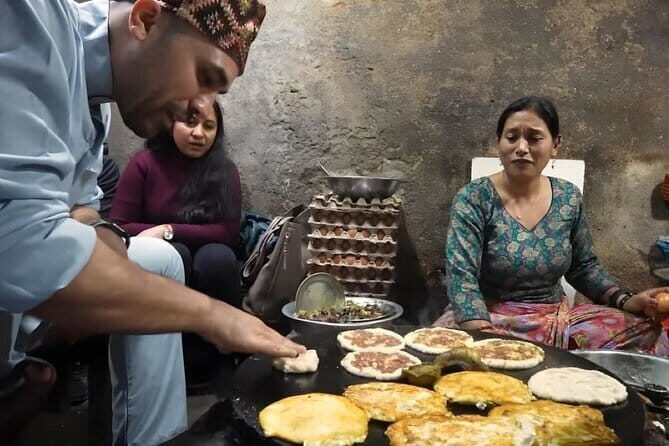
- English guidance that connects food to daily life so you don’t just eat, you understand.
- Ason Bazar market time in the oldest local market area, not a quick photo stop.
- Newari tastings built around classics like Yomari and Samay Baji.
- Street food staples like momo and chatamari that show Nepal’s food mix.
- At least 5 items with drinks, and the portions usually add up fast.
- Craft and tradition stop-ins that explain Newar and related cultural details while you walk.
Chhaya Devi Complex Meet-Up: What a “2 Hours” Tour Really Feels Like
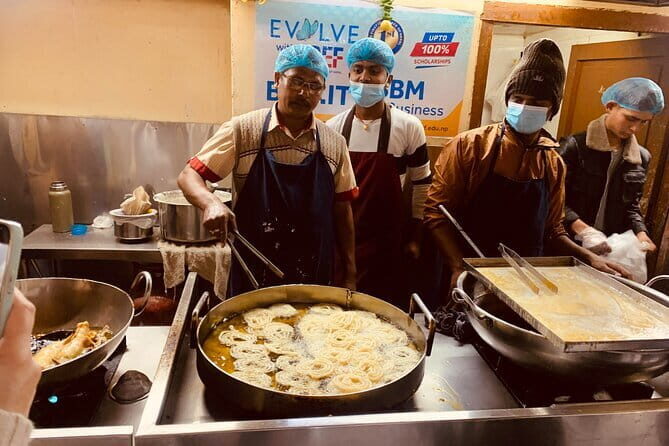
You’ll start at the main gate of Chhaya Devi Complex and keep things simple from there. The plan is a 2-hour food market visit—meaning you’re not transferring across town for long stretches. It’s built for concentration: you walk, you taste, you learn, you move on.
For first-timers in Kathmandu, this kind of timing matters. Markets change by the hour. Food quality depends on what’s being prepared and sold that day. A short, focused tour like this helps you experience the market while it’s still in full swing, without turning your day into a logistics puzzle.
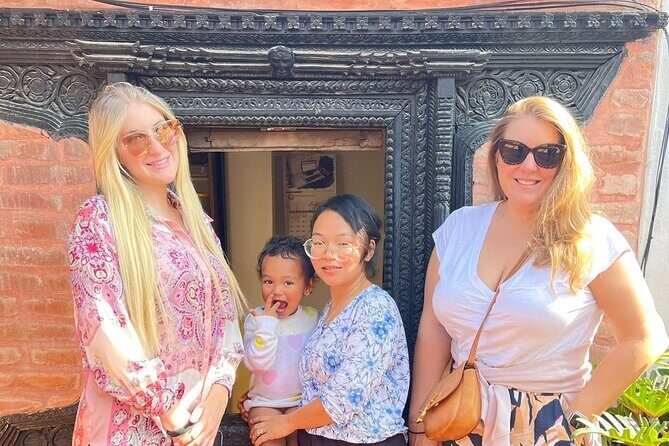
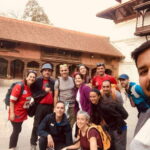
Also, you’re not left to guess. The tour includes an English-speaking guide (Santosh Pandey) who’s there to steer your choices and explain what you’re eating. That’s a big deal in a place where menus can be more visual than written.
You can also read our reviews of more food & drink experiences in Kathmandu
Ason Bazar and the Old-Market Vibe: Eating Where Kathmandu Has Always Eaten
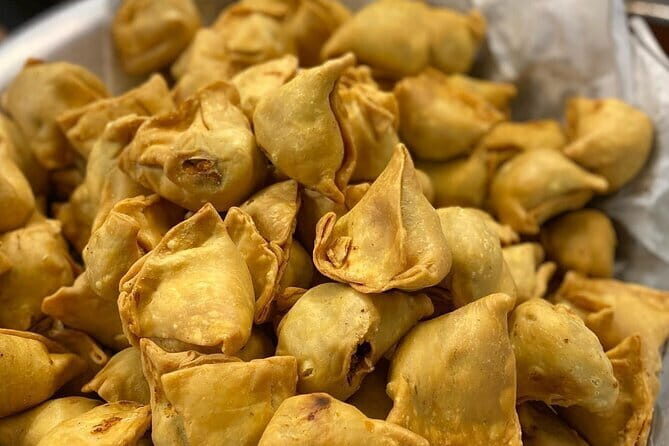
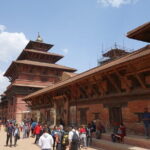
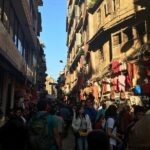
Your biggest “wow, so this is what people mean” moment comes from Ason Bazar, the famous oldest local market in Kathmandu. Think of it as more than a place to buy things. It’s a place where the city’s food culture has been practiced for generations, with everyday regulars doing everyday routines.
What I like about using Ason Bazar as the core is that it gives you a real sense of how markets work in Nepal:
- You watch people choose food directly from stalls and small counters.
- You see how traders, craft sellers, and snack vendors sit side by side.
- You notice how the market shapes what people eat—fast, shared, and suited to walking.
Even if you’re not a shopper, the market layout makes it easier to try multiple foods without having to “commit” to one big meal. You’re sampling. That’s the sweet spot of a food crawl: you get variety without the regret of ordering the wrong thing and being stuck with it.
One practical note: market areas can be crowded and active. If you prefer quiet, this won’t be your vibe. But if you like motion, noise, and the smell of cooking from multiple directions, you’ll have fun.
Newari Food Classics You Actually Remember: Yomari and Samay Baji
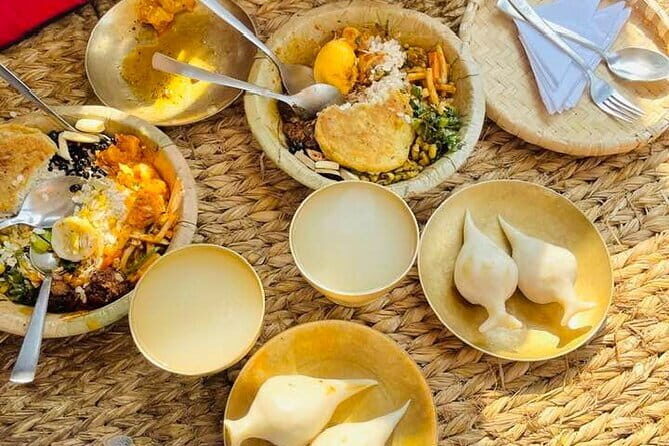
This tour’s flavor identity is Newari cuisine, tied to the indigenous Newar community. Even if you’ve never heard of Newari food, you’ll recognize the pattern: it’s not just about spice. It’s about ceremony, texture, and balance.
Two dishes stand out as the kind of foods that make the whole tour click:
- Yomari: a sweet steamed dumpling filled with molasses and sesame seeds. It’s the sort of dessert that tastes different from Western sweets because the sweetness comes with a warm, grainy depth.
- Samay Baji: a ceremonial platter that can include beaten rice paired with spiced buffalo meat and a spread of pickles. The big idea here is variety on one plate—salty, sour, spicy, and crunchy together.
What this means for you is that you’re not only tasting “street snacks.” You’re tasting food with purpose. You’ll also get a stronger sense of why certain flavors show up in Kathmandu food culture again and again.
And if you’re the type who always asks, what’s in it?—you’re in luck. A good market food tour is basically an ingredient translator, and the guide’s job here is to make the list of spices and textures feel understandable, not mysterious.
Street Food Essentials in One Walk: Momo, Chatamari, and Laphing
Kathmandu street food has a way of acting like a bridge between cuisines. You can taste influences that feel Nepali, Tibetan, and Indian at the same time. This is where you’ll get the snack-size hits that make you want another bite, even if you swore you were full five minutes ago.
Here are the kinds of dishes this tour is built around:
- Momo: spicy dumplings in many variations. If you’ve had dumplings before, these often hit differently because of Nepal-style fillings and sauces.
- Chatamari: often described as a Newari take on pizza. It’s savory, usually quick, and very market-friendly—easy to eat while walking and watching the stall action.
- Laphing: a cold, spicy mung bean noodle dish that locals seem to treat like a go-to. It’s not just heat; it’s also about that chilled noodle bite and the punch of seasoning.
If you’re worried about spice, you can manage it. Bring a simple strategy: ask the guide what’s mild versus what’s not. You’re sampling multiple items, so you don’t need to go full fire with every stop.
Also, keep an eye on your stomach. You’re eating at several places in one walk, so if you usually avoid raw garnishes when you travel, do the same here. The tour provides drinks, but you’ll still want to pace yourself.
Crafts, Traditions, and Everyday Nepal: More Than Just Eating
One of the underrated parts of this tour is how it connects food to culture. The route includes exploration of crafts and traditions of Newars and other unique cultures, and that matters because it explains why certain foods are common and why certain ingredients are respected.
In markets, you see culture in action. A craft seller isn’t just selling an item; they’re showing a style, a technique, and a link to community identity. When the guide ties that back to what people eat, the experience stops being random.
The same goes for conversation. The guide, Santosh Pandey, brings in real context about life in Nepal—history, religion, and how food fits into it. One minute you’re eating something warm and spiced, and the next minute you’re hearing why it shows up the way it does. It makes the food feel less like a snack and more like a story you can taste.
And yes, it helps that the guide is friendly and easy to talk to. You’ll likely get the chance to share what you like (or don’t), instead of being forced through a fixed flavor route.
You can also read our reviews of more tours and experiences in Kathmandu


What’s Included With Your $28: Value You Can Taste
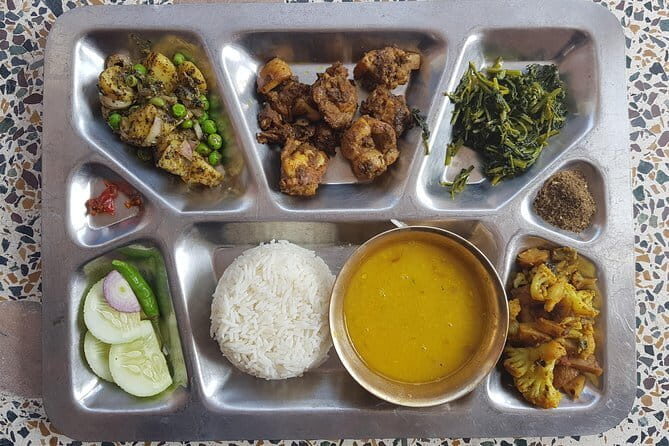
At $28 per person for 2 hours, you’re paying for more than food. You’re paying for:
- an English-speaking guide
- official taxes and expenses
- and all foods and beverages, with a minimum of 5 items plus drinks
That’s the big value question: are you getting enough for the money? With market tastings, the answer depends on portions and pacing. Here, the experience is designed as a tasting, not a single-plate lunch. The quantity tends to add up quickly, so you’ll likely leave with a full stomach rather than just a few bites.
Is it a bargain compared to doing it yourself? If you can read menus, navigate without trouble, and know what’s worth eating, you could piece it together. But most people can’t. You’ll also spend time figuring out where to go and what’s safe or popular. This tour compresses that effort into a guided walk.
So the $28 feels fair when you treat it as a “food guide + sampling menu” deal, not just a snack purchase.
Practical Tips Before You Go (So You Enjoy Every Bite)
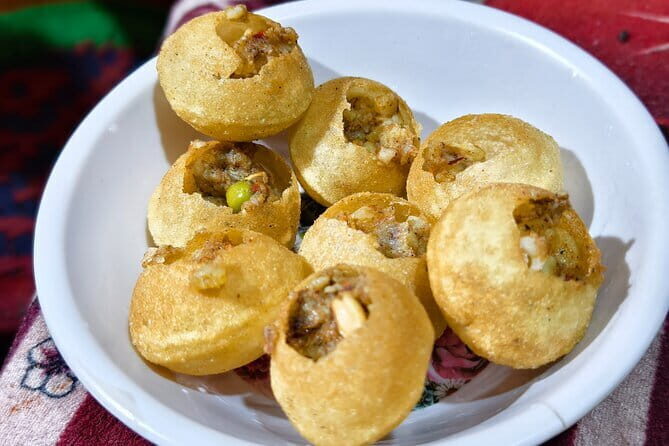
Here’s how to set yourself up for a smooth market crawl:
- Tell the guide your spice level early. You can still sample plenty without suffering.
- Eat lightly before the tour if you want to enjoy everything fully. You’re tasting multiple dishes.
- Wear shoes you don’t mind getting dusty. Market floors aren’t always clean, and you’ll be walking.
- Bring a small appetite for curiosity. Some foods are unfamiliar. The tour is designed for trying, not only repeating what you already know.
- Go with questions. Ask about ingredients, how dishes are made, and what a dish means in daily or ceremonial life.
If you do those things, you’ll get the most out of the guide’s explanations and avoid the common mistake of treating this as a casual stroll.
Who This Tour Fits Best (And Who Might Skip It)
This is a great fit if you:
- want Newari food and Kathmandu market culture in one short outing
- like street food variety—dumplings, savory snacks, and regional dishes
- prefer a guide who talks through history, religion, and ingredients while you eat
It might be less ideal if you:
- strongly dislike spicy food
- hate market-style crowd energy
- want a sit-down restaurant meal with a slower pace
In other words: it’s for people who like to eat on the move and learn by tasting.
Should You Book the Kathmandu Food Crawl & Market Tour?
If you want a short, high-impact way to understand Kathmandu through food, I’d book it. The combination of Ason Bazar market walking, Newari classics like Yomari and Samay Baji, and street favorites like momo, chatamari, and laphing gives you a mix that feels both culturally grounded and genuinely fun.
The biggest reason to choose this tour is the guide factor. With Santosh Pandey, you’re not just collecting bites. You’re getting explanations that make the flavors click, plus tips on what you’re tasting and why it matters locally.
Book it if you’re ready for a two-hour food-and-street-culture session that ends with you full, curious, and a little more fluent in what Kathmandu actually eats.
FAQ
How long is the Kathmandu Food Crawl & Market Tour?
It lasts 2 hours from meet-up to return to the starting point.
Where do I meet the tour guide?
You meet at the main gate of Chhaya Devi Complex.
What does the tour include in the price?
The price includes an English-speaking tour guide, all government taxes and official expenses, and all foods and beverages. Food includes a minimum of 5 items with drinks.
What dish types will I likely try?
The tour focuses on Kathmandu market food and Newari cuisine, including classics such as Yomari, Samay Baji, and street favorites like momo, chatamari, and laphing.
What is not included?
Personal expenses are not included.
What cancellation options are available?
There is free cancellation up to 24 hours in advance for a full refund, and you can reserve now & pay later to keep plans flexible.