REVIEW · KATHMANDU
Kathmandu: 3-Hours of Cooking Class with Meals
Book on GetYourGuide →Operated by Cordial Trek Pvt. Ltd. · Bookable on GetYourGuide
Dinner starts before you learn the first stir. This hands-on Kathmandu class is all about cooking real Nepali food with guidance, and yes, momos are part of the mix. I like that you don’t just watch a demo—you cook one course at a time and eat it fresh, and I also like how the chef coaches each step so it feels doable. One thing to keep in mind: despite the 4-hour label, the time can feel closer to a 3-hour cooking-focused experience plus meals.
You’ll get to choose among three menus, each built around multiple traditional dishes, and you can adjust flavor to your taste as you go. The instructor speaks English and Hindi, and the whole setup is friendly for beginners and even a mixed group. Still, it’s not a good fit if you’re traveling with small kids under 5 or you need mobility accommodations.
Logistics are straightforward: hotel pick-up and drop-off are included, and lunch plus hot drinks (masala tea) are part of the deal. For the price point listed, the value is strong because you’re paying for instruction, ingredients, equipment, transport, and the meal—not just a seat in a classroom.
In This Review
- Key things to know before you go
- What This Kathmandu Cooking Class Actually Feels Like
- Choosing Your Menu: Three Paths Into Nepali Cuisine
- The Momos Factor: Why This Class Hits Even If You Think You’re Not a Dumpling Person
- The Step-by-Step Cooking Style (and How You Keep It Your Way)
- What Happens During Your Meal: Lunch, Masala Tea, and Eating the Results
- English, Hindi, and Group-Friendly Teaching
- Price and Value: Does $2.15 Actually Make Sense?
- Logistics in Kathmandu: Pickup, What to Bring, and What to Leave Behind
- Who Should Book This Class (and Who Might Want Something Else)
- Should You Book This Kathmandu Cooking Class?
- FAQ
- How long is the cooking class?
- Is hotel pickup and drop-off included?
- What’s included in the meal and drinks?
- Do I need cooking experience?
- Are momos included?
- What languages does the instructor speak?
- What should I bring, and are large bags allowed?
- Is the class suitable for young children or mobility needs?
- Can I cancel for a full refund?
Key things to know before you go
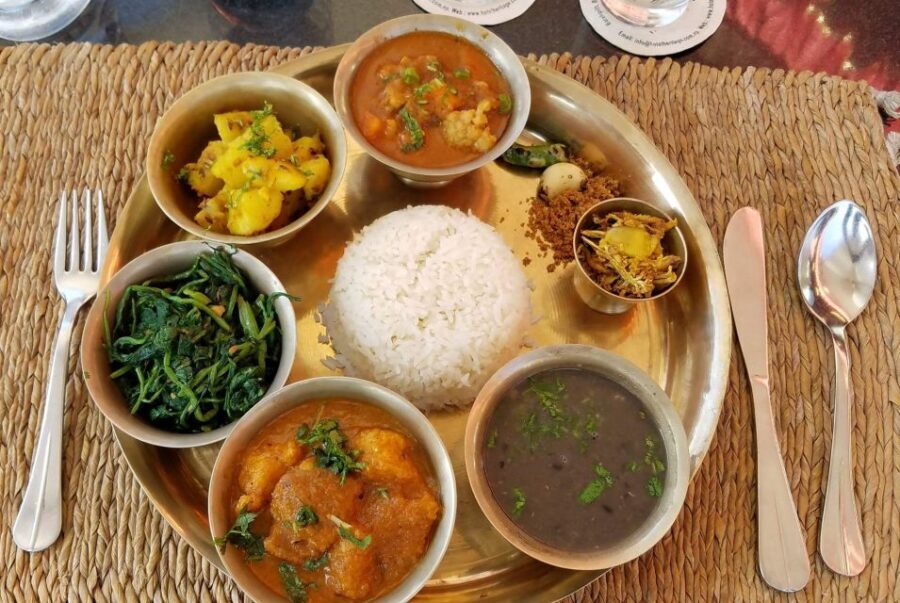
- Cook and eat hot, not later: You make dishes and then enjoy them as they’re cooked.
- Three different menus to match your appetite: Plenty of variety across the courses.
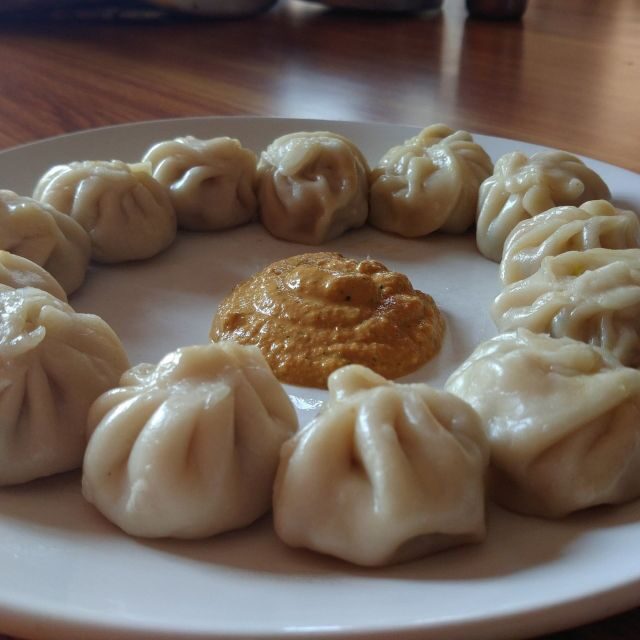
- Momos are included: No one is stuck missing Nepal’s most famous bite.
- Spice control is built in: You can add more chili or keep it mild as you cook.
- Hotel pickup and drop-off: Less hassle in a city where time and traffic can be unpredictable.
- Beginner-friendly format: No prior cooking skill required, just show up ready to work.
What This Kathmandu Cooking Class Actually Feels Like
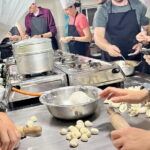
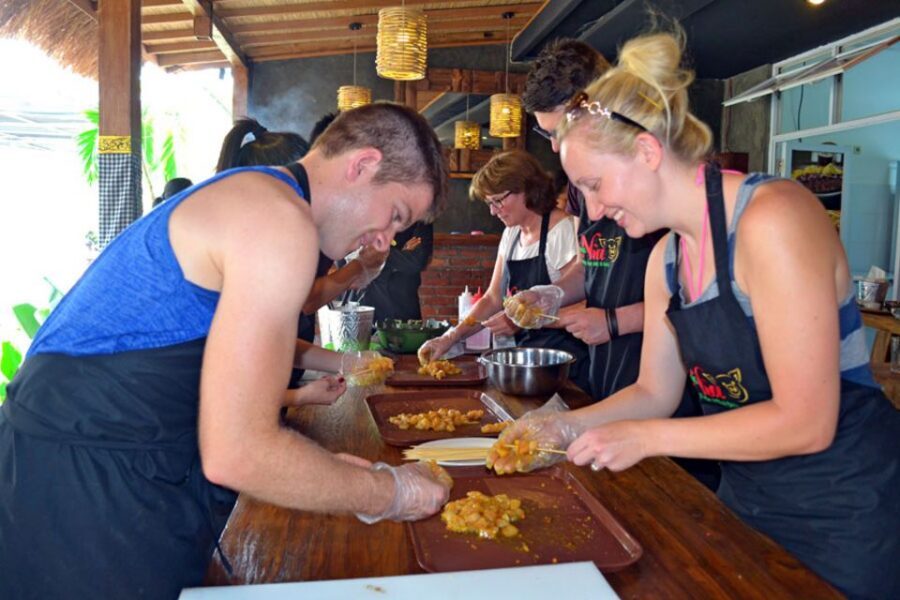
This isn’t a passive “watch and smile” activity. From the start, the rhythm is practical: you pick fresh ingredients, learn a dish step by step, then cook your portion and eat what you made while it’s still hot.
I like that it’s set up like a real meal sequence. Instead of one long session where you lose track of what you’re doing, you move through courses and get to taste your progress immediately. That keeps the energy up and makes it easier to remember what you did right.
You should also know what kind of experience it is. It’s a cooking class with a meal attached, not a full culinary school program. If you’re the type who expects four hours of nonstop chopping and pan work, you may feel the schedule is a bit tighter than that.
You can also read our reviews of more cooking classes in Kathmandu
Choosing Your Menu: Three Paths Into Nepali Cuisine
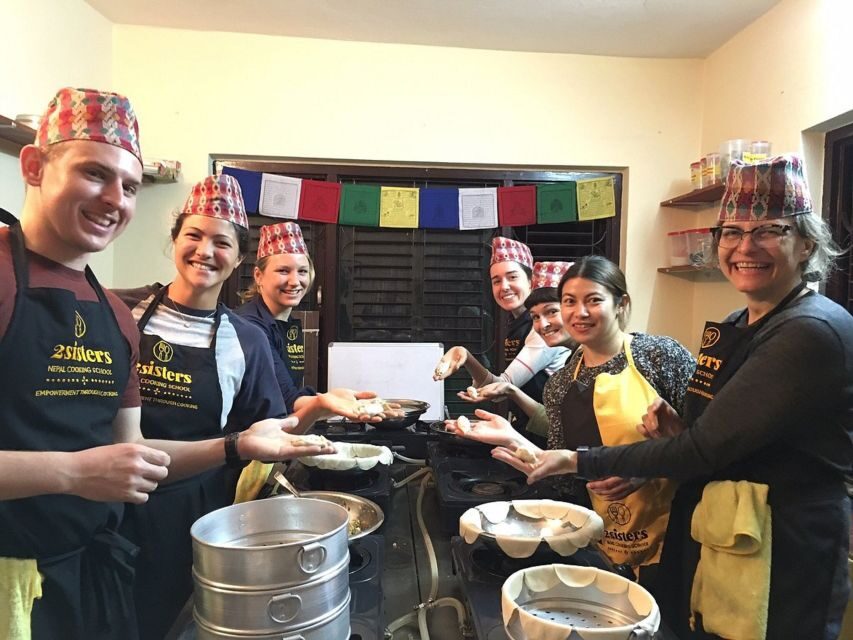
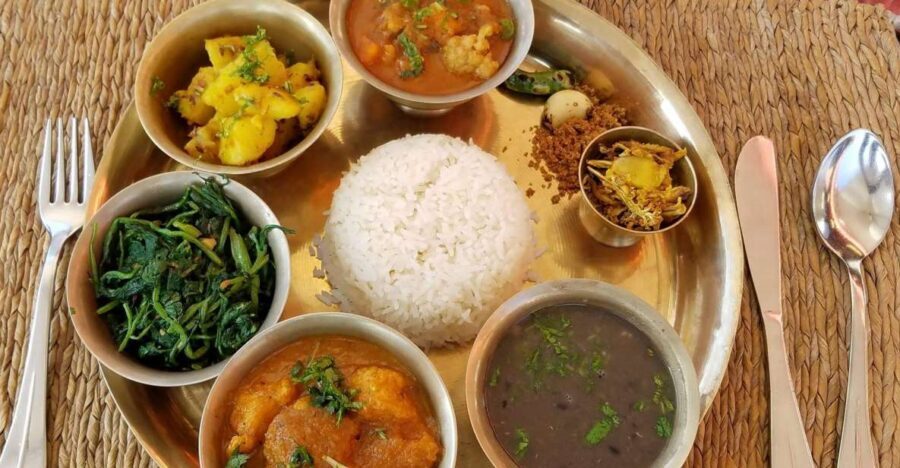
One of the smartest parts of this class is that you’re not locked into a single dish lineup. You explore three different menus, and each menu includes four traditional Nepali dishes, so your afternoon can feel tailored to what you want to eat.
For you, that matters because Nepali cuisine has a broad range of flavors and textures. You might prefer dumpling-style comfort, savory mains, or spicier dishes. The menu choice helps you avoid the common problem where a class forces everyone to cook things they don’t care for.
Also, this structure makes the class feel like a “mini sampler.” You get variety without the stress of trying to cook everything at home afterward from memory. You leave with a couple dishes you actually know how to make, not just inspiration on a flyer.
The Momos Factor: Why This Class Hits Even If You Think You’re Not a Dumpling Person
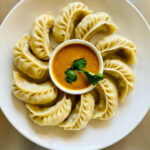
Momos are included, and that’s a big deal for a few reasons. First, they’re one of Nepal’s best-known foods for a reason: they’re approachable, satisfying, and easy to recognize when you’re eating them.
Second, they act like a tasty anchor during the class. When you have something familiar in the mix, it’s easier to build confidence for the dishes you don’t already know. Cooking starts to feel less intimidating because you can compare your result to what you already understand.
Third, eating momos right in the middle of the experience helps you stay engaged. You don’t have to wait until the end to feel like you actually got something done. You cook, then you eat—hot—then you move on.
The Step-by-Step Cooking Style (and How You Keep It Your Way)
The chef guides you through each dish, step by step. This is the key difference between a class that teaches cooking as a skill and one that just hands you a task. Here, the instructor’s job is to help you understand the logic behind what you’re doing—timing, seasoning, and how the flavors build.
You’re also encouraged to customize. Love chili? Add more. Want it milder? Keep it light. That spice flexibility is great for real life because different people taste heat differently. It also means you can protect your dinner from the classic travel regret: accidentally making something so spicy you can’t enjoy your own hard work.
I especially like this “control your flavor” approach because it turns the class into a skill you can reuse. Next time you cook Nepali food—or any dumpling filling, sauce, or spice mix—you’ll know how to adjust without guessing.
Language support helps too. If your Nepali is limited, you can still follow along with instruction in English and Hindi. You get a teaching style that doesn’t assume you already speak the food.
What Happens During Your Meal: Lunch, Masala Tea, and Eating the Results
Lunch is included, and you’ll also have hot masala tea as part of the experience. This matters because it keeps the class from turning into a “half-finished” project where you go home still hungry.
The setup is also designed around timing: you cook one course and enjoy it fresh and hot. That’s more than convenience. Fresh food changes the whole experience. It helps you notice the texture and flavor at its best, which makes the cooking lessons stick.
There’s also a clear boundary on drinks. Cold drinks and alcoholic beverages are not included, so plan to rely on masala tea during the class unless you arrange something else on your own.
One more practical point: come ready to eat. These are not tiny samples. You’re making and eating a meal, so you’ll want to pace yourself without filling up beforehand on snack food.
You can also read our reviews of more tours and experiences in Kathmandu
English, Hindi, and Group-Friendly Teaching
This activity runs with an instructor who teaches in English and Hindi. That’s a practical advantage in Kathmandu because many visitors don’t speak Nepali fluently, and it reduces the chance of missing key steps.
The class is also described as family-friendly, which usually means the pace is not overly intense and the teaching approach is patient. In practice, I’d take this to mean the group is set up so beginners don’t feel embarrassed. You’re there to learn.
That said, it’s not suitable for everyone. Children under 5 aren’t recommended, and people with mobility impairments also aren’t listed as suitable. The format likely involves hands-on work and movement in a kitchen-like space, so if you have limitations, check with the provider before you book.
Price and Value: Does $2.15 Actually Make Sense?
The listed price is $2.15 per person for a 3–4 hour hands-on class. Even if you ignore inflation and just look at what’s included, the value calculation is compelling.
Here’s what you’re getting in the included package:
- hotel pick-up and drop-off
- expert cooking instruction
- all ingredients and equipment
- lunch
- masala tea
That’s a lot for a short afternoon, especially when transport, ingredients, and teaching are usually the biggest costs in food experiences. If you’re comparing to typical “meal plus show” options, this is built more like a work-and-eat workshop.
Two quick reality checks for you. First, confirm the actual pacing when you arrive. One person noted the cooking time felt shorter than the full 4-hour label, so treat it as a class experience with meal time included, not only continuous cooking. Second, remember that personal expenses and cold/alcoholic drinks are not included, so any extra spending is on you.
If your goal is to leave Kathmandu with a skill and a full meal—not just a photo—this pricing structure is hard to beat.
Logistics in Kathmandu: Pickup, What to Bring, and What to Leave Behind
Your day starts with hotel pick-up. You’re asked to be ready in your hotel lobby 5 minutes before the scheduled pickup time to meet the representative. That small buffer helps things run smoothly, especially in a city where schedules can shift.
What to bring:
- a camera
- comfortable clothes
- cash
What not to bring:
- luggage or large bags
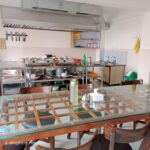
The luggage rule is important. It suggests the cooking space is compact, so you’ll want to travel light. Wear clothes you don’t mind getting a little kitchen-smelling on you.
Also, if you’re sensitive to smells or heat, dress accordingly. You’ll be cooking in a hands-on setting, and traditional spices can linger on fabric.
Finally, the class length is listed as 4 hours total, described as 3 hours hands-on. Plan the rest of your day loosely. You’ll likely finish full and happy, but you may not want a second tour right after.
Who Should Book This Class (and Who Might Want Something Else)
This cooking class is a great match if you want:
- a hands-on meal where you actually cook
- Nepali comfort food beyond what you’d casually order in a restaurant
- spice flexibility and a beginner-friendly teaching pace
- a short activity that includes transport, lunch, and hot tea
It’s also ideal if you like the cultural side of food. Cooking is one of the fastest ways to learn how people think about seasoning, timing, and taste balance. You’re not just eating—you’re learning the process.
Skip it if:
- you need mobility accommodations
- you’re traveling with children under 5
- you expect a pure cooking marathon with no meal pacing
- you strongly prefer activities that don’t involve cooking yourself
If you’re on the fence, think about what you want your Kathmandu day to do. If you want a memorable dinner you helped create, this fits. If you want sightseeing-only, you might want a different type of tour.
Should You Book This Kathmandu Cooking Class?
Yes, I’d book it if you’re the kind of traveler who likes practical skills and immediate rewards. The value is strong because hotel pickup, instruction, ingredients, lunch, and masala tea are included in the package. You also get choice through three menus and you cook enough to feel confident, not just busy.
Book it especially if you’ve never made dumplings or you’re nervous about cooking in a foreign kitchen. The step-by-step guidance and the spice customization are designed for real people, not experts.
The only reason to hesitate is timing expectations. Treat it like a 3–4 hour experience that includes eating your results, not a nonstop 4-hour cooking grind. If that matches your style, you’ll likely walk away with new favorites and a method you can use again at home.
FAQ
How long is the cooking class?
The duration is listed as 4 hours, and it’s described as a hands-on cooking class lasting about 3 hours.
Is hotel pickup and drop-off included?
Yes. Hotel pick-up and drop-off are included.
What’s included in the meal and drinks?
Lunch is included, along with hot masala tea. Cold drinks and alcoholic beverages are not included.
Do I need cooking experience?
No cooking skills are required. The class is designed for beginners, and the instructor guides you step by step.
Are momos included?
Yes. Nepal’s famous momos are included.
What languages does the instructor speak?
The instructor speaks English and Hindi.
What should I bring, and are large bags allowed?
Bring a camera, comfortable clothes, and cash. Luggage or large bags are not allowed.
Is the class suitable for young children or mobility needs?
It’s not suitable for children under 5 and not suitable for people with mobility impairments.
Can I cancel for a full refund?
Yes. You can cancel up to 24 hours in advance for a full refund.