REVIEW · KATHMANDU
4 Days Pikey Peak Trek : The Best View of Mt Everest
Book on GetYourGuide →Operated by Alpinist Club · Bookable on GetYourGuide
The Himalayas, but with time to spare. This 4-day Pikey Peak trek is an honest shot at Everest views, plus quiet village life in the Lower Khumbu. You’ll hike ridgelines, pass Buddhist sites, and chase one of the best “wow” moments in the region: sunrise over the giants.
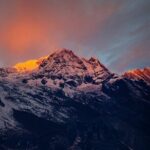
I really like two things here. First, the sunrise views above Pikey Peak when the mountains start glowing and the air feels razor clear. Second, the slow pace through Sherpa-influenced settlements, where monasteries and everyday village routines give the trek its character.
One thing to plan for: the long jeep drive out of Kathmandu and back. It’s a lot of hours in a vehicle, but the summit day usually makes that trade feel worth it.
In This Review
- Key highlights you’ll feel right away
- Why Pikey Peak is the Everest-view shortcut
- The long drive: your first taste of Nepalese roads
- Day 1: Kathmandu to Dhap Bazaar, then Jhapre (easy start)
- Day 2: Jhapre to Pikey Base Camp at 3,640 m
- Day 3: Pikey Peak summit day (4,065 m) and the view payoff
- Day 4: Back to Dhap and down to Kathmandu
- What the Sherpa culture actually adds (beyond photos)
- Price and what $350 covers (and what it doesn’t)
- Lodges, showers, and the comfort level you should expect
- Gear checklist that matches real mountain conditions
- Altitude game plan: climb steady, sleep smart
- Weather timing: when your sunrise is most likely to deliver
- Who this trek suits best (and who should skip it)
- Should you book this Pikey Peak trek?
- FAQ
- What is the highest altitude on the trek?
- How long is the trek and where do you start in Kathmandu?
- Is an English-speaking guide included?
- Are permits included in the price?
- Is lodge accommodation included, and what about meals?
- Do you provide a porter?
- What transport is included between Kathmandu and the trek area?
- Is the trek suitable for pregnant women?
Key highlights you’ll feel right away
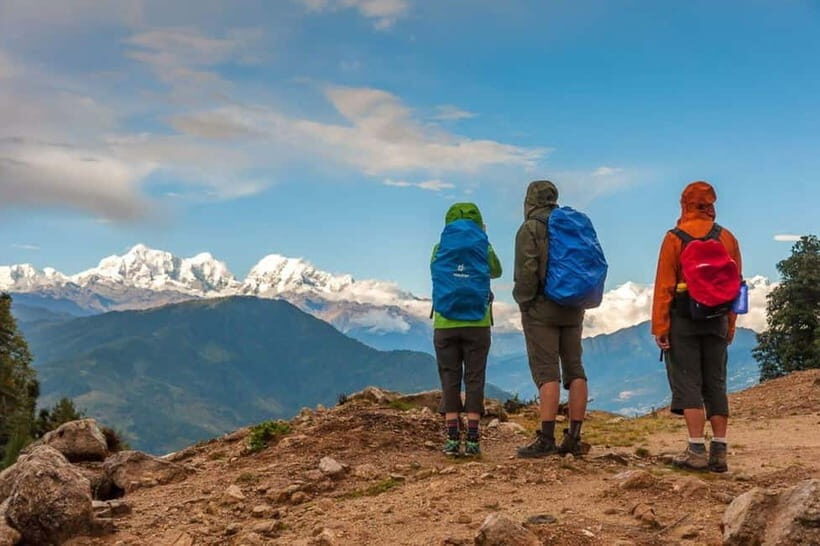
- Pikey Peak sunrise with big panoramas of Everest and neighboring giants
- Off-the-beaten-path feel versus the crowded classic Everest routes
- Sherpa villages and monasteries for culture without complicated logistics
- Rhododendron forests and alpine meadows on easier trail grades
- Short trek timing that fits people traveling with limited days near Kathmandu
- Small group (up to 8) means less chaos and more personal guide attention
Why Pikey Peak is the Everest-view shortcut
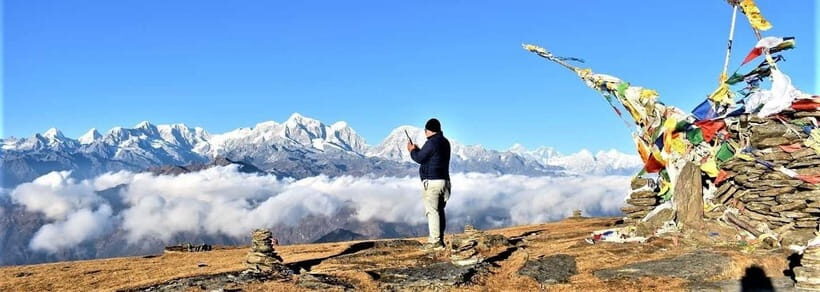
If you want Everest, but you cannot spare weeks (or you do not want the altitude and crowds of bigger treks), Pikey Peak is a smart compromise. You climb to 4,065 m, which is not “high-altitude Everest base camp” territory, but it’s high enough for big mountain drama and crisp weather windows—especially around sunrise.
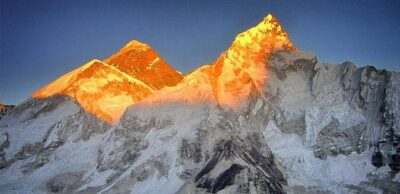
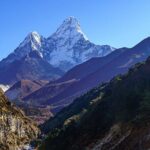
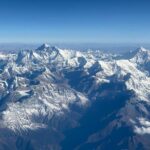
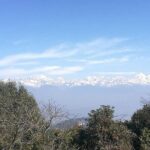
What makes it work is the view geometry. From this ridgeline, you can see a wide sweep of the Himalaya, including Everest, plus other major peaks like Dhaulagiri and Kanchenjunga. The trek also spreads effort across the days, with a calm hike into Pikey Base Camp (3,640 m) before the summit push. That helps your body, and it keeps the itinerary from turning into a slog.
You also get something that many short treks miss: time among people. The route moves through peaceful trails, stone walls, stupas, and Buddhist monasteries, and it passes through villages with Tibetan-influenced culture. In other words, you’re not just walking toward views—you’re walking through a living mountain region.
You can also read our reviews of more hiking tours in Kathmandu
The long drive: your first taste of Nepalese roads
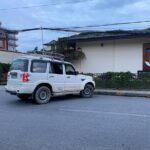
This trek is “short on days,” not short on travel. You get pickup in Thamel and a private jeep/van transfer to the trail area (plan on roughly 7–9 hours, often around 8). The drive follows the Sunkoshi River corridor, passing forests, terraced rice fields, and riverside scenery.
Here’s the practical angle: after a long drive, your first day walking should feel manageable. The goal is to settle in, not break your legs. Still, for sensitive travelers, a serious road day can make it harder to sleep well the first night, so pack a bit of patience and bring water for the road.
The upside of this long start: by the time you’re hiking, you’ve already traveled away from Kathmandu’s noise. Your trek rhythm kicks in fast—air gets cooler, villages get quieter, and the mountain views start teasing you long before sunrise day.
Day 1: Kathmandu to Dhap Bazaar, then Jhapre (easy start)
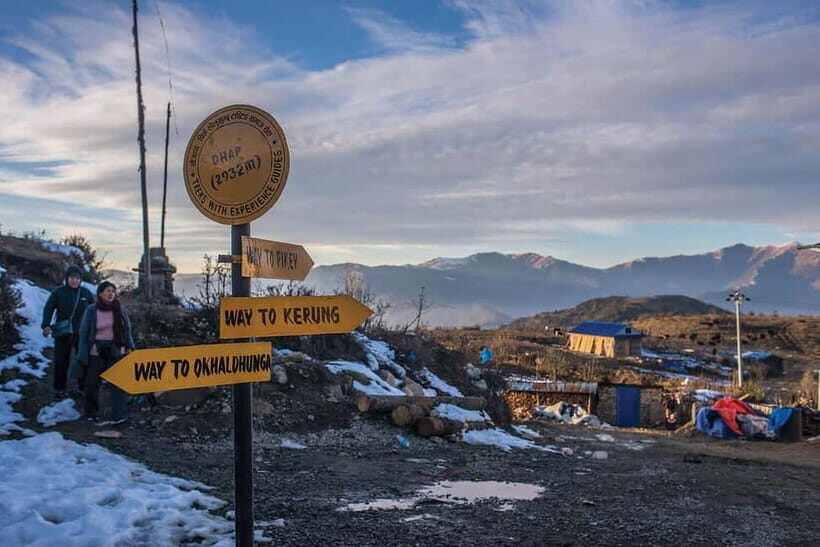
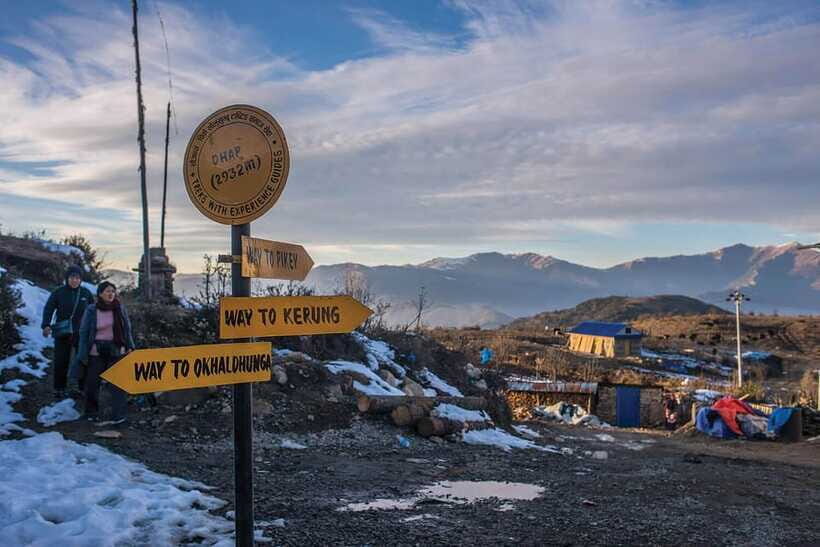
Day 1 is all about transitions. You drive from Kathmandu toward Dhap Bazaar, a route that gives you countryside texture early: forest edges, river views, and terraced fields. After a short break, you start walking toward Jhapre (2,820 m).
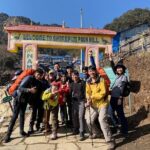
Along the way, you may pass Kerung, a Tibetan-influenced village, and you’ll see Buddhist monasteries along the trail. This is one of the nice parts of short treks: you get cultural moments without feeling like you’re doing a checklist.
That night is in a local lodge, basic but cozy, with twin sharing and blankets. It’s not a fancy setup, but it’s exactly what you want on day one—sleep, hydrate, and keep your legs happy for the higher day that follows.
Day 2: Jhapre to Pikey Base Camp at 3,640 m
Today is your “settle into altitude” day. The hike to Pikey Base Camp (3,640 m) takes around 6 hours and stays on scenic, gradual effort: stone walls, stupas, and monastery landmarks show up more often as you gain elevation.
This is where the trek earns its easy-Everest reputation. At 3,640 m, the air can feel noticeably thinner, but the goal isn’t to race. You’re building altitude slowly enough to enjoy the hike rather than just survive it.
Once you reach Pikey Base Camp, you get a peaceful high-altitude place to rest and prepare. This matters because summit morning is a timing game: you’ll want energy, calm digestion, and steady breathing. If you’re the type who gets anxious about going higher, this overnight stop can really help your mindset.
Day 3: Pikey Peak summit day (4,065 m) and the view payoff
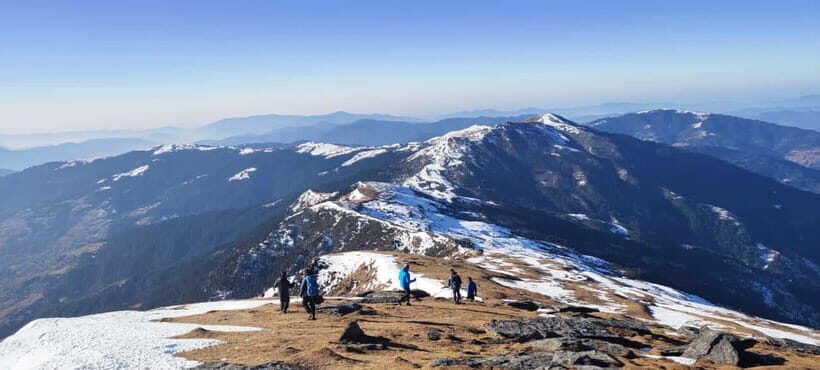
The main event is the push from Pikey Base Camp to Pikey Peak (4,065 m). From the base, it’s about 1.5 hours of hiking to the summit area, followed by time to take in the panorama.
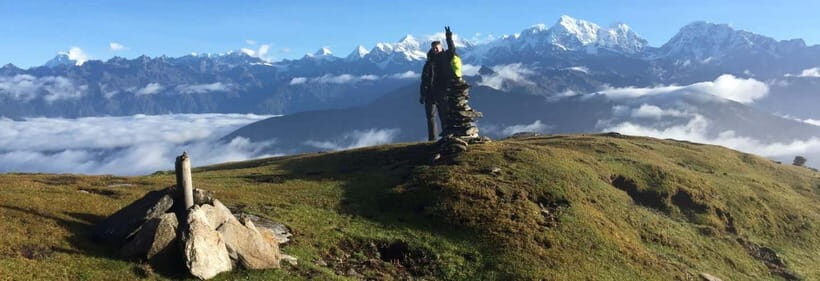
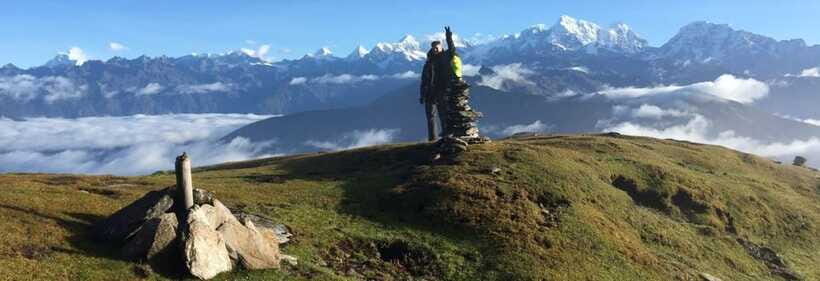
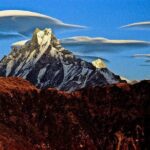
Expect the classic “mountain postcard” range: you can look east to Kanchenjunga and west toward Dhaulagiri, and you’ll get a clear shot at Everest. The summit isn’t about technical climbing—it’s about being in the right place when the sky cooperates. When clouds stay away, the visibility is the whole show.
Then you head back down. The descent takes time—around 6 hours of hiking back through Pikey Base Camp and continuing to Jhapre for the night. This is where your legs might complain, not your lungs. It’s a good day to keep your pace steady and avoid rushing downhill.
I also like how guides on this trek tend to focus on enjoyment, not just logistics. In real-world trips, English-speaking guides like Pemba and Sukbir Tamang have been praised for pacing and keeping the mood right, which matters when you’re working hard and waiting for view timing.
You can also read our reviews of more tours and experiences in Kathmandu
Day 4: Back to Dhap and down to Kathmandu
Day 4 keeps the vibe gentle. After breakfast at the lodge, you walk back toward Dhap (about 2 hours) and then take the jeep/van back to Kathmandu (roughly 8 hours total travel time).
This day is for reflection and recovery. You’ll feel tired in a good way: the kind of tired that comes from being outside all morning, not from suffering. Once you’re back in Kathmandu, the drop-off is back in Thamel, which makes the end of the trip feel tidy instead of chaotic.
What the Sherpa culture actually adds (beyond photos)
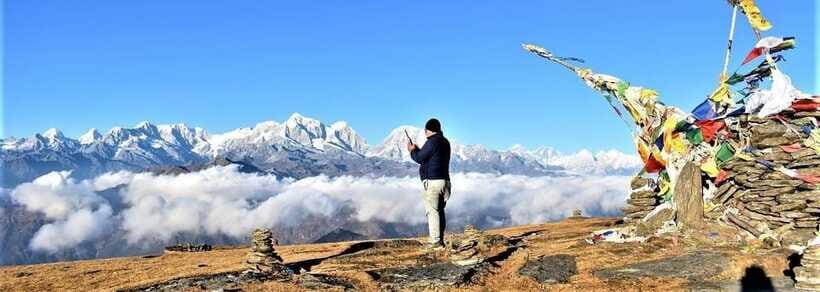
A lot of Everest-adjacent treks sell culture as scenery. Here, it’s part of your walking life. You pass Sherpa-influenced villages and see Buddhist features like stupas and monasteries on the trail. You also get the chance to visit nearby villages where daily routines feel close and real.
It’s also a good place for bird watchers and photographers. Short treks don’t always allow slow observation, but the route has enough calm moments—forest stretches, village stops, ridgeline pauses—to make it worth looking around. If you like listening as much as photographing, you’ll probably enjoy this.
And because the group stays small (up to 8 participants), you’re less likely to feel like you’re marching through someone else’s workday. You still get the support of an experienced guide, but the trek keeps a human scale.
Price and what $350 covers (and what it doesn’t)
At $350 per person for 4 days, this trek is priced as a short, supported mountain trip from Kathmandu. The value comes from what’s included:
Included:
- Experienced English-speaking trekking guide
- Necessary permits and government taxes
- Private jeep/van transfers Kathmandu to Dhap and back
- Hotel pickup and drop-off in Kathmandu
- Lodge accommodation with breakfast during the trek
Not included:
- Meals and beverages
- Porter
- Personal expenses
Here’s how I’d judge the value for you. If you would otherwise pay for guide + permits + private transport + basic lodging, the package pricing makes sense. The cost stays reasonable because this is a short trek and stays in teahouse/lodge style rather than high-end tented camps.
The main “watch-out” is food: since meals are not included, you’ll need a budget for lunches and dinners at the lodges along the way. Also remember there’s no porter included, so you’re carrying your own essentials (or you’ll need to arrange that separately).
Lodges, showers, and the comfort level you should expect
You’ll sleep in teahouses/lodges that are basic but cozy. Rooms are typically twin sharing with blankets. That’s a good standard for this region and altitude: simple, functional, warm enough if you dress smartly.
Hot showers are available in some lodges, but you should assume it may cost extra. Electricity and charging can be limited. Solar or limited power supply is common, and you’ll want to charge devices when you can, not only when you wish you could.
If you’re the type who expects Western hotel bedding, plan for the reality now. If you’re okay with “comfortable enough,” this part of the trek will feel straightforward.
Gear checklist that matches real mountain conditions
Even on a shorter trek, weather can shift quickly. Keep your packing light, but don’t go minimal.
Must-haves (practical):
- Trekking boots (broken in)
- Layering system: base layers, fleece, down jacket, and a waterproof shell
- Gloves, a hat, and a buff or scarf
- Sunglasses and sunscreen (higher = stronger sun)
- Headlamp (evenings start early)
- Water purification: tablets or filter
- Power bank (electricity is limited)
- A small first-aid kit
Altitude and stomach meds are worth packing too. Even though Pikey Peak at 4,065 m is considered relatively moderate, mild AMS can still happen. You want supplies ready for headaches, nausea, or fatigue—not later when you’re already feeling off.
Also, bring a camera, because this trek is built for panoramic frames—especially sunrise.
Altitude game plan: climb steady, sleep smart
The trek includes a helpful altitude rhythm: you go up to 3,640 m and rest before summit day. Still, you should treat the summit like a body workout, not a sightseeing stroll.
Keep these rules simple:
- Drink plenty of water
- Walk slowly; don’t sprint “because you feel good”
- Avoid alcohol during the trek
- After the summit day, focus on sleeping lower (which the itinerary naturally does by returning to Jhapre)
If you’re prone to headaches or you’ve had altitude reactions elsewhere, take precautions seriously. This trek is often friendly for beginners, families, and short-time hikers—but it isn’t a free pass to ignore altitude.
Weather timing: when your sunrise is most likely to deliver
Your best chances for clear mountain views tend to come in:
- Spring (March–May) for rhododendrons and clearer views
- Autumn (Sept–Nov) for the best visibility and weather
- Winter (Dec–Feb) can be cold but often brings clear skies
Connectivity can be patchy, so don’t rely on live forecasts in every village. Also, plan for the fact that sunrise viewing depends on weather that can change quickly. Bring your patience, and keep your camera batteries warm.
Who this trek suits best (and who should skip it)
This trek fits well if you want an Everest view taste near Kathmandu without committing to a long, high-altitude program. It works nicely for:
- Beginners who can handle daily hiking
- Families and groups with limited time
- Photographers and bird watchers
- People who like culture on the trail, not only at the destination
It’s not suitable for pregnant women, according to the provided guidance.
If you hate long road days, you might feel less thrilled. The mountains are the reward, but you will spend a good chunk of time riding in a vehicle.
Should you book this Pikey Peak trek?
I’d book it if you want big Everest views in a short timeframe and you prefer small-group hiking with a guide who keeps the pace sane. The trek’s strength is the mix: sunrise payoff, manageable altitude, and village-life texture without the long, stressful logistics of higher Himalayan routes.
I wouldn’t book it if you’re sensitive to long transfers from Kathmandu, or if you need meals fully included and no hiking carrying anything at all. Also, if you’re expecting resort comfort, this is not that trip.
If you’re flexible and you dress smart for mountain weather, this is a solid, value-friendly way to experience the Everest region for real.
FAQ
What is the highest altitude on the trek?
The highest point is Pikey Peak at 4,065 m.
How long is the trek and where do you start in Kathmandu?
It’s a 4-day trek, with pickup from Thamel.
Is an English-speaking guide included?
Yes. You get an experienced English-speaking trekking guide.
Are permits included in the price?
Yes. Necessary permits and government taxes are included.
Is lodge accommodation included, and what about meals?
Lodge accommodation with breakfast is included. Meals and beverages are not included.
Do you provide a porter?
No. Porter service is not included.
What transport is included between Kathmandu and the trek area?
A private jeep/van is included for transfers Kathmandu to Dhap and back, with hotel pickup and drop-off.
Is the trek suitable for pregnant women?
No. It is not suitable for pregnant women.