A morning hike with Himalaya views is hard to beat. This one runs from Sanga to Panauti on a newer, less-visited trail outside Kathmandu, with big ridgeline panoramas and local cultural storytelling led by an English-speaking guide like Ssyam. You’ll also get the practical peace of mind of a guided walk, so you’re not stuck figuring out paths.
What I like most is the combo of great scenery plus a route that feels genuinely local, passing through villages where foreign tourists aren’t a common sight. The second big win is how the guide weaves in Tamang culture along the way and Newar culture as you reach Panauti. The main thing to consider is that it starts with a steep ascent and includes ridgelines with steep drops, so you should be comfortable moving on uneven ground.
In This Review
- Key things to know before you go
- Sanga’s Shiva statue start: getting oriented fast
- How the trail feels: steep start, ridge walking, and Himalayan views
- Village walking that stays real: Tamang culture on the way
- Arriving in Panauti: Newar temples, rivers, and local folklore
- Lunch in Panauti: refuel with a local family (and a homestay option)
- Price and value: what $65 buys you in real terms
- Small-group day hike rhythm: timing, transfers, and what to plan
- Earthquake damage note: planning a respectful, flexible mindset
- Who should book this hike, and who might skip it
- What to bring (simple, useful checklist)
- Should you book the Sanga to Panauti hike?
- FAQ
- Where does the hike start and end?
- What time does the hike start?
- How long is the hike and how far is it?
- Is the hike difficult?
- Does the price include transportation and a guide?
- Is lunch included in the price?
- How many people are in the group?
- Is there an entrance fee?
- Is cancellation free?
Key things to know before you go
- Sanga trailhead with a famous Shiva landmark: You start just outside Kathmandu Valley at Sanga, known for the tallest Shiva statue in the world.
- An early climb, then mostly flatter walking: About the first half hour is steep, then the route levels out along ridgelines.
- A newer route through villages: The Sanga to Panauti trail was developed only a few years ago, so it can feel quieter and more off-the-main-track.
- Culture built into the walk: Expect a guide to explain Tamang culture en route and Newar culture in Panauti.
- End in a spiritually important Newar town: Panauti is a temple-filled community tied to local folklore and holy rivers.
- Lunch is on you, but it’s part of the experience: You’ll buy a Nepali lunch in Panauti to refuel, and you also have a homestay lunch option at extra cost.
Sanga’s Shiva statue start: getting oriented fast
The hike begins in Sanga, just east of the Kathmandu Valley. Even before the trail work starts, the setting gives you instant context for what you’re doing: this isn’t a generic nature walk. It’s a route that starts near one of the country’s most eye-catching religious landmarks, the tallest Shiva statue in the world. That matters because it sets a tone of reverence for the landscape you’re walking through.
Logistically, you meet at Royal Mountain Travel on Lal Durbar Marg in Kathmandu at 8:00 am. The day includes transportation from Kathmandu to Sanga and then back from Panauti to Kathmandu, and the experience ends back at the meeting point. One detail worth double-checking: the listing notes hotel pickup/drop-off is not included, even though transfers are part of the plan. In practice, that usually means you should be ready to meet at the designated point or confirm where they pick you up.
If you like starting the day early, this is your kind of outing. An 8-hour day also gives you time for the hike, photo stops, and the transition from “valley outskirts” into town.
You can also read our reviews of more hiking tours in Kathmandu

How the trail feels: steep start, ridge walking, and Himalayan views
The distance is 6.2 miles (10 kilometers), and the hike is rated easy-moderate. Here’s the feel of it, in plain terms.
First, there’s an ascent for about half an hour. It’s described as steep, but not endless. That early push is the part that decides whether the day feels easy or like work, especially if you’re not used to hiking with elevation changes. After that, the trail mostly flattens out and shifts into a ridgeline style of walking.
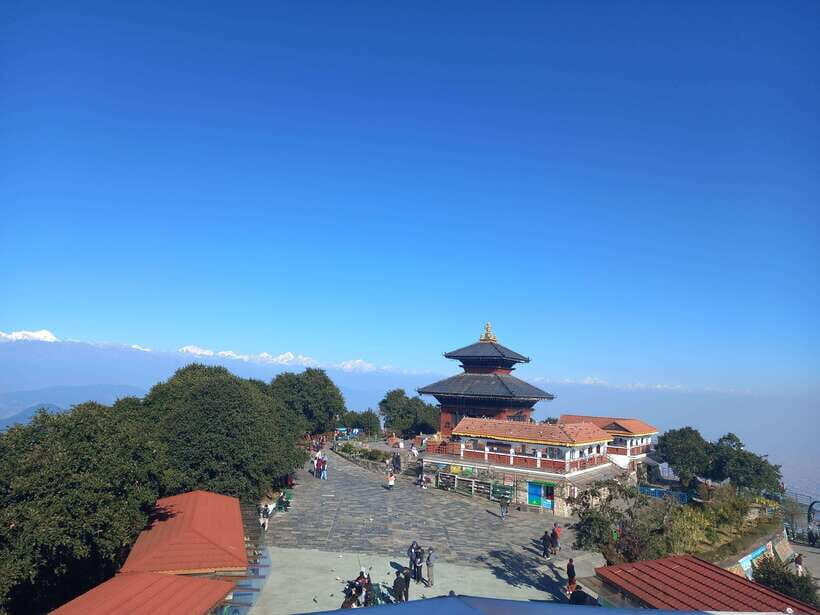
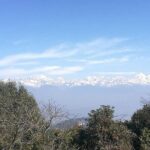
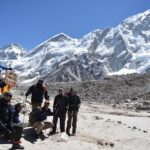
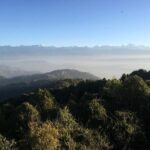
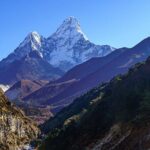
Then you’ll walk along sections with steep drops below. The views are the pay-off: rice fields and farmland stretching out below, plus unobstructed Himalayas on clear days. If the weather is hazy, you’ll still get the valley-scape, just without the sharp “wow” peaks. Also, expect some forest time—one of the most praised moments is walking through the woods.
Practical advice: wear shoes with decent grip. Ridgeline paths can be uneven, and you want sure footing when you’re dealing with drops and changing surfaces. Bring sun protection too. Even when you’re in trees, the open ridges tend to catch the light.
Village walking that stays real: Tamang culture on the way
One of the best reasons to do this hike is simple: you’re not just walking for views. You’re walking through communities where the trail itself is part of the story.
The route passes through villages along an under-visited path. Foreign tourists aren’t a common sight here, which changes the vibe. Instead of moving through a theme-park lane, you move through living countryside where houses, fields, and everyday life sit close to the trail.
Your guide is there to translate what you’re seeing, including Tamang culture along the way. The point isn’t trivia for trivia’s sake. When someone explains the cultural context—how communities live, what you might notice, why certain places matter—you tend to look slower and see more. And the Sanga to Panauti trail being developed only a few years ago helps with that: you’re on a route that hasn’t been “fully packaged” for visitors.
Also, the guided element is genuinely useful beyond culture. The hike is designed to help you avoid getting lost, which matters on newer trails or paths that don’t look like a big, obvious main route.
Arriving in Panauti: Newar temples, rivers, and local folklore
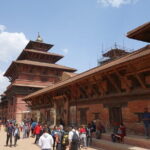
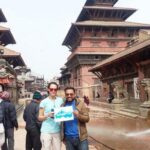
By the time you finish, you step into Panauti, a small Newar town surrounded by green hills and holy rivers. It’s described as spiritually rich, filled with Hindu and Buddhist temples, and known locally for its special status.
Panauti also comes with folklore. One story says Panauti was an offering from a king of Bhaktapur to his sister as a dowry gift. Even if you don’t treat folklore like a literal history lesson, it helps you understand why people respect the town and why temples and sacred water show up in daily life.
What you’ll likely feel here is a shift from walking edge-of-the-valley scenery into a more settled, ritual-focused atmosphere. It’s the kind of ending that makes a day hike feel like a full cultural visit, not just an exercise session with scenic stops.
Lunch in Panauti: refuel with a local family (and a homestay option)
You’ll want food today, and the plan is built around that. The hike includes time to purchase a Nepali lunch with a local family in Panauti. Lunch itself is listed as not included in the price, which keeps the cost down for you while still supporting local meals. In other words, you’re not paying extra for a packaged lunch you might not even like—you’re buying what you need from people who live there.
There’s also an additional option mentioned for lunch at Panauti Community Homestay, established by local women in the area. That’s specifically described as an example of women’s empowerment and entrepreneurship in Nepal. This is not automatically included; it’s an extra expense if you choose it.
My practical take: if you’re hungry after the walk, lean into the meal where it’s offered. Even simple Nepali food tastes better after a hike because you’re calmer and actually ready for it. If you care about supporting local initiatives, consider the community homestay lunch option, but only if it fits your budget.




Price and value: what $65 buys you in real terms
At $65 per person, this isn’t a bargain day trip, but it’s also not trying to be one of those “cheap but stressful” options. The biggest value pieces are the things that reduce hassle and risk:
- Transportation between Kathmandu and both ends of the hike
- An English-speaking hiking guide
- A small-group setup, maximum 15 travelers, which keeps the experience from feeling rushed or chaotic
- A guided route through places that can be confusing if you go alone, plus cultural context along the way
When you add that up, $65 starts to look like you’re paying for local knowledge and logistics, not just the walking distance. And the payoff is that you spend the day seeing Sanga’s landmark start, crossing countryside with farmland views, then landing in a temple town like Panauti.
If you’re traveling solo, this also tends to be a good fit because you’re not expected to find your own route or coordinate transport between two different spots. If you’re already planning a lot of self-guided sightseeing in Kathmandu Valley, this day hike gives you a more “on foot” slice of Nepal that’s closer to real community life.
Small-group day hike rhythm: timing, transfers, and what to plan
The hike runs for about 8 hours. With a 8:00 am start, that means you should expect an early morning and a full day on your feet, even if the climb is concentrated in the first half hour.
Because you start at a specific meeting point and end back at that same place, your day stays tidy. There’s no need to worry about finding the trailhead late in the morning, which is where self-guided plans often go sideways.
Transfers are included in the experience, but because the listing also says hotel pickup/drop-off isn’t included, I’d treat that as a reminder to confirm details for your exact location. If you’re staying near public transportation, you’ll probably have fewer headaches.
Also note the experience uses a mobile ticket. That’s useful if you like keeping everything on your phone and not carrying paper.
Earthquake damage note: planning a respectful, flexible mindset
The route includes sites that note significant damage due to the earthquakes in April and May 2015. That doesn’t mean the day will be depressing—it’s more about adjusting your expectations. You might see repair work, changes in how some places are used, or areas that look different than older travel photos.
This is where having a guide helps. When someone explains what you’re seeing and why, you can approach the damage with more understanding and less confusion. It’s also a reminder to be flexible: if something is inaccessible or unsafe on the day, your group may adapt.
Who should book this hike, and who might skip it
This tour is a strong match if you want:
- Scenery with a real local thread (villages, culture explanations, and a town finish)
- A hike that’s easy-moderate, not a hard mountaineering day
- A guided route that helps you avoid getting lost
- A small-group pace, up to 15 people
It might be less ideal if:
- You hate ridgeline exposure or walking near steep drops
- You want a hike with lots of flat, easy strolling the whole way
- You dislike the idea that lunch is not included and you’ll need to plan for it
What to bring (simple, useful checklist)
- Hiking shoes with grip for uneven ground
- Sun protection (it can be bright, especially on ridges)
- A light layer in case mornings feel cool
- Water and snacks if you know you get hungry fast, even though lunch is part of the plan later
Should you book the Sanga to Panauti hike?
Yes—if you want an authentic day outside Kathmandu that mixes countryside walking, temple-town atmosphere, and cultural context without turning into a logistics headache. The value is strongest when you factor in the guided route, transportation, and the small-group size, plus the fact that the trail was developed only a few years ago and can feel quieter than the most famous paths.
I’d book it if your ideal day is: start with a landmark, work through a short-but-steep climb, enjoy ridgeline views over farmland, then finish in a Newar town full of temples and local stories. If you’re sensitive to steep drops or uneven trail footing, think carefully and choose your comfort level honestly. This hike is very doable for many people, but the landscape doesn’t lie.
FAQ
Where does the hike start and end?
You meet at Royal Mountain Travel on Lal Durbar Marg in Kathmandu. The hike ends back at the same meeting point.
What time does the hike start?
The start time is 8:00 am.
How long is the hike and how far is it?
It’s about 8 hours total, and the walking distance is 6.2 miles (10 kilometers).
Is the hike difficult?
It’s described as an easy-moderate hike. There is a steep ascent for about half an hour at the beginning, and some parts are along ridgelines with steep drops.
Does the price include transportation and a guide?
Yes. The experience includes transportation from Kathmandu to Sanga and from Panauti back to Kathmandu, plus an English-speaking hiking guide.
Is lunch included in the price?
Lunch is not included. You can purchase a Nepali lunch with a local family in Panauti to refuel.
How many people are in the group?
The maximum group size is 15 travelers.
Is there an entrance fee?
An entrance fee applies to children 10 years and above.
Is cancellation free?
Yes. You can cancel up to 24 hours in advance for a full refund.