REVIEW · KATHMANDU
Everest Base Camp trek- 11 days
Book on Viator →Operated by Mount Face Nepal · Bookable on Viator
One of the best flights you’ll ever take is to Lukla. This 11-day Everest Base Camp trek strings together sunrise skies, Sherpa villages, famous monastery views, and the big-ticket moments at Everest Base Camp and Kalapathar. It’s built for steady trekking with altitude in mind, plus logistics handled so you can focus on walking and breathing slowly.
I especially like the straightforward support: pickup and drop for your Lukla flights from Kathmandu and a government-licensed guide to keep the trek organized. And I like the human touch—guides like Dipu are highlighted for caring pacing, good communication, and making sure you’re not worrying about the next step.
One drawback to consider is the commitment. You’re moving through big altitude changes across 11 days, and this trek asks for at least moderate physical fitness (and the patience to take it slow when your body protests).
In This Review
- Key highlights you’ll feel during the 11-day trek
- Why the Everest Base Camp trek feels so different from other hikes
- Getting to Lukla: the Kathmandu start that sets your mindset
- Days 1–3: Lukla to Namche Bazaar with smart altitude breathing room
- Days 4–6: Tengboche, Dingboche, Lobuche and the Everest-view build
- Days 7–8: Gorakshep, Everest Base Camp, Kalapathar—where the trip clicks
- Days 9–11: Pheriche back to Namche, then Phakding and Lukla flights
- Food, lodges, and why the guide support makes a real difference
- Permits, TIMS card, and what you’re not stuck handling
- Price and value: is $1,699 actually a fair deal?
- Practical pace and packing thoughts for high-altitude trekking
- Who should book this Everest Base Camp trek
- Should you book this Everest Base Camp trek with Mount Face Nepal?
- FAQ
- Where is the meeting point and when does the trek start?
- How long is the Everest Base Camp trek?
- Does the price include flights to Lukla and back to Kathmandu?
- What’s included for meals during the trek?
- Do I need a guide and permits?
- Is there porter support?
- Is this a private tour?
- What should I expect to pay for that isn’t included?
- What’s the cancellation timeline?
- How fit do I need to be?
Key highlights you’ll feel during the 11-day trek
- Lukla flight plus first hikes: start with dramatic mountain views and a gentle warm-up into Phadking
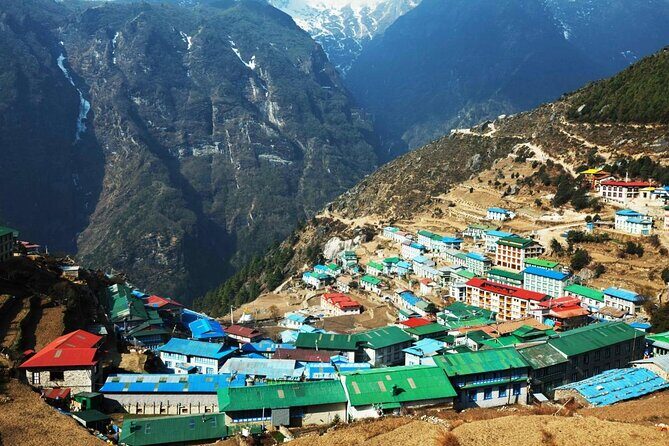
- Namche Bazaar acclimatization day: more time at altitude before you climb higher
- Sherpa culture stops: Tengboche monastery area and Namche’s vibe as the gateway to Everest
- Everest Base Camp day: walking to the iconic Everest “front row” with the right pacing
- Kalapathar sunrise-value viewpoint: the big payoff day at 5,545m before heading down
- Full-board meals on trek: breakfast, lunch, and dinner are handled while you’re hiking
Why the Everest Base Camp trek feels so different from other hikes
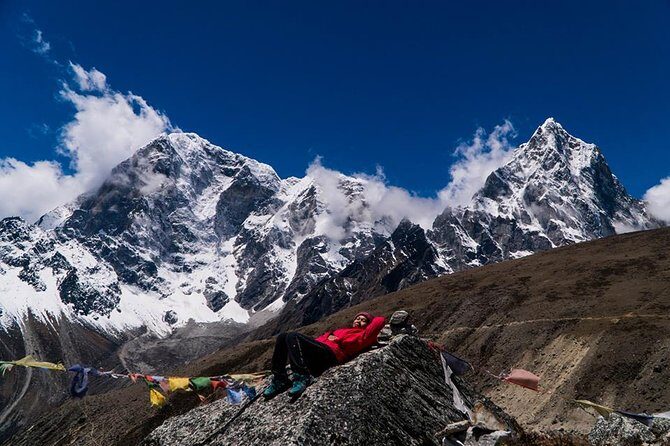
Everest Base Camp is not just another mountain route. It’s a whole system of high-altitude villages, glacier scenery, and Himalayan culture that builds momentum every day. You start in the Kathmandu orbit, fly to Lukla, then gradually climb into the Khumbu region’s rhythm—tea houses or lodge stays arranged along the way, meals in a predictable routine, and a route that keeps you moving while allowing time to adapt.
What makes this trek especially compelling is the blend of scale and detail. You’ll see Everest not as a distant postcard peak, but as a looming presence that shows up in multiple landscapes—Namche viewpoint moments, Tengboche views, and then finally the Base Camp area. At the same time, you’re not only chasing altitude numbers. You’ll pass through Sherpa home towns, monasteries, and everyday mountain life where the culture isn’t a “stop,” it’s part of how people live at altitude.
The “one-time” feeling comes from the way the itinerary is paced. It gives you an acclimatization day in Namche and a big viewpoint day at Kalapathar, which helps the whole trip land with maximum meaning rather than turning into a rushed stampede.
You can also read our reviews of more hiking tours in Kathmandu
Getting to Lukla: the Kathmandu start that sets your mindset
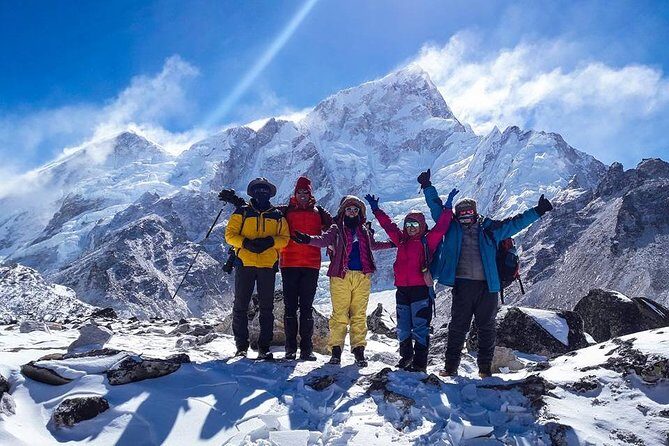
Your day begins in Kathmandu, with the meeting point in Thamel and a stated start time of 7:15 am. From there, you’ll be picked up for the local airport connection that feeds your Lukla flight. This matters more than it sounds. When you’re trekking at altitude, the first day’s stress is the last thing you want—so having the airport movements handled helps you arrive mentally ready.
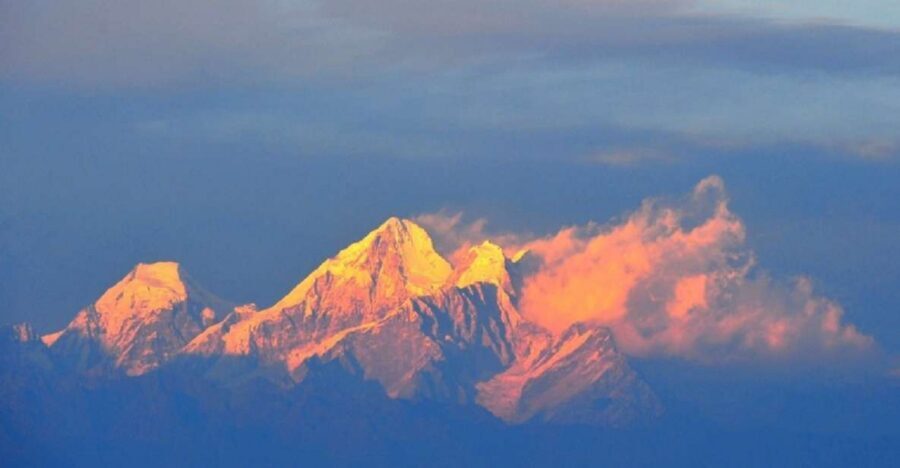
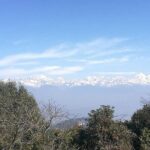
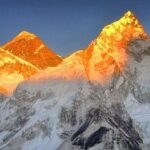
Then comes Lukla (2,850m). Even before you hike, the first flight is part of the experience: a classic early route with sunrise views over snowcapped peaks. That kind of start does two things. It wakes you up in the best way, and it reframes the trek as more than exercise. It becomes a journey with a mood.
You’ll then hike to Phadking (2,660m). This is a smart opening: you start high-ish, but you’re not jumping immediately into the steepest zone. It’s also a useful first test for your body—how your breathing feels, how your legs respond to pack weight, and whether you’ll do well with a slower pace.
Days 1–3: Lukla to Namche Bazaar with smart altitude breathing room
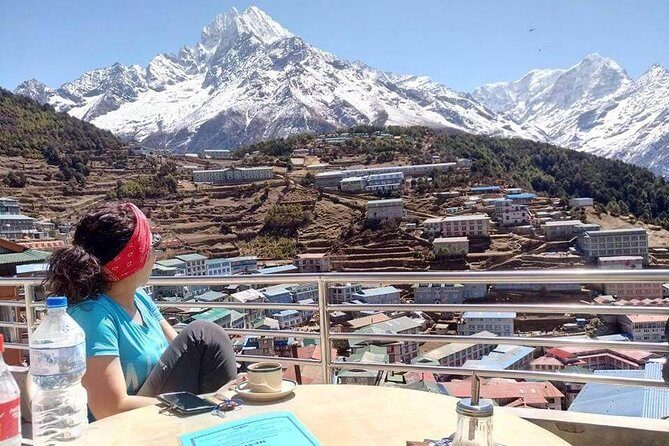
Day 1: Kathmandu to Lukla, then to Phadking
After the flight into Lukla, you begin walking toward Phadking at about 2,660m. This is your adjustment phase. I like the way this itinerary sets you up: you get the dramatic start without the pressure of a huge day on day one.
Day 2: Phadking to Namche Bazaar (3435m)
Namche is the gateway town to Everest Base Camp. The climb up to 3,435m is real, and the route is exactly why this trek works as a progression. You’ll feel the altitude when you climb, but you’ll also get that “Khumbu is different” sense—bigger views, more trekking traffic, and more mountain-focused culture around you.
Day 3: Acclimatization day in Namche (3435m)
This day is where the trek earns its reputation. A dedicated acclimatization slot means you don’t just climb and hope for the best. It gives your body time to adjust and helps you move more comfortably later.
If you want a practical approach, use this day to regulate effort. Don’t go hard because you feel good on day three. Keep it steady. Hydrate, take short walks, and save your legs for later stretches like Tengboche and Dingboche.
Days 4–6: Tengboche, Dingboche, Lobuche and the Everest-view build
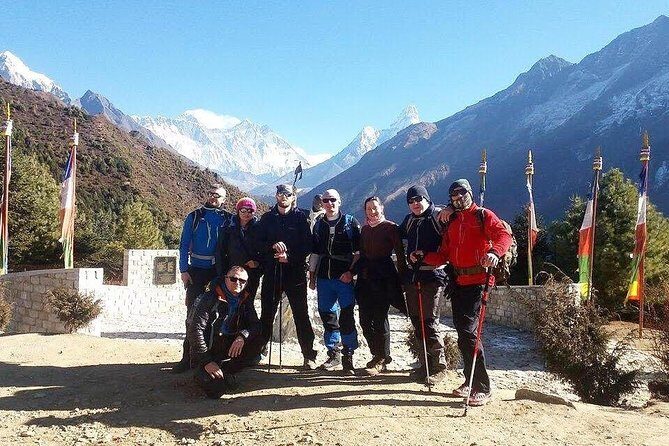
Day 4: Namche to Tengboche (3,890m)
Tengboche is one of those places where the monastery setting makes the view feel spiritual, not just scenic. The route climbs into a higher zone, and you’re right in the heart of where you’ll see iconic peaks—Everest shows up along with neighbors like Lhotse and Nuptse in the broader skyline. You’re also in a region known for Sherpa life and monasteries, so this isn’t only about elevation; it’s about atmosphere.
Day 5: Tengboche to Dingboche (4,400m)
Dingboche sits at 4,400m and marks the point where breathing takes more attention. This is also where the trekking starts asking for discipline: slower steps, careful pacing, and making sure you don’t “win” by moving too fast.
Day 6: Dingboche to Lobuche (4,910m)
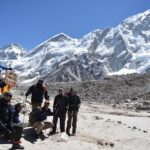
By the time you reach Lobuche, you’re in the high, exposed zone. This stage is where Everest Base Camp begins feeling like a destination rather than a concept. Your legs may feel the altitude, but the scenery keeps paying you back—icefall country is nearby, and the overall feel of the trek turns serious.
A note that can save you discomfort: stick to a rhythm. If you walk fast early, you’ll pay later. High-altitude trekking rewards consistency, not urgency.
Days 7–8: Gorakshep, Everest Base Camp, Kalapathar—where the trip clicks
Day 7: Lobuche to Gorakshep, Everest Base Camp, then Gorekshep (5,380m to 5,180m)
This is the main day. You push to the Gorakshep area (5,380m listed), then continue to Everest Base Camp, and afterward you return to Gorekshep (5,180m). That back-and-forth is part of what makes the day feel full. You’re not just “reaching a dot on a map.” You’re walking in the Base Camp zone and then adjusting afterward for the next day.
The planning here also matters: the itinerary gives you a buffer in the form of the Gorekshep evening, rather than forcing everything into one exhausting sprint.
Day 8: Gorekshep to Kalapathar (5,545m) and then Pheriche (4,320m)
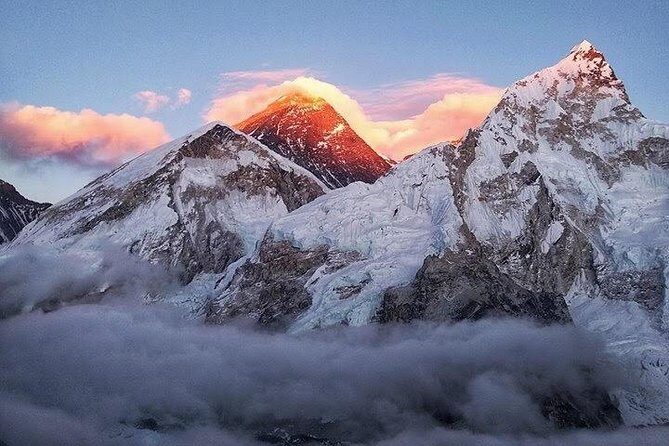
Kalapathar is the viewpoint day—the famous spot for seeing Everest as the world’s highest peak from a high vantage. It’s not subtle. When you’re standing around 5,545m, every step feels deliberate, and the reward is the kind of view that rewrites your sense of scale.
Then you descend to Pheriche (4,320m). That drop matters. It’s not a “finish line” yet, but it’s relief you can feel in your breathing and energy.

Days 9–11: Pheriche back to Namche, then Phakding and Lukla flights
Day 9: Pheriche to Namche (3,435m)
You head back down to Namche. This is a good day for resetting. If your legs are stiff from the Base Camp and Kalapathar push, this descent helps you loosen up while still keeping you engaged.
Day 10: Namche to Phadking (2,835m) and Lukla
You drop further toward Phadking and then complete the Lukla segment. This day can feel a bit like the trip’s “circling the drain” moment—exciting because you’re nearing the end, but also a reminder you’re still at altitude and still moving.
Day 11: Lukla to Kathmandu flight
You land back in Kathmandu to finish where you started in Thamel. If you want a simple win for day 11: plan a relaxed evening after you arrive. Your body will be tired in a way that sleep can fix, but only if you don’t schedule extra adventures.
Food, lodges, and why the guide support makes a real difference
This trek includes full board meals during the trekking period: breakfast, lunch, and dinner. That’s huge value on Everest Base Camp routes because it removes daily decisions like Where do I eat? and Can I find food that works for me? It also means you can stick to a routine while your body is adjusting to altitude.
Accommodation is listed as best available during the trek. I’d interpret that as “good planning by the operator,” not luxury lodging. The point here is reliability: you’re not scrambling for beds while you’re already focused on trekking.
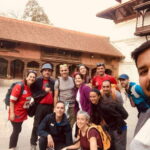
The guide component is another standout. The trek uses a government license holder guide, and support from staff is part of what the experience is known for. In the feedback you can see patterns: guides like Dipu are credited for being attentive, helping with the hike, staying in touch, and offering good conversations—not just logistics talk. That kind of human support matters when you’re tired and your mind wants to cut corners.
Also included: a porter setup. The note says normally 1 porter for 2 clients, which can genuinely protect your energy. Even if you’re comfortable carrying a pack, having the option to reduce load helps you trek longer with less strain.
Permits, TIMS card, and what you’re not stuck handling
You’ll need trek permits, and this operator lists that trekking permits needed for restricted area trekking are included. You also get a TIMS card (Trekker’s Information Management System). Those items matter because they’re not “nice-to-haves.” They’re part of how the route is legally organized and tracked.
You’re also covered with items like a first aid kit and included insurance for guides/porters as part of staff operations. That doesn’t replace your own travel insurance (travel insurance is not listed as included for you), but it does suggest the provider is prepared for basic trail emergencies.
Finally, you get farewell dinner prior to departure, which is a small but meaningful structure to the end of the trip. It gives your group a moment to decompress before you shift back to city life.
Price and value: is $1,699 actually a fair deal?
At $1,699 per person, this trek is priced in a way that includes a lot of “invisible costs.” Here’s what stands out as value:
Included that usually adds up fast:
- Air fare Kathmandu–Lukla–Kathmandu
- Pickup and drop for the Lukla flight connection
- Best available accommodations during trekking
- Full board meals (breakfast, lunch, dinner) on the trek
- Licensed guide
- Porter support (normally 1 porter for 2 clients)
- TIMS card, trekking permits for restricted areas, and government taxes/service charges
- Farewell dinner
- First aid kit
- Local transportation charge while returning back to Kathmandu from trekking
What’s not included (so you can budget without surprises):
- Lunch and dinner in Kathmandu, plus hotel in Kathmandu
- Travel insurance
- Nepal entry visa fee
- International airfare and airport departure tax
- Tips for trekking staff
- Drinks (hot/soft/cold) and liquors
- Personal shopping, laundry, and gifts
- Personal trekking equipment
So the value call is simple. If you’d otherwise have to line up flights, guide, permits, and meals yourself, the packaged price starts to look reasonable. If you’re already flying into Nepal on a budget and planning to self-organize everything, you’d save money only if you’re also comfortable owning the complexity. For most people, paying for the structure is the smarter trade.
One more thing: this is a private tour/activity, meaning only your group participates. Private usually costs more than shared group treks, so the value depends on who you travel with. If you’re going as a small group, this can be a solid deal because you’re not paying for strangers.
Practical pace and packing thoughts for high-altitude trekking
You’re climbing from roughly the mid-2,000s to the mid-5,000s. Even with acclimatization built in (Namche day, and the way the route stages altitude), you still need to treat effort like a tool, not a challenge.
A few practical pointers that match how this itinerary is designed:
- Take the Namche acclimatization day seriously. Use it to practice slow movement.
- Expect the Kalapathar day to feel like the hardest “view you earn,” even if you’re not the first person in line.
- With a porter for baggage (normally 1 porter for 2 clients), you can pack lighter than you might on a solo expedition.
For packing, your checklist will depend on what you already own, but the big categories matter: warm layers for high altitude, a rain shell, and basic trekking gear. The trip also notes personal trekking equipment is not included, so plan to bring what you need (or rent locally).
Who should book this Everest Base Camp trek
This works best if you want:
- A classic Everest Base Camp experience with a structured plan
- Licensed guide support and porter help
- Full-board meals during the trek
- Time for culture stops and viewpoints, not just summit-style pressure
It’s described as suitable for vacations or holidays and for people with at least moderate physical fitness. If you’re brand new to trekking in altitude environments, this route can still be a good match because it includes acclimatization time and staged climbs.
If you hate high altitude entirely, or if you’re seeking a low-effort scenic walk, this probably won’t satisfy you. This is an adventure trek, not an easy hike.
Should you book this Everest Base Camp trek with Mount Face Nepal?
If you want a well-organized 11-day Everest Base Camp trek that handles the big moving parts—flights to Lukla, permits, guide, porter support, and full-board meals—this is a strong candidate.
I’d say book it if:
- You value having logistics handled so you can focus on the walking and the views
- You’re traveling with a group where porter sharing (normally 1 porter for 2 clients) makes sense
- You want the itinerary’s key moments: Namche, Tengboche, Everest Base Camp, and Kalapathar
I’d pause if:
- You’re trying to keep costs ultra-low and you don’t mind coordinating flights, permits, and meals yourself
- You know altitude trekking is not your thing
Overall, for first-time Everest trekkers, the structure here is exactly what helps the dream stay enjoyable instead of stressful.
FAQ
Where is the meeting point and when does the trek start?
The trek meets in Thamel, Kathmandu 44600, Nepal, with a stated start time of 7:15 am.
How long is the Everest Base Camp trek?
The duration is listed as 11 days (approx.).
Does the price include flights to Lukla and back to Kathmandu?
Yes. The cost includes air fare for Kathmandu–Lukla–Kathmandu.
What’s included for meals during the trek?
You get full board meals during the trekking period, including breakfast, lunch, and dinner.
Do I need a guide and permits?
A government license holder guide is included, along with TIMS card and trekking permits needed for restricted area trekking.
Is there porter support?
Yes. A porter is included to carry your baggage, and the note says it’s normally 1 porter for 2 clients.
Is this a private tour?
Yes. It’s a private tour/activity, and only your group will participate.
What should I expect to pay for that isn’t included?
Not included are things like Nepal entry visa fee, travel insurance, international airfare, Kathmandu hotel, lunch and dinner in Kathmandu, tips for trekking staff, and drinks during the trek. Personal shopping and personal trekking equipment are also not included.
What’s the cancellation timeline?
Cancellation is listed as free cancellation, with a full refund if you cancel up to 24 hours in advance of the experience start time.
How fit do I need to be?
The guidance says travelers should have a moderate physical fitness level.