REVIEW · KATHMANDU
Kathmandu: Guided Walking Tour with Monkey Temple
Book on GetYourGuide →Operated by Himkala Adventure Pvt.Ltd. · Bookable on GetYourGuide
One walk, three Kathmandu moods. You start in the tranquil Garden of Dreams, then shift into temple lanes and heritage squares, finishing at the famous Monkey Temple. I really like how this tour mixes quiet beauty with everyday religious life, and I love the way local guide Shiva answers real questions about history and rituals.
There is one clear catch: this is a stair-and-hill day. Expect a solid climb (including a hill climb and a descent of 365 steps) and plan your energy around weather and uneven paths.
In This Review
- Key Highlights Worth Getting Excited About
- Meeting at Garden of Dreams and Getting Oriented Fast
- Garden of Dreams to Local Temple Lanes: Start Quiet, Then Go Real
- The Busy Market Stretch: How Kathmandu Feels at Street Level
- Kathmandu Durbar Square: Heritage You Can Read With a Guide
- Newari Residential Area and a Cremation Place: Respectful Viewing, Real Context
- The Monkey Temple Climb: 77m Stupa Views and 365 Steps Down
- Thamel Return and Tour Wrap-Up at Garden of Dreams Gate
- Price and Value: What $15 Buys You in Kathmandu
- What to Bring (and What to Skip) for a Smooth Walk
- Who This Tour Suits Best
- Book or Skip: Should You Choose This Monkey Temple Walking Tour?
- FAQ
- Where does the tour start?
- How do I find the guide at the meeting point?
- Where does the tour end?
- Is hotel pickup included?
- What’s included in the price?
- What places will I visit?
- How much walking and stairs should I expect?
- Is the Monkey Temple part of a UNESCO World Heritage Site?
- What should I bring?
- Is the tour suitable for young children or wheelchair users?
- Is smoking allowed?
Key Highlights Worth Getting Excited About
- Garden of Dreams as a calm warm-up before the city gets loud
- Shiva’s teaching style: patient, punctual, and happy to answer questions
- Kathmandu Durbar Square and temple lanes that feel lived-in, not staged
- Newari neighborhood look at temples and a cremation place, with respectful viewing
- Monkey Temple climb to a UNESCO stupa on a conical hill (and a long step return)
Meeting at Garden of Dreams and Getting Oriented Fast
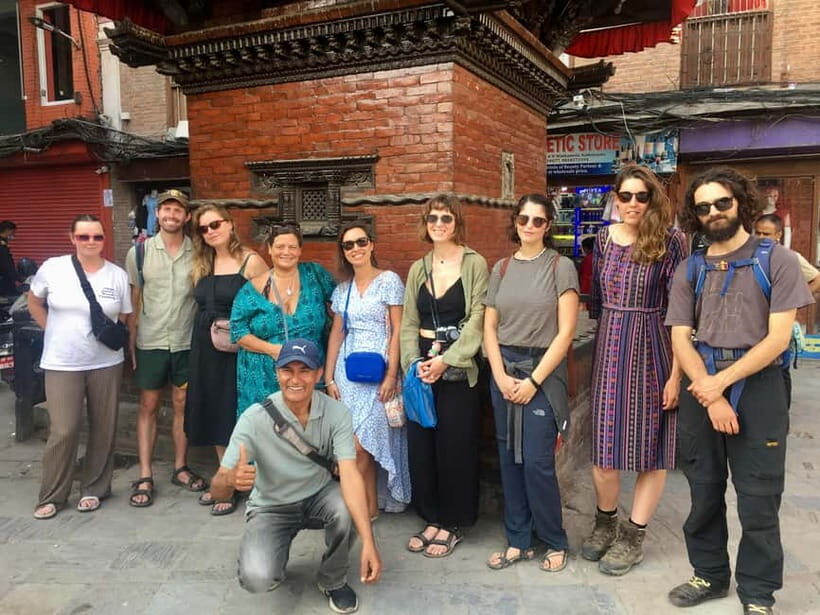
You meet your guide right at the front gate of the Garden of Dreams. Look for the placard that says Himkala Adventure, and take a moment to get your water, camera, and hat ready before you step into the streets.
This location is a smart starting point. The Garden of Dreams gives you a breather and helps you understand why Kathmandu feels different block to block—soft greens and shade up front, then religious stonework and daily life as you head outward.
No hotel pickup here. That’s not a downside if you’re staying in or near Thamel, but it does mean you should plan to get to the Garden of Dreams on your own.
You can also read our reviews of more walking tours in Kathmandu
Garden of Dreams to Local Temple Lanes: Start Quiet, Then Go Real
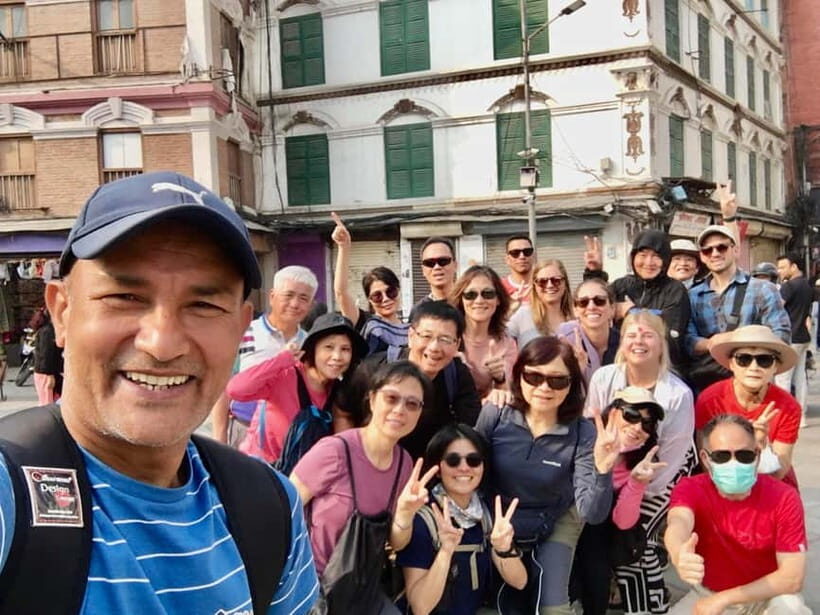
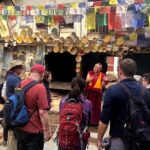
The tour begins with a walking transition from the garden into nearby local areas. You’ll move toward small, older parts of the city where you can see age-old stupas and temples, plus people doing everyday ritual activities.
I like this pacing because you’re not thrown immediately into a major square. Instead, you ease into the city’s religious rhythm—walking past structures that look like they’ve been part of daily life for generations, not just sightseeing backdrops.
Practical note: these are religious areas, so keep your posture and clothing modest. Also, be aware that you may stop to look more closely, so comfortable shoes matter more than you’d think on a “short” city walk.
The Busy Market Stretch: How Kathmandu Feels at Street Level
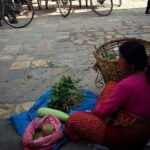
From the local lanes, you’ll head into the market area—one of those parts of Kathmandu where the city’s pace becomes obvious fast. It’s a chance to see how people move through commerce and daily errands while heritage sites sit close by.
I find the value here is context. Without a guide, you might see markets and temples as separate stops. With a guide, you start to notice how the same neighborhood supports both everyday life and sacred places.
If you get photos, do it thoughtfully. In busy areas, people come first. Step aside when needed, keep your camera low when you’re crossing through crowds, and don’t block entrances to shops or shrines.
Kathmandu Durbar Square: Heritage You Can Read With a Guide
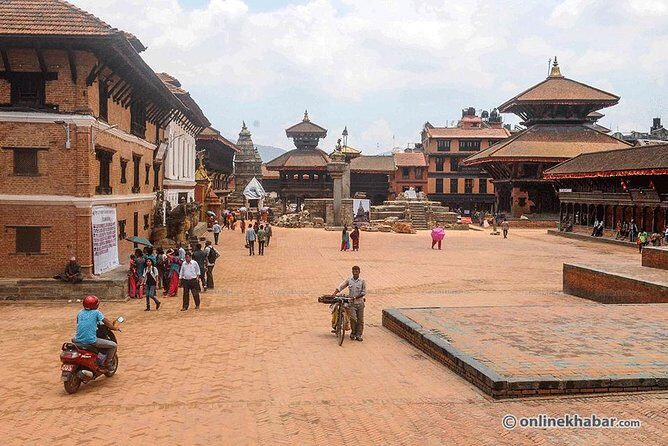
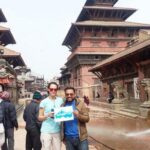
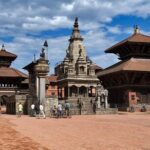
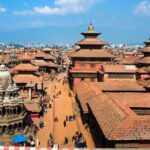
Next is Kathmandu Durbar Square. This is the kind of place where the stones and carvings are the headline, but the meaning often takes a bit of translation. With a local guide, you’re not just looking at monuments—you’re learning what to pay attention to.
This is one of the tour’s best “invest your time here” moments. You’ll see important heritage structures up close, and you’ll understand how the city’s people built and lived around these spaces.
One reason I think this stop works well: Shiva is the sort of guide who takes questions seriously. The reviews highlight him as punctual, calm, and generous with answers, so if you’re curious about what you’re seeing, you can turn your walk into a real mini-class.
Newari Residential Area and a Cremation Place: Respectful Viewing, Real Context
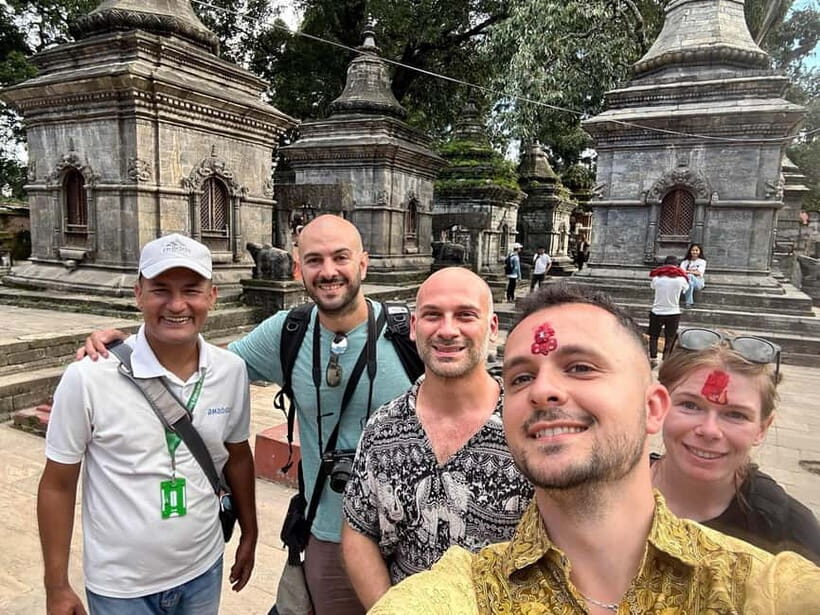
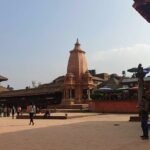
After the major square sights, the route follows through the Newari residential area. This is where the tour becomes less like a checklist and more like a neighborhood walk—watching daily rhythms around temples and sacred spaces.
You’ll also observe a cremation place. That part can feel intense if you’re not used to seeing funerary spaces in an active, public context, but it’s also key for understanding Kathmandu as a living city, not a theme park.
The best way to handle this segment is simple: quiet voices, slow movement, and respect first. If someone is performing a ritual activity nearby, give them space and let the moment stay theirs. Your guide can help explain what’s happening so you’re not just guessing.
You can also read our reviews of more guided tours in Kathmandu
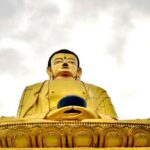

The Monkey Temple Climb: 77m Stupa Views and 365 Steps Down
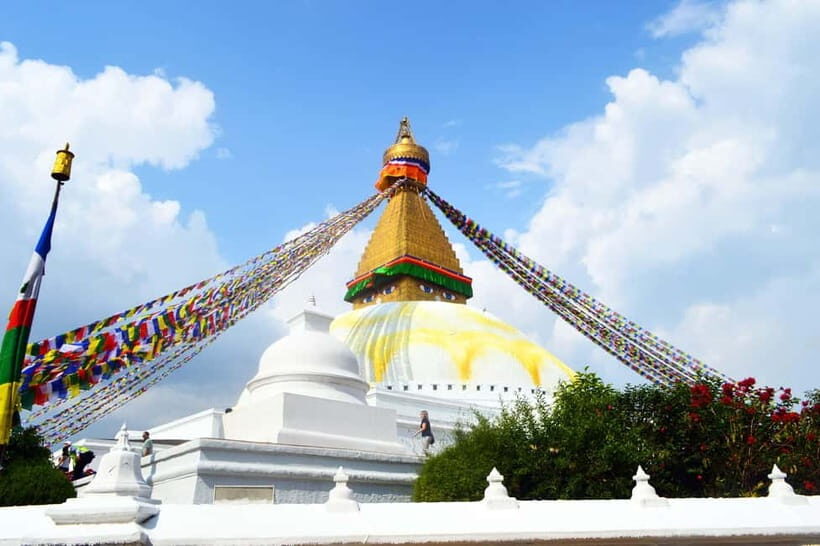
Now for the signature event: the hill called the Monkey Temple area. The walk includes heading up toward a conical-shaped hill that rises about 77 meters from the ground level of Kathmandu. The stupa here is a UNESCO World Heritage Site, which helps explain why so many people make the effort.
You’ll walk for about 45 minutes to reach the area at the top. Then, after exploring around the stupa, you return down, descending 365 steps back toward Thamel.
Here’s my honest take on the effort: the step count means you should wear shoes with real grip and expect your calves to feel it. It’s not a “quick photo stop.” It’s a climb you’ll remember, and if you’re comfortable walking in uneven stone, you’ll enjoy it more than you might expect.
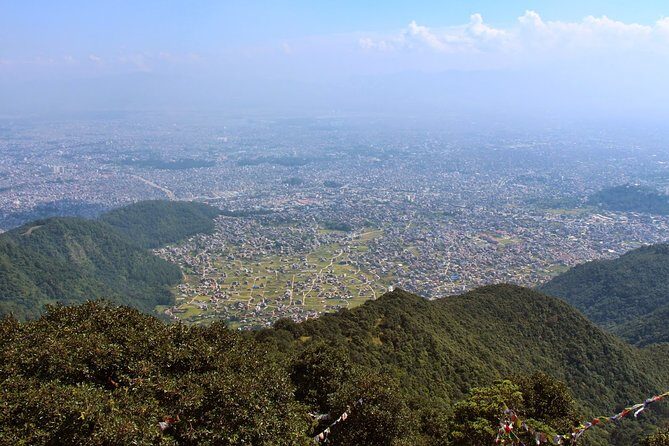
The upside is huge. From that hilltop setting, Kathmandu feels like a different place—more layered, more historic, and more connected to how religion shapes the city’s layout. And with a local guide, you’re more likely to understand what you’re seeing instead of just touring it.
Thamel Return and Tour Wrap-Up at Garden of Dreams Gate
After the Monkey Temple section, you’ll head back down and return toward Thamel. The tour ends back at the meeting point, the Garden of Dreams front gate—so you don’t have to worry about being dropped in a random area.
This “loop” matters for practical travelers. You can carry your daypack, keep track of your belongings, and still finish near your likely base area.
Also, keep an eye on the light. The walk includes open and exposed areas, and late-day brightness can be great for photos. But don’t sacrifice safety just for the shot—watch your footing on the way down.
Price and Value: What $15 Buys You in Kathmandu
At $15 per person, this is priced like a value-friendly cultural walk—especially because a professional guide is included. You’re getting multiple major heritage-focused areas, plus the less obvious neighborhood segments like the Newari residential area.
What you’re not getting is extra support: no hotel pickup, no meals or drinks, and no personal expenses. That’s normal for a walking tour, but it affects value if you’re hungry at the wrong time. Plan a simple snack or water refill strategy so you’re not paying convenience-store prices out of desperation.
Overall, the cost feels fair because the guide adds more than “pointing.” The reviews emphasize Shiva’s patience and willingness to answer questions, and that makes a big difference when you’re dealing with religious sites where small details matter.
What to Bring (and What to Skip) for a Smooth Walk
Bring comfortable shoes. This tour involves stairs and an extended walk, including the hill climb and the long descent of 365 steps.
Also bring:
- a hat
- sunscreen
- a camera
- water
Weather can swing in Kathmandu. Even if you start with mild conditions, bring layers or be ready to adjust, because you’ll be outside for long stretches.
Not allowed: smoking. It’s an easy rule, but worth knowing so you don’t get surprised by local expectations around temples and crowded areas.
Who This Tour Suits Best
This tour fits travelers who like walking and want real cultural context more than museum-style explanations. If you enjoy asking questions, you’ll likely appreciate the guide’s style—calm, friendly, and focused on helping you understand the city’s religion and daily life.
It’s also a solid pick if you want a short list of “must-sees” without losing the street-level feel. You get Garden of Dreams, Kathmandu Durbar Square, and the Monkey Temple in one connected route, plus the neighborhood pieces that help it all make sense.
Not for everyone: it isn’t suitable for children under 5, and it’s also not suitable for people with mobility impairments or wheelchair users. The stairs are the main reason.
Book or Skip: Should You Choose This Monkey Temple Walking Tour?
Book it if you want a guided Kathmandu day that mixes calm greens, major heritage sites, and the lived-in reality of temples and rituals. The standout strength is the guide approach—especially Shiva’s willingness to answer questions and show non-touristy angles that most self-guided walks miss.
Skip it if you hate stairs, can’t handle steep steps, or you’re traveling without the right shoes and basic walking stamina. Also, if you expect hotel pickup or a built-in meal plan, you’ll need to manage those needs on your own.
FAQ
Where does the tour start?
The tour starts at the front gate of the Garden of Dreams.
How do I find the guide at the meeting point?
The guide will be there with a placard written Himkala Adventure.
Where does the tour end?
It ends back at the meeting point at the front gate of the Garden of Dreams.
Is hotel pickup included?
No. Hotel pickup and drop-off are not included.
What’s included in the price?
A professional guide is included.
What places will I visit?
You’ll visit the Garden of Dreams, Kathmandu’s market area, Kathmandu Durbar Square, the Newari residential area, and the Monkey Temple area.
How much walking and stairs should I expect?
The tour involves a significant amount of walking and includes stairs. It includes about 45 minutes of walking up to the hill area and a descent of 365 steps.
Is the Monkey Temple part of a UNESCO World Heritage Site?
Yes. The Monkey Temple stupa is identified as a UNESCO World Heritage Site.
What should I bring?
Bring comfortable shoes, a hat, a camera, sunscreen, and water.
Is the tour suitable for young children or wheelchair users?
No. It’s not suitable for children under 5, and it’s not suitable for people with mobility impairments or wheelchair users.
Is smoking allowed?
No smoking is allowed.