REVIEW · KATHMANDU
Kathmandu UNESCO World Heritage Tour
Book on Viator →Operated by Deepak Kushwaha · Bookable on Viator
The quickest way to understand Kathmandu is to see its holy landmarks. This UNESCO-focused day pairs multilingual guides with a tight 9-hour route built around major squares, temples, and stupa views. I especially like the expert storytelling at every stop, and you’ll also get enough time to actually look—not just pose and move on. The main thing to watch: admission tickets and meals aren’t included, so you’ll want a plan (and cash/card) for those costs.
You’ll start at Kaiser Library on Kanti Path and finish back there, with pickup offered. Expect a group size that stays manageable (maximum 100 people), plus a mobile ticket so you’re not stuck hunting for paper. My one practical caution: this is not an air-conditioned vehicle kind of day, so wear light layers and keep water handy.
In This Review
- Key highlights worth your time
- Start at Kaiser Library: A Simple Way to Kick Off
- A 9-Hour Plan That Hits 7 UNESCO Sites Without Guesswork
- Kathmandu Durbar Square: Royal Power in the Center of the City
- Patan Durbar Square: Carving and Craft You Can See Up Close
- Bhaktapur Durbar Square: Medieval Atmosphere in One Strong Hour
- Changu Narayan Temple: When the Day Turns Calm
- Pashupatinath and Boudhanath: Two Faiths, One Day
- Pashupatinath Temple
- Boudhanath Stupa
- Swayambhunath: The Panoramic View Finish Line
- Price and What $99 Really Buys You
- What the Guide Experience Looks Like in Real Life
- Logistics You Should Plan For (So You Don’t Lose Time)
- Who Should Book This UNESCO Day Tour?
- Should You Book the Kathmandu UNESCO World Heritage Tour?
- FAQ
- How long is the Kathmandu UNESCO World Heritage Tour?
- What sites are included on the route?
- Are admission tickets included in the price?
- Is lunch or dinner included?
- Do I get pickup, and where does the tour start?
- Is there free cancellation?
Key highlights worth your time
- 7 UNESCO World Heritage stops in one focused day across Hindu and Buddhist sites
- Multilingual male/female guides who explain what you’re seeing and how the places connect
- Pickup offered and a clear start/end point at Kaiser Library on Kanti Path
- Mobile ticket for easier check-in
- Personal attention with flexible time at each location
Start at Kaiser Library: A Simple Way to Kick Off
Kaiser Library is an easy enough landmark to meet at, right on Kanti Path. I like that the tour anchors itself with a clear start and finish—meaning you’re not doing mental gymnastics about where you’ll be dropped off. Pickup is offered too, which matters in Kathmandu where routes can shift and traffic can be unpredictable.
The best part for first-timers is the pacing. In one day, you move through places that normally take several separate outings. And because the tour runs about 9 hours, you’re not committing to an entire day that turns into “just transportation.”
You can also read our reviews of more historical tours in Kathmandu

A 9-Hour Plan That Hits 7 UNESCO Sites Without Guesswork
This is a day tour with a very “show up, get it explained, then go look” flow. Each stop is about an hour, which is long enough to appreciate details and short enough to keep the day from dragging.
A big value point here is the guide format. You get a multilingual male/female guide, and the goal is to give context—not just point at buildings. When the explanation is good, Kathmandu’s UNESCO sites stop feeling like a checklist and start feeling like a connected city story.
Still, be realistic: 7 stops in 9 hours is packed. You’ll be on the move, and you’ll want to be comfortable walking through courtyards, stairs, and busy areas. If you hate time pressure, this might feel like a sprint.
Kathmandu Durbar Square: Royal Power in the Center of the City
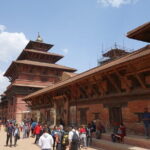
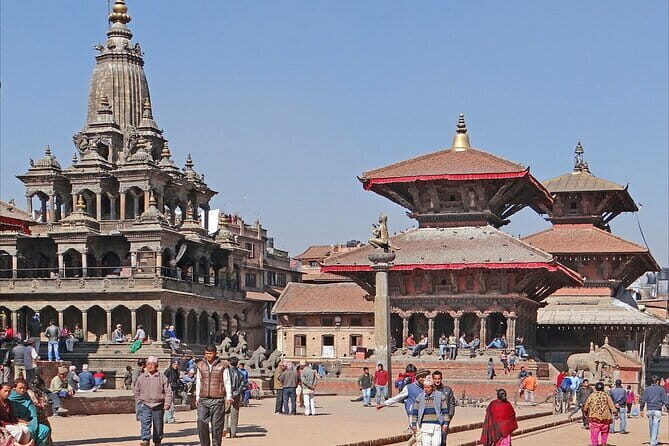
Kathmandu Durbar Square is where you start for a reason. This old royal complex gives you a strong baseline for how the city organized power, religion, and art. The architecture here isn’t just pretty stonework—it shows how ruling families and temples shaped public life.
What you’ll enjoy most on this stop is how a guide helps you read the place. I find that squares like this make more sense when you understand what you’re looking at: courtyards, carved facades, and the sense that the whole area was built to function like a living stage.
One consideration: admission tickets aren’t included, so you’ll want to budget for entry fees if you don’t already have a pass. Also, aim to arrive ready to look carefully, because this is the first stop and you’ll want to set your attention mode early.
Patan Durbar Square: Carving and Craft You Can See Up Close
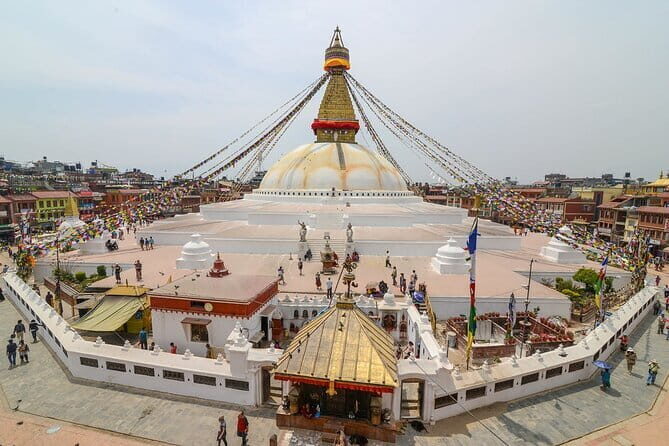
Next comes Patan Durbar Square, another UNESCO royal complex, but with a different artistic vibe. This stop is all about craftsmanship—ancient temples, palaces, and courtyards. If you like architecture details, this is your place to slow down and spot repeating patterns and textures.
There’s a particular draw here: the Mahabouddha Temple is mentioned as a highlight. Places like this reward patient looking. A guide can also help you understand why these structures were built the way they were, and how Patan’s artistry connects to the wider UNESCO story of Kathmandu Valley.
Practical note: again, admission tickets aren’t included, so plan for that cost. If you’re traveling on a tight budget, I’d rather you know ahead of time than be surprised mid-day.
Bhaktapur Durbar Square: Medieval Atmosphere in One Strong Hour
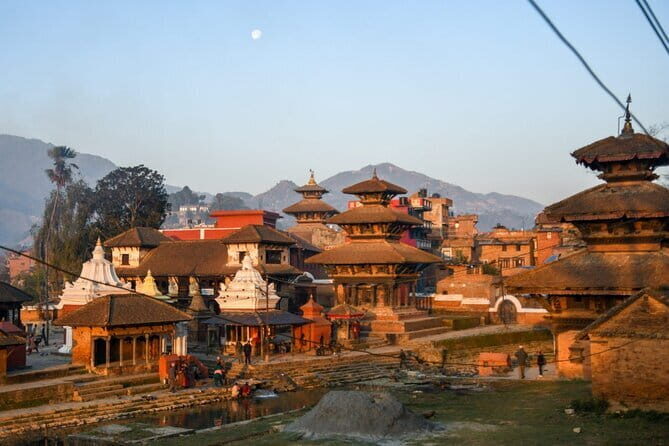
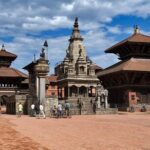
Bhaktapur Durbar Square brings you into a more medieval-feeling atmosphere—intricate temples, palaces, and statues. This stop tends to feel more “time-warp” than “drive-by,” mainly because the area’s design encourages lingering.
One highlight is the Vatsala Temple, which is pointed out as part of the visit. Temple-focused stops are best when you get context for the symbols and the layout, and that’s where the multilingual guide matters. You’re not just walking around; you’re learning what the place means.
The possible drawback is simple: this is the third major square in the day. If you’ve already seen plenty of temples that morning, Bhaktapur’s charm might depend on your energy level. Bring a quick snack if you can (since lunch isn’t included), and don’t feel bad about taking a few extra minutes to rest when the crowd gets thick.


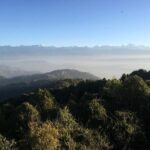

Changu Narayan Temple: When the Day Turns Calm
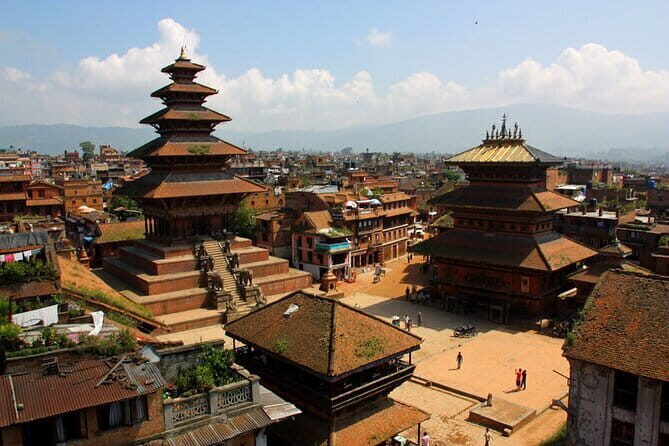
Changu Narayan Temple is a different tone from the big palace squares. It’s described as Nepal’s oldest Hindu temple and a UNESCO site, known for ancient architecture. This stop is ideal when you want something quieter—less “royal complex,” more focused sacred structure.
This is also a great moment for photos that aren’t all wide-angle. Older temples tend to have details that stand up close: carvings, stone work, and the kind of craftsmanship you miss if you’re moving too fast.
As always: admission tickets aren’t included, and the stop is about an hour. If you prefer a longer visit, think of this as your “taste,” not your final course.
Pashupatinath and Boudhanath: Two Faiths, One Day
This is where Kathmandu gets more spiritual and more human.
Pashupatinath Temple
Pashupatinath Temple is one of Nepal’s most revered Hindu temples. The tour is set up for you to explore the sacred site and the tour also promises you’ll experience traditional ceremonies there. That combination matters. Temples can feel like architecture only; when ceremonies are happening, you see the living side of the religion.
A practical consideration: Pashupatinath is a busy, active religious site. Dress and behavior matter. Bring patience, keep your voice low, and follow what the guide advises so you’re not accidentally interfering with worship.
Boudhanath Stupa
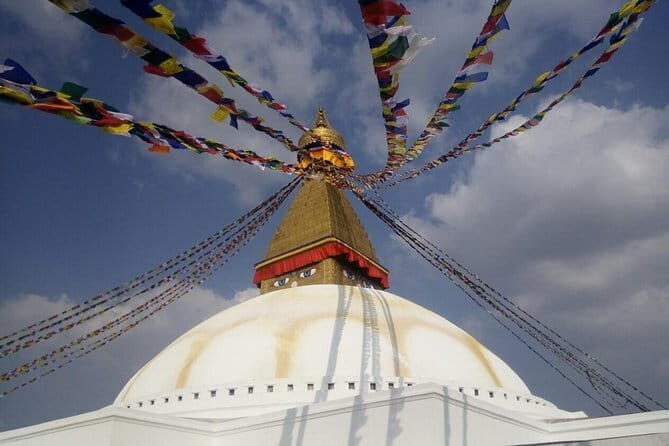
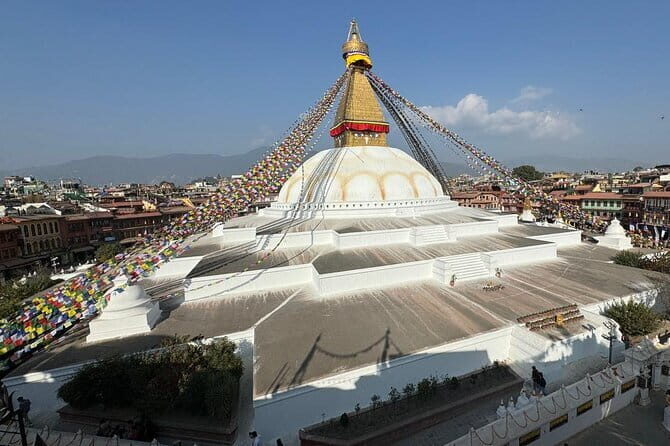
Boudhanath Stupa is a major Buddhist monument and one of Nepal’s most important Buddhist sites. It’s described as colossal, and that scale is something you feel when you’re standing there. The tour also highlights the “vibrant streets” around the stupa, which is where Kathmandu shifts from monuments to daily life.
I like that this stop isn’t only about the stupa. A good guide helps you understand what it means and why people move around it in specific ways—so you notice the rhythms instead of just watching the crowd.
Admission tickets also aren’t included here, so budget for entry if required.
Swayambhunath: The Panoramic View Finish Line
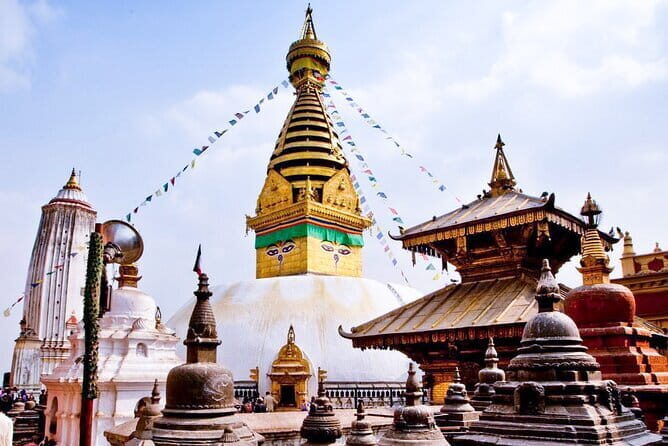
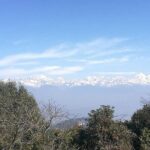
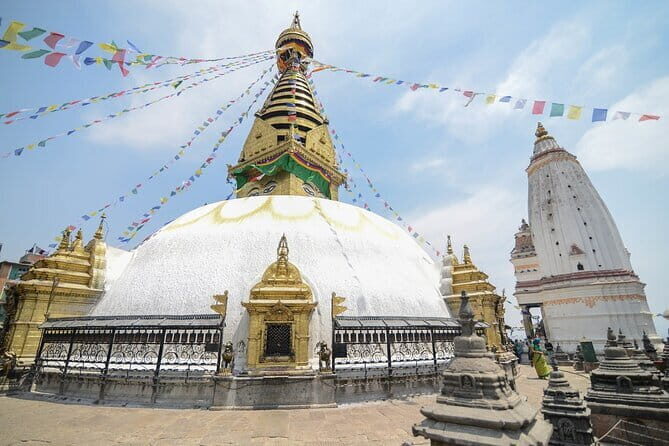
Swayambhunath is perched on a hill overlooking Kathmandu, and the tour includes the panoramic views from the UNESCO site. This is the kind of stop that makes you feel like the day “earned” its effort. After temples and squares, you finally get distance—context—citywide perspective.
The stop is focused on the stupa’s history and architecture, with guided explanation to help you understand what you’re seeing. If you like being able to connect places on a map, you’ll appreciate this finish.
One last practical note: because it’s a hilltop area, you’ll want comfortable shoes and a little stamina. Even if the time on site is about an hour, the approach and the steps can add up.
Price and What $99 Really Buys You
At $99 per person for an approximately 9-hour tour, the value comes down to what’s included versus what’s not.
Included:
- Multilingual male/female guide
- Pickup offered
- Mobile ticket
- Guided time at 7 UNESCO sites
- Tour returns to the start point
Not included:
- Admission tickets
- Lunch and dinner
- Tips/gratuities
- Air-conditioned vehicle
So the price is really paying for guide guidance and logistics: getting you from site to site, keeping the day organized, and translating Kathmandu’s symbols into something you can actually understand.
If you’re the type who wants to wander on your own, you might feel like you could do some stops cheaper. But if you want context—why certain temples matter, how the squares functioned, and what to notice—then $99 can feel fair. The guide makes the difference between collecting photos and understanding what those photos mean.
What the Guide Experience Looks Like in Real Life
This tour leans hard on guide quality, and the results show in how people describe their guides. The tour provider is Deepak Kushwaha, and the experience frequently highlights both male and female guide assignments—one reviewer even mentions a female guide named Rabina for her depth in Nepal history.
What I’d expect you to experience (based on how this tour is positioned) is not just facts. It’s a guided rhythm: stop, explanation, look time, then direction again. That’s especially helpful at UNESCO sites where the details are easy to miss if you don’t know what you’re searching for.
Also: the tour is set up for personalized attention, which matters when you have questions about religion, architecture, or what to do at ceremonial spaces.
Logistics You Should Plan For (So You Don’t Lose Time)
A few practical things can make or break a day like this:
- No lunch/dinner included: You’ll want a backup plan—snacks, a drink, or deciding where you’ll eat after the tour.
- Admission tickets not included: You should assume you’ll pay entry fees at multiple stops.
- No air-conditioned vehicle: This affects comfort more than anything else. Kathmandu can feel warm and busy depending on the day. Keep water nearby and dress in layers.
The meeting point is Kaiser Library (Kanti Path). Start there, end there. That simplicity helps when you’re navigating a city for the first time.
Who Should Book This UNESCO Day Tour?
This fits best if you:
- Want a high-impact day that covers multiple UNESCO sites in one go
- Like having your questions answered while you’re standing in front of the buildings
- Appreciate explanations that connect Hindu and Buddhist landmarks
- Want pickup help and an organized route rather than assembling it yourself
It’s less ideal if you:
- Get easily overwhelmed by busy religious sites and crowds
- Hate paying separate admission fees at each stop
- Need a slow, flexible pace with long breaks and no schedule pressure
If you’re the middle-of-the-road type—curious, but not trying to turn the day into a marathon—this tour can be a great match.
Should You Book the Kathmandu UNESCO World Heritage Tour?
I’d book it if you want an efficient, guided introduction to Kathmandu Valley’s UNESCO core. The combination of 7 major stops, a multilingual guide, and a route that’s clearly structured around what you’ll see is a strong value, especially for first-timers.
I’d hesitate if your priority is comfort over speed, or if you strongly prefer meals and entries to already be included. Because admissions and meals are extra, you’ll need to budget.
If you like clear structure, good explanations, and a day that actually moves you through Kathmandu’s most meaningful sites, this is a smart buy.
FAQ
How long is the Kathmandu UNESCO World Heritage Tour?
The tour runs about 9 hours.
What sites are included on the route?
You’ll visit Kathmandu Durbar Square, Patan Durbar Square, Bhaktapur Durbar Square, Changu Narayan Temple, Pashupatinath Temple, Boudhanath Stupa, and Swayambhunath.
Are admission tickets included in the price?
No. Admission tickets are not included for the stops.
Is lunch or dinner included?
No. Lunch and dinner are not included.
Do I get pickup, and where does the tour start?
Pickup is offered. The tour starts at Kaiser Library on Kanti Path in Kathmandu and ends back at the meeting point.
Is there free cancellation?
Yes. You can cancel for a full refund up to 24 hours in advance of the start time.