REVIEW · KATHMANDU
Everest Base Camp Trek
Book on Viator →Operated by Himalayan Leisure, Inc. · Bookable on Viator
Trekking to Everest Base Camp is all about timing and breath. This 15-day Everest Base Camp trek brings you from Kathmandu to Lukla, then along classic Sherpa villages toward Everest’s front row. You get guide support, porters for your gear, and included essentials like lodging, meals, and key cold-weather items.
I particularly like the way the trip mixes a relaxed pace with real structure. You’ll have acclimatization days (with hike options) and a guide who organizes the route details so you can focus on walking, not logistics.
One thing to consider up front is the altitude and the need for good weather, especially for the Lukla flights. If conditions are poor, flights can shift, and the operator builds in a Kathmandu buffer day for that reality.
In This Review
- Key things that make this Everest Base Camp trek work
- Kathmandu to Lukla: the trek starts before you even hike
- Lukla flight tips and the importance of that Kathmandu buffer day
- How the pace feels: private small group walking with real support
- The “easy” days aren’t always easy: Phakding, Monjo, pine forests, and river crossings
- Acclimatization days: the route’s safety net at Namche-side heights and beyond
- Push toward Base Camp: Dughla ridge, Dughla pass, and glacier work
- Kalatthar at sunrise: why this climb feels hard but pays off
- The descent back: Debuche, Tengboche, Phungi Tenga, and Kyanjuma
- Lukla to Kathmandu: flying out, then using that extra Kathmandu day
- Price and value: what you’re paying for at $1,408 per person
- Who should book this Everest Base Camp trek, and who should rethink it
- Should you book Himalayan Leisure for Everest Base Camp?
- FAQ
- What’s included in the trekking gear?
- Will there be a guide and porters?
- How do Lukla flights affect the schedule?
- Is Kathmandu to Lukla transportation included?
- Do I need park permits and TIMS registration?
- What happens if the trip is canceled due to poor weather?
Key things that make this Everest Base Camp trek work
- Lukla flights handled with a Kathmandu buffer day, so weather delays are less disruptive
- Porters carry your gear while your guide manages pace, paperwork, and route decisions
- Acclimatization days with practical hike options before you push higher
- Kalatthar sunrise viewpoint as the big payoff for the hard climb
- Included cold-weather gear (down jacket, sleeping bag, duffel) takes pressure off your packing
- National Park permit and TIMS registration handled for you
Kathmandu to Lukla: the trek starts before you even hike
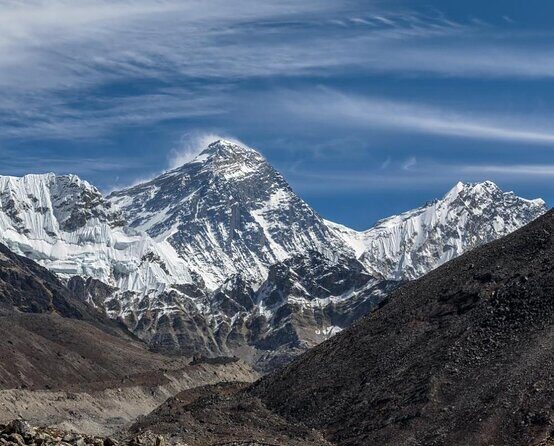
Your trip begins in Kathmandu with an airport representative meeting you on arrival. From there, you’ll transfer to your hotel and get a simple start to a busy itinerary. It’s a nice setup because Kathmandu can feel chaotic if you land tired and jet-lagged.
On day two, the adventure really kicks in with the domestic flight to Lukla. This flight is short (about 30 minutes), but it’s famous for being intense in a way that’s hard to describe until you’re in the seat. You’re not stuck guessing what to do either: the plan is clear, and the operator handles the Kathmandu–Lukla–Kathmandu airline booking.
Once you land, the trek begins with an early rhythm: walk, stop, eat, and adjust your breathing. On this route, that steady routine matters more than speed. I like that the trip is designed so you can go at your own pace without falling behind the group.
You can also read our reviews of more hiking tours in Kathmandu
Lukla flight tips and the importance of that Kathmandu buffer day
Let’s talk honestly about Lukla flights. They’re weather-dependent, and delays are part of life here. This operator schedules a free day in Kathmandu for exactly that reason, so you’re not forced into panic timing if flights get pushed.
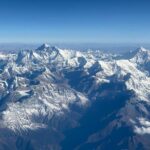
During the outbound flight, the itinerary hints at a fun viewing trick: try to sit on the right side of the airplane for better mountain scenery. That’s not guaranteed, but it’s a low-effort way to improve your odds of seeing dramatic ridgelines from the air.
On the return leg, you’ll fly back to Kathmandu after your trek, then use the extra buffer time to stay flexible. This matters because travel days can be the difference between enjoying the trip and feeling stuck in logistics mode.
How the pace feels: private small group walking with real support
This trek is set up as a private small group, which usually means you get less crowd pressure than you would on a large tour. Your guide stays with you the whole time, and an assistant trekking guide can join when groups are over 6 people. That extra staffing can help when you have different walking speeds in the same group.
Porters take a major load off your body. Your gear is carried for you, and your guide organizes the rest of the details. So instead of spending the day wrestling a heavy pack, you spend more energy on steady steps and altitude management.
The pacing is also built around the reality that Everest-region hiking isn’t just about fitness. It’s about breathing, hydration, and knowing when to slow down. That’s why you’ll see acclimatization days mixed into the itinerary, not tacked on as an afterthought.
The “easy” days aren’t always easy: Phakding, Monjo, pine forests, and river crossings
Days three through six build you into the route in a smart way. You start with gentle ascending before reaching Monjo. Then you’ll pass through areas with pine forests and stop for lunch around Jorsalle, before continuing toward Hilary Bridge.
These early segments are valuable because they help you settle into trail rhythm. You’re moving upward, but not so steep that you’re already cooked for the next day. You’ll also get familiar with how the route changes underfoot and how long it takes to cover distance when your body is working harder than usual.
Day five continues the pattern: ascend toward the national park headquarter area and follow a gentle trail to Kyanjuma. There’s a short tea break possibility, then a descent toward Phungi Thanga for lunch, plus a crossing of the Dudh Koshi river. River crossings can feel more significant at altitude, even when they’re not technically hard. The value here is that you’re learning what’s normal for this trek.
Then day six follows the Imja Khola to Pangboche (listed at 3,930m). Pangboche is a major Sherpa village in the Everest region, and you’ll get a strong sense of local mountain life here.
Acclimatization days: the route’s safety net at Namche-side heights and beyond
Acclimatization is a big deal on Everest Base Camp treks, and this itinerary builds it in clearly.
On day four, you take a rest and acclimatization day. The guide offers hike options such as Khumjung and Khunde, Everest View Hotel hike, Thame hike, or a National Park-related option (the itinerary lists several possibilities). I like this approach because it gives you choices based on your energy and how your body feels that morning.
Day seven is another second acclimatization day. You’ll hike to Nagarkhang Peak (about 5,000m), and the summit stop is meant for wide Himalayan views. Even if you don’t reach your own “perfect breathing moment,” you still benefit from the routine: morning hike, steady movement, and controlled exposure to higher altitude.
One practical note: on both rest days, you’ll likely feel tempted to push farther because you’re not hiking all day long. Don’t treat it like a bonus adventure day. Treat it like training for how you want your body to behave later at higher altitudes.

Push toward Base Camp: Dughla ridge, Dughla pass, and glacier work
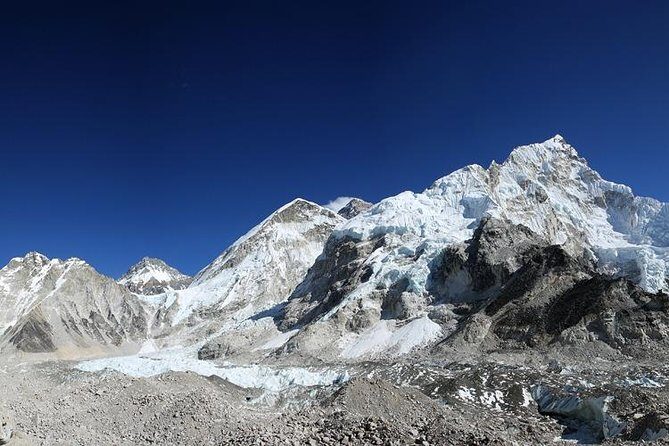
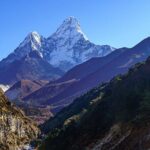
By day eight, you’re getting closer to the destination. You follow a ridge above Pheriche toward Dughla, with a stop in Dughla for lunch. Then the route includes steep climbing to Dughla pass.
This is the kind of day where the itinerary’s structure helps you. You’re not just thrown into “base camp mode.” You work upward in stages, and each stage adds a bit of altitude pressure.
Day nine is described as a tougher day, especially once the walk involves glaciers. The first part includes easier glacier walking, but when you start ascending over glaciers, the trail becomes harder due to trail difficulty and low oxygen levels. That combination is important: it’s not just leg fatigue. It’s also the mental drag of lower oxygen and slower breathing.
Glacier days can feel odd at first because they challenge your sense of footing. The good news is that the itinerary is clear about what’s coming, so you can mentally prepare rather than guessing mid-hike.
Kalatthar at sunrise: why this climb feels hard but pays off
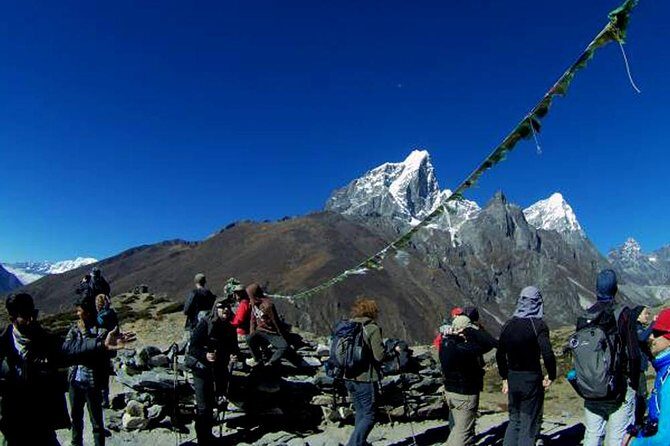
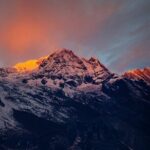
Day ten is your big viewpoint day. You start early to hike to Kalatthar before sunrise. The route calls the climb difficult, and the reason is obvious once you’re walking uphill while the air is thinner than you’re used to.
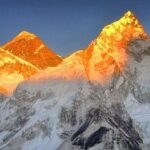
But this is also the most famous viewpoint in the Khumbu valley area, and it’s specifically known for showing towering Himalayan peaks. The timing matters because early light can change what you see dramatically, and it also means you’re doing the climb before heat builds and conditions shift.
Even if you’ve seen photos before, the scale hits differently in person. It’s one of those moments where the effort starts making sense, and you feel the trip’s arc click into place.
The descent back: Debuche, Tengboche, Phungi Tenga, and Kyanjuma
After Kalatthar, the trek turns toward return travel through classic villages. Day eleven passes through Debuche and Tengboche, then continues with a steep descent to Phungi Tenga for lunch on the bank of the Dudhkoshi river. After lunch, there’s an ascent to Kyanjuma.
This section can feel like a break compared to glacier work, but don’t underestimate it. Descents can be rough on knees, and the altitude still nags at your stamina. The itinerary gives you a flow—walk, eat, reposition—so you’re not stuck in long stretches with no structure.
Day twelve continues the return with steep descent to Jorsalle and then onward to Phakding for lunch and breakfast timing (the itinerary notes both). It’s also the day where you’re approaching the end of the 11-night/12-day trek portion and moving toward Lukla.
Lukla to Kathmandu: flying out, then using that extra Kathmandu day
Once you reach Lukla, the trek portion ends and you’ll shift to flying back. Day thirteen is an adventurous flight to Kathmandu. Again, it’s a flight you’ll want to be mentally ready for, but it also offers that chance to watch the terrain from above.
Day fourteen is your free Kathmandu day. This isn’t filler time. It’s a weather and schedule buffer, meaning it’s there in case Lukla flights were delayed or shifted. You’ll have time for shopping and simply resetting before your international travel.
On day fifteen, you’ll drive to the airport about three hours before your flight time. That early buffer is smart because Kathmandu’s airport days can be tight if you’re rushing.
Price and value: what you’re paying for at $1,408 per person
At $1,408 per person for about 15 days, this price isn’t only covering “walking in the mountains.” It covers a stack of services that add up fast on Everest-region treks:
Included items you should notice:
- Airport pickup and drop services in Kathmandu (private vehicle before and after the trek)
- Kathmandu–Lukla–Kathmandu domestic flights, including for the guide
- Everest National Park entry permit and TIMS registration card
- An English-speaking, government-licensed guide with trekking support
- Sherpa helpers (porters) including meals, accommodation, salary, and insurance
- Group meals and accommodation through the trek
- Cold-weather gear: down jacket, four-season sleeping bag, and a duffel bag (returned after the trip)
The “not included” list is also important because it points out where you’re still carrying some cost:
- International airfare and Nepal visa fees
- Travel and medical insurance
- Emergency evacuation
- Personal expenses like beverages, laundry, and small comforts
To me, the value logic is straightforward: you’re paying to reduce risk and reduce workload. You’re buying guide time, porter labor, permits, and core gear support. If you’d otherwise be trying to arrange permits, find a guide, hire porters, and source a sleeping bag and down jacket yourself, the package starts looking like a practical deal.
Who should book this Everest Base Camp trek, and who should rethink it
This trek is a good fit if you want:
- A private small group experience with a consistent pace and support
- Porters carrying your gear so your body can focus on hiking
- Built-in acclimatization days and a strong viewpoint finish at Kalatthar
- A package where key cold-weather gear and permits are handled
It’s also aimed at people with moderate physical fitness. That doesn’t mean “easy.” It means you can handle days of walking with altitude effects, and you’re willing to slow down when needed.
I’d rethink booking if you’re expecting an ultra-flexible itinerary with guaranteed flight times, because the Lukla schedule depends on weather. If you’re sensitive to altitude or you’re not prepared for the low-oxygen parts of glacier crossing days, this route may feel too intense.
Should you book Himalayan Leisure for Everest Base Camp?
If you want Everest Base Camp with less guesswork, I’d lean toward booking this style of trip. The combination of a licensed guide, porters for your gear, included permits, and key equipment reduces the main friction points that usually trip people up.
My decision tip: choose this operator if you value structure. The itinerary’s acclimatization days, glacier day build-up, and the Kathmandu flight buffer make it easier to handle altitude and weather without losing your whole plan.
If you’re the kind of person who prefers totally independent travel with zero package support, then a self-arranged trek might feel more your style. But for most hikers, this format is a clean way to get to Everest Base Camp with your energy focused where it belongs: on the trail.
FAQ
What’s included in the trekking gear?
The trip includes a down jacket, a four-season sleeping bag, and a duffel bag. The duffel bag and sleeping bag are listed as to be returned after trip completion.
Will there be a guide and porters?
Yes. You’ll have an experienced English-speaking, government-licensed trekking guide, plus strong Sherpa helpers (porters) who carry your gear. Meals, accommodation, salary, and insurance for porters are included.
How do Lukla flights affect the schedule?
Lukla flights can face weather issues. The itinerary includes a free day in Kathmandu specifically used as a buffer for potential flight cancellations or delays.
Is Kathmandu to Lukla transportation included?
Yes. Domestic airline tickets for the Kathmandu–Lukla–Kathmandu route are included, including tickets for the guide.
Do I need park permits and TIMS registration?
The Everest National Park entry permit and TIMS registration card are included in the package.
What happens if the trip is canceled due to poor weather?
The experience requires good weather. If it’s canceled due to poor weather, you’ll be offered a different date or a full refund.