REVIEW · KATHMANDU
Ghorepani Ghandruk Wellness Yoga Trek
Book on Viator →Operated by Places Nepal Trek & Tours · Bookable on Viator
You get mountain views and yoga in the same breath. This Ghorepani Ghandruk Wellness Yoga Trek pairs daily mindful movement with classic Annapurna country, including a sunrise push to Poon Hill. I especially like the way the day starts with structured yoga + breathing routines, and I like that the itinerary also gives you real time in places like Kathmandu temples and the village setting around Ghandruk. One heads-up: the trek has a harder day early on, and the program is also not a fit for everyone with certain dietary needs.
From the jump, the trip is built to reduce stress: airport transfers, guided sightseeing in Kathmandu, a flight into Pokhara, and then the trail with meals and permits handled. Price-wise, it’s not cheap, but a lot is rolled in—4-star Kathmandu hotels, daily yoga guidance, trekking permits, and even an oximeter. If you’re looking for a purely budget trekking week with total freedom to improvise, this is more structured than that.
In This Review
- Key highlights worth your attention
- What this trek really is: yoga timing built into a real Annapurna itinerary
- Price and value: what $1,979 is paying for (and what it isn’t)
- Day-by-day: from Kathmandu temples to Poon Hill sunrise
- Day 1: Landing and a calm start in Kathmandu
- Day 2: Kathmandu Durbar Square, then the big stupas and Pashupatinath
- Day 3: Pokhara transition day with yoga that resets your pace
- Day 4: Ghorepani arrival day and the trek’s first big effort
- Day 5: Poon Hill sunrise climb, then Tadapani guesthouse night
- Day 6: Ghandruk day—morning wellness, village time, and recovery focus
- Day 7: Back toward Pokhara by jeep, with the mind settled
- Day 8: Kathmandu return and another full yoga day
- Day 9: Airport transfer, and optional monastery-style time
- Poon Hill sunrise: the moment you plan the whole week around
- Wellness details that actually matter on a trek
- Comfort level: 4-star nights in Kathmandu, guesthouses on the trail
- Transportation and pacing: fewer moving parts, fewer surprises
- What to pack (and what they already give you)
- Who should book this trek (and who might not love it)
- Should you book the Ghorepani Ghandruk Wellness Yoga Trek?
- FAQ
- How long is the Ghorepani Ghandruk Wellness Yoga Trek?
- Where does the tour start and end?
- Is airport transfer included?
- Do I fly to Pokhara or travel only by road?
- What accommodations are included?
- Are meals included?
- Is yoga part of the program?
- Is this tour private?
Key highlights worth your attention
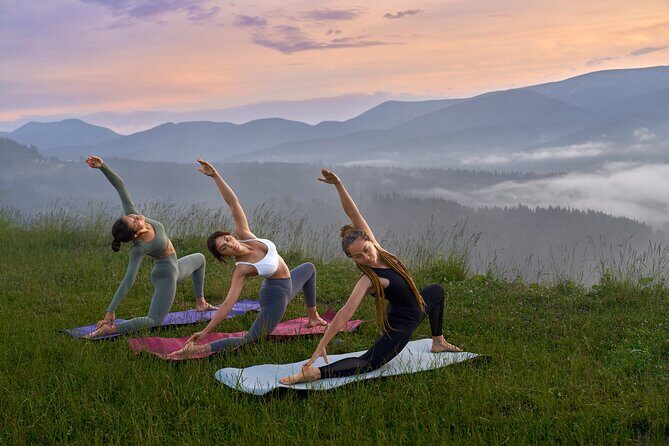
- Poon Hill sunrise at 3,210 meters, plus views of around 10 peaks from the viewpoint
- Daily yoga flow in the mornings (prayers, sun salutations, breathing, and a peace mantra)
- Guided Kathmandu classics: Durbar Square, Swayambhunath, Boudhanath, and Pashupatinath
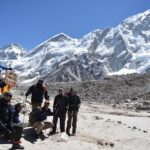
- Trek timing that includes rest stops like Ghorepani and Tadapani guesthouse nights
- Wellness support on the route, including Pokhara Ayurvedic massage and time for recovery
- Helpful included gear like a sun cap, oximeter, yoga mat, and a duffle bag
What this trek really is: yoga timing built into a real Annapurna itinerary
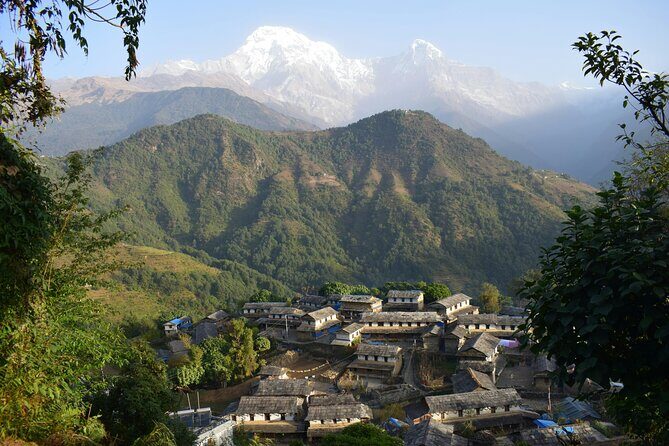
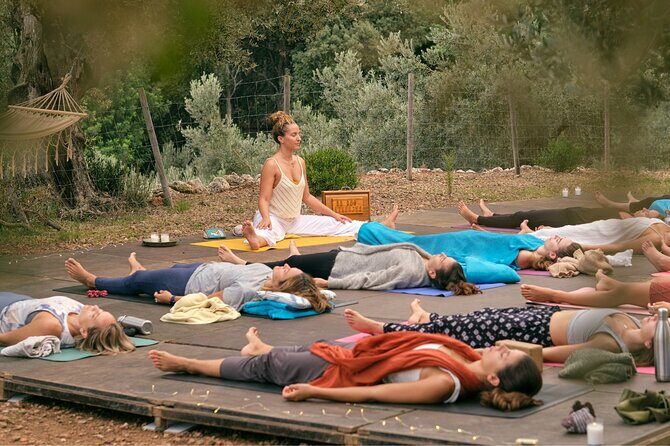
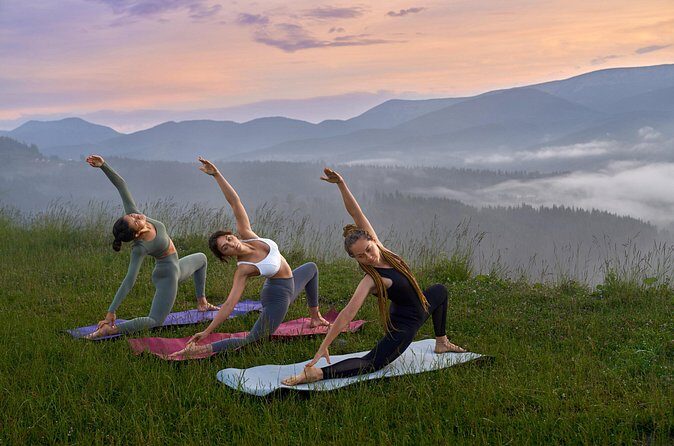
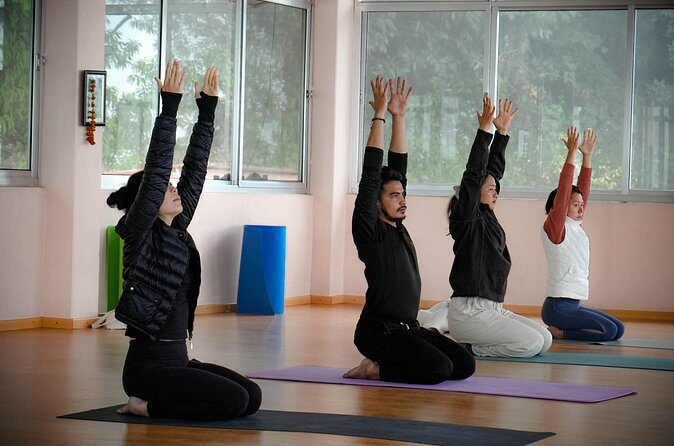
This is a trekking trip first, then a wellness retreat wrapped around it. That matters, because yoga here isn’t just a logo on a brochure. You’ll do morning routines that usually follow a familiar rhythm: prayers, stretching, sun salutations (Suryanamaskar), yoga postures (Yogasana), breathing practice (Pranayama), and then a peace mantra. In plain terms: you’re training your body to move well while the days also climb and descend.
I like that the program doesn’t pretend the mountains are gentle. It gives you a steady structure so you’re not guessing how to pace yourself, especially on transition days when you move from city to flight to trail. And since you have a local licensed guide plus a yoga expert, you’re getting two kinds of safety: navigation on the route and a steadier body/mind approach to exertion.
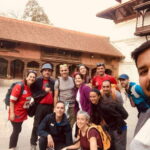
There’s also a cultural thread. You’re not only hiking—you’re visiting major Kathmandu religious sites and passing through villages along the way. That changes the feeling of the week from workout-only to something more human and grounded.
You can also read our reviews of more hiking tours in Kathmandu
Price and value: what $1,979 is paying for (and what it isn’t)
Let’s talk money like adults. At $1,979 per person for about 9 days, you’re paying for organization and continuity. The included package covers a lot of the annoying parts that usually add up fast on independent trips:
- Airport pickup and drop-off, plus ground transportation
- A one-way domestic flight to Pokhara
- Lodging: 4-star Kathmandu hotel nights plus one night in Pokhara and trail guesthouses
- Trek essentials: permits, guide team, meals during the trek, and yoga gear like a mat and blanket
- Wellness extras: Pokhara Ayurvedic massage
- Practical items: duffle bag, sun cap, t-shirt, and an oximeter
What’s not included is also clear. Lunches in Kathmandu and Pokhara aren’t covered, and bar bills/personal expenses are on you. Tips are expected too. If you’re the type who hates group schedules or you want to eat only what you want, you’ll feel the structure more here.
The best way to judge value is this: would you otherwise pay for guides, permits, domestic flights, transfers, and a yoga teacher in one package? If the answer is yes, the price starts to feel more reasonable. If your dream trek is truly DIY, you might find a cheaper route—but it will likely be less supported.
Day-by-day: from Kathmandu temples to Poon Hill sunrise
Day 1: Landing and a calm start in Kathmandu
After you land, you’re met by the team and taken to your hotel. Before check-in, you get a rundown of what’s next. This is small, but it helps a lot when you’re jet-lagged. You’re not spending the first day decoding how the whole trip works.
If you arrive before 4 PM, the plan includes time around the program office. If you arrive later, you still start with that airport-to-hotel flow.
Day 2: Kathmandu Durbar Square, then the big stupas and Pashupatinath
Day 2 is classic Kathmandu sightseeing, guided. You’ll visit:
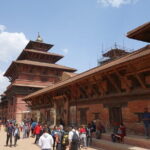
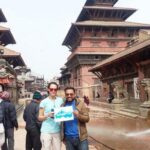
- Kathmandu Durbar Square (UNESCO), with a scheduled guided window
- Swayambhunath (Monkey Temple) for views over the city
- Boudhanath Stupa, one of the largest in the world
- Pashupatinath Temple, where you can see traditional Hindu rituals
You end the day with shopping for trek needs. This is practical: Kathmandu is where you can pick up small items you’ll wish you had on the trail.
A quick consideration: this is a full sightseeing day right after your arrival day, so if you’re sensitive to walking and crowds, pace yourself. You’ll be more grateful later on the mountain.

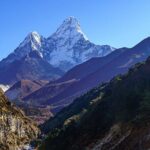
Day 3: Pokhara transition day with yoga that resets your pace
You’re heading toward Pokhara, and the day starts with a yoga-style warm-up: stretching, breathing work, sun salutations, and a peace mantra. The goal is to settle your body after travel and prep your lungs and legs for what comes next.
The itinerary gives this day about 5 hours in the activity window. That’s enough to feel organized, not enough to turn into a marathon.
Day 4: Ghorepani arrival day and the trek’s first big effort
Day 4 starts with morning routine—prayers, stretching, sun salutations, yoga poses, breathing, and a peace mantra—then breakfast. After that, you begin the trek, and this is described as the hardest day of the trek.
Translation: plan for an early mindset shift. This isn’t just a gentle walk. The payoff is that the harder day comes while your team and schedule are fully in place, so you can focus on moving safely and consistently.
Day 5: Poon Hill sunrise climb, then Tadapani guesthouse night
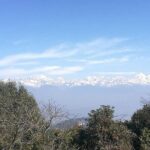
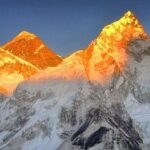
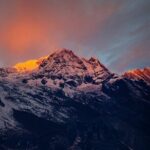
This is the day most people dream about. You hike up to Poon Hill (3,210 meters) in the early hours—about an hour to reach the viewpoint. Sunrise here is the headline, and the views are described as showing around 10 different mountain peaks.
Then you go back down to Ghorepani for a light mountain breakfast. After that, you trek to Tadapani (about 4 hours) and stay at a guesthouse around 2,700 meters, with time to meditate and enjoy dinner.
What I like about structuring it this way is you get the emotional high of sunrise, then you still get a clear, realistic afternoon workload before an evening settle-in.
A consideration: early starts on Poon Hill can feel cold. Layers help.
Day 6: Ghandruk day—morning wellness, village time, and recovery focus
Another morning routine: prayers, stretching, sun salutations, yoga poses, breathing, and a peace mantra. When you arrive in Ghandruk, there’s time to relax before you head into the village visit portion of the day.
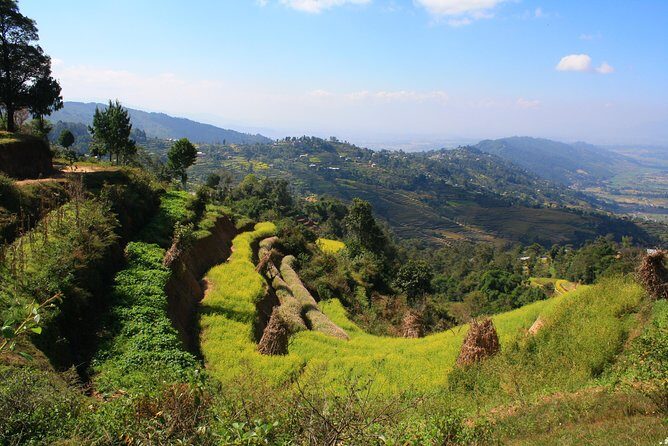
This is where the trip turns from “hiking scenery” into “people and place.” Ghandruk is part of the cultural heartbeat of this region, and the program includes interaction with local communities.
Also, the overall wellness concept includes Ayurvedic massages and natural hot springs. The exact timing isn’t spelled out line-by-line in what you provided, but the wellness components are part of the trip design, so you should expect recovery time to be built in rather than treated as an optional add-on.
Day 7: Back toward Pokhara by jeep, with the mind settled
You keep the morning wellness pattern again—prayers, stretching, sun salutations, yoga, breathing, peace mantra. Then the itinerary shifts gears: you ride by jeep to Nayapul and then transfer to Pokhara.
This is a good day if you want your body to stop fighting gravity. You still get the mountain-to-city transition, but without adding a long hiking day on top.
Day 8: Kathmandu return and another full yoga day
The program returns you to Kathmandu. Day 8 is another yoga-focused routine day: prayer warm-up, Suryanamaskar, Yogasana, Pranayama, and Shanty Path (peace mantra). After that, you’ll have the rest of the day as scheduled in the program, with the day designed to keep momentum without leaving you stranded.
I like having a full wellness day back in Kathmandu because it keeps you from feeling wrecked after the trek.
Day 9: Airport transfer, and optional monastery-style time
You get picked up from your hotel and transferred to Tribhuvan International Airport. If you have extra time, you can opt for a retreat in the monastery or other activities.
That final buffer matters. It means you’re not forced into an immediate flight out with your last steps still in your muscles.
Poon Hill sunrise: the moment you plan the whole week around
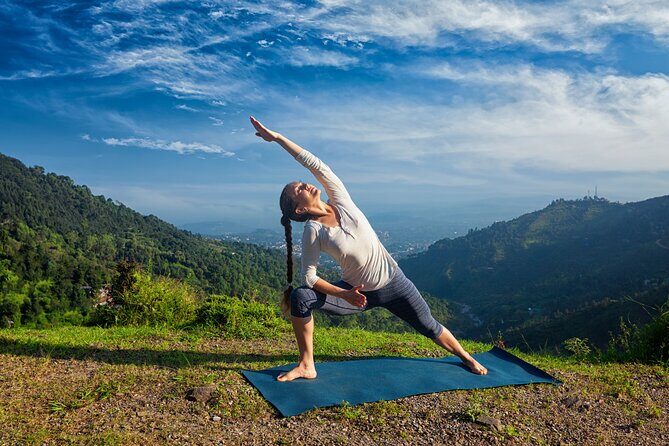
If you only remember one thing from this trip, make it this: Poon Hill sunrise. The timing is early, and the hike is short—about an hour—but it sits at 3,210 meters, so you’ll want to start with a headlamp or solid awareness of cold and wind (even if the exact gear list doesn’t spell that out).
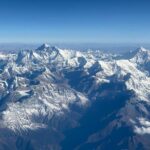
You’re promised amazing sunrise views and an ability to see many peaks—around 10 mountains from that viewpoint. That’s a key difference from many treks where the best view is just “good.” Here, the route is built around a specific payoff.
The yoga piece also changes how you experience that moment. If you’re doing breathing and sun salutation routines regularly, you’re more likely to enjoy the sunrise quietly instead of rushing it with fatigue.
Wellness details that actually matter on a trek
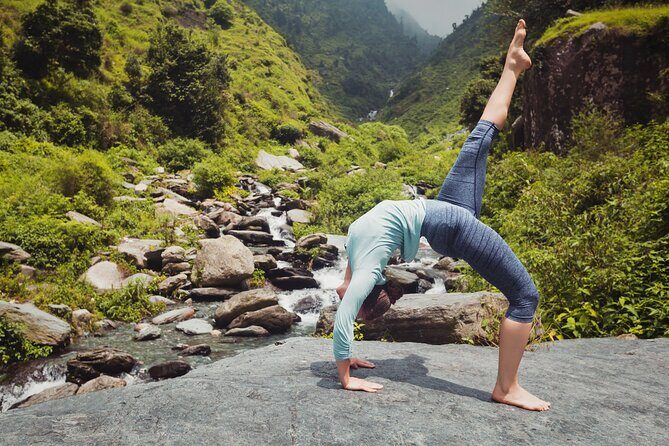
This trek’s wellness angle isn’t only stretching. It’s practical in a way that can help your trek comfort.
- Daily yoga sessions are tailored to your needs, which is important when your body is adapting to altitude and uneven paths.
- You have an experienced yoga expert plus a local licensed guide, so posture and pacing aren’t guessed.
- You get yoga mats and a blanket to use (to be returned), so you’re not trying to source gear in Kathmandu.
- A Pokhara Ayurvedic massage is included, which is the kind of recovery that makes your next walking day feel less like punishment.
- The itinerary also references natural hot springs as part of the wellness concept.
One more practical point: the included oximeter helps you check oxygen level during the experience. Altitude is individual, and while it doesn’t eliminate risk, it helps you make smarter decisions if you start feeling off.
Comfort level: 4-star nights in Kathmandu, guesthouses on the trail
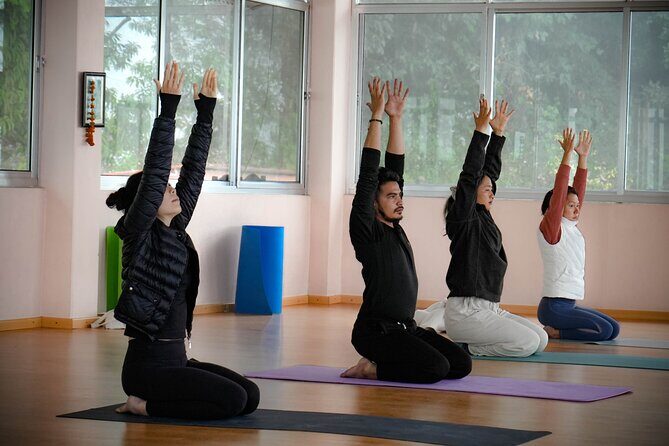
Your lodging situation is mixed, which is normal for this route. But it’s clearly planned:
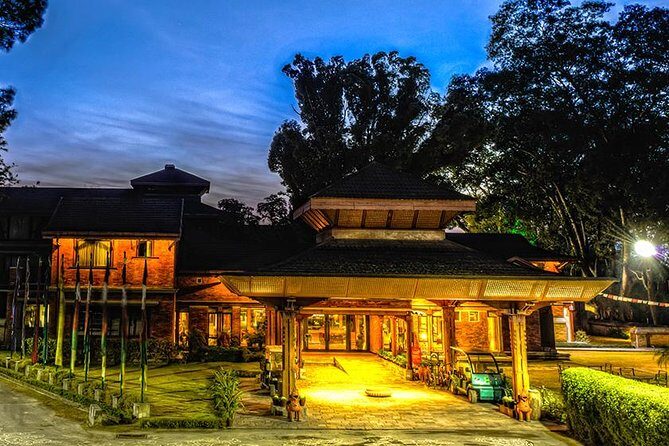
- Two nights in a 4-star hotel in Kathmandu
- One night in Pokhara
- Trail accommodations along the route described as cozy guesthouses
The comfort is a real benefit, especially if you’re carrying jet lag or if you want showers and clean beds between trekking legs. The trail guesthouses are likely simpler than city hotels, so plan to expect basic trekking comforts.
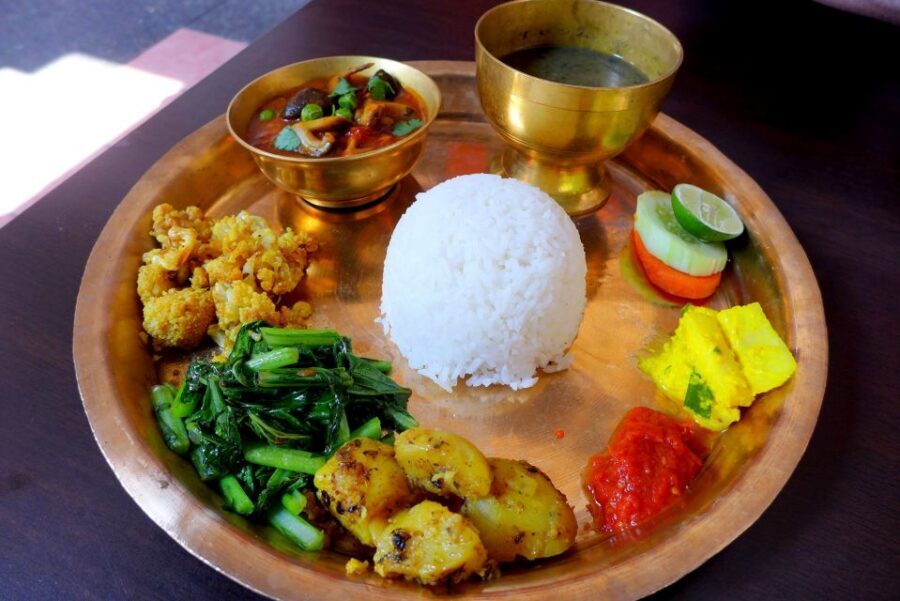
Meals are mostly covered. During the trek, standard meals (breakfast, lunch, dinner) are included. Lunches in Kathmandu and Pokhara are not included, so keep a little daily cash/card flexibility for those meals.
Transportation and pacing: fewer moving parts, fewer surprises
This is the kind of itinerary that lowers stress because it handles a lot of logistics:
- Airport pickup and drop-off
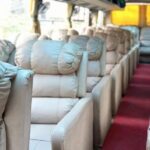
- Ground transportation aligned with your schedule
- A one-way domestic flight to Pokhara
It also includes a pickup option and group discounts, plus mobile ticket use. Even if you’re traveling solo, the trip is designed as a group experience with structure and staff support.
A private tour detail is included too: it’s private, meaning only your group participates. That can be a big win if you like quieter pacing or you want fewer people affecting your schedule—though it doesn’t remove the fact you’ll still follow the daily itinerary times.
What to pack (and what they already give you)
You’ll likely pack like you would for a classic Annapurna trek, with extra attention to layers for cold mornings. Here’s what’s already included, which helps you travel lighter:
- Duffle bag
- Sun cap
- T-shirt
- Oximeter
- Yoga mat and blanket (returned after use)
You’ll still want your personal essentials: proper footwear, warm layers, and any medications you rely on. Since meals and drinks beyond the included ones aren’t fully covered, bring a bit of flexibility for personal preferences.
If you have specific dietary needs, double-check fit first—this isn’t recommended for people with certain dietary needs. That’s not a small note; it can affect your daily comfort.
Who should book this trek (and who might not love it)
This trek fits you best if:
- You want a structured trekking route with expert support and permits handled
- You care about morning movement—yoga, breathing, and mantra—built into the day
- You like a blend of culture and nature: Kathmandu temples plus village time in Ghandruk
- You appreciate real recovery support like massage and possible hot springs
You might think twice if:
- You want maximum freedom to change plans day by day
- You have dietary restrictions that need more customization than the included meals cover
- You’re extremely sensitive to early starts, cold mornings, or the fact that the hardest day comes relatively early in the trek
Still, the trip notes say that most travelers can participate, which is a good sign for a well-run group experience.
Should you book the Ghorepani Ghandruk Wellness Yoga Trek?
I’d tell you to book if you want two things to happen smoothly: a meaningful Annapurna trek and a wellness routine that’s taken seriously (not tacked on). The value feels strongest because it combines guided logistics, included meals during the trek, permits, domestic flight, hotel comfort in Kathmandu, and daily yoga instruction.
Skip it if you’re hunting for a bare-bones hike where you control every detail yourself, or if dietary needs are highly specific.
One last practical tip: treat the hardest day as a strategy day, not a test. Let the yoga routines and the guided pacing do their job, and you’ll get more out of the sunrise payoff that makes this trek famous.
FAQ
How long is the Ghorepani Ghandruk Wellness Yoga Trek?
The duration is about 9 days.
Where does the tour start and end?
It starts at Tourist Bus Stop16 Nayabazar, Kathmandu, Nepal, and ends back at the same meeting point.
Is airport transfer included?
Yes. Airport pickup and drop-off are included.
Do I fly to Pokhara or travel only by road?
A one-way domestic flight to Pokhara is included.
What accommodations are included?
The package includes 2 nights in a 4-star hotel in Kathmandu and 1 night in Pokhara, plus accommodations along the trekking route.
Are meals included?
Yes. Standard meals during the trek (breakfast, lunch, dinner) are included. Lunch in Kathmandu and Pokhara is not included.
Is yoga part of the program?
Yes. There are yoga and meditation sessions according to the schedule, led by a yoga expert, and the trip includes yoga mats and a blanket.
Is this tour private?
Yes. It’s private, so only your group participates.