REVIEW · KATHMANDU
The Boudhanath Yoga Experience in Nepal
Book on Viator →Operated by Himalayan Advisor Pvt. Ltd. · Bookable on Viator
Boudhanath is yoga fuel. This 4-hour Kathmandu workshop pairs a guided class with time in the shadow of the world’s largest Buddhist stupa, plus hotel pickup so you don’t waste your morning figuring out buses and taxis. I especially liked how the teacher taught step-by-step, so you always knew what to do next, and how the meditation felt genuinely peaceful even though you’re in a busy area. One thing to consider: there’s no included food, so plan a snack stop before or after if you get hungry easily.
You’re in the right setting for more than stretching. The class blends asanas (postures), mudras (hand gestures), and pranayama (breathing) with mind-training concepts like dharana and dhyana, using a Buddhism-inspired, practical approach. A possible drawback is that the focus is spiritual and meditative, not fitness-heavy, so if you expect a sweat-drenched style session, you might want to adjust your expectations.
This experience is small-group and easy to join. With a maximum of 14 people, you get a calmer pace, and you’ll have room to ask questions when something feels unclear. Just come wearing loose clothes, since the teaching involves seated and standing positions.
In This Review
- Key highlights you’ll feel right away
- Getting to Boudha Without Stress: Pickup and a Private Ride
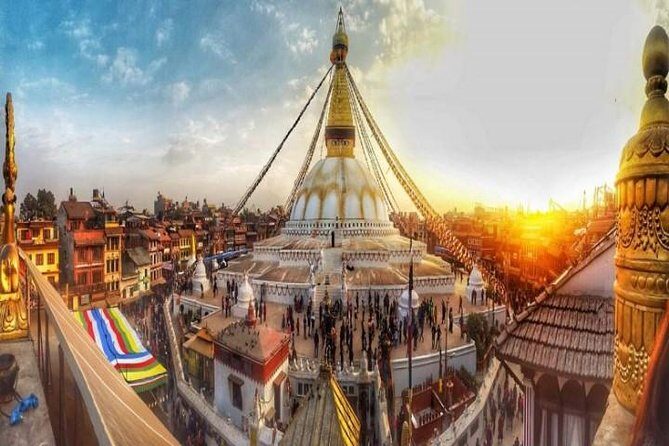
- Boudhanath Stupa: Seeing the World’s Largest Buddhist Stupa Up Close
- The 2.5-Hour Yoga Session: Asanas, Mudras, and Pranayama in Plain English
- Dharana and Dhyana: Learning Mind Control Without the Mysticism Trap
- Why the Eight-Fold Path Framework Feels Different
- Price and Value: Is $110 Fair for a 4-Hour Morning in Kathmandu?
- What to Wear and How to Prepare So You Feel Comfortable
- Group Size and the Pace: Small-Group Calm at a Major Pilgrimage Site
- Who Should Book This Workshop (and Who Might Want to Pass)
- Should You Book This Yoga and Boudhanath Experience?
- FAQ
- What time does the yoga workshop start?
- How long is the yoga class?
- Is hotel pickup and drop-off included?
- Do I need to pay for Boudhanath Stupa entry separately?
- What should I wear for the class?
- Is food included?
Key highlights you’ll feel right away
- Door-to-door hotel pickup and drop-off in a private vehicle so you start relaxed and finish without guesswork
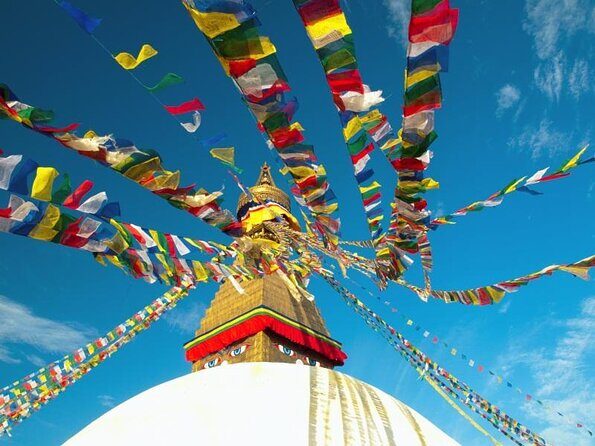
- Boudhanath Stupa close-up time with the chance to see it during your session area visit
- 2.5 hours of guided yoga with clear instruction, including breathing and hand-gesture work
- A meditation-first tone that stays calm even in a lively neighborhood
- Buddhism-inspired framework that connects physical practice to mind training
- Entry fee included for Boudhanath Stupa, so you don’t have to hunt for the ticket on the day
Getting to Boudha Without Stress: Pickup and a Private Ride
The biggest practical win here is the logistics. Your day starts at 9:00 am with hotel pickup, then you ride in a private vehicle to Boudhanath. For Kathmandu, that alone can be worth it because the morning rush can make short trips feel longer than they should.
Once you arrive, you’re not sent wandering with vague instructions. You’ll be taken care of during the main experience, and you’ll get returned to your hotel afterward. If you’re trying to see Boudha and do yoga in the same half-day, this setup keeps the schedule simple and low-stress.
One more detail I appreciated: the area is described as near public transportation. That’s good to know if you decide you want to move on afterward, but the tour itself removes the need to plan your transport mid-class.
You can also read our reviews of more tours and experiences in Kathmandu.
Boudhanath Stupa: Seeing the World’s Largest Buddhist Stupa Up Close
You get a real sense of place because the yoga center is essentially across from Boudhanath Stupa. Even if you’ve seen photos, the scale and presence hit differently in person. This is a pilgrimage site tied to Tibetan Buddhism, and the neighborhood includes an exiled Tibetan community that keeps the culture living and visible.
During the experience, you have the chance to visit the stupa while also doing yoga. That combo matters. Yoga can be technical on paper, but in this setting it feels like part of a bigger day of practice—breath, movement, and then a calm look at something that people have respected for generations.
The good news: you’re not left guessing what you’re looking at. The experience includes entry fee at the stupa, so you can focus on observing rather than sorting out payment, timing, and access.
Possible consideration: because you’re near a major stupa in a busy area, you may hear sounds from the street. The point isn’t total silence. It’s learning how to keep your attention steady even when the world is active around you—which is a useful skill for daily life.
The 2.5-Hour Yoga Session: Asanas, Mudras, and Pranayama in Plain English
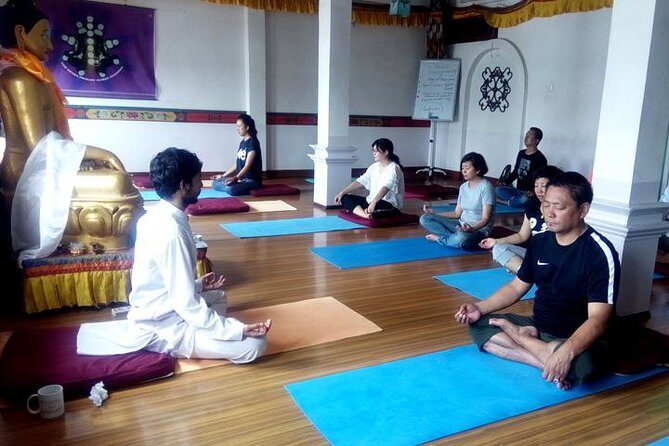
The yoga portion runs about 2.30 hours inside your 4-hour window. The class is hands-on and taught in a traditional, Buddhism-inspired framework, which changes the vibe from a typical studio workout.
Here’s what you’ll actually work with:
- Asanas: proper posturing of the body
- Mudras: hand gestures used to guide energy flow
- Pranayama: breathing techniques for relaxation and purification
What I liked most is how the instruction stays move-by-move. You’re not tossed into complicated sequences and told to figure it out. Instead, you get guidance that helps you connect posture and breath without losing focus.
Also, this is where “yoga” becomes more than exercise. Pranayama isn’t just about taking deep breaths. The teaching frames breath as a tool that calms the nervous system and helps you feel more clear. Even if you’re new, you can usually follow along because breathing is universal—you may just need time to find your rhythm.
Mudras can feel unfamiliar at first, especially if you’ve only done basic stretching. Still, the format here is designed to teach them properly rather than treat them like optional extras. Think of mudras as cues: small hand movements that signal your attention to slow down and steady.
Dharana and Dhyana: Learning Mind Control Without the Mysticism Trap
The class doesn’t stop at body mechanics. It includes dharana, described as controlling the mind for positive energy, and dhyana, a meditation technique aimed at liberating the mind.
If that sounds like heavy philosophy, here’s the practical takeaway: you’ll spend time training attention. That can show up as breathing focus, posture stability, and simple mental cues that help you stay with the present moment. In other words, it’s not just sitting quietly and hoping for enlightenment. You’re guided toward focus and stillness step by step.
This is also where the teacher’s presence matters. One of the strongest themes from the experience is that the instruction feels welcoming and peaceful, and that the teacher’s energy makes you feel included. That kind of calm leadership can change everything for beginners—especially if meditation feels intimidating.
You also get space to ask questions. If something doesn’t click—whether it’s how a breathing exercise should feel or why a mudra is used—you’re not stuck guessing.
Why the Eight-Fold Path Framework Feels Different
The workshop explains yoga through a Buddhism-inspired lens, including the Eight-Fold Path and seven disciplines approach (as taught by Lord Buddha, per the experience description). That’s not just branding. It changes the tone of the class from performance to practice.
Instead of chasing a long sequence or trying to look perfect, you’re invited to think in terms of balance:
- How you hold your body
- How you breathe
- How you train focus
- How your actions affect your mindset
For many people, that framework is exactly what makes the session memorable. It’s yoga with context—so you leave with something you can try again at home, not only sore legs and a nice photo.



Price and Value: Is $110 Fair for a 4-Hour Morning in Kathmandu?
At $110 per person, this isn’t the cheapest thing you can do in Kathmandu. But it’s also not overpriced for what you get.
Here’s the value math in real terms:
- Private hotel pickup and drop-off (transport cost is part of the price)
- Highly qualified yoga instructor
- 2.30 hours of yoga class
- Stupa entry fee included
If you were to add those things separately—especially transport and guided instruction—you’d likely spend more. The small group size (max 14) can also be a quiet quality marker. It’s easier to teach, easier to ask questions, and easier to feel safe as a beginner.
Also note: it’s often booked well in advance (on average, 113 days). That suggests it’s a steady, in-demand option. If your dates are set, it’s smart to book early, especially if you travel during peak months.
One more value note: food isn’t included. That’s not unusual, but it can affect your total day cost. If you need breakfast or a post-class snack, plan it into your budget.
What to Wear and How to Prepare So You Feel Comfortable
This is the kind of class where clothing matters. The experience advises loose-fitting clothing so your body can move freely and breathing stays comfortable. In practice, this means you want fabric that won’t bind at joints, shoulders, or waist when you shift positions.
If you’re bringing anything, keep it simple:
- wear layers in case indoor airflow or outdoor temperature changes
- bring a bottle of water for after the session (water needs aren’t listed as provided)
- arrive with a light mindset, not a workout mindset
Most travelers can participate, but keep expectations realistic. You’ll do postures and breathing, plus meditation-style attention work. If you have mobility constraints, you might still be able to join, but it’s worth going in ready to adapt with the instructor’s guidance.
Group Size and the Pace: Small-Group Calm at a Major Pilgrimage Site
With a maximum of 14 travelers, this doesn’t feel like a mass tourist activity. The class structure supports questions and individual adjustments, and the pacing stays human.
There’s also a useful balance to the setting. You’re near a major stupa and a lively neighborhood, yet the session is designed so the environment doesn’t hijack your attention. One of the clearest impressions from the experience is that the area can be busy without turning the class into chaos.
That matters because the real skill you learn isn’t just yoga positions. It’s how to keep your focus steady when your surroundings are imperfect—street noise, crowd movement, daily life.
Who Should Book This Workshop (and Who Might Want to Pass)
This is a great fit if you want:
- a yoga session with context, not just movement
- a quieter morning where you learn and ask questions
- exposure to Boudhanath beyond sightseeing photos
- a guided way to practice breathing and meditation basics
It may be less ideal if you want a purely athletic, gym-style class focused on intensity. This workshop leans toward mindfulness and spiritual training components like dharana and dhyana, so the payoff is calmer awareness, not maximum calorie burn.
If you’re a first-time yoga participant, you’ll likely like the step-by-step teaching. If you’re an experienced practitioner, you may enjoy the mudra and mind-training emphasis, especially in a cultural setting that treats yoga as a way of living, not only a routine.
Should You Book This Yoga and Boudhanath Experience?
Book it if you want a morning that feels meaningful and practical at the same time. You’ll get hotel pickup, a guided 2.30-hour class, and Boudhanath Stupa access without extra planning. For $110, the included transport, entry fee, and instructor time make the value feel fair, especially in a small group.
Don’t book it if your main goal is strict fitness. This is yoga with breathing, gestures, and meditation training, tied to Buddhism-inspired concepts. You should go for the experience of steadiness and guided attention—not for a sweat-max workout.
If you want a calm, guided taste of Boudhanath culture plus hands-on yoga, this one’s a strong choice.
FAQ
What time does the yoga workshop start?
The experience starts at 9:00 am.
How long is the yoga class?
The yoga class lasts about 2.30 hours.
Is hotel pickup and drop-off included?
Yes. The tour includes hotel pickup and drop-off, with transport by private vehicle.
Do I need to pay for Boudhanath Stupa entry separately?
No. Entry fee at Boudhanath Stupa is included.
What should I wear for the class?
Wear loose-fitting clothing so your body can move comfortably during the practices.
Is food included?
No. Food and drinks are not included.