REVIEW · KATHMANDU
Full Day Private Tour of Seven World Heritage Sites in Kathmandu
Book on Viator →Operated by Cordial Trek Pvt. Ltd. · Bookable on Viator
Seven UNESCO stops in one day. That’s the big hook here. This private Kathmandu circuit strings together major Hindu and Buddhist landmarks, plus UNESCO-listed Durbar Squares in the valley, with a real guide to help you make sense of what you’re seeing. I especially like the time efficiency (about 8 hours, with pickup and drop-off), and I also like that lunch is built in so you’re not hunting for food between temples. One drawback to plan for: monument entrance fees are not included, and the total add-on is listed at $50 per person.
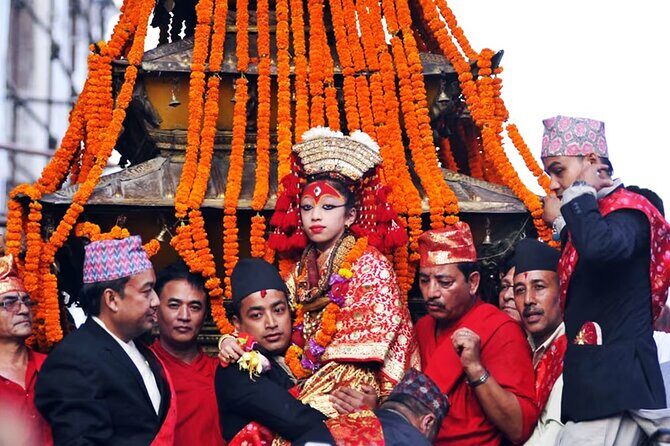
You’ll start around 08:00 AM from your hotel and spend the day moving through Kathmandu Valley at a steady pace. The itinerary hits Boudhanath Stupa, Pashupatinath Temple, Changu Narayan, Bhaktapur Durbar Square, Patan Durbar Square, Swayambhunath (Monkey Temple), and Kathmandu Durbar Square—plus a tour highlight includes a chance to sight living goddess Kumari. Most travelers can participate, and it’s set up as a private tour (only your group).
The value feels best if you want one organized day that covers the essentials without the stress of sorting tickets, timing, and transport on your own.
In This Review
- Key points you’ll care about
- An efficient private day across Kathmandu Valley UNESCO sites
- Price and logistics: why the tour cost looks low
- The 08:00 start: how the day stays smooth (even when traffic won’t)
- Boudhanath Stupa: a calm opener to a busy day
- Pashupatinath Temple: the Hindu pilgrimage stop you shouldn’t skim
- Changu Narayan Temple: hilltop temple energy and older roots
- Bhaktapur Durbar Square: where the small district feels big
- Patan Durbar Square: one of three royal squares in the valley
- Swayambhunath (Monkey Temple) and the Mahachaitya
- Kathmandu Durbar Square: a royal square with ancient construction
- Lunch break: Nepali thali or momo/spaghetti during a temple marathon
- How your guide can make the difference (Nilakantha and Kamal show up)
- Who this tour is best for (and who should choose differently)
- Should you book this Seven-UNESCO day tour?
- FAQ
- How long is the tour?
- What time does the tour start?
- Is pickup and drop-off included?
- Are entrance fees included in the price?
- What’s included for lunch?
- Is this tour private?
- What is the cancellation window?
Key points you’ll care about
- Seven UNESCO World Heritage Sites in one day, with a tight route through the valley
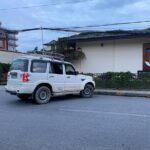
- Pickup and drop-off plus an air-conditioned private car so you lose less time to logistics
- Lunch is included (Nepali thali or momo/spaghetti), which matters when you’re stacking temples
- Entrance fees are extra ($50 per person listed), so budget for that early
- Guides can bring the sites to life, with top-rated experiences featuring guides like Nilakantha Acharya and Kamal
An efficient private day across Kathmandu Valley UNESCO sites
If you’ve only got one day in Kathmandu and you’re trying to see the big hitters, this tour is basically built for that reality. You’re not just getting dropped at random points on a map. You get a driver, an air-conditioned car, and a guide to connect the dots between Buddhist and Hindu sites, royal squares, and temple architecture.
The other practical win: the day is structured around a manageable time block. You’re looking at about 8 hours, and the tour starts in the morning. That’s long enough to hit seven places, but it’s not so long that you’re constantly rushing for the next entrance. The schedule also includes bottled water, which sounds minor until you’re walking around in a hot, busy city all day.
As a bonus, the tour is positioned as private, so it’s only your group. That can make a huge difference in temple-heavy places where you want questions answered right away, not later.
You can also read our reviews of more private tours in Kathmandu

Price and logistics: why the tour cost looks low
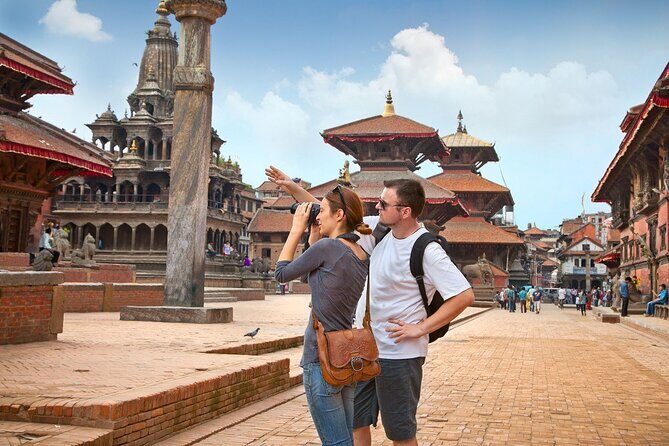
The headline price shown is $5.00 per person, but the real total is the line you shouldn’t ignore: monument entrance fees are not included and are listed as $50.00 per person. So you should mentally plan for a two-part cost: the tour service plus the site entry fees.
This pricing structure can still be good value if:
- you want a guide to translate what you’re looking at,
- you don’t want to bargain, coordinate rides, or assemble tickets yourself,
- and you’re happy paying an entrance-fee bundle to cover the heritage stops.
Also note: the stops specifically mention that admission tickets aren’t included for those locations. That matches the $50 figure, so the tour fee isn’t the whole story.
One more practical point: the tour includes a mobile ticket and pickup. That tends to reduce friction on busy days, when meeting points can become a puzzle.
The 08:00 start: how the day stays smooth (even when traffic won’t)
A morning start is a big deal in Kathmandu, where things can get slow. Starting around 08:00 AM helps you reach the first site without losing your entire day to transit. You’ll begin with pickup from your hotel and then switch into temple-square mode.
The tour uses an air-conditioned private car with a driver, which is the kind of comfort that pays off on days when you’ll spend a lot of time moving between sites. And because bottled water is included, you can stay focused on the sights instead of making constant convenience stops.
If you’re the type who hates feeling rushed, this tour’s pacing is worth a closer look. Some feedback highlights that an 8-hour day can feel like it passes at a good pace without feeling like you’re being sprinted from door to door.
Boudhanath Stupa: a calm opener to a busy day
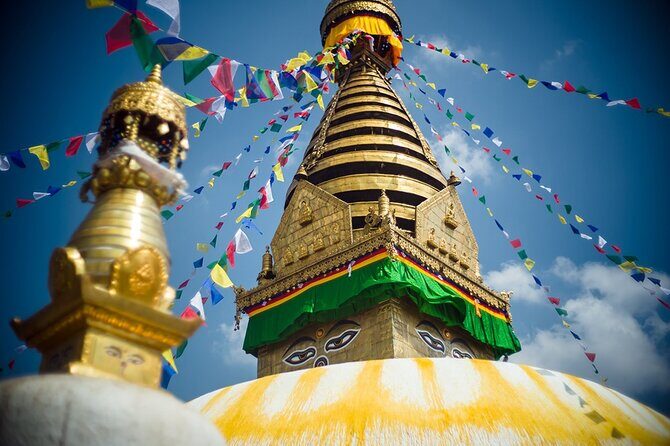
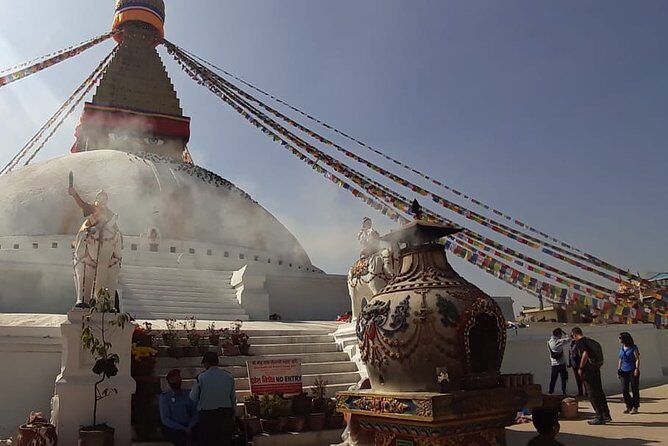
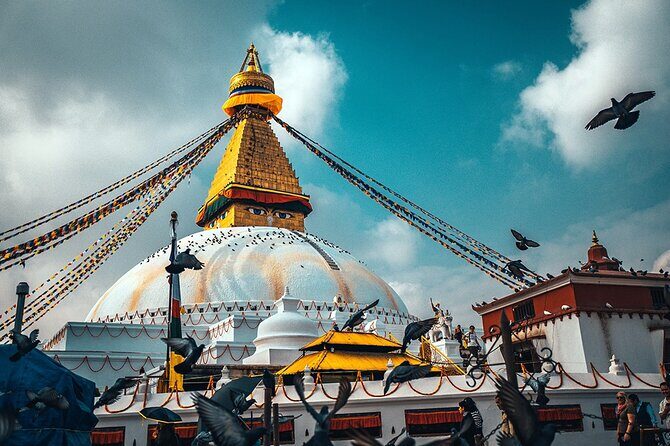
The first stop is Boudhanath Stupa. Even before you reach the Hindu sites later, this starting point sets a clear tone for the day: UNESCO heritage in Kathmandu Valley isn’t just about one tradition. It’s a whole cultural system, side-by-side.
In a seven-site day, the first stop matters. If the morning start is rushed, the rest of the route can feel like a blur. Boudhanath gives you a strong early anchor before the day turns into multiple temples and Durbar Squares.
Time on site is listed as about 1 hour, and that’s a good length for soaking up the atmosphere without burning the day before your lunch.
Pashupatinath Temple: the Hindu pilgrimage stop you shouldn’t skim
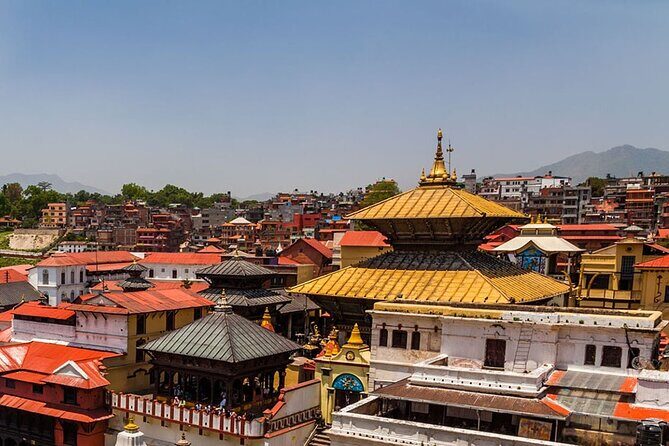
Next up is Pashupatinath Temple, described as one of the most sacred pilgrimage sites for Hindus and dedicated to Lord Shiva. This is a serious spiritual destination, so it’s smart that the tour includes a guide—temple visits go smoother when you understand what you’re looking for and what people are doing.
The schedule gives you about 1 hour here. That can feel short if you’re trying to read everything, but in a full-day circuit, it’s the kind of time block that keeps momentum while still letting you actually experience the place rather than just walking past it.
One consideration: because entrance fees aren’t included, you’ll want to come ready for the additional cost. For many travelers, that’s the only real “surprise” in an otherwise well-organized day.
You can also read our reviews of more historical tours in Kathmandu
Changu Narayan Temple: hilltop temple energy and older roots
Changu Narayan Temple is next, and it’s described as an ancient Hindu temple located on a high hilltop (also known as Changu or Dolagiri) in the Changunarayan area. That hilltop location matters because it changes how you experience the temple. It’s not just another stop; it has a different feel and it stands out in the route.
You get about 1 hour at this stop. For a site like this, an hour is often the right size: enough time to look carefully and listen to your guide, without turning it into a long detour that breaks the day.
If you like architectural details and historical context, this kind of stop is a strong mid-day pick—especially when you’ve already started with Boudhanath and you’re now moving into a different religious tradition.
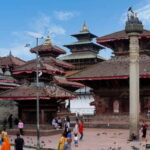
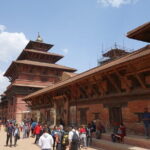
Bhaktapur Durbar Square: where the small district feels big
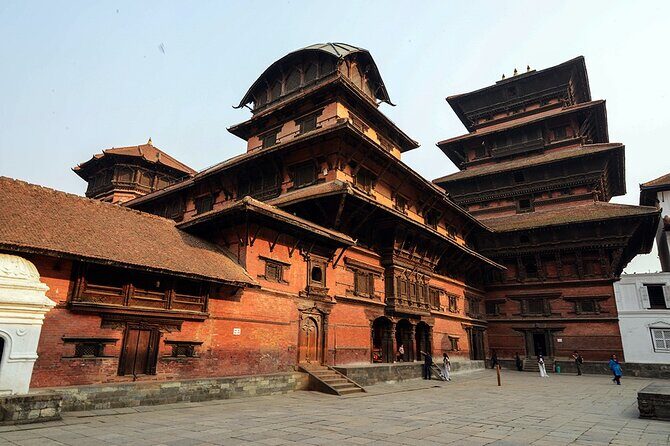
Then you head to Bhaktapur Durbar Square, described as both the smallest district and the biggest Durbar Square in Nepal. That’s a fun detail because it hints at the mood: you might not think of Bhaktapur as huge on the map, but the square is built to be a centerpiece.
The tour allocates 1 hour 30 minutes here, which is longer than several other stops. That extra time is likely because Durbar Squares reward slow attention—there’s more to see and more layers to understand.
The day also keeps pointing you toward UNESCO’s “why.” Bhaktapur Durbar Square is listed as part of the valley’s UNESCO package, including other smaller Durbar Squares. Even if you’re not planning to become a temple-nerd, your guide’s role is crucial here, since Durbar Squares aren’t just scenic backdrops. They’re where political and cultural identity shows up in stone.
Patan Durbar Square: one of three royal squares in the valley
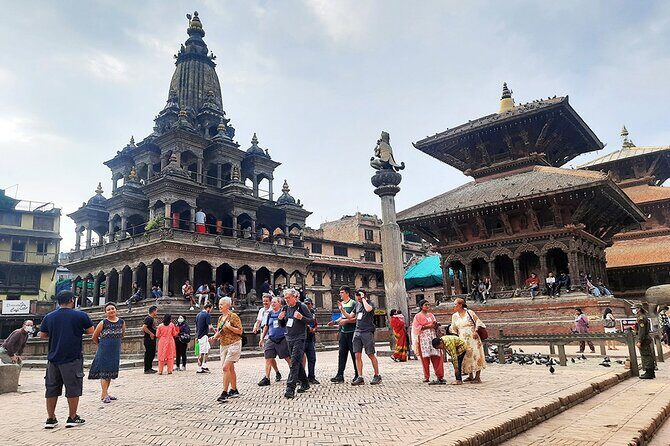
Next is Patan Durbar Square, situated in Lalitpur. It’s one of three Durbar Squares in Kathmandu Valley that are UNESCO World Heritage Sites. This stop is a great counterpoint to Bhaktapur because it’s the same type of heritage space, but with a different city flavor.
Time here is listed at about 1 hour 30 minutes. That matches the idea that Durbar Squares take time to appreciate. If you rush, you miss the point. If you linger too long, you’ll feel pressure later in the day. This time window is a practical middle ground.
Also note: all monument entrance fees are not included, so again, keep your budget ready for the paid entries.
Swayambhunath (Monkey Temple) and the Mahachaitya
Swayambhunath is described as the Monkey Temple, featuring a large stupa called the Mahachaitya. The tour also shares the Tibetan meaning of the site name—Sublime Trees—pointing to the presence of many tree varieties.
This is one of the most recognizable stops on the list, and the guide can help you understand why it’s treated as a major heritage site in its own right. The tour gives you about 1 hour here.
One practical note: Swayambhunath is typically popular, and the “Monkey Temple” label alone tells you it’s a place where you should be alert and cautious around the surroundings. This is a good point for the tour’s structure: you’ll have a guide to help you move correctly through the area so you’re not wandering and losing time.
Kathmandu Durbar Square: a royal square with ancient construction
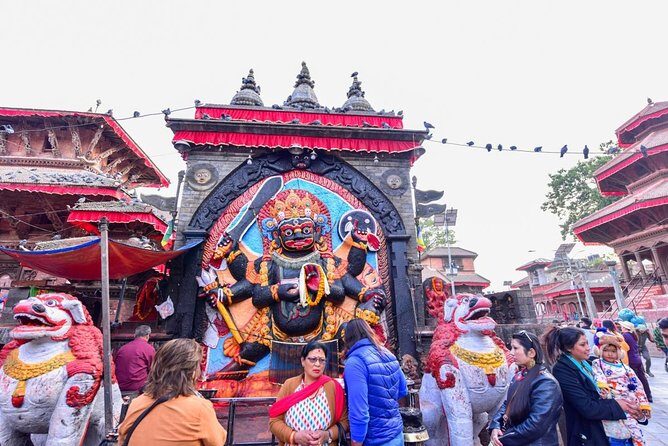
The final major stop is Kathmandu Durbar Square. The description is especially concrete: construction began in the third century, and it’s one of the three Durbar Squares in the valley that are UNESCO sites.
You get about 1 hour here. For a place with deep historical layering, an hour sounds short, but in a seven-stop day it’s still enough time to understand what the square represents and to get oriented in the space.
This closing stop is a good way to end the “royal square” theme. You’ve already seen Bhaktapur and Patan, so Kathmandu gives you the final comparison point inside the same UNESCO category.
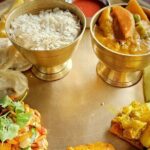
Lunch break: Nepali thali or momo/spaghetti during a temple marathon
Lunch is included, and that matters because it avoids one of the biggest fail points in long sightseeing days: hunger that turns you cranky or slows you down.
You’ll have a choice listed as Nepali thali or momo/spaghetti. The exact selection likely depends on the restaurant and the day’s logistics, but the key point is that lunch is scheduled inside the 8-hour block, not left as a scavenger hunt.
If you like keeping your day simple, this is a meaningful inclusion. And because bottled water is provided, you can keep moving between sites without constant stops.
How your guide can make the difference (Nilakantha and Kamal show up)
In this kind of tour, the guide is not optional. Temples and Durbar Squares can look similar if you’re just scanning for photos. What makes the day work is someone who can explain rituals, ceremonies, and the context behind what you’re seeing.
Feedback from top-rated experiences points again and again to guides who clearly explain ceremonies and history. Names that come up include Nilakantha Acharya, and another excellent guide mentioned is Kamal. Drivers like Hari and Ram are also credited for moving people around efficiently.
Here’s the practical takeaway for you: when you book, don’t be shy about asking your guide what you should pay attention to. With a temple circuit, one good question can turn a quick visit into a real understanding moment.
Who this tour is best for (and who should choose differently)
This is a strong fit if:
- you want a structured, one-day hit list of major heritage sites,
- you’re okay paying the added entrance fees listed at $50 per person,
- you prefer not to manage transport and timing yourself,
- and you like guides who explain rituals and history behind the sites.
It may feel less ideal if you want slow travel with long free time at each location. With seven stops, even when some are 1 hour 30 minutes, you’re still on a schedule. This is built for coverage, not for lingering.
If you’re traveling with limited mobility or you dislike walking between sites, you might find it tiring, though the tour notes that most travelers can participate and it’s near public transportation.
Should you book this Seven-UNESCO day tour?
If you’re weighing this against cobbling together your own day, I’d lean toward booking it when you value structure. The combo of pickup, private air-conditioned transport, bottled water, included lunch, and a guide to connect seven UNESCO sites is a real convenience package.
Just be honest with your budget: the tour fee is low-looking, but entrance fees add up and are explicitly listed. Once you plan for that, the rest is straightforward.
I’d book it if you want Kathmandu Valley’s main heritage highlights in one go, and you don’t want to waste your limited time figuring out routing, tickets, and meeting points.
FAQ
How long is the tour?
It’s listed as 8 hours (approx.).
What time does the tour start?
The day starts at 08:00 AM from your hotel.
Is pickup and drop-off included?
Yes. The tour includes pick up and drop.
Are entrance fees included in the price?
No. Monument entrance fees are listed as $50.00 per person and are not included.
What’s included for lunch?
Lunch is included as Nepali thali or momo/Spaghetti.
Is this tour private?
Yes. It’s described as private, with only your group participating.
What is the cancellation window?
Free cancellation is available. You can cancel up to 24 hours in advance for a full refund.