REVIEW · KATHMANDU
Ghorepani(Poonhill Trek)
Book on Viator →Operated by Himalayan Abode travels and Tours, Treks and Expedition · Bookable on Viator
Your mountain mornings start with a short hike. This private Ghorepani (Poonhill) trek is built for your pace, with a guide and porter so you’re not stuck matching a group’s steps, and it stays relatively low, with the highest point around 2,540m near Ghorepani. The trade-off is simple: you still need good weather for clear views and the classic sunrise moment.
I like that the day-to-day logistics are handled for you—nightly accommodations, meals, and included national park fees—so planning doesn’t become a second job. You can also choose veg or non-veg meals, and the packing list is straightforward (warm jacket, trousers, T-shirt, comfortable dress).
One consideration: tips and personal insurance are not included, and you’ll want a little budget for extra drinks along the way. If you’re aiming for the classic Annapurna viewpoint highlights without chasing high-altitude challenges, this trek’s structure makes a lot of sense.
In This Review
- Key things I’d look forward to most
- Ghorepani and Poon Hill: a short Annapurna trek with real payoff
- How the private guide and porter change the whole experience
- Day-by-day: Kathmandu, Ghorepani, Poon Hill sunrise, Ghandruk, and Pokhara
- Day 1: Kathmandu day tour as your warm-up
- Day 2: Arrival in Ghorepani with first major mountain views
- Day 3: Poon Hill Marga and the sunrise viewpoint moment
- Day 4: Ghandruk village stop with Mt. Fishtail angles
- Day 5: Pokhara, then time to enjoy the lake city
- The views you can plan for: Annapurna Range, Dhaulagiri, Fishtail
- Sleep and meals: what’s included, and what you should budget for
- Getting the pacing right: cold mornings, your layers, and comfort
- Price and logistics: why $600 can feel fair for a private trek
- Who should book this Ghorepani private trek
- Should you book this Ghorepani (Poonhill) private trek?
- FAQ
- How many days is the Ghorepani (Poonhill) trek?
- Is this a private trek?
- Where is the meeting point and what time does it start?
- What’s the highest elevation on the trek?
- What meals and accommodations are included?
- Are national park fees included?
- Can I choose vegetarian or non-vegetarian meals?
Key things I’d look forward to most
- Private-only group trekking for you and your party, not a mixed crowd
- Low maximum elevation (~2,540m) compared with many Annapurna routes
- Poon Hill sunrise and viewpoint time built into the schedule
- Ghandruk village stop with Mt. Fishtail views and local settlement atmosphere
- All meals and accommodations included through the trek days
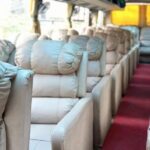
- Kathmandu to Pokhara transportation with hotel pickup/drop-off
Ghorepani and Poon Hill: a short Annapurna trek with real payoff
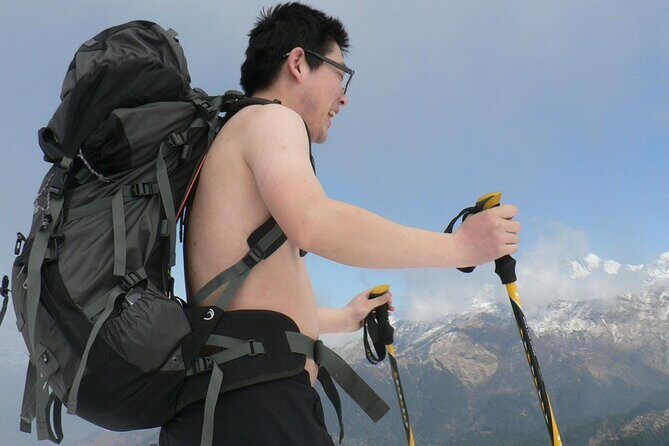
This is the kind of trekking trip that works when you want big views but don’t want a long-haul adventure. Ghorepani and Poon Hill are famous because they deliver that “wow, mountains are right there” feeling without needing weeks on the trail. The trekking plan is only about 5 days, and it avoids the most punishing altitude goals since the maximum elevation is listed around 2,540m near Ghorepani.
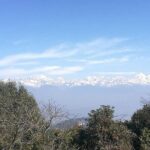
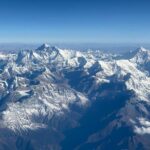
What you’re really buying here is classic Annapurna-region scenery in a tight timeline. The views you can expect include the Annapurna Range, Mt. Dhaulagiri, and Mt. Fishtail. That’s a strong mix for a shorter itinerary, and it’s also why this route is so often chosen as a first trek—or a “best-of” trek for travelers who can’t spare too many days.
You’ll also like the pacing concept. The tour description is explicit about trekking at your own pace, and a private guide helps keep the day from feeling rushed. Still, the mountains don’t care about your schedule, so cloudy mornings can soften what you came for, especially around sunrise.
You can also read our reviews of more hiking tours in Kathmandu
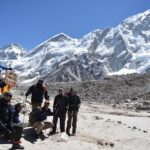
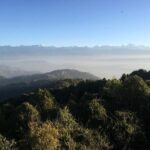
How the private guide and porter change the whole experience
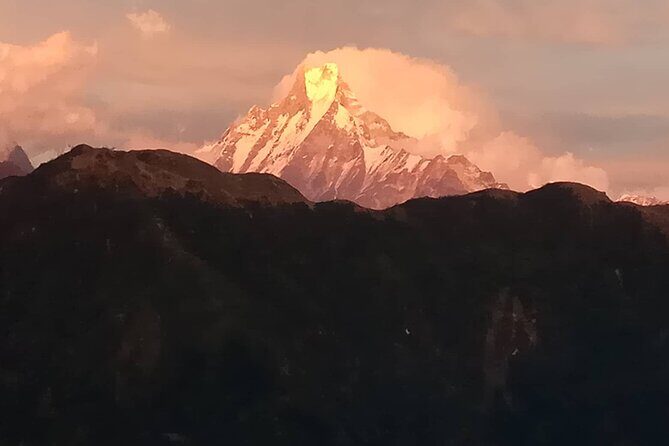
A private trek is more than comfort. It changes how the day feels.
With a dedicated trekking guide and porter, you get built-in support for route navigation, timing, and staying safe. The tour also includes porter and guide insurance and meals for them, which often translates to a more stable operation on the ground. Translation: less friction, fewer awkward moments, and less stress when you’re figuring out what’s next.
The best practical benefit for you is simple—you won’t be pushed to keep up with a faster group. If you’re stopping for photos, adjusting layers, or taking an extra minute to catch your breath, you can do it without feeling like you’re holding anyone back. One trip report also credited guide Prabin and porter Sabin for being flexible with changes during the trek, which is exactly what you want if the weather or your energy level shifts.
There’s also a subtle advantage: having a human guide lets you ask questions in real time. You can get clarity on what you’re seeing and how the next section works, instead of guessing based on half-understood trail notes.
The only drawback with private support is that it can make you more aware of what’s not included. Tips aren’t included, and personal insurance isn’t included. If you dislike budgeting for little extras, that’s something to plan for early.
Day-by-day: Kathmandu, Ghorepani, Poon Hill sunrise, Ghandruk, and Pokhara
This trek is compact, so each day matters. Here’s what the schedule is aiming to deliver, and what to watch for.
Day 1: Kathmandu day tour as your warm-up
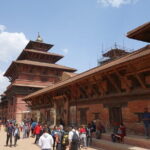
Your day starts with pickup and a Kathmandu day tour component (about 1 hour). This is a smart “settle in” style start: you’re not thrown onto a long hiking day right away. It also gives you a bit of structure for orientation—time to confirm details with your team and get comfortable before the mountain days.
A possible downside is that after travel, even a short day tour can feel like one more thing. If you’re jet-lagged, keep your expectations realistic and hydrate.
Day 2: Arrival in Ghorepani with first major mountain views
On Day 2, you arrive in Ghorepani, with time set aside to see a magnificent view of the mountain range. This day is usually about getting positioned for the iconic viewpoints that follow. You’ll likely feel the change in air and mood here—Ghorepani is your springboard for the next morning’s sights.
Because this is a short trek, you won’t have days and days to “get used to” everything. So take the first night seriously: dress warmly, rest, and don’t turn Day 2 into a sightseeing marathon.
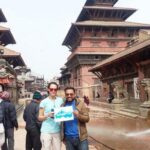
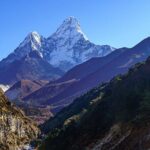
Day 3: Poon Hill Marga and the sunrise viewpoint moment
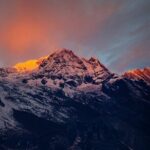
Day 3 focuses on Poon Hill Marga, with an overview of the mountains and sunrise. This is the big-ticket viewing time in the whole itinerary, and it’s why travelers pick this route. Even though the schedule doesn’t spell out timing in the details provided, the intent is clear: you’re there for the morning view.
What to consider: sunrise depends on clouds. If skies are overcast, you may still see mountains, but the dramatic light can be muted. Bring patience, and don’t treat the forecast like a guarantee.
Day 4: Ghandruk village stop with Mt. Fishtail angles
Day 4 takes you to Ghandruk, a classic Gurung settlement area. The emphasis is on getting a face-on look toward Mt. Fishtail and soaking in the village atmosphere. This is a nice balance after the viewpoint-heavy earlier days: you get people, homes, and trail culture, not just panorama chasing.
The possible drawback is timing and weather again. In mountain villages, visibility can change fast. If the view is your priority, keep your camera ready and your schedule flexible enough to enjoy the moment.
Day 5: Pokhara, then time to enjoy the lake city
Day 5 brings you to Pokhara, described as a tourist destination and lake city. This is a good way to end: you finish the trek and shift into recovery and relaxation territory. It’s also where many people appreciate an easy day after hiking, especially if your legs are still negotiating stairs.
If you’re sensitive to travel fatigue, you’ll still want to pace yourself. Pokhara is a place to slow down, not squeeze in ten extra activities just because you arrived.
The views you can plan for: Annapurna Range, Dhaulagiri, Fishtail
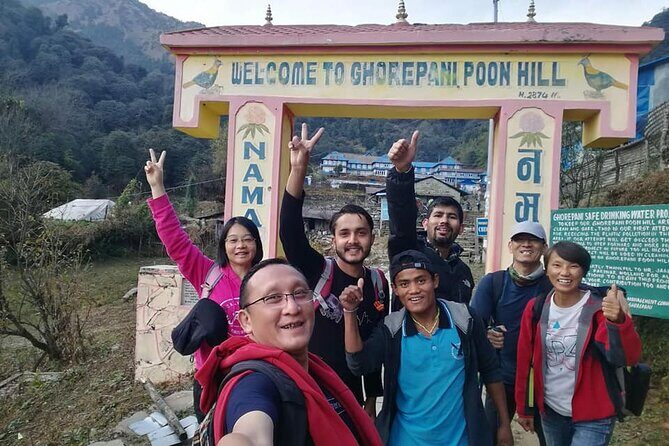
The itinerary is built around a clear viewing strategy. You’re not guessing where to go for the big moments, because the route explicitly targets the Ghorepani region, then Poon Hill sunrise, then Ghandruk for Mt. Fishtail.
Here’s what you can anchor on:
- Annapurna Range views are part of the trek’s core promise.
- Mt. Dhaulagiri is also named as a viewpoint expectation.
- Mt. Fishtail is called out for Day 4 at Ghandruk.
Now for the honest part: mountains are lighting artists. The same panorama can look sharp one day and soft the next, based on cloud cover and haze. The good news is that this trek gives you multiple chances to see. Even if one morning isn’t perfect, you still have viewpoint time on other days.
To make the most of it, treat sunrise as a priority but not a single point of failure. Keep warm layers accessible, stay hydrated, and remember your job is to enjoy the whole experience—not only the brightest minute of the day.
Sleep and meals: what’s included, and what you should budget for
Food and lodging are where “private trek value” usually shows up—or disappears. Here, it’s included.
You get nightly accommodations across the trek days and meals included in the provided package. The details list breakfasts (5), dinners (5), and lunches (6), plus guide/porter meals. You also have the option to choose veg or non-veg, which matters for many people who don’t want to gamble on what’s available in mountain guesthouses.
What’s not included is equally important. Alcoholic drinks are available to purchase, but they’re not part of the package. Regular drinks also aren’t included. So if you like bottled water, tea with extras, or any treats after a long day, plan to pay out of pocket.
Also, medicine and personal insurance aren’t included. That’s not a dramatic warning—just a practical reminder to pack a basic kit. Even in a “low-altitude” trek, you can still get headaches, sore feet, or stomach issues when you change routines and food.
Finally, the tour includes environmental management charges and national park fees. In plain terms: you’re less likely to be stopped at a permit desk and asked to pay last-minute.
Getting the pacing right: cold mornings, your layers, and comfort
This route is shorter than many Annapurna treks, and the maximum elevation is listed around 2,540m, which helps keep the altitude challenge manageable for many people. But “manageable” doesn’t mean “warm.”
Plan for cool mornings and temperature swings, especially around the sunrise-focused day. The provided packing guidance is clear about what you should bring: a warm jacket, trousers, T-shirt, and comfortable dress.
For day-to-day comfort, think like this:
- You want layers because conditions change during a single day.
- You want clothes you can move in because you’ll be walking most of the day.
- You want warmth ready when you stop for views.
Also, remember you’re trekking at your own pace. That’s great, but it can tempt people to linger too long in one spot. Keep moving enough to stay comfortable, then pause for photos.
Price and logistics: why $600 can feel fair for a private trek
$600 for a private 5-day Ghorepani and Poon Hill trek sounds like a lot until you look at what’s actually wrapped into it.
This package includes:
- Trekking guide and porter support
- Nightly accommodations
- Multiple meals (breakfast, lunch, dinner)
- Hotel pickup and drop-off, plus round-trip transportation from Kathmandu
- National park fees and other charges tied to the trek operation
- Fuel surcharge and local taxes
In other words, you’re paying for coordination, permits, and a staffed trek, not just a walking route. For a short itinerary, that matters. If you had to organize accommodation, permits, and guide/porter separately, the planning time can be huge—and the mistakes can be costly.
The “not included” items are the typical ones: alcoholic drinks, drinks, tips, personal expenses, medicine, and personal insurance. So you’ll want to budget for:
- Tips for your guide and porter (not included)
- Any drinks beyond what the package covers
- Your own travel insurance and a small medicine kit
If you want the comfort of having someone else manage the moving parts, this price starts to look more reasonable.
Who should book this Ghorepani private trek
This tour is a good fit if you want:
- A classic Annapurna viewpoint trek without a long timeframe
- Private trekking so you can move at your own speed
- Support from a guide and porter for easier logistics and safer pacing
- A route with highlighted stops: Ghorepani, Poon Hill sunrise, and Ghandruk village
It’s also likely a smart choice for families or mixed-experience groups, because the maximum elevation is listed around 2,540m and the trek is only about five days. One trip story even described a family group arrangement including Poonhill trekking for children in the broader Nepal planning, which is a hint that this type of itinerary can work well when everyone needs a realistic pace.
If you’re the type who loves wandering solo and hates paying for services, you might feel this is more structured than you want. But if structure removes stress, that’s a feature.
Should you book this Ghorepani (Poonhill) private trek?
I’d book it if your priorities are private pacing, included meals and stays, and the chance to hit Poon Hill sunrise plus Ghandruk Mt. Fishtail viewpoints with less uncertainty than self-planning would bring.
I’d pause and ask questions first if:
- You’re on a strict budget and don’t want to account for tips and extra drinks.
- You’re traveling when you expect lots of cloud cover, since the experience does depend on good conditions for the best views.
If you do book, send a clear note about your food preference (veg or non-veg) and plan warm layers early. Treat sunrise as important, but keep your mindset flexible—this trek gives you more than one reason to look up at the mountains.
FAQ
How many days is the Ghorepani (Poonhill) trek?
The trek is listed as 5 days (approx.).
Is this a private trek?
Yes. It’s a private tour/activity, and only your group participates.
Where is the meeting point and what time does it start?
The start point is Tribhuvan Airport in Kathmandu, Nepal, with a start time of 8:00 am.
What’s the highest elevation on the trek?
The maximum elevation during the trek is listed as about 2,540m near Ghorepani.
What meals and accommodations are included?
Nightly accommodations are included, along with meals during the trek days. The package lists 5 breakfasts, 5 dinners, and 6 lunches.
Are national park fees included?
Yes. National park fees are listed as included, along with environmental management charges and local taxes.
Can I choose vegetarian or non-vegetarian meals?
Yes. The tour states you can choose veg or non-veg.