REVIEW · KATHMANDU
Kathmandu and Patan Heritage and Living Goddess Experience Tour
Book on Viator →Operated by Bold Himalaya Treks and Travels Pvt Ltd · Bookable on Viator
Kumari makes Kathmandu feel unreal. This 2.5-hour guided walk strings together Kumari sightings at two Durbar Square stops, plus market wandering and a calm Buddhist pause at Shree Gha. It’s a very practical way to understand how Nepalese faith lives in everyday streets, not just in postcards. Durbar Square is the anchor, and your guide helps you notice what you’d otherwise miss.
I especially like two things: the walking route is short enough to stay fun, but focused enough to hit the key sights without you racing. I also like the mix of spiritual stops—Hindu ceremony at the Living Goddess sites, then quieter Buddhist context at Shree Gha—so the whole walk feels balanced rather than one-note.
One consideration: this is a walking experience through temple-area streets and courtyards, so comfortable shoes matter. Also, the tour lists UNESCO Durbar Square fees as included, but it separately notes that admission tickets aren’t included for stops—so expect a small extra payment possibility for anything not covered.
In This Review
- Key things you’ll notice on this Kathmandu heritage walk
- Kumari at Durbar Square: why this short tour hits hard
- The walking route from Shree Gha to Kathmandu Durbar Square
- Basantapur Durbar Square: Malla & Shah architecture plus Kumari’s residence
- The market and museum minutes: where your guide saves you time
- Price and value: what $50 buys in 2.5 hours
- Who should book this Kumari and heritage walk
- Should you book? My practical take
- FAQ
- How long is the Kathmandu and Patan Heritage and Living Goddess Experience Tour?
- Is pickup included?
- Is this tour private?
- What does the tour include?
- Are admission tickets included?
- Will I see Kumari, the Living Goddess?
- Do we visit both Durbar Square areas?
- Is there a market stop?
- Do I need to tip the guide?
- What is the cancellation policy?
- Can service animals join the tour?
Key things you’ll notice on this Kathmandu heritage walk
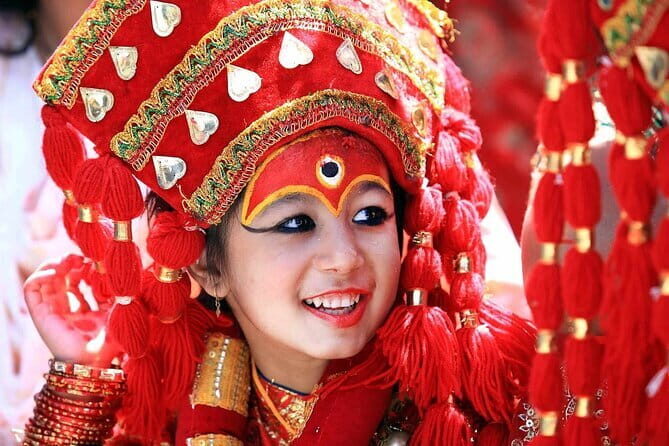
- Kumari, the Living Goddess, at the key Durbar Square locations
- Shree Gha as a rare, peaceful Buddhist stop on the route
- Kathmandu Durbar Square with temples, museums, and classic UNESCO sights
- Basantapur Durbar Square and the Malla & Shah architectural legacy
- Kalvairabh, including a 17th-century stone sculpture you can’t really appreciate on your own
- Private-group pacing with guides named Badri and Sovit praised for clarity and kindness
Kumari at Durbar Square: why this short tour hits hard
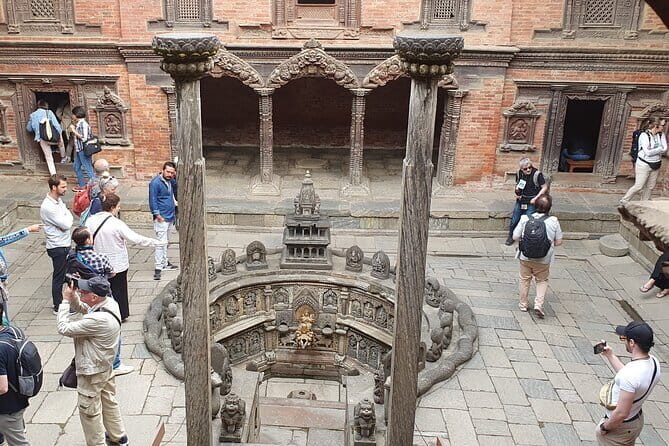
Let’s be honest: most Kathmandu “heritage” tours end up being a slideshow of temples. This one aims for something more specific—watching how the Living Goddess, Kumari, fits into the day-to-day religious landscape. You’re not just looking at buildings. You’re seeing the residence context and the cultural meaning behind it.
There are two Durbar Square experiences built into the walk. That matters. The Kumari-related stops are placed where the surrounding Newari/Hindu culture is thick with symbols, not just in a single photo-friendly corner. If you’ve ever wondered why people treat Kumari with such seriousness, the tour format helps you connect the dots: who she represents, why her presence is significant, and how people move around the shrine spaces.
I also like the way the guide framing gives you “why” without turning the walk into a lecture. You’ll have time to look up at carvings and stonework, then turn that attention into a clear mental picture—what you’re seeing, what it likely meant historically, and what people still do in those spaces today.
One small plus: because this is a walk that stays concentrated, you don’t lose the thread to long transfers. Your brain stays on the same theme—faith, architecture, daily life—rather than switching from taxi to temple to traffic stress.
You can also read our reviews of more historical tours in Kathmandu

The walking route from Shree Gha to Kathmandu Durbar Square
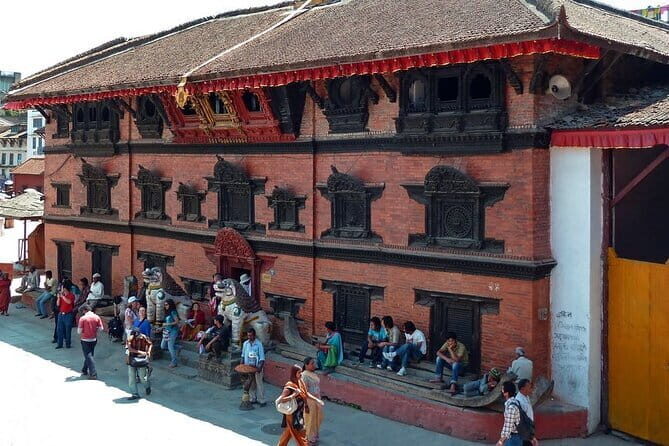
Your day begins with a meeting at your hotel. From there, you start with about a 30-minute walk—and the walking isn’t filler. It’s how the tour shows you Kathmandu as lived-in, not only as a heritage map.
Early in the route you pass Shree Gha, described as a tranquil Buddhist shrine. This is a smart design choice. It breaks the rhythm before you hit the louder, more monumental Durbar Square energy. Even a short pause at Shree Gha gives you a sense of how calm, small-scale spirituality can sit right next to major sightseeing zones.
Then the route shifts into a local market area. This isn’t just shopping time. It’s the street-level context that helps Durbar Square make sense. Markets in Kathmandu aren’t only about souvenirs; they’re social hubs where people buy daily items, catch up, and exchange small bits of news. You’ll have a chance to see local goods and get a feel for the flow of people moving through the same city spaces you’re sightseeing in.
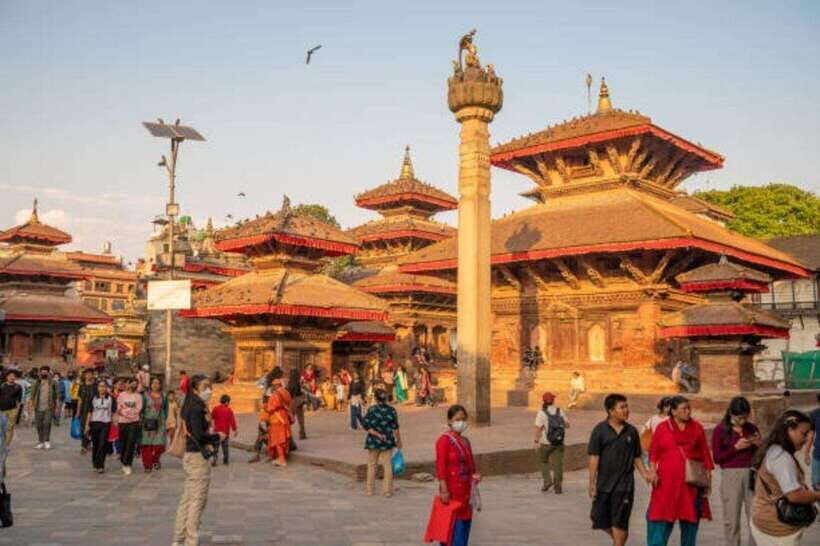
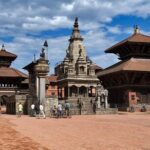
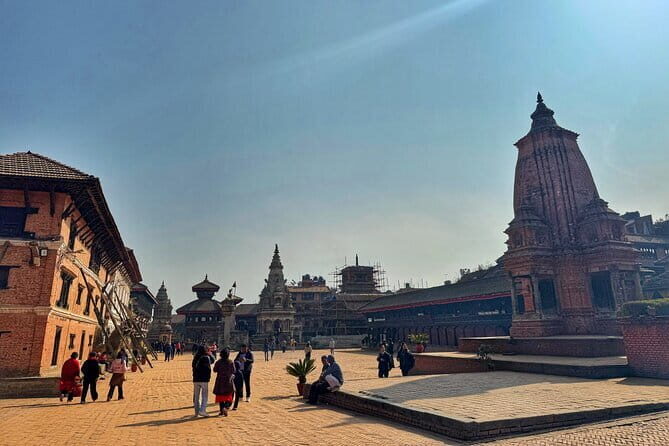
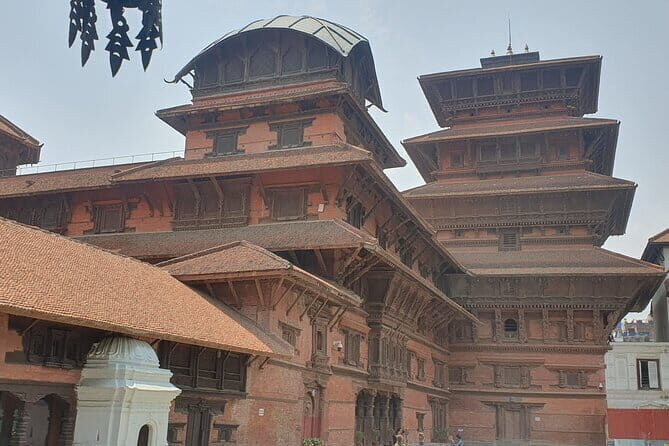
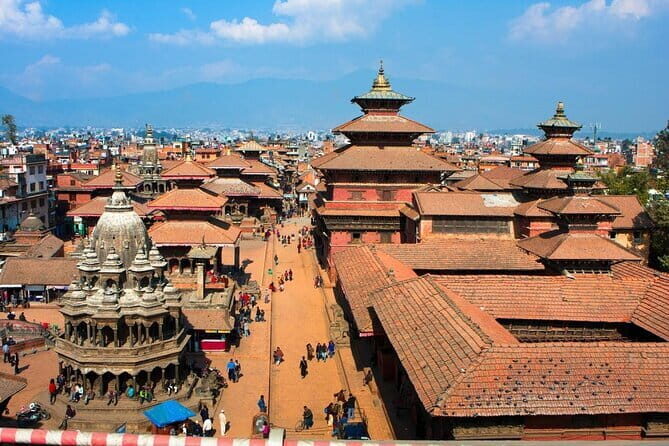
From the market area, you reach Kathmandu Durbar Square. This is UNESCO-listed and known for temples, museums, and major historic architecture. The tour includes guided insight as you look around, so the carvings and courtyard layout don’t stay mysterious. Afterward, you return along the same route. That backtrack is useful: it means you see the street-life again with a better understanding of what you just learned.
A practical note: this stop lists “admission ticket not included,” yet the package also says the UNESCO Durbar Square fee is included. If you want zero surprises, ask your guide what entrance costs are already covered on the day you go, and what you might need to pay separately for anything beyond the UNESCO fee.
Basantapur Durbar Square: Malla & Shah architecture plus Kumari’s residence
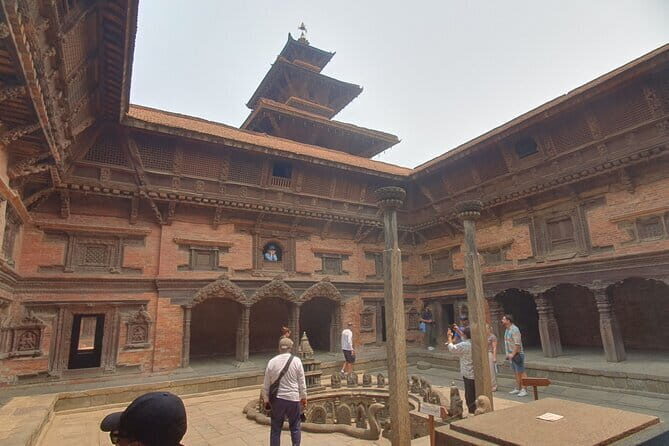
The second major block centers on Basantapur Durbar Square, another UNESCO-listed Durbar Square area and described as home to the Living Goddess. Before the main touring time starts, you’ll be picked up, then you’ll begin at Basantapur with the architecture first. That’s a big win.
The buildings are tied to the Malla & Shah dynasty timeline, spanning roughly the 12th through the 19th centuries. Instead of you guessing at styles like a trivia game, the guide explanation connects the look of the structures to the time period and cultural influences. When you can place a building in time, the whole square stops feeling like random stonework and starts feeling like an intentional record of who built what and why.
Then comes the center of the show: Kumari’s residence. This is the stop that gives the tour its special identity. It’s also the point where having a guide matters most. The guide helps you understand Kumari’s importance in Newari culture and Hindu religious life, not just that she is a “thing you can see.”
You’ll also see Kalvairabh, described as a 17th-century stone sculpture. That detail is exactly the kind of thing that makes this short tour better than a standard “temples and photos” loop. A sculpture like that isn’t just old art—it has historical and religious significance tied to the local spiritual world.
After the core viewing time, you visit a local museum to learn more about Basantapur’s background. This is a smart pacing move. When you’ve been staring at courtyards and façades for a while, a museum stop gives your brain a structured way to store what you saw.
At the end, you can be dropped back at your hotel, or you can continue on your own through local streets and markets. That choice is underrated. If you want more street-level Kathmandu, you can follow the energy. If you’re tired, you have a clean exit.
The market and museum minutes: where your guide saves you time
This tour is built around a simple idea: you’ll understand Kathmandu faster with the right sequence. Markets first, then major Durbar Square stops, then supporting museum context.
The market segment (earlier in the walk) gives you the “local everyday” layer. You’ll have time to experience the market atmosphere and see local goods. If you’ve been in Kathmandu only for trekking logistics or airport stress, this is the part that helps you switch gears and feel like you’re in the same city locals live in.
Then the museums and guided stops add the structure you usually miss if you travel solo. The Basantapur museum time helps you connect architecture and religious symbolism to a broader story. This matters because Durbar Squares can feel overwhelming: courtyards, pagoda-like elements, temples, stone inscriptions, and different shrine areas all at once.
This is also where guides named Badri and Sovit come into the conversation. In the experience feedback, both are credited with being kind and with explaining details in a way that makes the whole tour feel like walking with a local friend, not reciting facts. One guide route also included a quick food break idea—like stopping for momos and chai during the walk—so if you want your sightseeing to include a small taste of real Kathmandu flavors, ask your guide what’s possible on your day and your pace.
Bottom line: the guide doesn’t just point. Your guide helps you notice. That’s the difference between a photos-only outing and a trip that actually changes how you see the place.
Price and value: what $50 buys in 2.5 hours
$50 per person for about 2 hours 30 minutes sounds straightforward, and it is. The better question is what you get for that time.
You get:
- A focused walking plan that connects two Durbar Square areas
- Certified, trained guidance (the tour lists this clearly)
- Cultural content that explains spiritual meaning, not just dates and names
- UNESCO Durbar Square fee entrance included (as stated in the package inclusions)
- Pickup option and a private-group format
When you’re in a city like Kathmandu, time is the real currency. This tour is short enough that you’re not trapped in a half-day commitment, but it still hits the highest-impact cultural sights. That’s strong value if you’re short on days, recovering from a trek, or simply trying to get oriented quickly.
Could it be a bargain if you’re expecting transport to cover everything? Maybe not. It’s a walk-focused experience, and you should plan on moving on foot. Also, because “admission ticket not included” is stated for stops, you should confirm what’s covered beyond the UNESCO fee on your day.
Still, the overall structure is efficient: you cover major sights with a guide, you don’t bounce around the city aimlessly, and you get spiritual context that usually takes hours of solo reading to piece together.




Who should book this Kumari and heritage walk
This tour fits best if you:
- Want a compact way to see Kathmandu’s major spiritual landmarks in one session
- Are curious about Kumari and how her role connects to Newari culture and Hindu practice
- Prefer a guide who explains in plain, human terms (people also describe this as feeling like sightseeing with a local friend)
- Like pairing monuments with street life, especially market scenes
- Have limited time after trekking or other travel and want quick orientation
It may be less ideal if you:
- Hate walking in temple zones and prefer vehicle-only sightseeing
- Need a fully guaranteed set of food stops (snacks like momos and chai may happen depending on time and your guide’s plan, not because it’s listed as a fixed item)
- Want total certainty that every possible entrance is included, since the package states UNESCO fees included but also notes admission tickets not included in the stop details
If you’re the kind of traveler who enjoys asking questions mid-walk, this tour rewards you quickly. If you want a quiet, hands-off stroll, you can still enjoy it, but you may find the guide interaction is part of the value.
Should you book? My practical take

I’d book this if your goal is a clear, human introduction to Kathmandu’s spiritual and architectural core—especially Kumari—without turning your day into a long slog.
Two reasons to feel confident:
1) The route is structured to connect street life, major Durbar Square landmarks, and museum context. That sequence helps you make sense of what you’re seeing.
2) The guide quality signals are strong. Names like Badri and Sovit show up with consistent praise for kindness and for making the information feel understandable.
Before you go, do one simple thing: ask the guide what’s fully covered versus what you may need to pay on the day. That one question prevents most “wait, I thought that was included” moments.
If you want a short, meaningful Kathmandu cultural experience with genuine local guidance, this is a solid choice.
FAQ
How long is the Kathmandu and Patan Heritage and Living Goddess Experience Tour?
It runs about 2 hours 30 minutes (approx.).
Is pickup included?
Pickup is offered, and the tour description also notes pickup before the second touring time begins.
Is this tour private?
Yes. It’s a private tour/activity, so only your group participates.
What does the tour include?
It includes a walking tour, a well-experienced certified and trained guide, a cultural experience, and the UNESCO Durbar Square fee entrance fee.
Are admission tickets included?
The package says the UNESCO Durbar Square fee entrance fee is included, but the stop notes also say admission ticket is not included. It’s smart to confirm what you might still need to pay for on the day.
Will I see Kumari, the Living Goddess?
Yes. The experience includes seeing Kumari in the Living Goddess context at the Durbar Square locations, including her residence.
Do we visit both Durbar Square areas?
Yes. You’ll visit Kathmandu Durbar Square and Basantapur Durbar Square.
Is there a market stop?
Yes. The route includes exploring a local market with time to experience the atmosphere and see local goods.
Do I need to tip the guide?
Tips for the guide are not included.
What is the cancellation policy?
You can cancel for free. You must cancel at least 24 hours in advance for a full refund; within 24 hours, there is no refund.
Can service animals join the tour?
Yes. Service animals are allowed.