REVIEW · KATHMANDU
Kathmandu: 14-Day Everest Base Camp with Kala Patthar Trek
Book on GetYourGuide →Operated by Welcome Nepal Treks P.Ltd · Bookable on GetYourGuide
Kathmandu to Everest feels like jumping from city noise into high-altitude silence. This 14-day trek is built around the classic route through Namche Bazaar, then on toward Everest Base Camp and the big summit viewpoint at Kala Patthar.
Two things I really like: you get solid time in the Sherpa heartland (so this isn’t just a grind), and you reach the highest payoffs with a clear rhythm of acclimatization stops. The one drawback to plan for is the Lukla flight reality: weather can delay or derail departures, so your schedule needs a bit of flexibility.
You’re also moving day after day at altitude, and this is not a good fit if you have heart issues, mobility limitations, or if you’re pregnant. With the right fitness and expectations, though, the trip is an honest way to walk right into Everest country.
In This Review
- Key Things That Make This Everest Base Camp + Kala Patthar Trek Worth It
- Price and Logistics: What You’re Paying For
- Kathmandu Start: Two Nights, Then Off to Lukla
- Day 3: Phakding to Namche Bazaar and the Sherpa World Opens
- Acclimatization Days That Actually Help You (Namche and Dingboche)
- Day 5 to Day 6: Tengboche to Dingboche, with Ama Dablam in Mind
- Day 8 and Beyond: Dingboche to Lobuche and the Push Toward Base Camp
- Day 9: Lobuche to Gorak Shep, Then Everest Base Camp
- Day 10: The Big Morning at Kala Patthar (5,545 m)
- Days 11 to 13: Descent Back Through the Khumbu
- The Guide Factor: English Support and Real On-the-Ground Help
- Tea Houses, Showers, and the Realities of High Mountain Comfort
- What You Need to Bring (and What You Might Get From the Tour)
- Who This Trek Suits Best
- So, Should You Book This Everest Base Camp and Kala Patthar Trek?
- FAQ
- FAQ
- What’s the route after arriving in Kathmandu?
- Are flight tickets included for the Kathmandu–Lukla–Kathmandu part?
- What language will the guide use?
- What kind of accommodation do I get during the trek?
- Do I get park permits and paperwork handled?
- Are meals included on the trek?
- What gear is provided if I need it?
- Who shouldn’t take this trek?
- What’s the cancellation window?
Key Things That Make This Everest Base Camp + Kala Patthar Trek Worth It
- Sherpa culture, not just scenery: Namche Bazaar is a real village stop, not a quick photo break
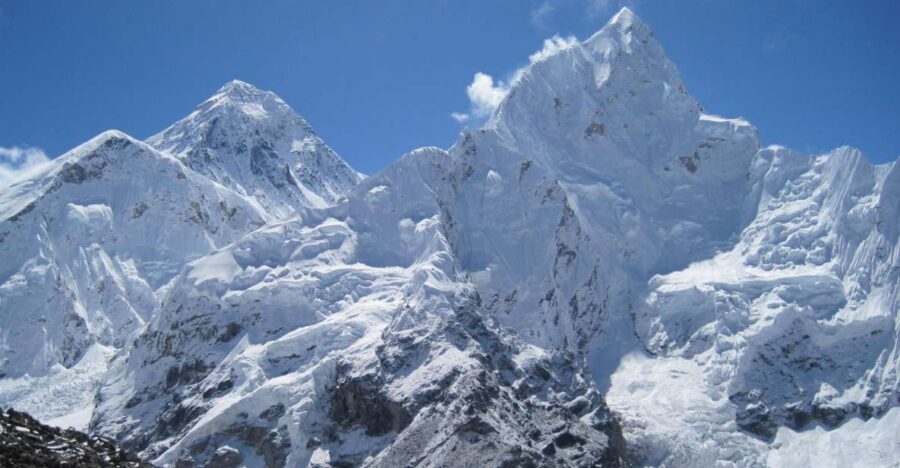
- Kala Patthar at the right moment: that early push gives you one of the route’s best viewpoints
- Careful altitude steps: rest days at Namche and Dingboche help you handle the climb better
- Lukla flights add drama: the world’s most extreme airport is part of the story, for better or worse
- Tea house trek logistics handled: you stay in lodges during the trek and travel with a guide
- Sagarmatha National Park permits included: you don’t have to chase paperwork before you go
Price and Logistics: What You’re Paying For
At $1,296 per person for 14 days, you’re paying for more than “being on a trek.” This price covers airport transfers, Kathmandu lodging (2 nights with breakfast), domestic flight tickets (Kathmandu–Lukla–Kathmandu), national park paperwork/permits, and the backbone of the trip: an English-speaking guide plus porter and guide support (including their salary, food, drinks, accommodation, transportation, and insurance).
That matters because Everest logistics are not casual. Once you’re in the Khumbu, the costs are wrapped into the systems that keep the trek moving: lodge stays, local support, and the permit maze. You also get trekking gear included if needed (a jacket, sleeping bag, and duffle bag to use), which can save real money if you don’t already own cold-weather essentials.
Where value can get tricky is meals and the porter situation. Meals during the trek are not included (lunch and dinner in Kathmandu are also not included). Hot showers during the trek are also not included. And porters are listed as not included in the price, even though the trip includes porter staffing costs on paper; in practice, you should confirm what you’ll pay for and how the porter load is handled. The note that there’s typically 1 porter for 2 people is helpful, but you’ll want clarity before you leave.
You can also read our reviews of more hiking tours in Kathmandu
Kathmandu Start: Two Nights, Then Off to Lukla
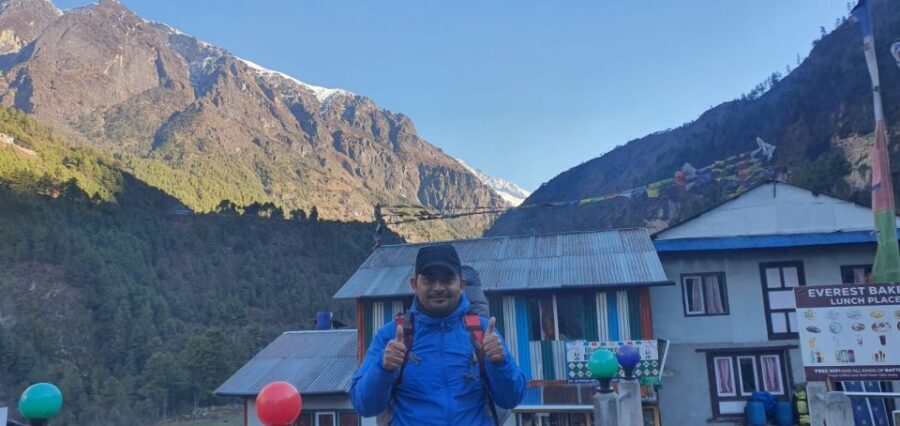
Your trip begins with pickup from Tribhuvan International Airport in Kathmandu, then transfer to your hotel. You get two nights in Kathmandu with breakfast, which is more than a formality. It gives you time to shake out jet lag, sort out cash for tea houses, and double-check your trekking kit.
On day 2, you fly to Lukla at about 2,850 meters. This is where the trek stops feeling like travel and starts feeling like an expedition. Lukla is famous for being intense, mainly because the airfield sits in a tough spot and flight plans depend heavily on weather.
Then you land and immediately shift into trekking mode:
- Lukla → Phakding (2,640 m), 4–5 hours
Phakding is a good “first steps” day. You’re walking at a moderate altitude compared with what’s coming, and the day is short enough to keep your legs from getting angry before acclimatization even begins.
Day 3: Phakding to Namche Bazaar and the Sherpa World Opens
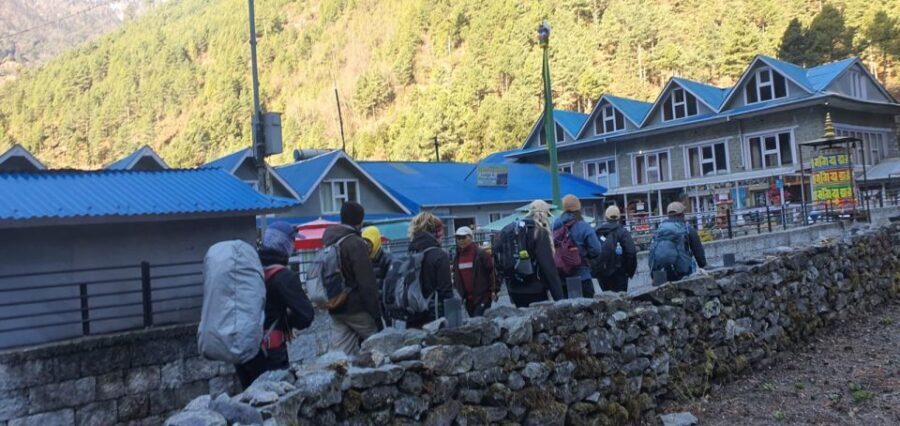
Next is the classic climb:
- Phakding → Namche Bazaar (3,440 m), 6–7 hours
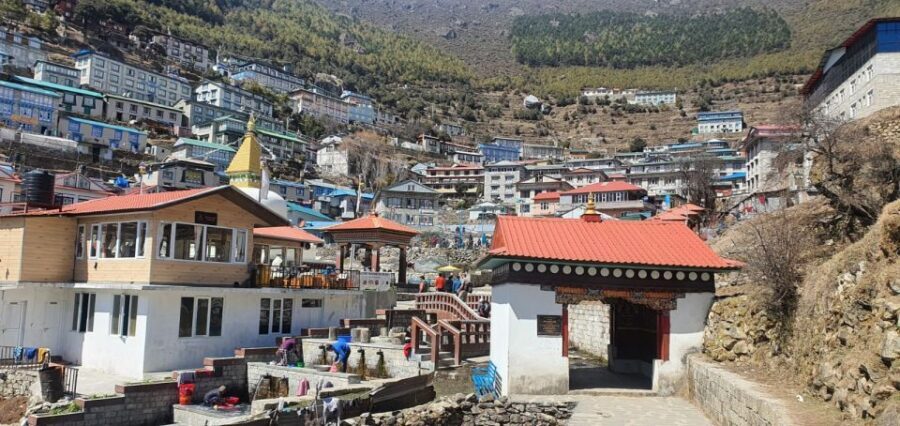
This is a long enough day to feel the altitude, but it’s not so extreme that it overwhelms you. Namche Bazaar is one of the key reasons this trek feels like culture, not just miles. You’re entering the Sherpa heartland, and the town has an active rhythm: lodges, bakeries, shops, and daily life built around high-mountain trekking.
If you want to understand how people live with Everest in their backyard, Namche is where it clicks. You’ll feel the mix of tradition and modern trekking services. You’ll also start spotting the patterns: how people dress for cold, how they manage layers, and how guides and porters move like they’re reading the mountain.
Acclimatization Days That Actually Help You (Namche and Dingboche)
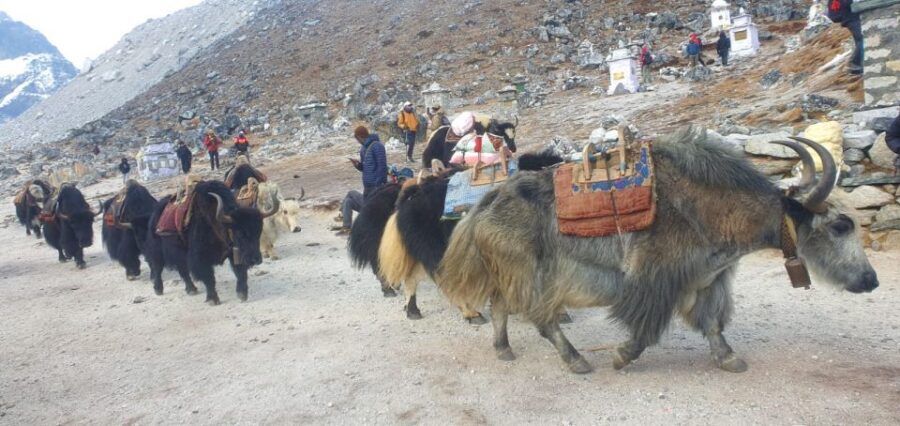
Day 4 is a rest and acclimatization day in Namche with a 2 to 3 hour excursion. This is one of the best parts of a well-run Everest itinerary. Instead of climbing hard every day, you give your body a chance to adjust, while still getting gentle movement. You’ll have time to breathe, hydrate, and notice how your appetite and sleep change with altitude.
Later, day 7 adds another acclimatization break in Dingboche, another high-altitude stop at about 4,410 meters. That structure matters. It’s not just comfort. It’s the difference between arriving at high points feeling worn out versus arriving feeling like you can keep going.
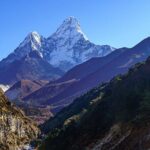
Day 5 to Day 6: Tengboche to Dingboche, with Ama Dablam in Mind
From Namche you head to:
- Namche Bazaar → Tengboche (3,870 m), 5–6 hours
Tengboche is known for views and for being a spiritual and cultural center in the Khumbu region. It’s also a place where the mountain drama ramps up. If weather clears, you can start to see big peaks such as Everest, Lhotse, and Nuptse from the surrounding viewpoints. Even if visibility isn’t perfect, you get that sense of being surrounded.
Then:
- Tengboche → Dingboche (4,410 m), 5–6 hours
Dingboche sits higher and gets colder. Expect a tougher day than the Namche stretch, but the itinerary is paced to keep you moving without rushing your acclimatization.
Day 8 and Beyond: Dingboche to Lobuche and the Push Toward Base Camp
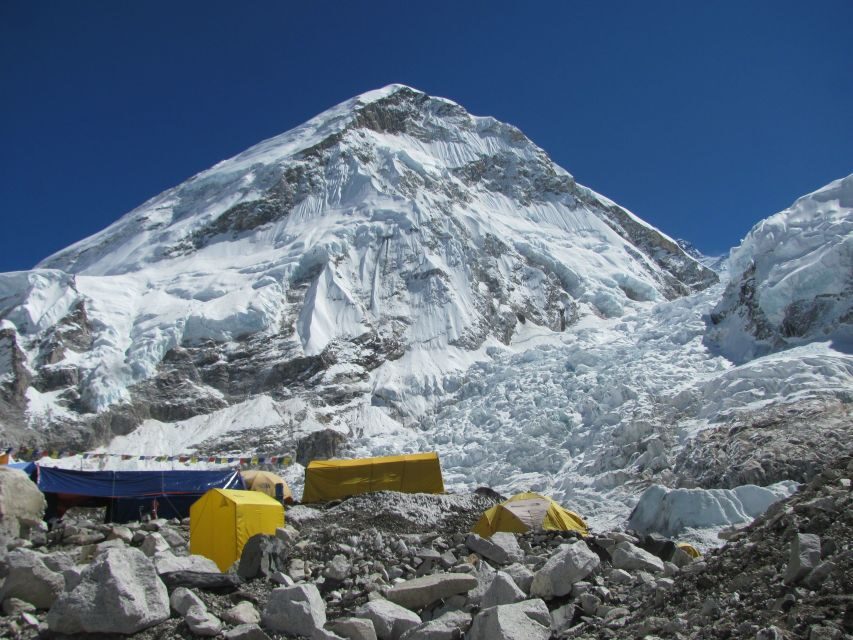
- Dingboche → Lobuche (4,940 m), around 5–6 hours
Lobuche is where you start to feel the thinner air more clearly. The terrain becomes more “Everest-like” in mood: stark, serious, and open. This is also the time when you’ll likely think about the next days as one connected phase: Gorak Shep, Everest Base Camp, and then the big morning for Kala Patthar.
Day 9: Lobuche to Gorak Shep, Then Everest Base Camp
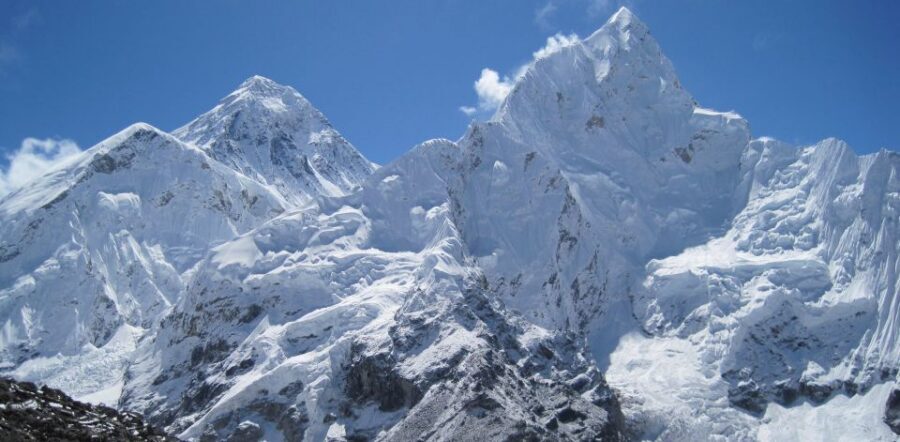
This day is two parts:
- Lobuche → Gorak Shep (5,170 m)
- Then a hike up to Everest Base Camp (5,364 m) and back to Gorak Shep
You’ll do the Base Camp part at the highest “human scale” you’ve reached so far. The altitude is real. If you come in with the mindset of steady breathing and slow steps, you’ll have a much better time than if you try to force a fast pace.
Even if you’re not an extreme hiker, the bigger point here is emotional: you’re walking to the world’s Everest Base Camp zone, surrounded by trekkers, guides, and the constant high-altitude logistics that make the whole system work.
Day 10: The Big Morning at Kala Patthar (5,545 m)
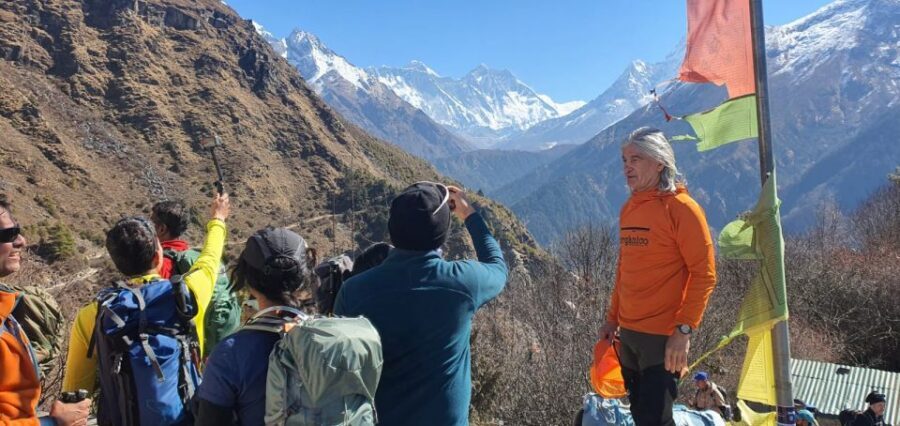
- Gorak Shep → Kala Patthar (5,545 m)
- Then Kala Patthar → Pheriche (4,371 m)
Kala Patthar is the highlight viewpoint that many people plan this entire trek around. You’re going up to a high point, then you’re coming down. That descent afterward is a gift. It lowers your stress on your body and helps you recover for the remaining trekking days.
This day is also a practical lesson in Everest travel: your best views usually come when you do the hard part while the weather is still calm and the air is clear.
Days 11 to 13: Descent Back Through the Khumbu
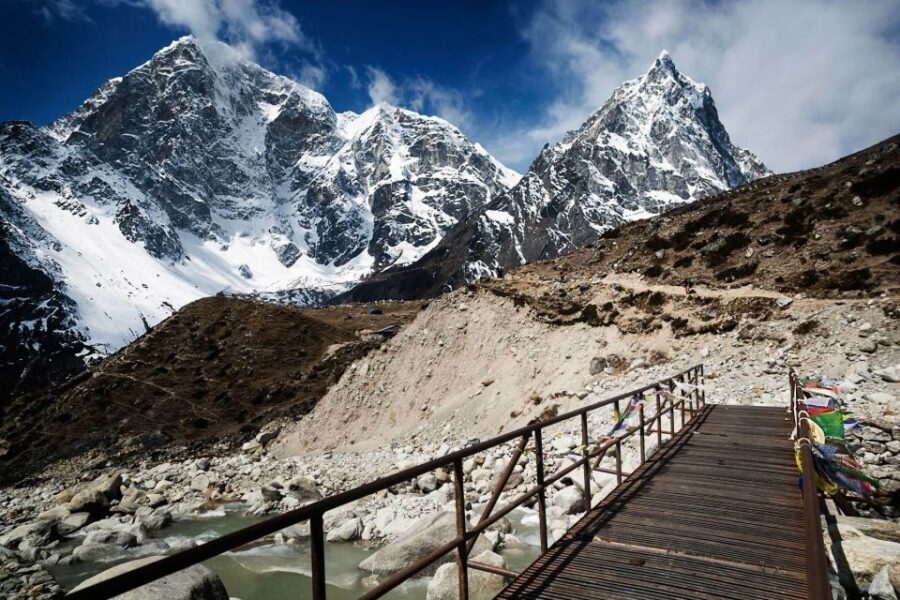
The last stretch is about descending carefully and getting your energy back:
- You continue down for about three days
- Then you return to Kathmandu on day 13
You’ll spend the final evening in Kathmandu before departure the next day.
Descent is not “easy,” but it’s different. Your legs may feel the burn in a new way (especially knees and shins), but altitude stress usually eases as you go lower. It’s a good time to soak in what the trek changed in you: patience, pacing, and a new respect for how local guides manage risk.
The Guide Factor: English Support and Real On-the-Ground Help
This trek includes an experienced, helpful, friendly guide and English language support. That matters because your experience at altitude is not just about routes. It’s about decision-making: pace, weather timing, and safety calls.
One review highlighted that the guide spoke English very well and made the experience smooth and unforgettable. Another mentioned a contact named Hari, who stayed reachable and responsive. A guide named Anjan was also mentioned as highly organized and supportive. In another case, the same guide name Padam showed up in a different trek scenario when weather affected flight plans.
What I’d take from that: good guidance here is not a nice-to-have. When Lukla doesn’t cooperate or when conditions shift, your guide’s ability to adjust can mean the difference between frustration and a satisfying trek.
Tea Houses, Showers, and the Realities of High Mountain Comfort
You’ll sleep in lodges/tea houses during the trek. Tea houses are part of the culture and the practical infrastructure. They’re where you warm up, eat, charge devices, and compare weather notes with other groups.
You should expect meals during the trek are not included, so you’ll pay for lunch and dinner as you go. The good news is that this flexibility lets you choose what you can stomach at altitude. The tradeoff is budgeting and carrying some cash, especially as prices creep up with elevation.
Hot showers are not included during the trek, which is common in this kind of route. Your comfort plan should center on warm layers, good socks, and a realistic attitude about hygiene at high altitude. (You’ll feel better for it.)
What You Need to Bring (and What You Might Get From the Tour)
Your packing list is straightforward and altitude-focused:
- Sunglasses, hat, sunscreen
- Hiking shoes, long pants, shorts, socks
- T-shirt(s), insect repellent
- Toilet paper
- Layers that handle cold, especially at higher elevations
The tour also notes you can use a jacket, sleeping bag, and duffle bag if required. If you already own gear, you might still prefer yours for fit and comfort. If you don’t, having the option can make this trek much easier to plan, especially if you’re traveling from overseas.
Who This Trek Suits Best
This experience fits hikers who want a real Everest journey without going full technical. You’ll be walking long-ish days (often 5–7 hours) and reaching elevations above 5,000 meters, so you need solid fitness and a calm pace.
It’s also a good match if you care about culture as much as views. Namche Bazaar and the Khumbu route give you a sense of how Sherpa communities live with the mountain as a constant.
It’s not suitable for:
- Pregnant women
- People with heart problems
- People with mobility impairments
So, Should You Book This Everest Base Camp and Kala Patthar Trek?
Book it if you want the classic Everest Base Camp trek with the added payoff of Kala Patthar, and you like the idea of mixing big peaks with real village life in Namche Bazaar. The included permits, guide support in English, and guided acclimatization rhythm make this a sensible way to do it.
Skip it or reconsider if you need strict schedule predictability due to flight risk. Lukla is weather-dependent, and you should be prepared for delays. Also take the health requirements seriously. Altitude doesn’t negotiate.
If you’re ready for a demanding but well-structured mountain walk, this itinerary is a practical path into the Everest story.
FAQ
FAQ
What’s the route after arriving in Kathmandu?
You’ll be picked up at Tribhuvan International Airport and transferred to a hotel. The next day you fly to Lukla, then trek toward Phakding, Namche Bazaar, and onward through the Khumbu region.
Are flight tickets included for the Kathmandu–Lukla–Kathmandu part?
Yes. The flight ticket for Kathmandu–Lukla–Kathmandu is included.
What language will the guide use?
The guide works in English, and you’ll have a live tour guide throughout the trek.
What kind of accommodation do I get during the trek?
During the trek, you stay in lodges and tea houses.
Do I get park permits and paperwork handled?
Yes. All necessary paperwork and the Sagarmatha National Park entry permits and fees are included.
Are meals included on the trek?
No. Breakfast in Kathmandu is included, but breakfast, lunch, and dinner during the trek are not included. Lunch and dinner in Kathmandu are also not included.
What gear is provided if I need it?
The tour notes that you can use a jacket, sleeping bag, and duffle bag if required.
Who shouldn’t take this trek?
It’s not suitable for pregnant women, people with heart problems, and people with mobility impairments.
What’s the cancellation window?
You can cancel up to 24 hours in advance for a full refund.