REVIEW · KATHMANDU
Kathmandu: Food and Drink Tour
Book on GetYourGuide →Operated by Himal Giri · Bookable on GetYourGuide
A good food tour in Kathmandu is equal parts flavor and guidance, and this one is built for both. I like that you’re promised 9+ traditional tastings (not just one or two small samples), and I also like the focus on the stories behind what you’re eating, from street momo to classic Newari bites. You’ll be walking through Thamel and nearby lanes with a guide who knows the local food scene well.
One thing to keep in mind: by the end, you’ll likely feel properly stuffed. If you’re not a big eater, or you’re sensitive to spicy food, plan on going in hungry and communicate any dietary needs early.
In This Review
- Key Things You’ll Notice on This Kathmandu Food and Drink Tour
- Why This Kathmandu Tasting Walk Works in 3 Hours
- Kaiser Library Start: The Easy Fix for First-Timers
- The Thamel Lanes: Where Street Food Culture Comes Alive
- The Food Stops: What You’ll Taste (and Why It Matters)
- Momo, Sauces, and the Sauce Skill
- Sel Roti: A Classic You Might Skip Without a Guide
- Newari Snacks: The “Old Kathmandu” Flavor Layer
- Sugar Cane Juice and Other Refreshers
- What the Guide Really Adds: Food Stories and Food Confidence
- Group vs Private: Choosing the Right Pace for Your Style
- Price and Value: Is $21 Reasonable for 3 Hours?
- Practical Tips So You Enjoy Every Bite
- Should You Book This Kathmandu Food and Drink Tour?
- FAQ
- Where does the tour start?
- How long is the Kathmandu food tour?
- How much does it cost?
- What will I taste during the tour?
- What languages are the guides available in?
- Do I need to worry about allergies or dietary restrictions?
- Does the tour run in bad weather?
- Is there an option for private tours?
Key Things You’ll Notice on This Kathmandu Food and Drink Tour
- Kaiser Library meeting point: easy to find, free entry if you arrive early
- 9+ tastings in about 3 hours: enough variety to understand Nepali street-food culture
- Street-to-Old-Newari progression: you start with familiar street favorites and move into regional classics
- Guide-led stories, not just food names: you learn why dishes matter to Kathmandu families
- Big portions: there’s often enough food that you may be able to take leftovers with you
- All-weather operation: come prepared for rain or heat
Why This Kathmandu Tasting Walk Works in 3 Hours
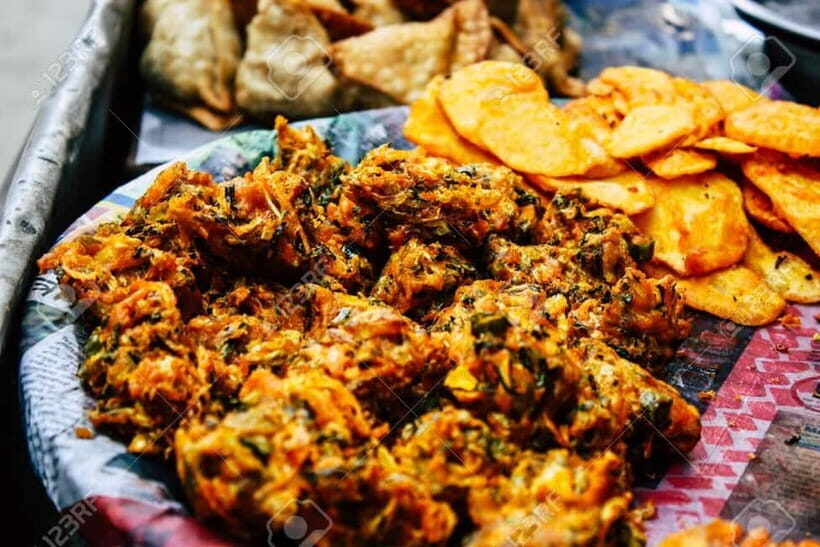
Kathmandu can feel like sensory overload at first: traffic noise, shop signs, incense, cooking smells, and lanes that turn into smaller lanes. This tour gives you a structure so you’re not just wandering and hoping you pick the right places. In around three hours, you get a guided path through Thamel and the surrounding street network, with stops designed for frequent sampling.
I also appreciate that the tour isn’t trying to be fancy. It’s about everyday food culture: street-side momo, Newari snacks, and classic breads like sel roti. The result is practical learning. You’ll leave knowing what to look for later—what to order, what it tastes like, and which sauces or pairings people actually go for.
The other big plus is how the guide connects food to place. One guide named Deepak is specifically mentioned in feedback as calm and kind, with a tour plan that flows naturally. That kind of pacing matters: you don’t want to eat nine things back-to-back without any rhythm, or end up at stalls that don’t match what you’re trying to learn.
You can also read our reviews of more food & drink experiences in Kathmandu
Kaiser Library Start: The Easy Fix for First-Timers
The tour meets at Kaiser Library. That’s a smart choice because it’s a clear landmark, and the library is open Sunday to Friday with free entry. If you show up early, you can wait inside or nearby instead of just standing on the street wondering if your guide has already arrived.
Here’s the instruction that helps most: wait in front of Kaiser Library, keep your phone handy, and the guide will arrive at the exact start time. If you’re worried you’ll miss the call, this is your cue to keep notifications on and your battery charged.
A quick safety note is included for a reason. Since you’ll be on streets where people may try to start conversations, don’t engage with strangers who approach using distracting roles (like pretending to be art students or guides). Once your guide arrives, they’ll call you—and you can also recognize them from the guide photo on the company profile. It’s a small thing, but it reduces stress.
One more location detail: don’t mix up Garden of Dreams with this tour. Garden of Dreams is a paid ticket and is a different place, even if it sounds like it could be part of the same area.
The Thamel Lanes: Where Street Food Culture Comes Alive
After meeting at Kaiser Library, you move into Kathmandu’s busy street-and-lane pattern, with a guide leading the way. This is the part that turns the tour from a checklist into a real experience. In Thamel, it’s easy to get distracted by menus you can’t read well, or to miss places that look “too small” to be worth your time.
The guide helps you avoid that. You’re guided to spots where the food is clearly a local go-to, not just a photo-stop. And because the tour is designed for sampling, you’re not stuck ordering one big dish and committing to a full meal somewhere you’re unsure about.
You’ll also get a feel for Kathmandu’s food rhythm. You aren’t just eating once. You’re tasting in sequence, with breaks built in so you can reset between stops. That matters in a city where the pace is fast and the heat can sneak up on you.
The Food Stops: What You’ll Taste (and Why It Matters)
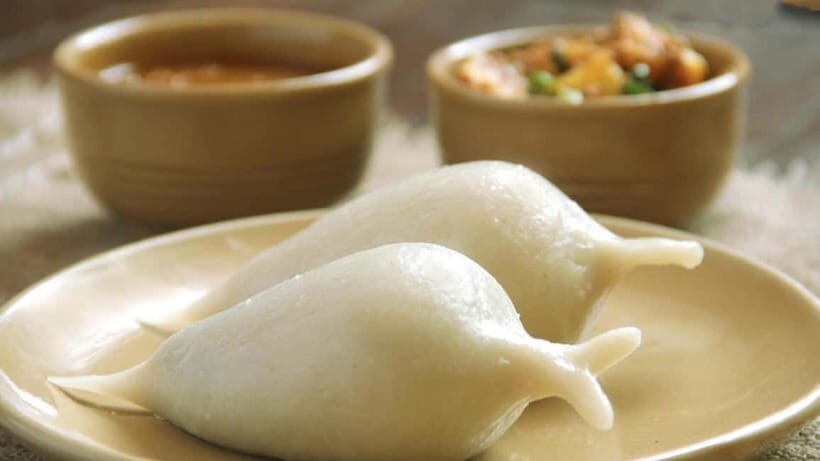
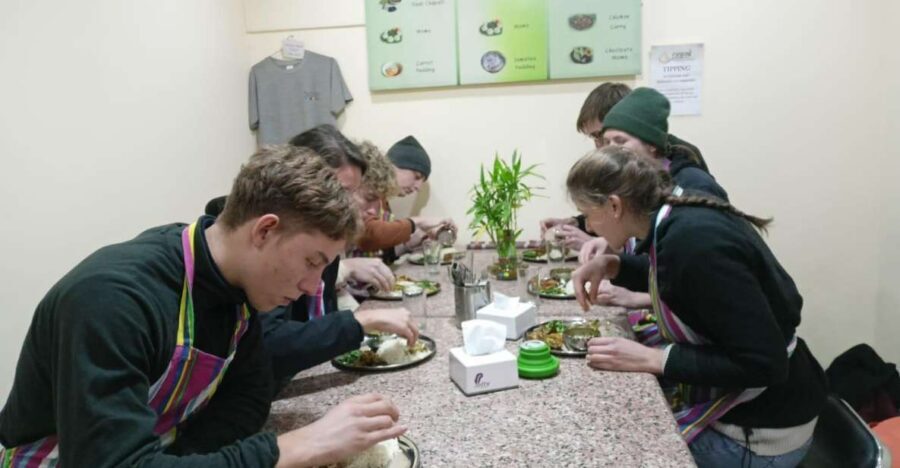
This tour is built around at least 9 traditional Nepali samplings. The exact mix can vary by season and availability, but the core favorites are clearly part of the plan: momo, Newari snacks, and sel roti. The value is not only in variety, but in learning how each item fits into local eating habits.
Momo, Sauces, and the Sauce Skill
Momo is the anchor. You’ll get steamed momo, and the standout detail in feedback is the dipping sauces—described as amazing. That’s not a small point. In Nepal, sauces can completely change the experience: spice level, tang, and texture all shift from one momo style to another.
Once you understand momo with the right sauce, you’ll order it later with more confidence. You won’t just say momo; you’ll know what to look for in the flavor direction.
You can also read our reviews of more tours and experiences in Kathmandu

Sel Roti: A Classic You Might Skip Without a Guide
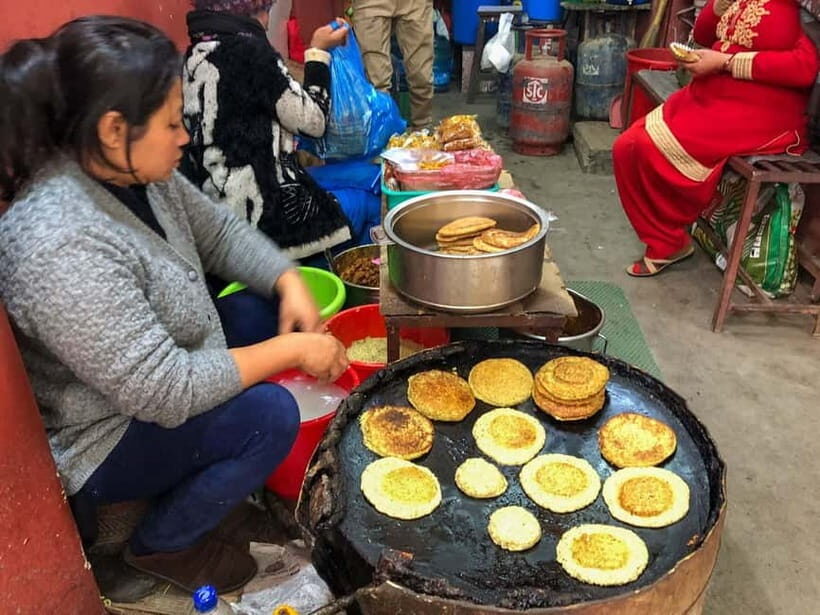
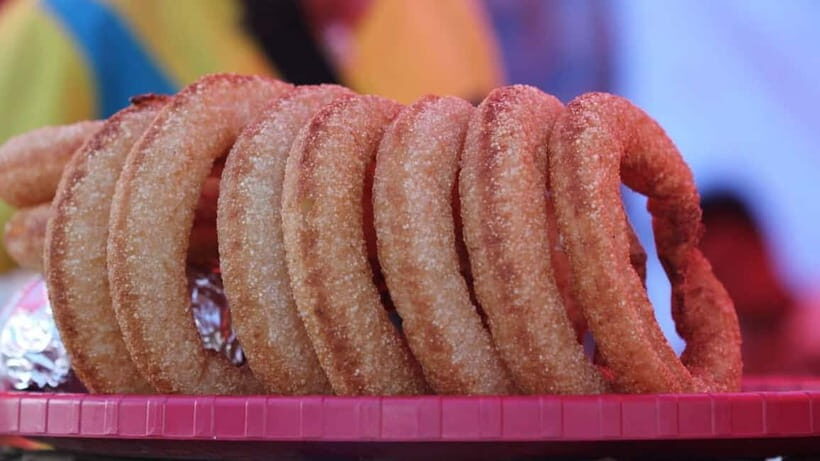
Sel roti is a ring-shaped fried rice bread, and it’s the kind of dish that many visitors overlook because it sounds unfamiliar or looks like a snack-only item. A guided tour is valuable here because you learn what it’s like to eat it in context, not as an experimental bite.
This is where you start to understand Nepali food variety beyond the best-known dishes. It’s also a good tasting item because it’s distinctive—crisp edges, softer inside, and a clear identity on the plate.
Newari Snacks: The “Old Kathmandu” Flavor Layer
Newari food tells a different story than more widely known street staples. You’ll get ancient-style or traditional Newari snacks as part of the tour’s progression. In practical terms, this means you’re not just collecting tastes; you’re seeing how Kathmandu’s food culture has layers—street food and community specialties running side by side.
If you like learning through eating, this part is a big reason to book. You’ll taste things you might never pick on your own, then you’ll have a reference point for ordering later.
Sugar Cane Juice and Other Refreshers
In feedback, one refreshing option is specifically named: sugar cane juice. That’s a great inclusion on a walking tour. It helps you cool down, hydrate in a practical way, and reset your palate between richer bites.
Even if sugar cane juice isn’t your thing, a tour that includes at least one refreshing beverage is smart in Kathmandu, where walking plus eating can add up fast.
What the Guide Really Adds: Food Stories and Food Confidence
This tour is not only about eating. It’s about feeling comfortable doing it safely and confidently.
A strong theme in feedback is the feeling that food hygiene is safe and that you’re eating in places the guide trusts. That’s important in a city where you can find everything from totally solid street stalls to places that look busy but aren’t necessarily consistent.
The guide also brings cultural context. You’ll hear stories and explanations tied to each dish, including family or historical notes. That’s how you avoid the common travel mistake of tasting lots of food but remembering almost nothing besides the flavor.
And yes, the guide’s personality matters too. Deepak is described as calm and kind, and another guide style is described as sweet and funny, plus willing to share extra advice about Nepal and Kathmandu beyond the food. That’s the kind of human touch that makes the tour feel less like a production line and more like a local sharing what matters.
Group vs Private: Choosing the Right Pace for Your Style
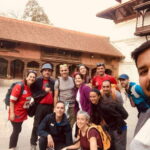
The tour offers both group and private options. If you like meeting people and comparing notes while you walk, the group format can feel social without being chaotic, especially since the food creates natural conversation.
If you’d rather move at a quieter pace, a private tour can help with that. In a private setting, you can also get more tailored input if you have dietary restrictions or preferences.
Only you know what pace works for you. Kathmandu is walk-heavy, so choose based on your comfort level more than the price difference.
Price and Value: Is $21 Reasonable for 3 Hours?
At $21 per person for about 3 hours, the main value comes from the structure: a guide, a sequence of stops, and 9+ tastings with cultural context. This isn’t just you buying food at random. You’re paying for smart ordering and a guided route through areas that are easy to get lost in.
There’s also an efficiency win. Sampling nine items on your own could mean multiple back-and-forth stops, wrong choices, and time lost translating menus. A guided approach reduces that friction.
Portion size can be part of the value too. Feedback emphasizes that you end up full, and there’s even mention that you may be able to take leftovers home. If that happens, the tour stretches further than the original price in a very real way.
Practical Tips So You Enjoy Every Bite
Here are the practical things that make this kind of tour smoother:
- Wear comfortable walking shoes. You’ll be moving through lanes and streets for the full session.
- Tell the guide your allergies or dietary limits before you start. The tour includes tastings, so communication matters.
- Expect the tour in all weather. If rain is possible, bring a light layer or a small rain cover so you don’t get miserable.
- Come hungry. If you arrive with a full stomach, you’ll likely rush the experience.
- Keep your phone available at the start time so the guide can call you if needed.
If you’re traveling with kids or older relatives, this can still work because the pacing is guided and stops are planned. One family experience mentions a 12-year-old joining happily, with the tour feeling thoughtful rather than overwhelming.
Wheelchair accessibility is listed, which is great—just remember it’s still a street route, so ask the provider if you have mobility concerns beyond basic access.
Should You Book This Kathmandu Food and Drink Tour?
I’d book this tour if you want a guided path to understand Nepali food fast. It’s especially worth it if you’re excited by street food but you don’t want to gamble on where to eat, or if you want context beyond flavor.
It might not be the best fit if you dislike spicy food or you know you get uncomfortable when you eat multiple items in a short time. The upside is that the guide can usually help you navigate choices if you communicate your needs upfront.
If you’re in Kathmandu for only a few days, this is a strong way to build a food “map” in your head: momo, Newari snacks, sel roti, and familiar refreshers like sugar cane juice. Then later, when you see the same dishes on menus, you’ll know what you’re ordering and why it matters.
FAQ
Where does the tour start?
You meet in front of Kaiser Library. Waiting outside is fine, and the guide arrives at the tour start time.
How long is the Kathmandu food tour?
The tour lasts about 3 hours.
How much does it cost?
The price is $21 per person.
What will I taste during the tour?
The tour includes at least 9 traditional Nepali tastings. Momo, sel roti, and Newari snacks are specifically mentioned.
What languages are the guides available in?
The live tour guide speaks English, Nepali, Hindi, and Chinese.
Do I need to worry about allergies or dietary restrictions?
Yes. You should inform the guide of any food allergies or dietary restrictions so they can plan around them.
Does the tour run in bad weather?
Yes, the tour operates in all weather conditions.
Is there an option for private tours?
Yes, the highlights mention both group and private food tour options.