REVIEW · KATHMANDU
Kathmandu 4-Heritage Sites Tour
Book on GetYourGuide →Operated by Cordial Trek Pvt. Ltd. · Bookable on GetYourGuide
Four big UNESCO sites, one tightly planned day. This Kathmandu 4-Heritage Sites Tour strings together the essentials: Kathmandu Durbar Square, Swayambhunath, Boudhanath, and Pashupatinath. I especially liked seeing the revered Living Goddess Kumari at Kumari Ghar and then soaking up sweeping capital views from Swayambhunath.
I also found the whole route makes sense if you want both architecture and religion in the same morning-to-afternoon flow. The one drawback to keep in mind is that you’ll be moving through several major temple complexes with a time limit, and monuments entrance fees aren’t included (they can be added).
In This Review
- Key Highlights You’ll Care About
- A 6-Hour UNESCO Route That Moves, But Stays Manageable
- Kathmandu Durbar Square and Kumari Ghar: Where Old Newar Kathmandu Lives
- Swayambhunath (Monkey Temple): Big Views, Real Temple Life
- Boudhanath Stupa: A Pause That’s Worth the Detour
- Pashupatinath Temple and the Bagmati River: Hindu Rituals Up Close
- Price and Value: Why This Tour Costs So Little (and What to Watch)
- What the Private Guide Changes (More Than You Think)
- Timing, Timing, Timing: How to Not Feel Rushed
- What to Bring for Temples and Long Walks
- Who This Tour Is Best For
- Should You Book This Kathmandu 4-Heritage Sites Tour?
- FAQ
- FAQ
- How long is the Kathmandu 4-Heritage Sites Tour?
- What UNESCO World Heritage sites are included?
- Is this a private tour?
- Do I get hotel pickup and drop-off?
- Is there an English-speaking guide?
- Is transportation included?
- Are meals included?
- Are monument entrance fees included?
- Is bottled water provided?
- Is this tour suitable for wheelchair users or mobility impairments?
- What should I bring with me?
Key Highlights You’ll Care About
- Kumari Ghar access in the Kathmandu Durbar Square area, where the Living Goddess Kumari is associated with the palace complex
- Swayambhunath panoramic valley views, plus the well-known “Monkey Temple” setting
- Boudhanath Stupa experience at one of the world’s largest spherical stupas, with lots of prayer-flag atmosphere
- Pashupatinath Temple rituals along the Bagmati River, including the cremation ritual area
- Skip-the-line express security check, so you spend less time stuck before entering key areas
- Private, English-speaking guide with a hotel pickup-and-drop flow using an A/C vehicle
A 6-Hour UNESCO Route That Moves, But Stays Manageable
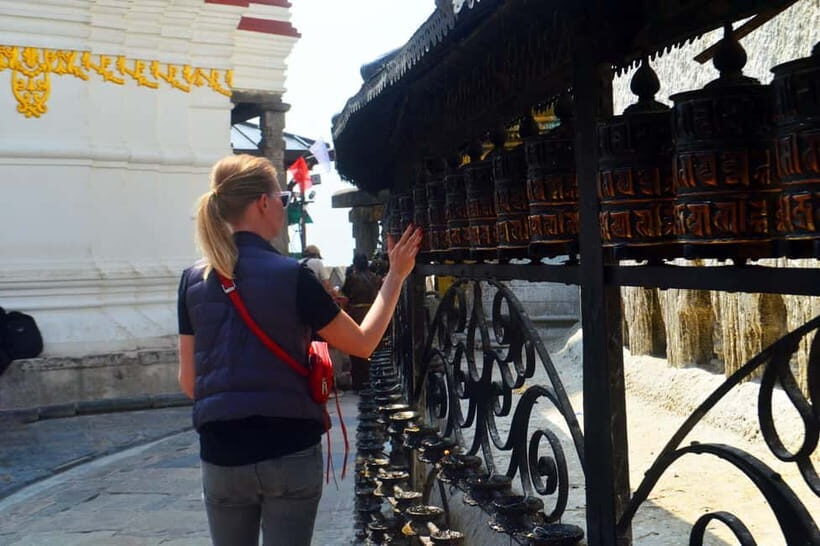
This tour is built for people who want a strong hit of UNESCO Kathmandu Valley sights without spending your whole day bouncing around on your own. You’re out for about 6 hours, with hotel pickup and drop, and you’ll usually cover each site with a focused guided visit.
The pace is “efficient,” not relaxed. If you’re expecting slow wandering and long breaks, you may feel a bit rushed because there are four major stops to cover in one day. That said, the private setup helps you avoid the extra waiting you can get on group tours.
You’ll also have a few practical perks: a private air-conditioned vehicle, bottled water, and an express security check so you can get where you need to go faster.
You can also read our reviews of more historical tours in Kathmandu
Kathmandu Durbar Square and Kumari Ghar: Where Old Newar Kathmandu Lives
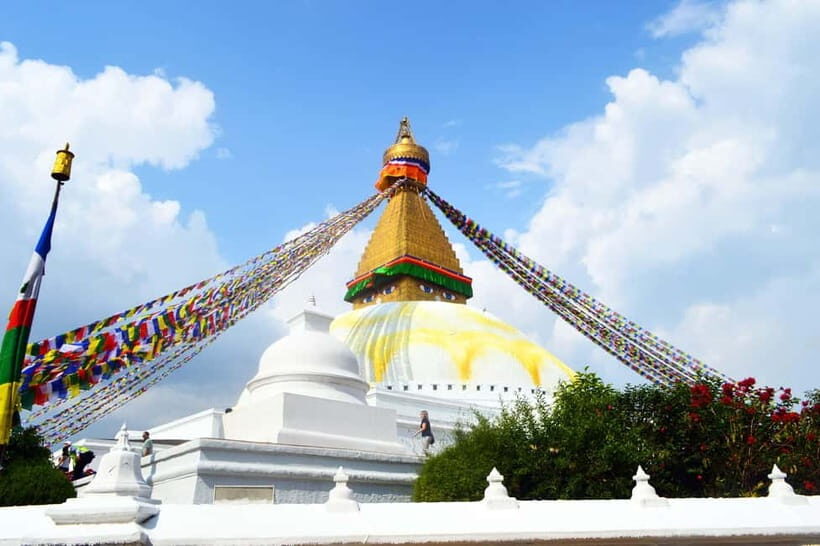
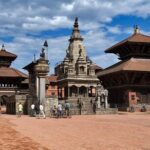
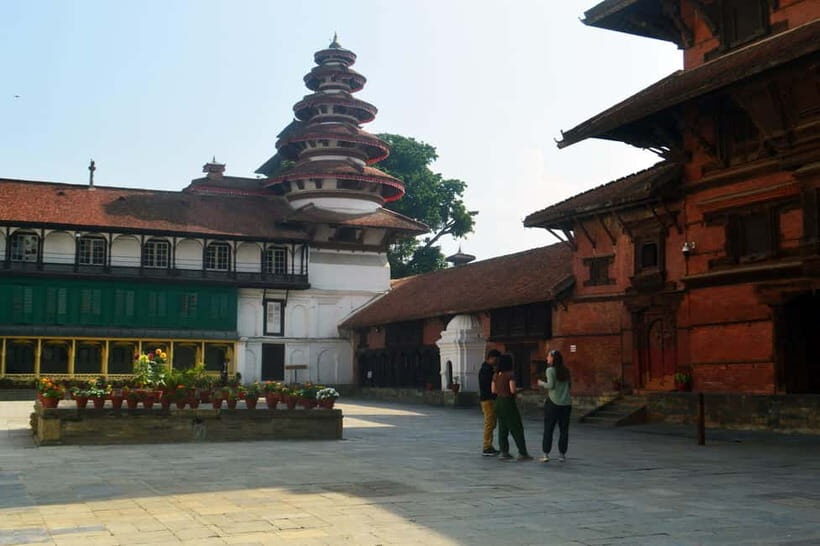
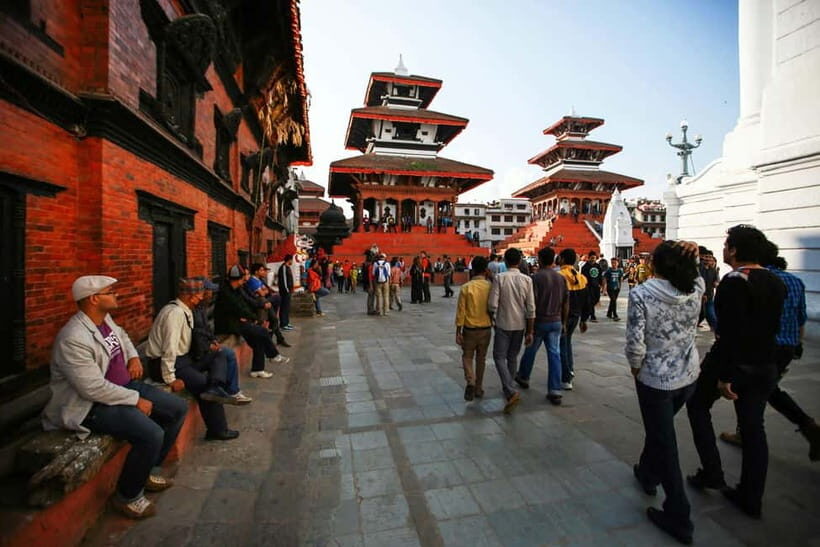
Your day starts at Kathmandu Durbar Square, with a guided walk that lasts about 1 hour. This is the place to get oriented to Kathmandu’s old Newar civilization—palace courtyards, dense architecture, and the feel that the city’s civic life grew around these stone spaces.
The headline moment here is the connection to Kumari Ghar, the area associated with the Living Goddess Kumari. Even if you’re not deeply religious, it’s one of the most memorable cultural sights in the valley because it’s not just an object or a building. It’s a living tradition tied to a specific role and place.
Practical tip: have your camera ready but keep your behavior respectful. These are active cultural and religious areas, and you’ll enjoy it more if you move quietly, watch what’s happening, and let your guide set the tone.
Swayambhunath (Monkey Temple): Big Views, Real Temple Life
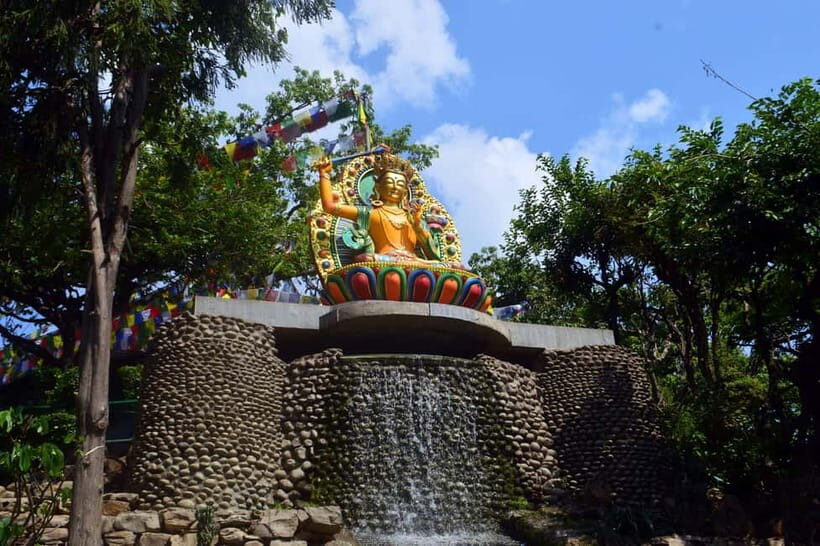
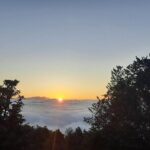
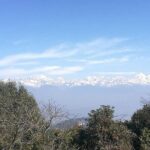
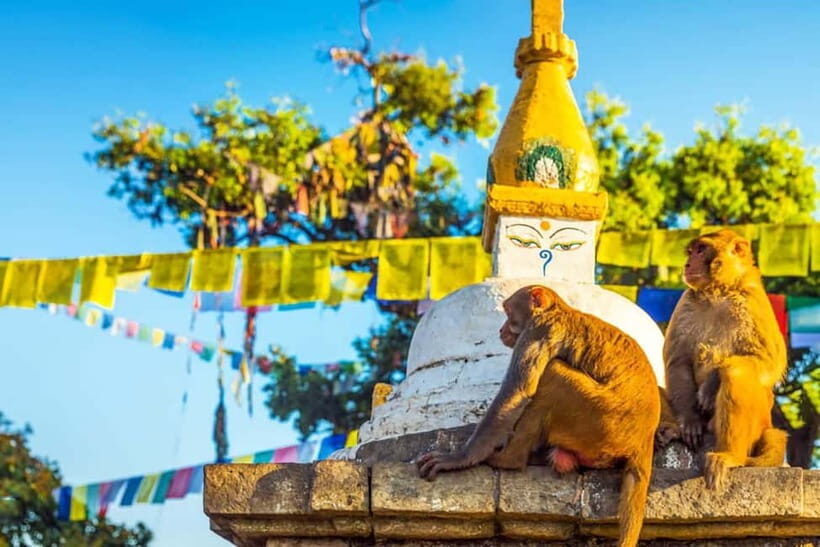
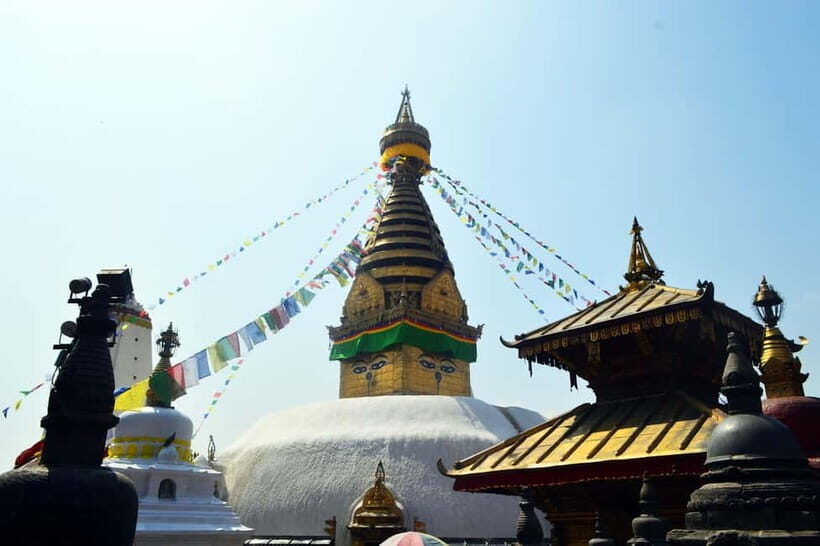
Next up is Swayambhunath, typically another 1-hour guided visit. This is where you go for the combination of hilltop temple views and the famed monkey area. The best part, honestly, is the sense of height—your eyes get pulled outward, and you can see how the Kathmandu Valley sprawls.
You’ll also visit shrines and smaller religious points within the complex, not just one main structure. That matters because it turns the site from a single photo stop into a place with layers. Your guide’s storytelling can make a real difference here, especially if they explain what you’re looking at instead of simply pointing.
One consideration: even with guiding, hilltop temple complexes usually mean stairs and uneven ground. If you’re traveling with knee trouble or you hate climbing, plan to take it slow and use any offered pacing your guide suggests.
Boudhanath Stupa: A Pause That’s Worth the Detour
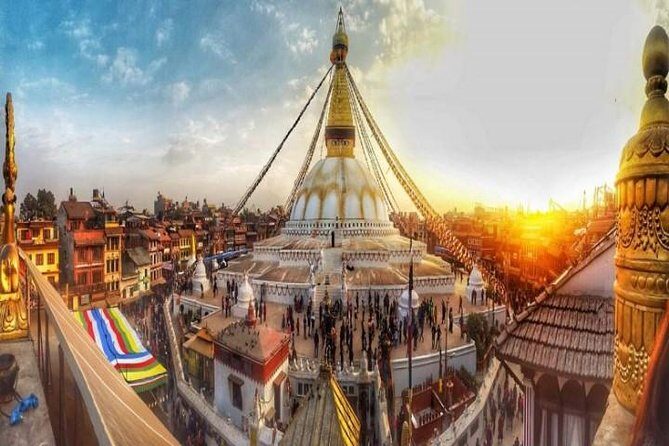
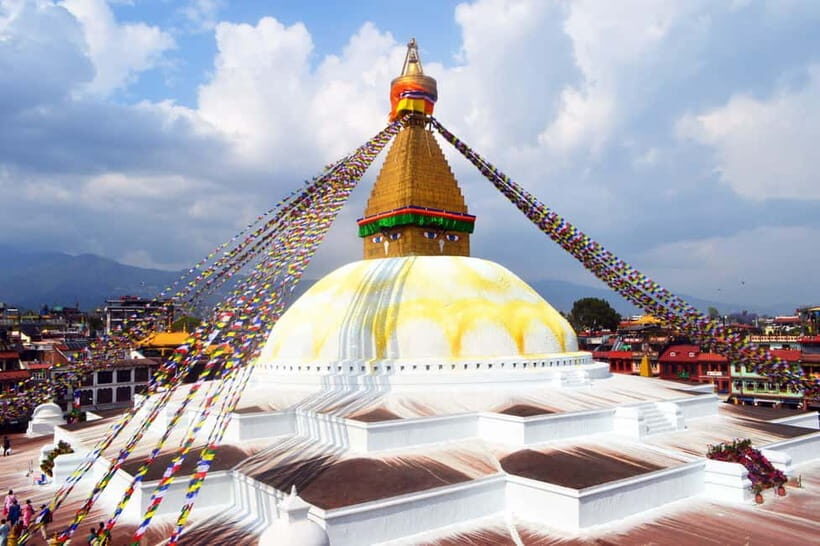
Boudhanath is your calmer mid-day shift, with about 1 hour for the guided visit. The standout is the stupa itself—massive, spherical, and instantly recognizable. It’s one of the world’s largest spherical stupas, and you feel its scale as soon as you arrive.
This is also where the prayer-flag atmosphere becomes part of the experience. Watch people move around the stupa and pay attention to small behaviors—how folks gesture, how they pause, and how they approach the area. Even if you don’t fully follow the traditions, the rhythm is readable.
A drawback to know: this stop can feel more contemplative than “action-packed.” If you’re traveling with someone who only wants major photo spots, they might call this the slow one. For many people, though, that slower tone is the exact reason to include Boudhanath before ending at the intense religious focus of Pashupatinath.
Pashupatinath Temple and the Bagmati River: Hindu Rituals Up Close
Your final stop is Pashupatinath Temple, another 1-hour guided visit. This is the most emotionally intense part of the route. It’s centered on Hindu religious practice, and you’ll be near areas where cremation rituals take place along the Bagmati River.
If you’re sensitive to heavy religious scenes, this is where you need to go in with awareness. For many travelers, though, this is the reason they booked the whole tour: it’s rare to see a sacred system of belief and ritual connected to a specific river setting in such a direct way.
What I found useful to keep in mind as you’re there: follow your guide’s cues and don’t treat it like a generic sightseeing stop. If your guide explains the meaning behind what you’re seeing, the day stops being just a list of attractions and becomes a coherent cultural story.

Price and Value: Why This Tour Costs So Little (and What to Watch)
The published price is $3.94 per person, and on its face that’s a bargain. The value comes from how much you’re getting: hotel pickup and drop, a private vehicle, an English-speaking guide, bottled water, and guided time at four UNESCO World Heritage sites.
The trade-off is what isn’t included. Monuments entrance fees are not included, though they can be added. So your real cost depends on what you decide to pay for those site entries and any other personal expenses.
Here’s how I’d think about value: if you want a guided day with transport and a structured route, this pricing can be extremely attractive. If you already plan to self-guide everything and you only want one or two sites, it might not be the best fit. But for a first-time Kathmandu day when you want depth and logistics handled, it’s hard to beat.
Also, check how you’ll handle timing. The tour is short enough that you’ll probably want to avoid big meal detours and keep your shopping minimal. You’ll be happier if you view this as a “see and understand” day, not a “linger and browse” day.
What the Private Guide Changes (More Than You Think)
This is a private group tour, which means you’re not forced into a pace that fits strangers. But even with private guiding, the quality of your experience can shift based on your guide’s style—how clearly they explain what you’re looking at and how well they manage the flow between stops.
To get more from the day, go in with two or three questions you actually care about. For example: which site is most important for understanding the culture here, or what’s the one thing people usually miss at a given stop. When you ask that early, you’re far more likely to leave feeling like you got full value from each hour.
If your guide is less interactive than you hoped, don’t silently endure it. Use the moment you’re on the move (in the car) to ask what you’ll see next and what to pay attention to. That small effort can change the whole tone of the day.
Timing, Timing, Timing: How to Not Feel Rushed
The structure is straightforward: pickup in the morning from either Thamel or Kathmandu, then guided stops, and a return drop-off in the Kathmandu/Thamel area. Each main site is guided for about an hour, so you’ll spend roughly the whole day moving between major landmarks.
Because you have limited time at each stop, you’ll enjoy it more if you’re ready for a “walk, learn, move” rhythm. Wear comfortable shoes and keep your daypack light. A camera helps, but it shouldn’t slow you down.
One more practical note: you’re expected to meet your guide and driver right on time, and you’ll be asked to wait about five minutes before pickup in your lobby or apartment entrance area. If you show up late, you can lose the early flow—then the rest of the day feels tighter.
What to Bring for Temples and Long Walks
You’ll be provided bottled water, but you should bring the items listed for the day. That includes your passport, a camera, cash, and a daypack.
Cash matters because while entrance fees aren’t included, there may be add-ons related to monuments. Even if you don’t buy anything, it’s smart to have some on hand for small personal needs that pop up during a temple day.
Dress with the reality of religious spaces in mind. Even though the tour description doesn’t list a specific dress code, you’ll have an easier time if your clothing is comfortable for walking and respectful in sacred areas. If you’re unsure, a simple rule works: cover shoulders and avoid overly short clothing.
Who This Tour Is Best For
This tour is a strong match if you want:
- A first visit to Kathmandu Valley with the big four UNESCO sites
- A guided day that mixes temples, stupas, and ritual life
- The cultural punch of seeing the Living Goddess Kumari associated with Kumari Ghar
- Guided context so the day doesn’t feel like just taking photos
It’s also a good fit for couples and solo travelers who want to get organized quickly. Because it’s private, you’ll usually spend less time negotiating logistics and more time actually seeing things.
If you dislike stairs, crowded temple approaches, or heavy ritual scenes, you may want to reconsider. The tour is not suitable for wheelchair users and people with mobility impairments, which tells you the ground and walking demands are real.
Should You Book This Kathmandu 4-Heritage Sites Tour?
If you’re short on time and you want a clear, guided route through some of Kathmandu’s most important spiritual landmarks, I’d book it. The mix is smart: Kumari Ghar for living tradition, Swayambhunath for views and temple structure, Boudhanath for contemplative stupa atmosphere, and Pashupatinath for the Hindu ritual focus tied to the Bagmati River.
But go in with the right expectations. This is not a slow museum day—it’s a focused 6-hour circuit. If you want maximum meaning, treat the guide as your key to understanding; if you want maximum comfort, plan for walking and keep your pacing cooperative.
FAQ
FAQ
How long is the Kathmandu 4-Heritage Sites Tour?
It lasts about 6 hours.
What UNESCO World Heritage sites are included?
The tour includes Kathmandu Durbar Square, Swayambhunath, Boudhanath Stupa, and Pashupatinath Temple.
Is this a private tour?
Yes, it’s described as a private group.
Do I get hotel pickup and drop-off?
Yes. Pickup and drop-off are included, with pickup options around Thamel and Kathmandu and drop-off back at Kathmandu and Thamel.
Is there an English-speaking guide?
Yes, the live tour guide is English.
Is transportation included?
Yes. You’ll travel in a private air-conditioned vehicle.
Are meals included?
No, meals are not included.
Are monument entrance fees included?
No. Monument entrance fees are not included, but an add-on is available.
Is bottled water provided?
Yes, bottled drinking water is included.
Is this tour suitable for wheelchair users or mobility impairments?
No. It is not suitable for people with mobility impairments or wheelchair users.
What should I bring with me?
Bring your passport, camera, cash, and a daypack.