REVIEW · KATHMANDU
Kathmandu: 7 UNESCO-Listed city sites group day trip
Book on GetYourGuide →Operated by Enticing Himalayas Travels Private Limited · Bookable on GetYourGuide
Seven UNESCO stops in a single day can fly. You’ll move through iconic spiritual and royal sites, with real context from a local guide, including the solemn Hindu rituals at Pashupatinath by the Bagmati River and the big-picture views from Swayambhunath. One heads-up: the day involves walking, uneven ground, and plenty of stairs, so plan for a very active 8 hours.
What I like most is that you don’t just point at monuments. A licensed English guide turns what you’re seeing into something you can actually understand, and you get hotel pickup and drop-off so you’re not wasting time figuring out transport. If you end up with a guide like Karma or Pooja, the vibe is question-friendly and detail-focused, which makes the day feel personal instead of rushed.
In This Review
- Key things I’d plan around
- Why this 7 UNESCO loop is a smart use of 1 day
- The pace: 8 hours sounds easy until the ground starts
- Swayambhunath Hilltop: the Kathmandu Valley overview you’ll want early
- Kathmandu Durbar Square: where power, stone, and belief share the same walls
- Patan Durbar Square: Newari craftsmanship with Hindu and Buddhist overlap
- Bhaktapur Durbar Square: medieval streets you can feel in your legs
- Changu Narayan Temple: sculptures and ancient inscriptions up close
- Pashupatinath Temple by the Bagmati River: the day’s emotional center
- Boudhanath Stupa: chanting, circling, and a slower kind of attention
- Price and what you’re really paying for at $64
- Who should book this, and who should skip it
- My take: should you book this 7 UNESCO day?
- FAQ
- How long is the Kathmandu 7 UNESCO city sites day trip?
- Is hotel pickup and drop-off included?
- What’s included in the price?
- Are the heritage site tickets included?
- Is this tour private or shared?
- What should I bring for the tour?
- Is the tour suitable for wheelchair users or people with limited mobility?
Key things I’d plan around
- Door-to-door pickup means your day starts smoothly in Kathmandu, then you go site to site by van
- Seven UNESCO sites in one outing is efficient, but you’ll only get short focused visits, not long wandering
- Swayambhunath gives you the Kathmandu Valley overview early, which helps everything else click later
- Pashupatinath is the emotional centerpiece, with cremation and other rituals by the Bagmati River
- Durbar Squares across Kathmandu, Patan, and Bhaktapur show how Newari craftsmanship shaped royal power and daily life
- Tickets are not included, but you can save time with skip-the-line entry support
Why this 7 UNESCO loop is a smart use of 1 day
If you’re short on time in Kathmandu, this kind of focused route makes sense. Seven UNESCO-listed sites in one day is a lot, but it’s also a practical way to see the main spiritual and royal landmarks without juggling guides, buses, and multiple tickets across different days.
The value isn’t only the number of stops. It’s the way the sites connect. You’ll see how temple design, royal architecture, and religious ritual all share the same Newari and South Asian visual language. When your guide explains what you’re looking at, even quick visits feel purposeful.
The other big reason this works: van rides are built in. You’ll jump between Kathmandu and nearby heritage centers with short transfers that keep your day moving. And because it’s a private group with an English live guide, you can ask questions instead of getting stuck with a “watch and move” tour style.
You can also read our reviews of more city tours in Kathmandu
The pace: 8 hours sounds easy until the ground starts
This is an 8-hour day with hotel pickup and drop-off, and you’ll cover a lot of walking. Some stops are mostly temple compounds and courtyards. Others include hilltop viewpoints and stair climbing. Even if the sightseeing blocks look brief on paper, you’ll still feel the physical side after several heritage locations in a row.
Here’s how I’d plan it for comfort:
- Wear shoes you can trust on stone and uneven steps.
- Keep your water handy, since food isn’t included.
- If you get motion sickness, skip the stress and look for a different format, because you’ll be in a van multiple times during the day.
- Bring a passport or ID card, just in case it’s required for entry processes at certain stops.
Your route also includes breaks and photo stops, so you won’t be constantly walking end-to-end. But it will still feel like a full active day.
Swayambhunath Hilltop: the Kathmandu Valley overview you’ll want early
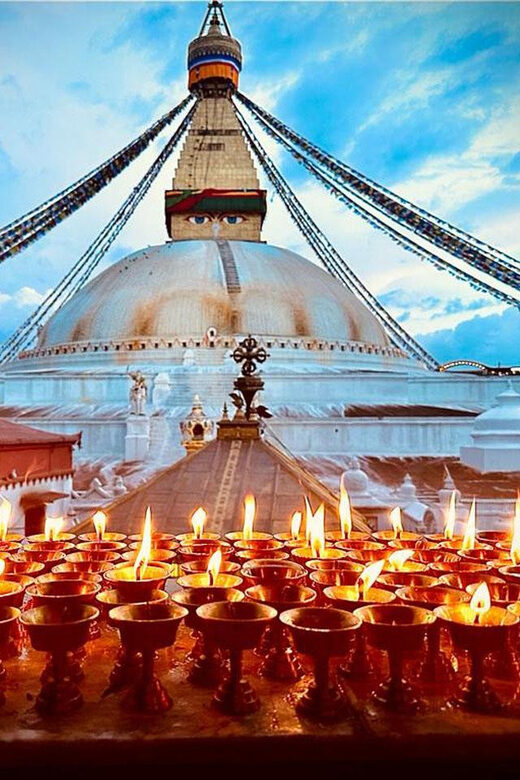
You’ll start at Swayambhunath Temple, perched on a hill, and this is a great first stop because it gives you orientation fast. When you’re standing above the city, you can finally understand the shape of Kathmandu Valley and how the different heritage areas relate to each other.
This place isn’t just about the view. It’s also about how a stupa works as a spiritual magnet. You’ll get time for photos, a guided visit, and a bit of free time afterward. If you want souvenirs, this is one of the points where you’ll have shopping time built into the schedule.
Practical note: hilltop sites can feel slippery and windy depending on the day. Take it slow on steps. And if you’re sensitive to crowds, go at a steady pace with your guide and use your free time for a calmer look.
Kathmandu Durbar Square: where power, stone, and belief share the same walls
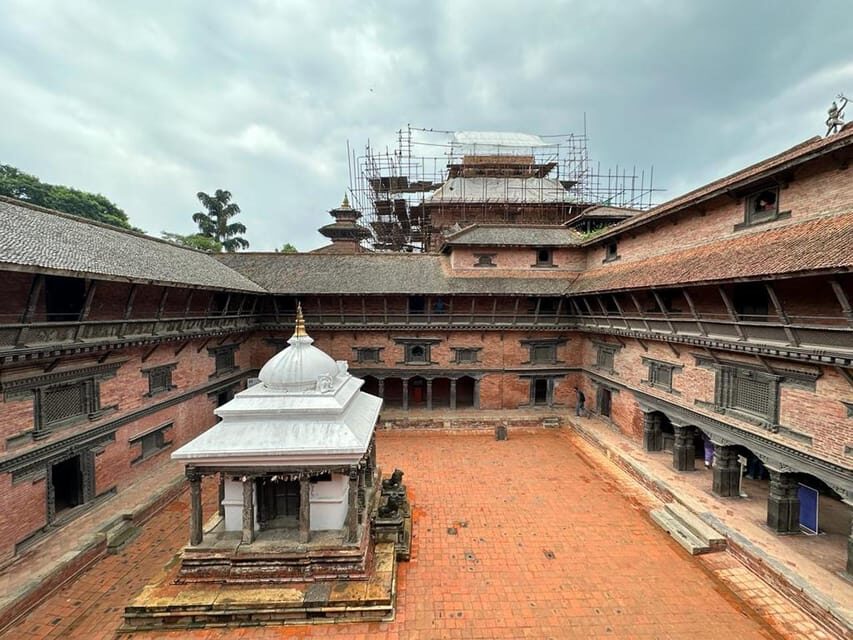
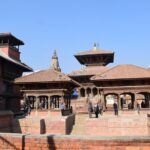
Next up is Kathmandu Durbar Square, a royal and religious core that shows off the kind of craftsmanship that makes you stop and stare. This is the heart-of-city version of heritage: palaces, temples, and intricate stonework all packed into one area.
What I like here is the contrast to the hilltop start. At Swayambhunath, you’re watching the city from above. At Durbar Square, you’re learning how the city presents itself on purpose—through architecture built for ceremony, authority, and everyday life.
You’ll have a guided tour plus free time. If you’re the type who likes details—carvings, doorways, temple corners—this is where your guide’s explanations really pay off. You’re not just looking at monuments; you’re learning what different parts mean and why they’re arranged the way they are.
Patan Durbar Square: Newari craftsmanship with Hindu and Buddhist overlap
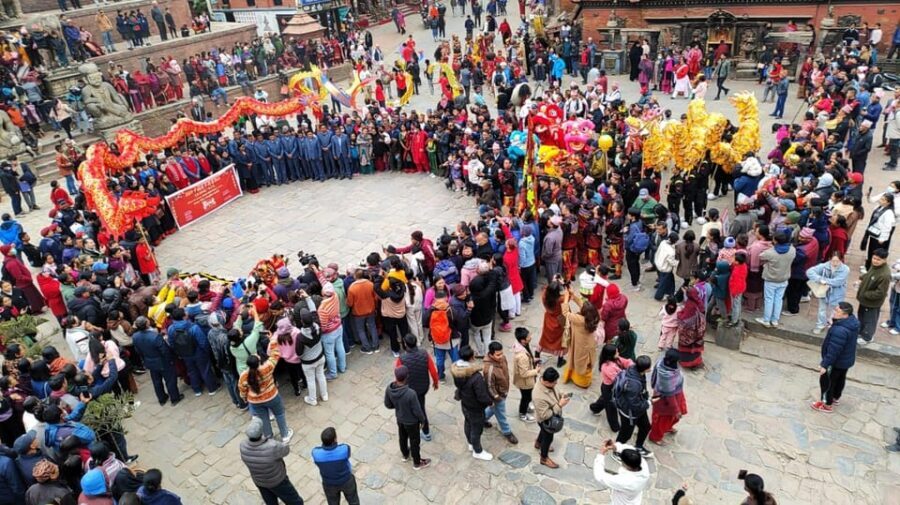
Then the route shifts to Patan Durbar Square, another major royal center, and it’s especially strong for anyone who wants to understand the Newari style of building. Your guide can point out how Hindu and Buddhist influences mix here, and how the design language feels consistent across centuries.
This is also the leg where you’ll appreciate pacing. Even with a short time window, you can still enjoy the craftsmanship if you give yourself a simple strategy:
- Look at the major architectural lines first.
- Then slow down for the carved details.
- Finally, use free time to revisit what caught your eye.
You’ll get guided time, photos, and free time, plus shopping/sightseeing moments. That mix matters because Patan can feel dense—having that small unstructured window helps you absorb instead of just moving.
You can also read our reviews of more tours and experiences in Kathmandu

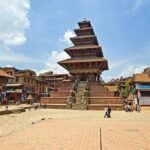
Bhaktapur Durbar Square: medieval streets you can feel in your legs
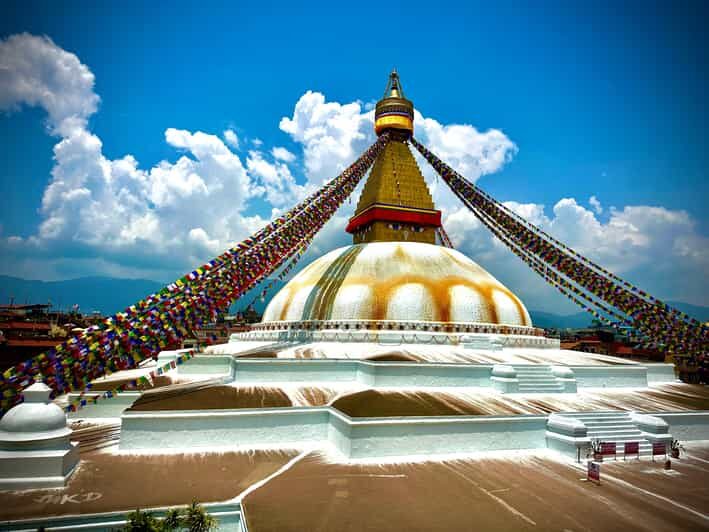
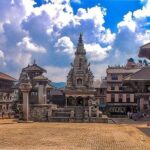
After more van time, you’ll reach Bhaktapur Durbar Square and this stop tends to land differently than the Kathmandu sites. The feeling is more grounded and town-like, with medieval streets and squares that make heritage feel less like a museum and more like a living neighborhood.
You’ll spend around two hours here with guided time plus free time. That’s helpful. Bhaktapur needs a bit more attention to “read.” Your guide can connect what you’re seeing to Newari culture, while your own time gives you space to walk the lanes and stand back for wider angles.
This is also a practical moment to check how your body is doing. If stairs and stone steps have been piling up, use breaks wisely. You’re still going to visit more sites after this.
Changu Narayan Temple: sculptures and ancient inscriptions up close
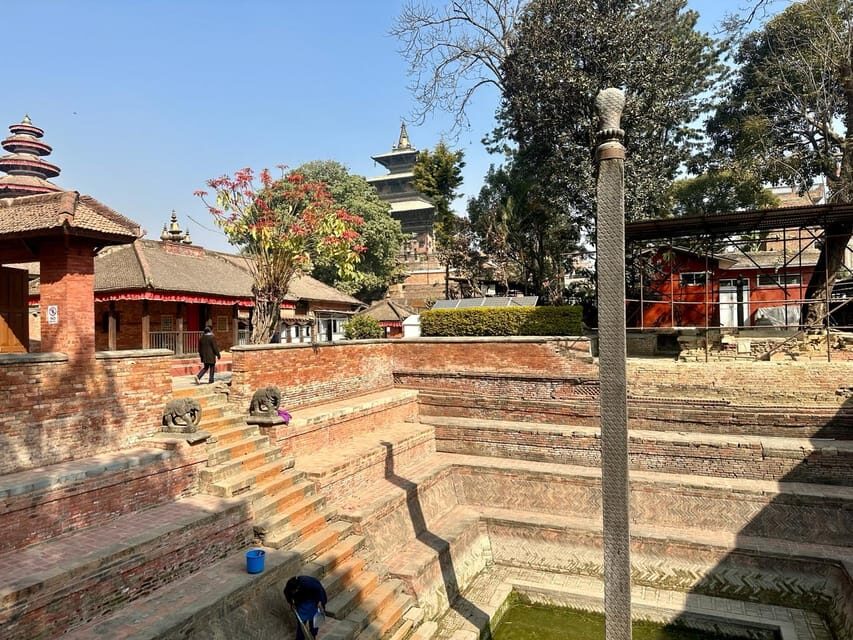
The day continues to Changu Narayan Temple, and this is a smaller-scale stop than some of the Durbar Squares. The payoff is that it’s packed with fine sculptural work and ancient inscriptions. When a temple like this is explained well, the carvings stop being decorative and start feeling historical.
Your visit here is shorter, so you’ll want to stay attentive during the guided portion. When inscriptions are involved, timing matters—your guide’s direction helps you notice what you’d otherwise miss.
If you’re tired, I still think this is worth the visit because it’s the kind of stop that rewards focused attention more than long walking.
Pashupatinath Temple by the Bagmati River: the day’s emotional center
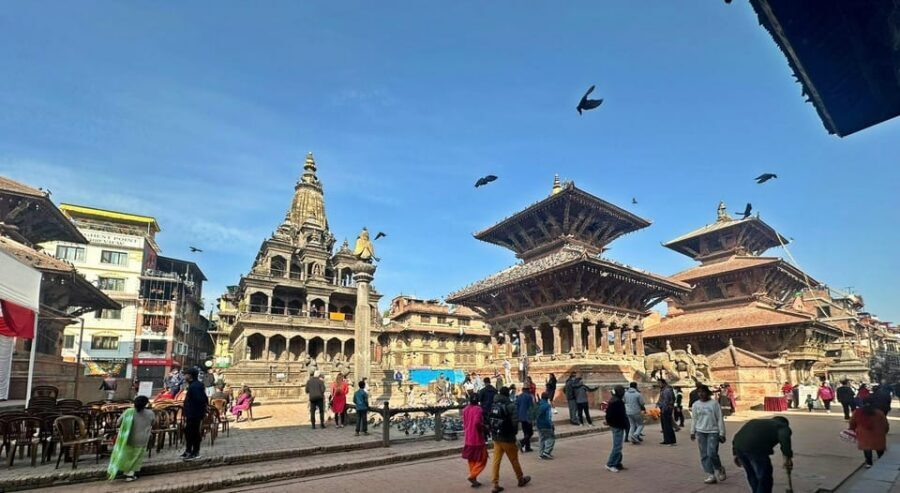
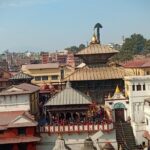
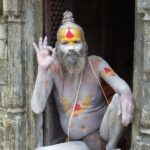
Then comes Pashupatinath Temple, one of the most significant Hindu pilgrimage sites in the region. This is where the tour stops being only architecture and becomes ritual-focused.
You’ll have time for a guided visit and photos, plus free time. The key detail is that you’ll see cremation and other rituals connected to the Bagmati River. That means the atmosphere can be intense and deeply meaningful, even if you’re not following the same tradition. Keep your behavior respectful and follow your guide’s direction closely.
This stop is also why I think the guide quality matters so much on this route. A good guide helps you understand what’s happening—why it looks the way it does, and why the setting beside the river is central to the ceremonies.
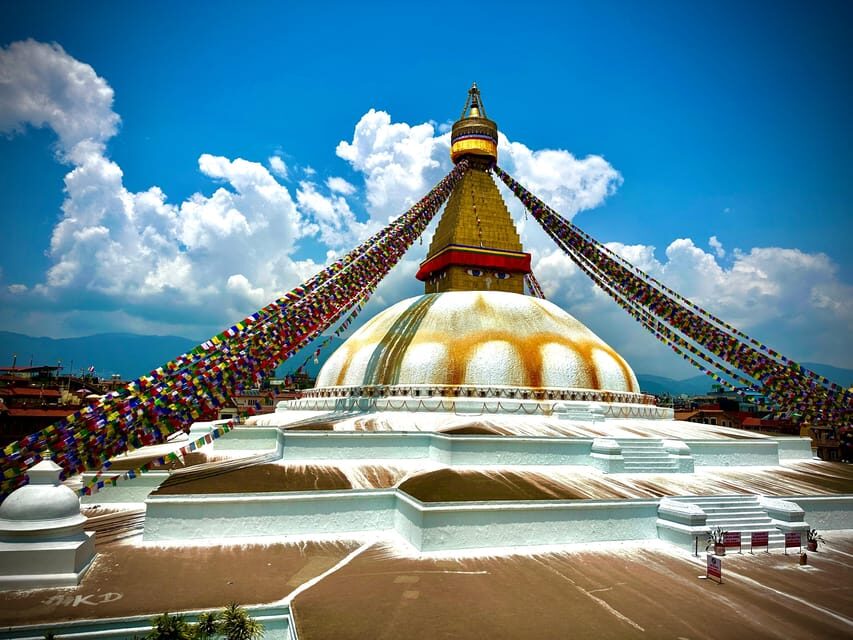
Boudhanath Stupa: chanting, circling, and a slower kind of attention
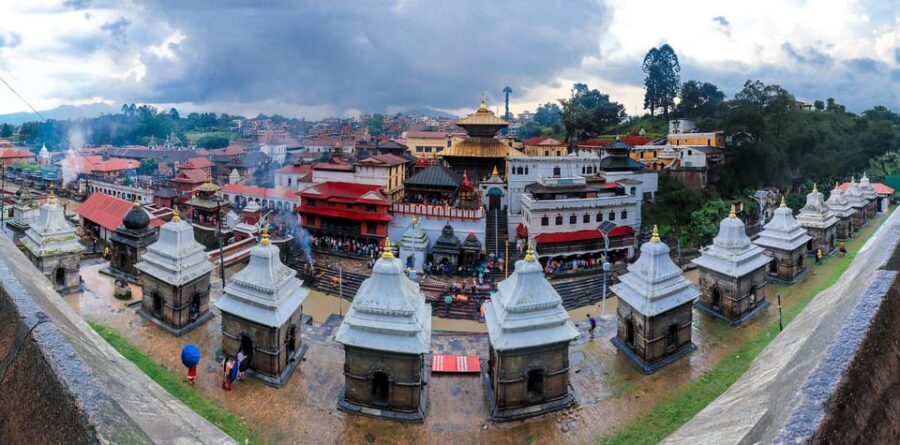
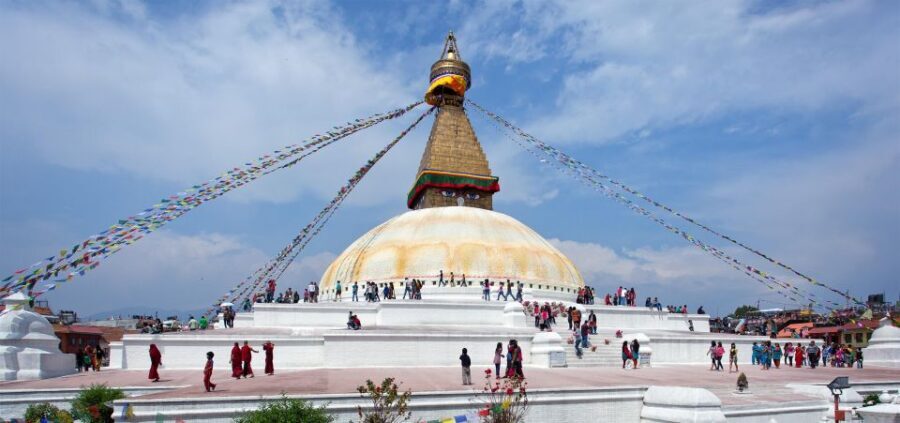
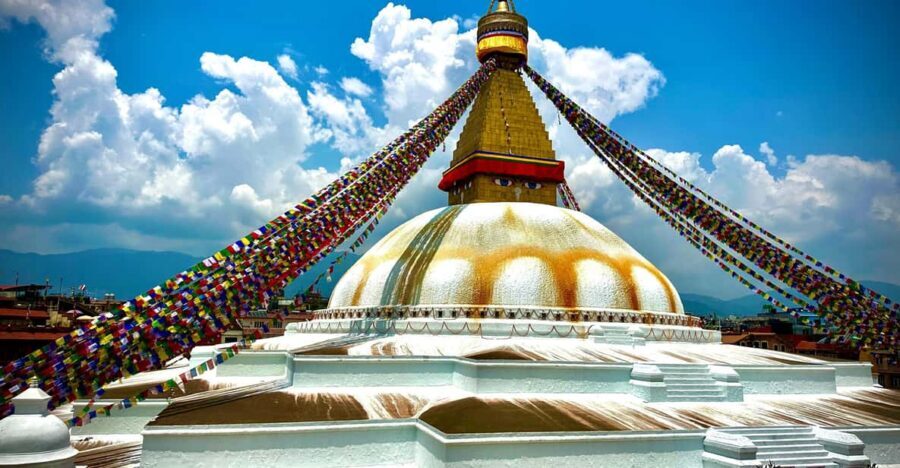
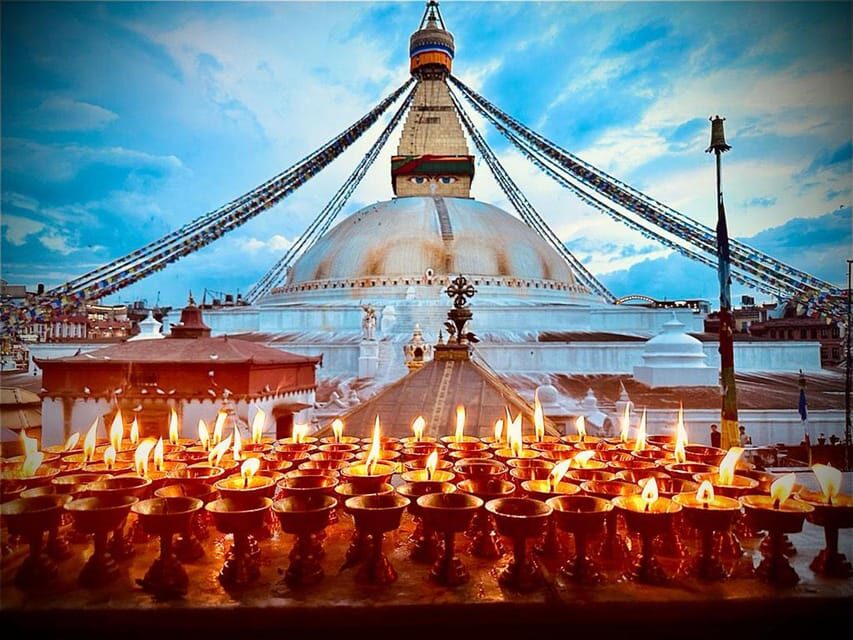
Your final major stop is Boudha Stupa, a colossal mandala-style stupa that draws devotees for chanting and circumambulation. Even if you only spend an hour here, the experience feels different from the Durbar Squares because the focus is on devotional rhythm rather than royal architecture.
The circumambulation is the practical reason this works as a final stop. You can step back, watch the flow, take photos at workable angles, and let the setting do the heavy lifting. Your guided tour will point out what to look for, and free time lets you settle into the moment.
If you’re sensitive to crowds, this is the place where you’ll likely notice them most—so go with calm expectations. The benefit is that your guide can help you understand what you’re seeing so it doesn’t just become scenery.
Price and what you’re really paying for at $64
At $64 per person for an 8-hour day, this is best understood as a bundled package:
- hotel pickup and drop-off
- van transportation
- a licensed English guide
- a private group setup
- skip-the-ticket-line support
The one thing to budget for: heritage site tickets are not included. That means the final cost depends on entry fees at the sites. Still, you’re paying for the guide’s interpretation and the logistics that connect seven places in one smooth sweep.
I think this price makes sense if you value context. If you only wanted photos and were happy to wander on your own, you could do it cheaper. But if you want the “why” behind temple forms, royal squares, and ritual life, a paid guide is where you’re getting real value.
Who should book this, and who should skip it
This tour is a strong fit if you:
- want a single-day highlight reel of Kathmandu Valley UNESCO sites
- like having a guide who explains what you’re seeing in real time
- want hotel pickup so you don’t lose time on transport
- can handle short visits that still feel guided and meaningful
It’s not a great fit if you:
- use a wheelchair or need wheelchair accessibility
- have mobility limitations that make stair climbing or walking difficult
- are pregnant
- have motion sickness
- are traveling with kids under 10
- plan on party-style behavior (alcohol and drugs aren’t allowed, and party groups aren’t permitted)
My take: should you book this 7 UNESCO day?
I’d book this if you want to make one day count. The route hits the spiritual center (Pashupatinath), the viewpoint and orientation (Swayambhunath), and the royal architectural story across Kathmandu, Patan, and Bhaktapur. Add Changu Narayan for carved-detail focus and Boudha Stupa for devotional pacing, and you get a well-rounded day.
Two reasons to be cautious: the walking and stairs, and the fact that tickets are extra. If your body can handle it and you’re ready to budget for entry fees, this is a solid way to see major heritage without turning your trip into a logistics puzzle.
FAQ
How long is the Kathmandu 7 UNESCO city sites day trip?
It lasts about 8 hours.
Is hotel pickup and drop-off included?
Yes. Pickup and drop-off in Kathmandu are included.
What’s included in the price?
The price includes transportation, a licensed English guide, and hotel pickup and drop-off.
Are the heritage site tickets included?
No. Tickets to the heritage sites are not included.
Is this tour private or shared?
It’s listed as a private group.
What should I bring for the tour?
Bring a passport or ID card.
Is the tour suitable for wheelchair users or people with limited mobility?
No. It may not be suitable for people with mobility issues or wheelchair accessibility because the day includes walking and stair climbing.