REVIEW · KATHMANDU
3 Days Chisapani Nagarkot Trek
Book on Viator →Operated by himalayan sanctuary adventure private limited · Bookable on Viator
Chisapani to Nagarkot is the right kind of mountain drama. You get a forest-and-village trek with big Himalayan sightlines, then finish with sunrise views from Nagarkot and cultural stops around Bhaktapur and Changunarayan. It’s a short trip with a lot packed in, without turning into a rushed day-by-day grind.
I especially like the meals included on the hike and the way the trek uses an English-speaking guide plus a porter so you’re not doing logistics at altitude. Another plus: the itinerary is a true private trek, so you and your party set the pace more than you would on a cattle-trail group tour.
The main drawback to plan for is effort. You’re walking 4–6 hours on day one and about 6–7 hours on day two, with ups and downs plus stairs on some stretches, so it’s not a stroll. If you want a completely easy hike, this one may feel like work.
In This Review
- Key Things I’d Pay Attention To
- Chisapani and Nagarkot: Why This 3-Day Trek Works
- Price and Value: What $320 Actually Covers
- The Day-by-Day Trek Plan (and What It Feels Like)
- Day 1: Kathmandu → Sundarijal → Chisapani (about 4–6 hours)
- Day 2: Chisapani → Nagarkot (about 6–7 hours)
- Day 3: Nagarkot sunrise → Chagunarayan → Bhaktapur → Kathmandu
- Meals and Porter Support: The Quiet Superpowers
- Nagarkot Views: How to Get the Most From Sunrise and Sunset
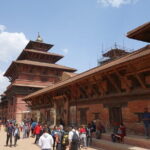
- Bhaktapur Durbar Square and Changunarayan Temple: Culture Without Detours
- What to Pack (Based on a Trek of This Length)
- Who This Trek Suits Best (and Who Might Want Another Option)
- Should You Book This Chisapani Nagarkot Trek?
- FAQ
- What meals are included on the trek?
- How long are the hiking days?
- Who will guide and help with luggage?
- What sightseeing is included on the last day?
- Are entrance fees included for temples and squares?
- Can I cancel for a full refund?
Key Things I’d Pay Attention To
- Private trek for your party: less waiting, more flexibility with how long you stop for views and photos.
- All meals while hiking: no daily decisions about where to eat once you’re on the trail.
- English-speaking guide: helpful for route context, trail choices, and keeping everyone together safely.
- Porter support (1 for 2): a big difference if you want to travel light or you don’t want to lug gear uphill.
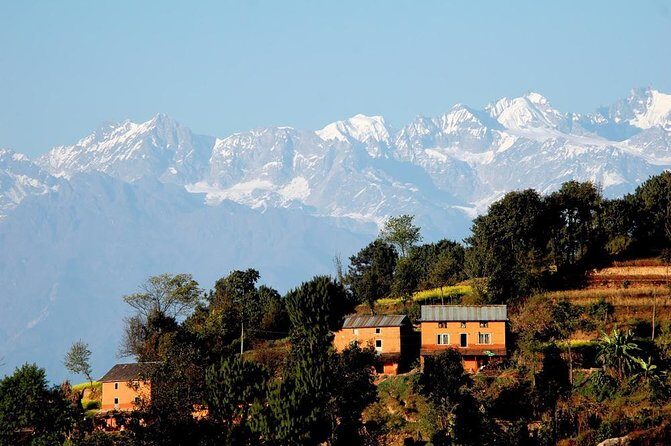
- Sunrise and sunset at Nagarkot: two chances for Himalayan views in one location.
- Bhaktapur Darbar Square + Chagunarayan temple: you’re not only hiking; you’re also seeing major cultural sights on day three.
Chisapani and Nagarkot: Why This 3-Day Trek Works
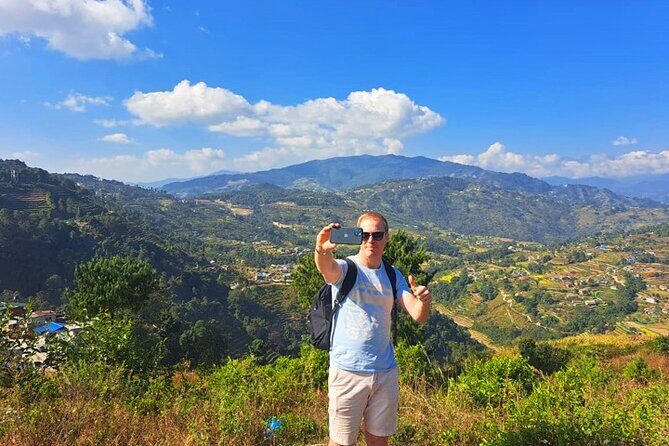
This is a classic short Nepal trek, built around a simple idea: start near Kathmandu, walk into a cooler hill world, then reach a viewpoint where the Himalayas can show off. You don’t need a week to get the feeling of trekking in Nepal. In three days, you’ll move from pine and oak forest into terrace farmland and village paths, then end on a lookout.
Chisapani is a good first-day target because it’s high enough for fresh air and wide valley views, but it’s not so far that day one becomes a total wipeout. Then day two climbs toward Nagarkot, where the big prize is the panoramic Himalayan range—something you’ll chase twice: at sunrise and at sunset.
If you’re a first-timer, you’ll appreciate the structure. There’s a clear route, set hiking windows, and real support: a guide up front and a porter working alongside you.
You can also read our reviews of more hiking tours in Kathmandu
Price and Value: What $320 Actually Covers
At $320 per person, this trek isn’t cheap, but it’s also not “pay extra for nothing.” Most of what you’re buying is friction removal.
Here’s where the value shows up:
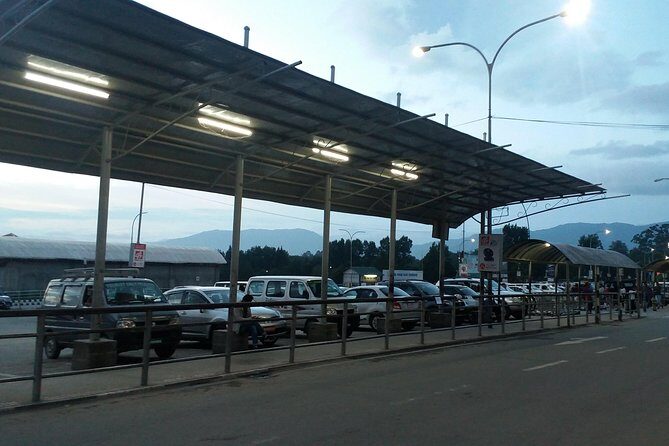
- Private transportation from Kathmandu to the start and back to your hotel at the end. That’s not just convenience—it reduces stress on arrival and departure.
- All meals during the hiking days (breakfast, lunch, dinner where listed). Once you’re walking, food planning becomes a hassle you don’t want to manage.
- National park permit included. Permits are one of those annoying details people often forget to budget for.
- Guide + porter: an English-speaking trekking guide, plus a porter for luggage (listed as 1 porter for 2 trekkers). The porter piece matters if your pack is more than just a water bottle and camera.
- Accommodation for the guide is included (and your own lodging is part of the day-one lodge and day-two hotel structure).
What you should budget separately:
- Meals in Kathmandu (not included).
- Entrance fees for sightseeing stops (not included).
- Nepal entry visa fee (you can issue your visa on arrival, but it’s still a cost).
- Personal items like drinks, laundry, and tips.
For $320, I’d view this as paying for a smooth experience: someone handles the route, meals are covered on trekking days, and you’re not doing heavy lifting thanks to the porter.
The Day-by-Day Trek Plan (and What It Feels Like)
This is a 2-night / 3-day hike with a packed end day that mixes trekking downhill with cultural sightseeing.
Day 1: Kathmandu → Sundarijal → Chisapani (about 4–6 hours)
You start around 7:45 am, with a drive from Kathmandu to Sundarijal, the traditional jump-off point. The drive is described as roughly an hour in one part of the plan, and about two hours in another. Either way, you’re looking at a morning departure and then stepping straight into the trail.
From Sundarijal, you start uphill through pine and oak forest. This is the “settling in” day. The goal is to get moving, get your legs warm, and reach Chisapani without turning the day into punishment.
Chisapani is at about 2,115 meters. You’ll overnight at a lodge there, with lunch and dinner included on the hike day.
Practical note: this first hike segment includes a steady uphill start. If you go out too fast, you’ll feel it later. I like to think of day one as tempo-building, not conquest.
Day 2: Chisapani → Nagarkot (about 6–7 hours)
Day two is the longer walk. You go from Chisapani (about 2,195 meters) toward Nagarkot.
The route begins with an unsealed road through forest for about 2–3 hours. That sounds almost easy, but unsealed roads can still be slow going. You’ll also get plenty of bird-and-nature time here, since this trail passes through forested areas within the broader national park setting (good for wildlife spotting when luck is on your side).
After that, you descend through areas like Jhule and reach Chauki Bhanjyang, where you stop for lunch. Then you continue toward Nagarkot on the remaining hours, passing through villages and terraced fields.
This is where the trek changes texture. It becomes a mix of rural life and stair-like trail sections. You’ll be walking above and between human-shaped farmland, not just through wilderness.
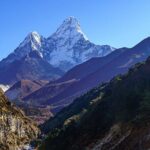
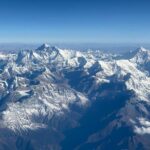
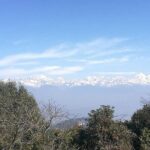
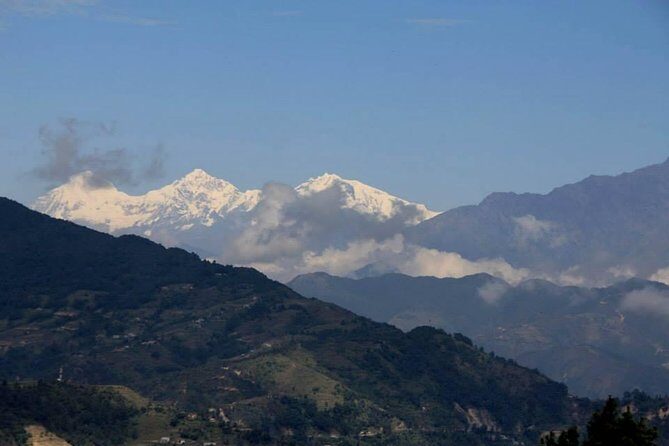
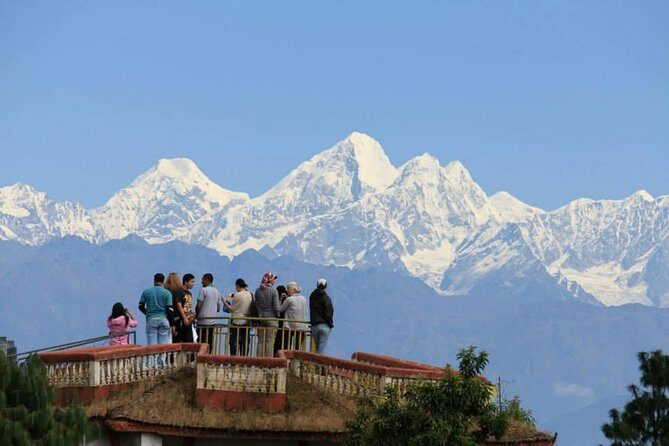
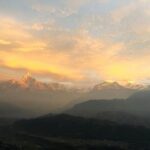
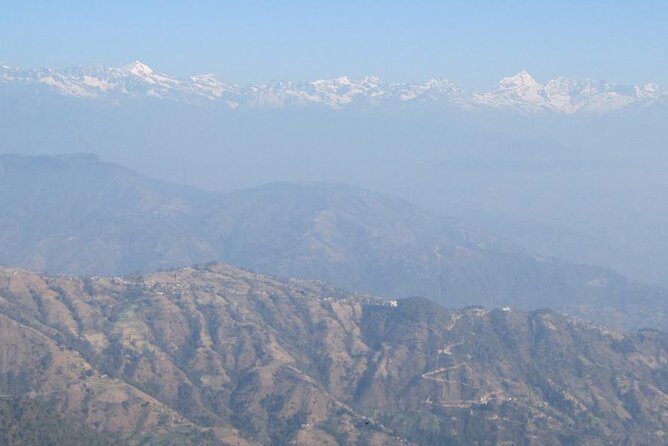
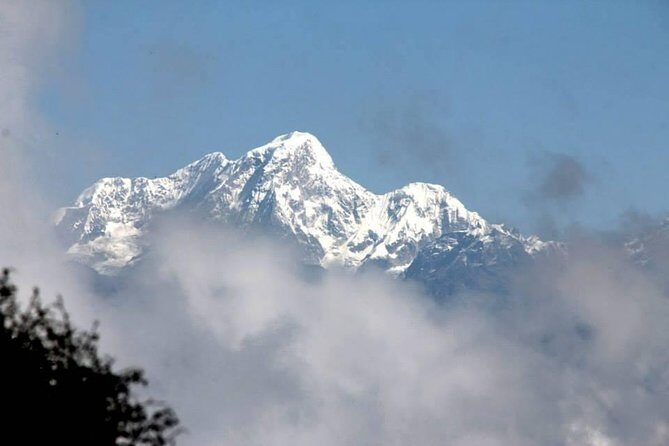
Nagarkot is your big payoff. From here, you’re in position to see a broad Himalayan range—listed from Dhaulagiri in the west across to Everest and even toward Kanchenjunga in the east. You also have the promise of sunset views, plus the chance for sunrise the next morning.
You’ll overnight at a hotel in Nagarkot, with breakfast, lunch, and dinner included for the day.
You can also read our reviews of more tours and experiences in Kathmandu
Day 3: Nagarkot sunrise → Chagunarayan → Bhaktapur → Kathmandu
Day three starts early for sunrise viewing. Nagarkot sits on a hilltop, so it’s built for early morning skyline watching. Even if the weather is moody, you still get the “start of day in the hills” atmosphere.
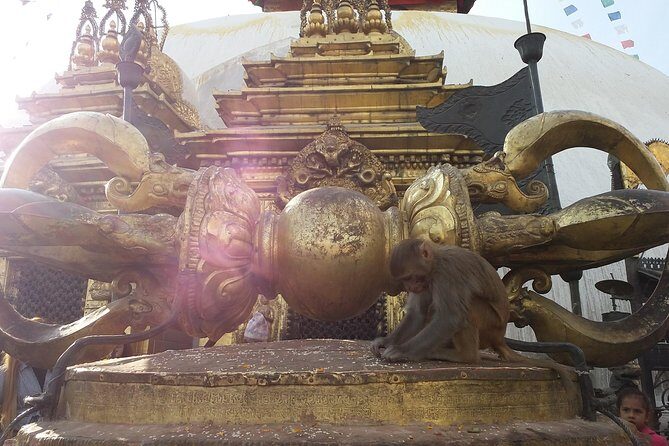
After breakfast, you hike down and then back up briefly toward Changunarayan Temple (also spelled Chagunarayan). The temple is described as old and artistic, and it’s listed as a UNESCO World Heritage site.
After temple time, you continue to Bhaktapur Durbar Square for sightseeing, then you take a car back to Kathmandu and are dropped at your hotel.
This final day is not just trekking. It’s the “close the loop” day: you finish your mountain portion and then swap to heritage and streetscapes.
Meals and Porter Support: The Quiet Superpowers
This trek is set up so you don’t spend your day thinking about where food will happen. All meals while you’re on the hike are provided, with lunch and dinner on day one, full meals on day two, and breakfast plus lunch on day three.
That’s more valuable than it sounds. When you’re walking for hours, hunger becomes a distraction. Being fed on schedule keeps your energy steadier and helps you enjoy the view moments instead of counting minutes until you eat.
Then there’s the porter system: the plan lists an English-speaking trekking guide and a porter, with 1 porter for every 2 trekkers. If you’re packing layers, rain gear, a camera setup, and a few personal items, it’s easy for your backpack to get heavy. A porter means you can keep more of your energy for the climb.
One more detail I like for comfort: the trek is built as a private trek for just you and your party. That matters on photo stops and breaks—nobody gets left behind and no one has to negotiate with a larger group about pacing.
Nagarkot Views: How to Get the Most From Sunrise and Sunset
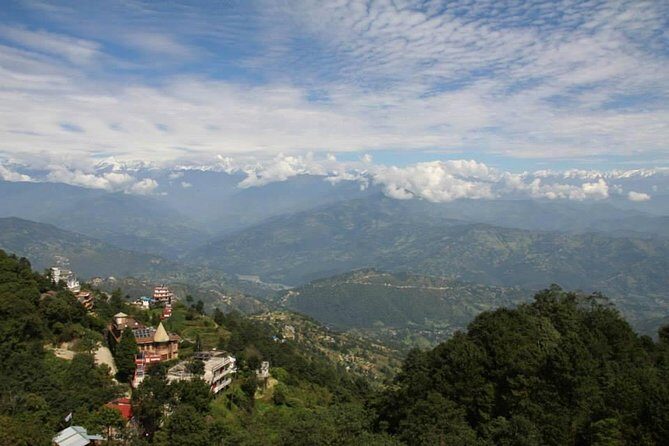
Nagarkot is where the trek earns its reputation. You’ll be at a vantage point where the Himalayas can appear across a long range. The plan explicitly calls out the Himalayan panorama stretching from Dhaulagiri to Everest and toward Kanchenjunga, which is a huge viewing arc if conditions cooperate.
You get two viewing chances:
- Sunrise early on day three
- Sunset from Nagarkot on day two
Two chances are smart. Mountain weather isn’t loyal. Sometimes clouds sit in the wrong place. Two attempts increase your odds of seeing something dramatic.
When you’re watching, dress like you mean it. Even if the day warms up later, hilltops can stay chilly early in the morning. Bring a warm layer and something wind-proof.
Also: keep your camera battery warm. Cold drains power fast up high.
Bhaktapur Durbar Square and Changunarayan Temple: Culture Without Detours
Most short hikes end with a quick drive and a meal in town. This one adds heritage time in a way that feels tied to the geography.
On day three:
- You hike to Changunarayan Temple, described as old, artistic, and UNESCO-listed.
- Then you visit Bhaktapur Durbar Square for sightseeing on the way back to Kathmandu.
Why this matters for you:
- It gives meaning to the final day beyond “just get back.”
- It turns the trip into a Nepal mix: hill trekking plus historic sites.
A practical thought: entrance fees aren’t included. So if you want to avoid surprises, plan a small budget for tickets at the sightseeing points.
If you like photos, these spots can be excellent. If you like learning, a guide can help connect what you see to how the area is used and remembered.
What to Pack (Based on a Trek of This Length)
You’re hiking about 4–6 hours day one and 6–7 hours day two, then doing a shorter but still active day three. That’s enough distance that “light packing” pays off, but you still need protection from weather and fatigue.
Pack basics you’ll actually use:
- A warm layer for Nagarkot sunrise
- A rain layer (mountain weather changes fast)
- Sturdy walking shoes with good grip
- A daypack for water and layers (and keep your luggage portion simple since a porter is involved)
- Sun protection (hat, sunscreen)
- A headlamp or small flashlight for the early morning start on day three
If you like comfort, bring a small personal item kit: blister prevention, basic meds, and tissues. The trek includes food and guide support, but personal care is still on you.
Who This Trek Suits Best (and Who Might Want Another Option)
This trek is described as suitable for most travelers. That’s fair, but “most” still means you should be ready to hike.
You’ll likely love it if:
- You want a short trek from Kathmandu with a real chance at Himalayan views
- You appreciate being looked after: English-speaking guide, porter support, meals handled
- You want both nature and culture: sunrise viewpoint plus UNESCO Changunarayan and Bhaktapur Durbar Square
You might want to think twice if:
- You have limited mobility or you expect a flat, easy walk
- You hate early mornings (sunrise viewing is part of the plan)
- You’re sensitive to uphill stairs and uneven trail sections
Also, the trek is private to your party, which can be great for comfort. It can also mean the hiking pace depends on you—so choose your group’s fitness level honestly.
Should You Book This Chisapani Nagarkot Trek?
If you want a three-day Nepal experience that feels complete—forest walking, village trails, a proper viewpoint payoff, and heritage stops—I think this trek is a strong choice.
Book it if:
- You want all hike meals included
- You like the idea of guide + porter doing the heavy lifting
- You care about sunrise and sunset views from Nagarkot
- You’re excited to add Changunarayan Temple and Bhaktapur Durbar Square rather than treating day three as travel-only
Skip it (or compare alternatives) if:
- Your ideal trek is very easy and you don’t want a day that’s around 6–7 hours
- You’d rather spend time only hiking and not mixing in temple and square sightseeing
In practical terms: this is good value when you factor in meals, permits, private transport, and the porter support. It’s a “nice structure, real scenery” trek, not a self-guided adventure where you’re solving problems every day.
FAQ
What meals are included on the trek?
All meals while you are on the hike are provided. The plan specifies lunch and dinner on day one, breakfast, lunch, and dinner on day two, and breakfast and lunch on day three.
How long are the hiking days?
Day 1 is about 4–5 hours walking (with a plan note of about 5–6 hours). Day 2 is about 6–7 hours walking. Day 3 includes sunrise time and a hike to Chagunarayan temple for a couple of hours.
Who will guide and help with luggage?
An English-speaking trekking guide leads the hike, and a porter helps with luggage. The porter support is listed as 1 porter for 2 trekkers.
What sightseeing is included on the last day?
On day three you visit Chagunarayan Temple and then Bhaktapur Durbar Square on the way back to Kathmandu, before being dropped at your hotel.
Are entrance fees included for temples and squares?
Entrance for sightseeing is not included. You’ll want to budget separately for temple or square entry fees if needed.
Can I cancel for a full refund?
Yes. You can cancel up to 24 hours in advance for a full refund. If you cancel less than 24 hours before the experience starts, the amount paid is not refunded.