REVIEW · KATHMANDU
Everest Base Camp Trek with Helicopter Flight Back
Book on Viator →Operated by Bold Himalaya Treks and Travels Pvt Ltd · Bookable on Viator
Everest is famous for being hard. This version is famous for being organized. You get the classic Everest Base Camp route, but you’re not stuck doing the long return trek because you’ll finish with a helicopter flight back to Kathmandu. Two things I really like are the smooth setup in Kathmandu with a proper briefing, and the fact that your trip includes the core logistics like flights, permits, and a trekking guide. One thing to watch: the details around the helicopter cost look split, so you’ll want to confirm exactly what’s included before you pay.
You’ll fly into the Khumbu via Lukla, walk through Sherpa villages and high-altitude valleys, and climb to big viewpoints like Everest View Hotel, plus the sunrise-ready push to Kala Patthar. It’s still a real trek at real altitude, just with a faster exit from the mountain. If you want the Everest feeling without spending extra days hiking downhill, this is a smart match.
In This Review
- Key highlights before you go
- A Faster Everest Plan: Trek In, Helicopter Out
- Price and logistics: what you get for $446.50
- Entering the Khumbu: Day 1 in Kathmandu and a real briefing
- Lukla flight and the downhill start to Phakding (Days 2–3)
- Namche to Everest View Hotel: the altitude lessons start early (Day 4)
- Tyangboche and Dingboche: bridges, monasteries, and prep for higher ground (Days 5–7)
- Lobuche: memorials on the route and glacier-close reality (Day 8)
- Everest Base Camp (Day 9): getting to 5,364m and overnight at altitude
- Kala Patthar sunrise and the helicopter finish (Day 10)
- Kathmandu comfort and the people factor: guide, manager, and practical care
- What to realistically expect on the trail
- Who this Everest Base Camp trek is best for
- Should you book this Everest Base Camp with helicopter flight back?
- FAQ
- How long is the Everest Base Camp trek with helicopter flight back?
- Where does the tour start?
- Does the trip include domestic flights?
- Are permits and park fees included?
- Is Kathmandu pickup included?
- What about the helicopter flight back to Kathmandu?
- What accommodation is included in Kathmandu?
- What trekking gear is provided?
- Are meals included during the trek?
- Is the tour private or group-based?
- What should you do if weather is bad?
Key highlights before you go
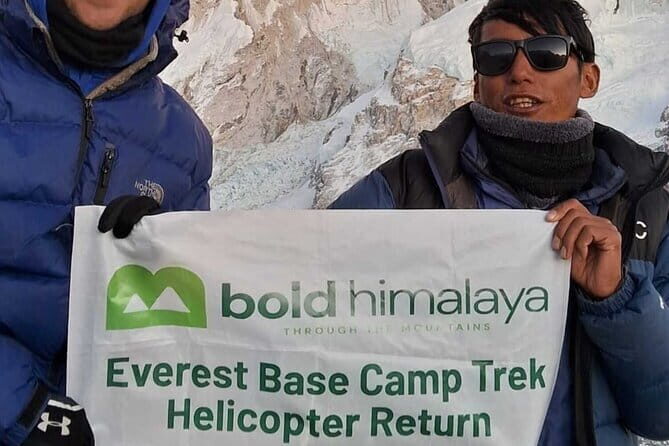
- Lukla flight to start: you’re in the mountains fast, with Himalaya views right from the cockpit window.
- Guide + permits handled: the package includes your trekking guide, TIMS, and national park/municipality entrance fees.
- Acclimatization built in: Dingboche’s prep day helps you adjust before you head higher toward Lobuche and Base Camp.
- Gear support included: you can receive a sleeping bag, down jacket, and trekking poles if you need them.
- A quicker finish: the itinerary is built around a helicopter hop back to Kathmandu after Kala Patthar.
- Comfort focus in Nepal: past travelers have praised Kathmandu and lodge comfort (including hot water) even when plans had to shift.
A Faster Everest Plan: Trek In, Helicopter Out
The big idea here is simple: you take the famous Everest Base Camp trail one way, then you fly out instead of walking back to Lukla. That changes the whole vibe. After you’ve spent days climbing and adjusting to altitude, it’s a relief to trade “another long trek day” for “big views, then transport.”
You’ll still do the serious parts. You’ll trek through key Khumbu towns like Phakding, Namche Bazaar, and Dingboche. You’ll reach high points like Everest View Hotel and (early!) Kala Patthar. But the helicopter option means you’re not adding extra fatigue just to get back to civilization.
That said, altitude fatigue doesn’t care how you travel out. You still need to pace well, drink water, and take acclimatization seriously. If you rush, the mountain will happily remind you.
You can also read our reviews of more hiking tours in Kathmandu
Price and logistics: what you get for $446.50
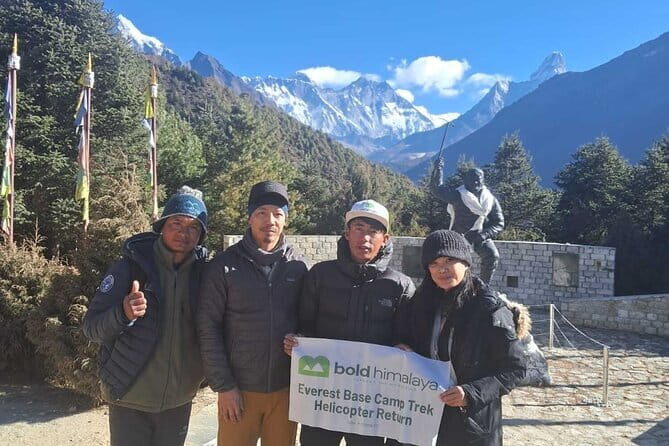
At $446.50 per person, this itinerary bundles a lot of the “hard to manage” parts of an Everest trip. Based on what’s included, you’re paying for a guided, supported trek with:
- A domestic flight from Kathmandu to Lukla (or Ramechap to Lukla, per itinerary logic)
- A Kathmandu hotel night (Twin sharing, breakfast included)
- Your trekking guide (with salary and insurance) plus meals during the trek
- National park and permit fees (Sagarmatha National Park, Pasang Lhamu Rular Municipality, and TIMS)
- Some seasonal fruit and dry nuts items on the trail
- Certain gear items if you need them (sleeping bag, down jacket, trekking poles)
- A cultural show and dinner program in Kathmandu
Where I get cautious is the helicopter. The itinerary clearly describes a helicopter flight back to Kathmandu after Kala Patthar. But the written “not included” section lists the helicopter flight from Gorak Shep to Kathmandu. That doesn’t mean the trip won’t happen. It means you should confirm the exact helicopter arrangement and cost breakdown with the operator before you book or finalize payment.
If the helicopter is truly included in your final quote, you’re getting strong value for saved trekking time. If it isn’t included, you’ll want to budget for it and make sure the schedule still matches the rest of your days.
Also note the trip is private (only your group), and pickup is offered in Kathmandu. That matters because Everest treks involve airport transfers, meeting points, and weather-based changes—things that go smoother when logistics are tight.
Entering the Khumbu: Day 1 in Kathmandu and a real briefing
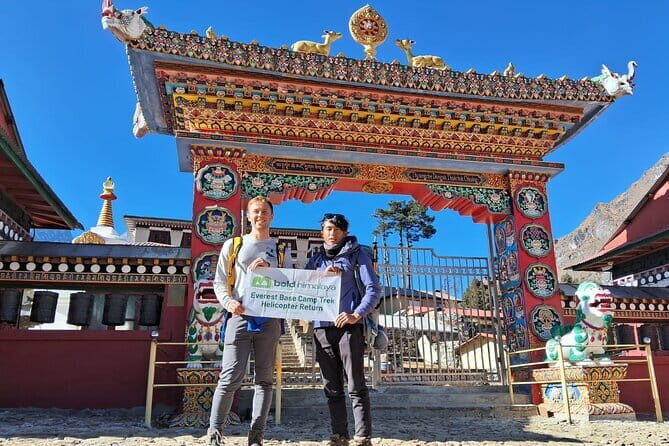
Day 1 is about getting you ready without wasting time. You arrive in Kathmandu, get picked up, and transfer to your hotel for your first night. Then you get an evening briefing to review what’s coming: trekking plan, timing expectations, and the reality of altitude.
This briefing part is underrated. Everest trips fail most often from confusion, not from lack of views. When your guide and team already explained what will happen next, you spend less energy guessing and more energy preparing your body.
If you’re the type who likes to ask questions, this is the moment. Ask about pace, water, what to do if you feel off, and how the schedule works if flights or weather get delayed.
Lukla flight and the downhill start to Phakding (Days 2–3)
You’ll fly from Kathmandu to Lukla, landing at one of the most dramatic airstrips in the region. Even when the flight is short, the views and the sense of place are big. Then the trekking starts downhill toward Phakding, passing through alpine forests.
This “first walk” matters. It’s not the hardest day, but it’s how you learn your rhythm. You’re testing footwear, checking your pack weight, and getting used to breathing on slope after slope. If you arrive tired, the first day will feel long. If you arrive calm, you’ll enjoy it.
On Day 3 you push toward Namche Bazaar, traveling through Sherpa villages and crossing the Dudhkoshi River on suspension bridges. Namche is where the trek starts to feel like Everest, not just “a hike in the mountains.” You’ll also start noticing how local life is shaped by altitude, weather, and trade.
A practical tip: Namche is also where you should pay attention to how you feel. If your head feels heavy or your appetite disappears, you don’t need to “tough it out.” Tell your guide early. You’re building a safe plan, not a fake tough-person story.
Namche to Everest View Hotel: the altitude lessons start early (Day 4)
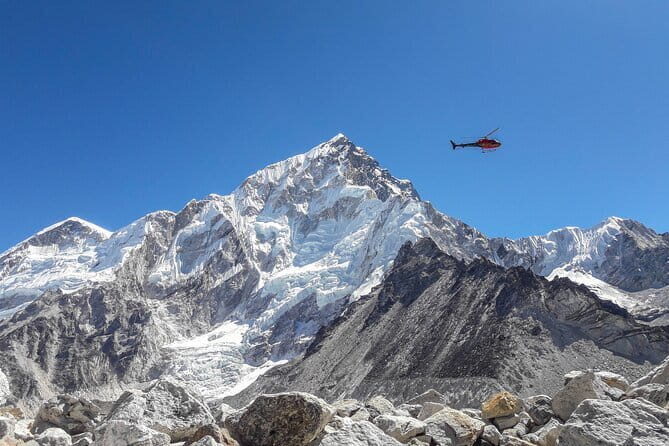
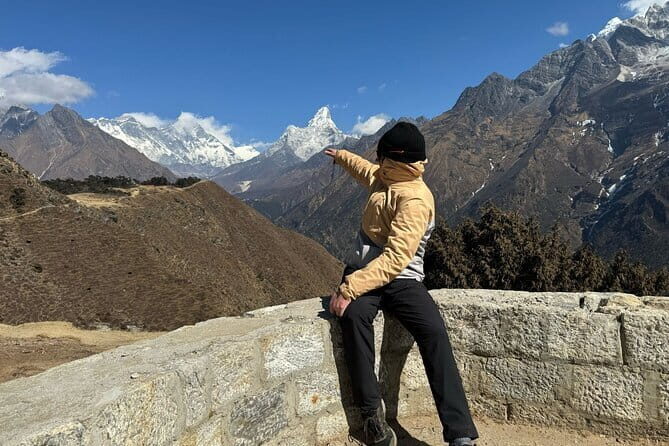
Day 4 gives you a rest-and-explore window in Namche, plus a specific hiking payoff: the climb to Everest View Hotel for panoramic views of Mount Everest. You’ll also have time to visit the Sherpa Museum, which is a good way to understand how people live with these mountains every day.
This is a key balance day: you’re not only “walking higher,” you’re also learning what you’re seeing. Everest isn’t just a point on a map. It’s culture, livelihoods, and a whole history of climbing and survival. Even a small museum visit can help your photos make sense later.
If you’re energy-minded, you can treat this as a “go slow up, rest properly down” day. The hotel viewpoint gives you huge payoff for a controlled effort—exactly the kind of day that helps most trekkers stay excited without overdoing it.
You can also read our reviews of more tours and experiences in Kathmandu
Tyangboche and Dingboche: bridges, monasteries, and prep for higher ground (Days 5–7)
Day 5 continues toward Tyangboche, including time for lunch near Phungi Thanga before pushing on. This is another classic Khumbu pattern: tea houses, short climbs, and mountain drama appearing through gaps in the trail.
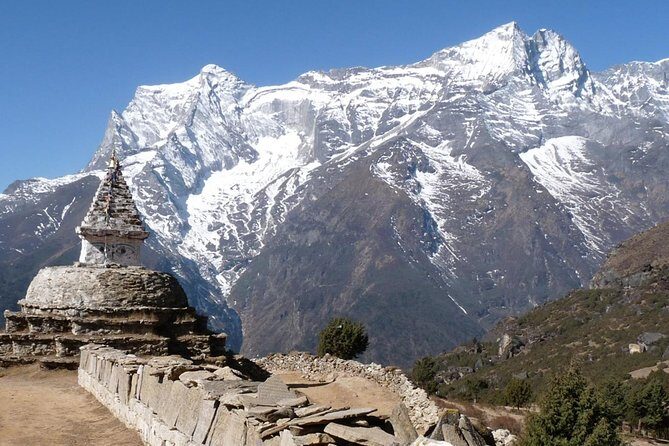
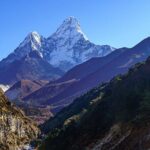
On the way, you’ll get big views of Everest and Lhotse and the surrounding peaks. The trek here is often about contrasts—walking through quieter villages, then looking up and realizing how enormous the terrain really is.
Day 6 shifts to Dingboche, crossing another suspension bridge over the Imja Khola and moving through rhododendron forests and villages like Pangboche and Somare. Dingboche is where many trekkers feel the altitude more. It’s not just the height. It’s also the cumulative fatigue.
Then comes Day 7, your preparation day for higher altitudes. You explore Dingboche Valley and hike up to Nagarjun Peak for acclimatization and 360-degree views. This is the “learn your body” day. Done right, it makes the next stages easier. Done too fast, it can set you back.
A simple strategy: keep your effort smooth. You should feel like you’re working, but you shouldn’t feel crushed. If you’re gasping or your heartbeat feels out of control, slow down immediately and tell your guide.
Lobuche: memorials on the route and glacier-close reality (Day 8)
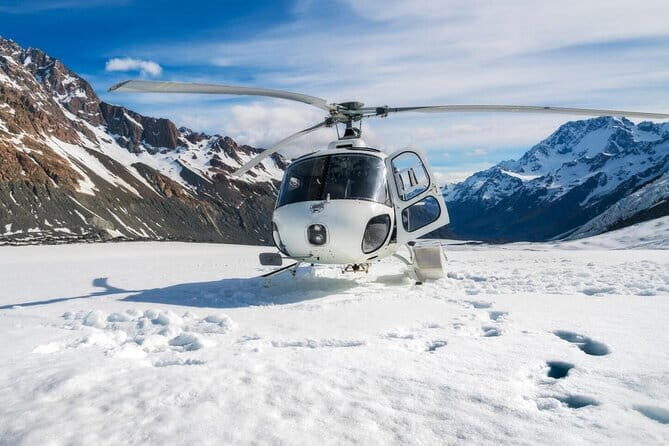
On Day 8 you head to Lobuche at about 4,940m, passing Thukla Pass with memorials to climbers. That emotional weight is part of the Everest experience, and it can also remind you that this is not a playground. The mountains are serious here.
You’ll reach Lobuche and spend time getting ready for the push toward Base Camp. The trek includes close-up views of glaciers, which can be breathtaking and slightly unsettling. Glacier terrain is beautiful, but it’s also a reminder that snow and ice are always moving.
This is also where you should be strict with pacing and hydration. If you’re feeling off, you don’t push harder to compensate. You follow your guide’s plan.
Everest Base Camp (Day 9): getting to 5,364m and overnight at altitude
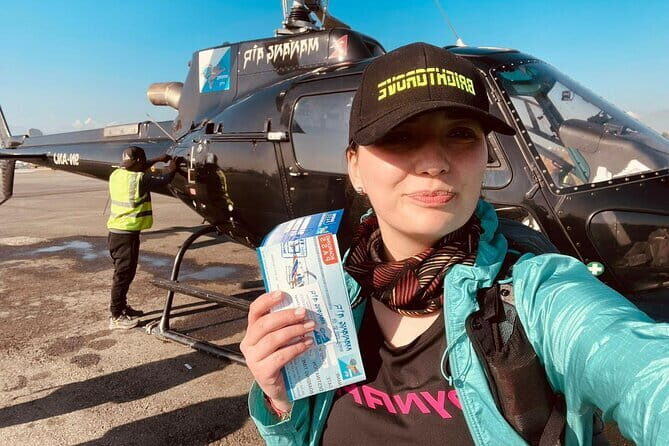
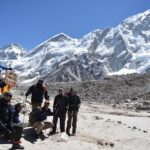
Day 9 is the main mission: trek to Everest Base Camp at 5,364m, then overnight in Gorak Shep. You also leave your gear at Gorak Shep, then continue to Base Camp. The big mental win here is reaching the place where the whole Everest story comes together.
You’ll also savor views of the Khumbu Icefall. Even when you see photos every year, standing near it is different. It’s huge, complex, and constantly changing. Your brain takes a while to catch up.
This day can be deceptively hard because you’ve climbed gradually, but you’re now hitting a higher altitude target. Go slow, stop when needed, and keep your breathing steady. The goal is to arrive intact, not to sprint.
Kala Patthar sunrise and the helicopter finish (Day 10)
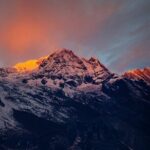
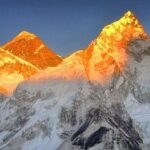
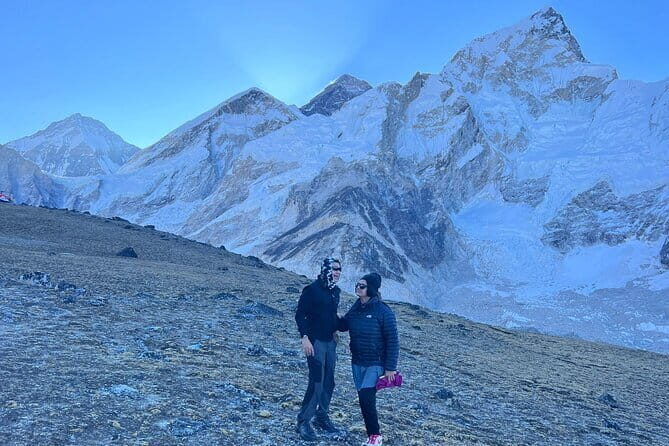
Day 10 is the emotional closer. You wake early for Kala Patthar (5,550m) for sunrise and panoramic Himalayan views. This is a classic “wake up now, smile later” climb. After sunrise views, you return to Gorak Shep.
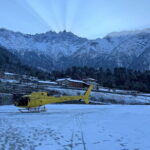
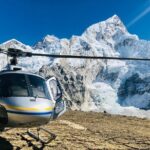
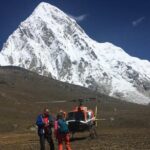
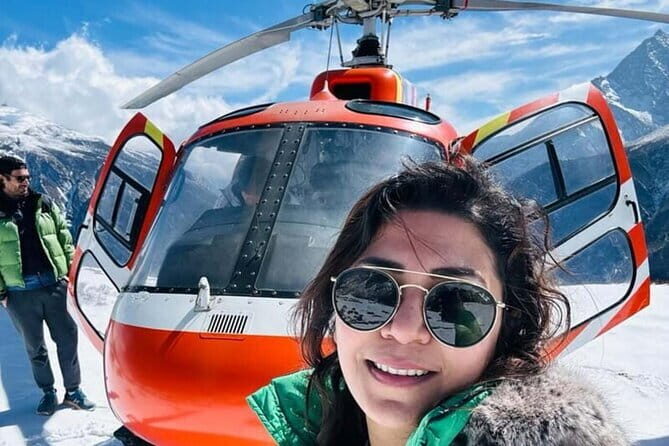
Then comes the big convenience: you board a helicopter flight to Kathmandu and transfer onward in Nepal.
This is where the helicopter is worth its weight in time. You’ve already earned the views with your legs. The helicopter lets you trade sore knees for a fast route back to comfort.
Just confirm two things:
1) The helicopter flight is really included in your package for your dates.
2) Your day-10 timing won’t fall apart due to weather. The experience notes that it requires good weather.
Weather is the mountain’s main boss. If conditions are poor, you may be offered a different date or a full refund, and that’s not bad news. It’s just reality on Everest.
Kathmandu comfort and the people factor: guide, manager, and practical care
The most praised part isn’t only the scenery. It’s the way the trip treats you on the ground.
Past trekkers have specifically praised accommodations in Kathmandu and the lodges along the route, including hot water and comfort even when conditions forced changes after cyclone remnants. Two to three changes due to unexpected circumstances can happen in Nepal, and it’s a sign of competence when the logistics still work.
On the human side, names like Surendra show up as a guide who focused on safety and staying determined to reach the end of the dream. Another name that’s mentioned is Uncle Doma Ghale, a porter who helped keep things moving and safe.
And if you’ve got lots of questions before you go, the manager Sobit has been described as attentive right from the first email. That pre-trip responsiveness matters because Everest trips require planning your health, your gear, and your expectations.
If you want good value, you don’t only shop for a cheaper price. You shop for the quality of the plan and the care behind it.
What to realistically expect on the trail
This is still a 10-day mountain trek with significant altitude. You’re not “just walking.” Even with the helicopter back, your body will work.
Expect:
- Days with 4–7 hours of trekking, depending on the day
- Regular crossings of suspension bridges and climbs between villages
- One or more acclimatization-focused days (especially Day 7)
- The need to follow your guide’s timing and pacing
- Cold mornings and early starts if you want views (especially for Kala Patthar)
Your fitness needs to be moderate, not couch-based. If you can handle consistent daily hiking at home, you’ll be in the right zone. If you want a “sit back and take a scenic train” kind of experience, this isn’t that.
Who this Everest Base Camp trek is best for
This option fits best if you:
- Want the classic Everest Base Camp goal, not an Everest tour that stays low
- Prefer a shorter overall itinerary because your schedule or knees need it
- Like having permits, flights, and planning handled for you
- Want a mix of viewpoint hikes (Everest View Hotel and Kala Patthar) and village trekking
- Appreciate comfort improvements in Kathmandu and lodge stays when conditions change
It might not fit if you:
- Are hoping for a guarantee that every flight and helicopter hop will happen on schedule (weather controls this)
- Want full transparency that helicopter costs are already baked into your final payment—so you’ll need to confirm
Should you book this Everest Base Camp with helicopter flight back?
If you want a strong middle ground—real Everest trek, but fewer extra hiking days on the return—this is a compelling plan. The inclusion of your guide, permits, meals, and key gear items makes it easier to execute without scramble. And the helicopter finish is a smart way to reduce end-of-trip fatigue.
My advice: before you book, confirm the helicopter detail for your specific dates. The itinerary says you’ll take a helicopter from Gorak Shep, but the fine print lists that flight as not included. Once that’s clear, you’ll be able to plan budgets and timeline with less stress.
FAQ
How long is the Everest Base Camp trek with helicopter flight back?
The duration is listed as about 10 days.
Where does the tour start?
The meeting point is at Tribhuvan Airport in Kathmandu, Nepal.
Does the trip include domestic flights?
Yes. It includes a domestic flight from Kathmandu to Lukla (or Ramechap to Lukla) according to the itinerary.
Are permits and park fees included?
Yes. The package includes Sagarmatha National Park entrance fees, Pasang Lhamu Rular Municipality entrance fee, and TIMS.
Is Kathmandu pickup included?
Yes. Pickup is offered.
What about the helicopter flight back to Kathmandu?
The itinerary describes a helicopter flight back to Kathmandu after Kala Patthar, but the not-included section lists the helicopter flight from Gorakshep to Kathmandu. You should confirm what is actually included in your final price.
What accommodation is included in Kathmandu?
One night in Kathmandu at Hotel Thrive or similar, twin sharing with breakfast included.
What trekking gear is provided?
The package includes a sleeping bag, down jacket, and trekking poles if you need them. It also includes a duffle bag, cap, and a trip certificate.
Are meals included during the trek?
Yes. Breakfast, lunch, and dinner counts are listed in the included section (breakfast 9, lunch 8, dinner 8).
Is the tour private or group-based?
It’s described as a private tour/activity, with only your group participating.
What should you do if weather is bad?
The experience requires good weather, and if canceled due to poor weather you’ll be offered a different date or a full refund.