REVIEW · KATHMANDU
Kathmandu Full Day Exploration
Book on Viator →Operated by Treklanders Adventures · Bookable on Viator
Four UNESCO stops, one smooth Kathmandu day. This full-day route is interesting because you see Kathmandu’s sacred side and everyday life in the same outing, moving from a royal square to a hilltop stupa, then to one of Nepal’s most famous Buddhist sites and finally a major Hindu temple. I especially like the professional guide explanations that turn architecture into real-world meaning, and the hotel pickup with air-conditioned vehicle that saves you from guessing your way through traffic and road conditions. The one drawback to plan for is that entrance fees are extra, and lunch isn’t included.
I also like that the day is structured enough to feel efficient, but not so rushed that you only glance and leave. In guide-led versions, names like Anshu and Pravin have come up for clear teaching on Hinduism and Buddhism, and Rajesh has been praised for getting everyone there safely and comfortably.
In This Review
- Key Highlights Worth Knowing
- Why an 8:00 Start Makes This Kathmandu Day Feel Easier
- Kathmandu Durbar Square: Where Royal Power Meets Daily Craft Work
- Swayambhunath: A Hilltop Stupa with Meaning for Buddhists and Hindus
- Boudhanath Stupa: How Ritual and Art Turn a Square into a Living Temple
- Pashupatinath Temple: Major Hindu Worship by the Bagmati River
- Price and Value: What $80 Covers (and What Adds Up)
- Timing, Transportation Comfort, and How to Dress for Temples
- Who This Tour Fits Best (and Who Might Want a Different Plan)
- Should You Book This Kathmandu Full Day Exploration?
- FAQ
- What time does the Kathmandu full day exploration start?
- How long is the Kathmandu UNESCO day tour?
- Are entrance fees included in the price?
- Is lunch included?
- What is included in the tour price?
- Is pickup and drop-off available?
- Is this tour private or shared with other groups?
- Can I cancel and get a full refund?
Key Highlights Worth Knowing
- A guide who connects what you see to what people believe at each site
- Hotel pickup and drop-off plus an air-conditioned vehicle for the ride between stops
- Four major UNESCO-area icons spread across the city and valley
- Reasonable time blocks (about 2 hours, 1 hour, 2 hours, 2 hours) to actually look, not just pass through
- Mobile ticket option that keeps the paperwork simple
Why an 8:00 Start Makes This Kathmandu Day Feel Easier
You begin at 8:00 am, which matters more than you might think in Kathmandu. Early hours help you beat the worst crowds at the major religious landmarks, and it also gives you more daylight for views and for moving between sites without feeling panicked about time.
This tour is built around a single day, roughly 7 hours, and the stops are designed to cover the city’s big spiritual and historical anchors. That makes it a solid choice if you only have a short stay and want meaningful sightseeing instead of a half-day of driving and photo stops.
The other comfort factor is the way the day moves: you get private transportation in an air-conditioned vehicle with hotel pickup and drop-off. Kathmandu can be busy and traffic can be unpredictable, so having a driver and a plan reduces stress. If you’re sensitive to long walks or you’re simply tired after a flight, that comfort is real value.
Finally, I like the tour’s “only your group” setup. It’s listed as a private tour/activity, which generally means you’re not stuck waiting for a big mixed group with different interests and paces.
You can also read our reviews of more tours and experiences in Kathmandu


Kathmandu Durbar Square: Where Royal Power Meets Daily Craft Work
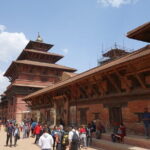
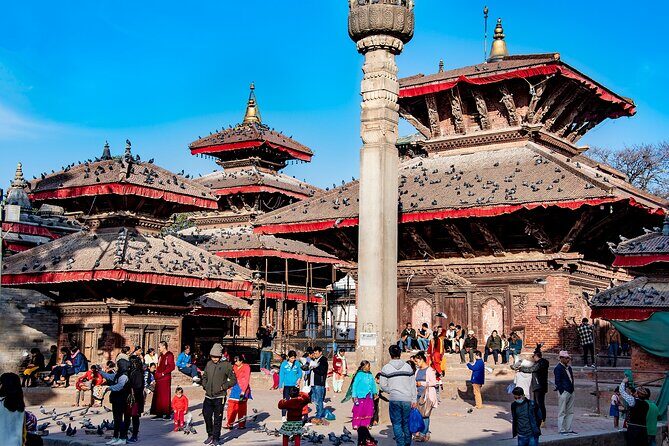
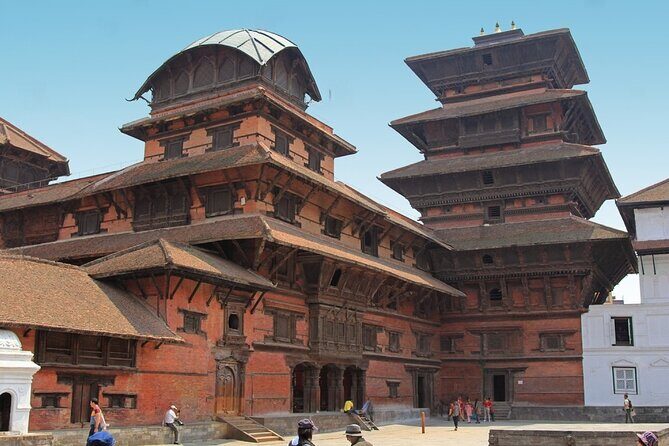
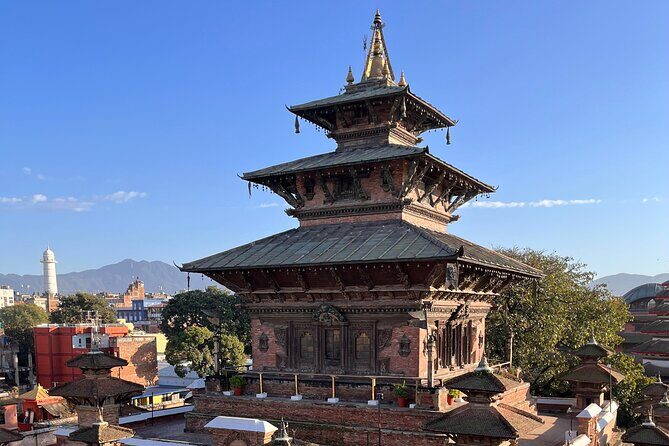
Your first stop is Kathmandu Durbar Square, also called Hanuman Dhoka Durbar Square. This place is often where people get their bearings because it’s not just a single monument. You’re stepping into a whole architectural area where stone, wood, carving, and open courtyards show how the city’s power and culture have been shaped over time.
Even if you’re not an “architecture-only” traveler, this stop helps you understand why Kathmandu feels layered. The square connects monuments with street life, so you can look at the details and then glance toward the human rhythms around you.
One practical note: the visit is listed at about 2 hours, and that time is useful. You’ll have enough room to walk the edges, pause for key structures, and let your guide explain what you’re looking at. Durbar Squares can feel busy visually, so a guide really helps you avoid the classic problem of seeing everything and remembering nothing.
What I like most about starting here is the mental setup. Once you’ve seen the Durbar Square style of temples and courtyards, the next sites start to make more sense—especially when you hear how different faith traditions share symbols while still feeling distinct in practice.
Swayambhunath: A Hilltop Stupa with Meaning for Buddhists and Hindus
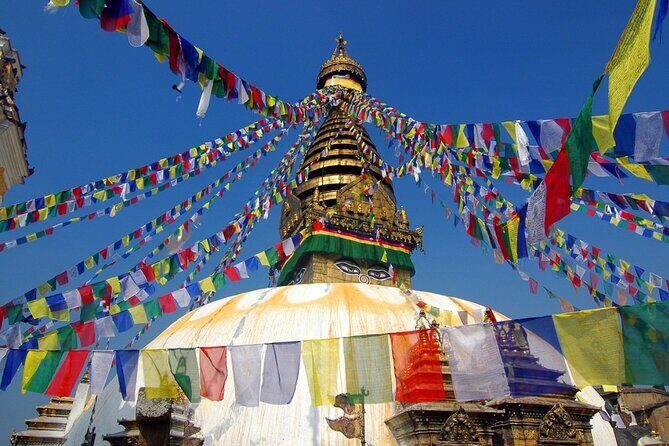
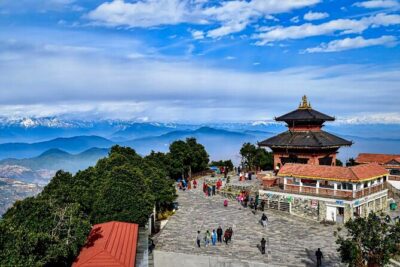
Next you head to Swayambhunath, a sacred pilgrimage site for both Buddhists and Hindus. It’s known for being especially important to Buddhists, including stories about relics connected to the Buddha. For Hindus, the site’s symbolism and worship patterns also matter, so it’s a good place to understand how belief systems can overlap in visible ways.
This stop is scheduled for about 1 hour, which can feel short, but it’s often the right amount for a hilltop site—because you’ll be moving, looking upward, and taking in the views. You can expect a strong “watch and learn” vibe here: people pray, families pose for photos, and the stupa environment is active even when you’re not sure what every ritual means.
Drawback to consider: hilltop sites usually require walking and stairs. The tour listing doesn’t spell out accessibility details beyond saying most travelers can participate, so if you have mobility limitations, you’ll want to take it seriously. Even healthy travelers can find the steps tiring when you add sun, altitude, and time pressure.
Still, I think this stop is a great pivot point in the day. After Durbar Square’s historical layouts, Swayambhunath gives you a different angle on sacred space: elevated, visible from afar, and designed for pilgrimage. And if you get a good guide, this is where explanations start to click.
Boudhanath Stupa: How Ritual and Art Turn a Square into a Living Temple
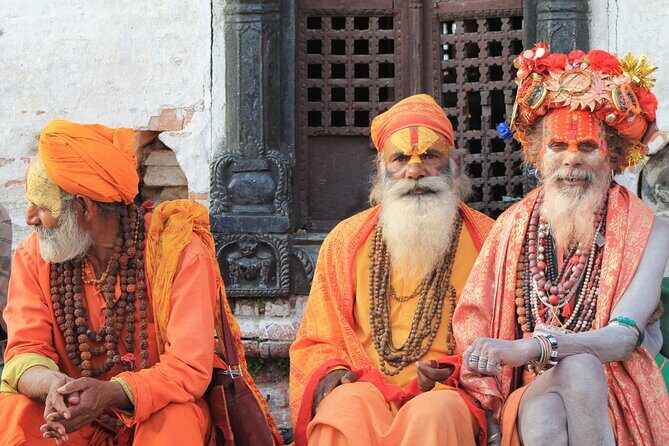
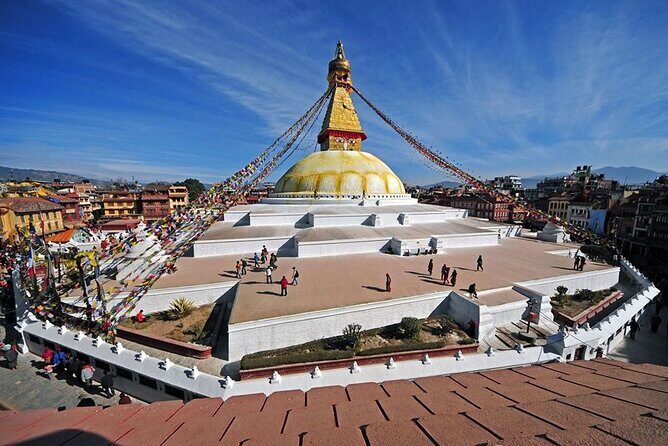
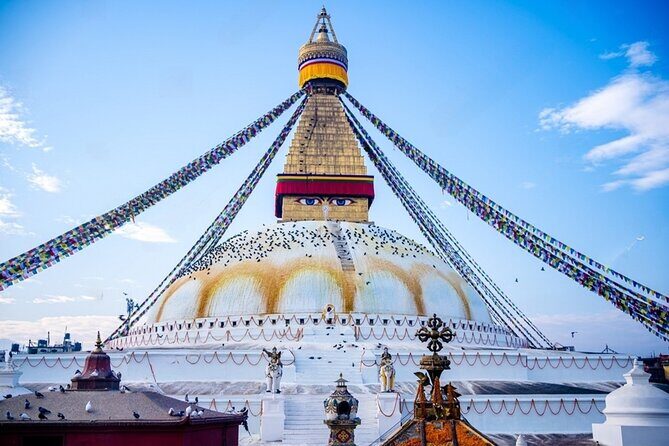
Then comes Boudhanath Stupa, also called Boudha or Bouddhanath. This is one of Kathmandu Valley’s most iconic Buddhist landmarks, and it’s powerful because it’s not only about architecture. It’s about how people use the space—how faith shows up in routine actions.
The tour gives you about 2 hours here, which is the right length for Boudhanath. You’re not just looking at a massive stupa from one spot. You’ll have time to slow down, watch worship patterns, and appreciate the surrounding cultural context.
This stop is also where the guide-led teaching tends to pay off. One guest highlight emphasized how the guide took time to explain aspects of Buddhism and Hinduism, and that kind of context makes Boudhanath feel more than a “beautiful structure.” You start noticing symbolic details and understanding why certain areas feel like the heart of daily practice.
One note for your expectations: religious sites in Kathmandu often come with a lot happening at once—people praying, families moving through, and constant activity around the stupa. If you’re easily overwhelmed by crowd movement, pick a calmer moment during your visit to sit, look, and let the stupa environment settle in.
If you like cultural depth over quick sightseeing, this is one of the strongest stops in the day.
Pashupatinath Temple: Major Hindu Worship by the Bagmati River
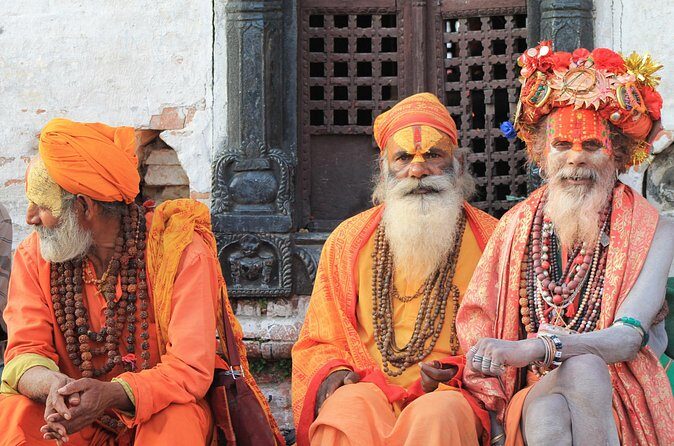
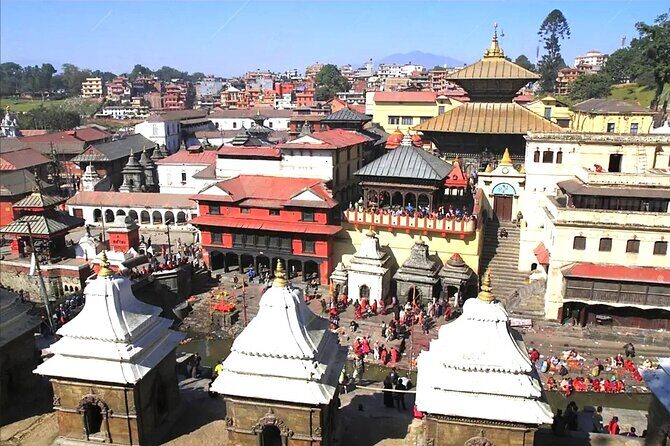
The final stop is Pashupatinath Temple, located by the Bagmati River. It’s described as one of the most revered and sacred Hindu temples in the world, and the temple complex is a serious spiritual center rather than just a tourist landmark.
You have about 2 hours at Pashupatinath, which helps because this is not a place you understand in five minutes. Hindu temple complexes can be dense with meaning, and what you notice first (the river setting, the architecture, the ongoing devotion) becomes deeper once your guide starts explaining what’s going on.
This is also where you may see a wider range of religious rituals and prayers. The tour description explicitly points to spiritual experiences at stops like Pashupatinath and Boudhanath, and that’s exactly why this day works as a whole. You’ll see two major religions and feel how sacred practice creates different kinds of atmosphere in the same city.
A possible consideration here is emotional and sensory. If you’re sensitive to ritual spaces, river activity, incense smells, and the intensity of devotion, give yourself mental space. You don’t need to look at everything—your guide can help you understand what’s respectful to observe and where you can step back.
For me, the reason Pashupatinath lands so well in a single-day circuit is that it closes the loop: you started with Kathmandu’s historic core, moved through pilgrimage culture at Swayambhunath and Boudhanath, and end at a center of living Hindu practice.

Price and Value: What $80 Covers (and What Adds Up)
The tour price is $80.00 per person for about 7 hours. For Kathmandu, that’s a fair “structured day” cost because you’re paying for more than sightseeing.
Here’s what’s included:
- Private transportation
- Professional tour guide
- Air-conditioned vehicle
- Hotel pick up/drop off
Those items matter because they remove friction. The guide saves you from guesswork at complicated sacred sites, and the vehicle saves you energy and time between widely separated landmarks.
What isn’t included is where your budget needs attention:
- Lunch
- Entrance fees listed as USD 26 for the four attractions
That means your real “all-in” cost is closer to $80 + $26, plus lunch. If you plan to eat during the day anyway, that’s fine, but if you were imagining a totally fixed spend, now you know better.
Still, I’d call the value strong—especially if you care about understanding what you’re seeing. The best part of this kind of UNESCO day isn’t just ticking off temples. It’s getting explanations that turn your photos into memories you can actually place.
Timing, Transportation Comfort, and How to Dress for Temples
A single-day Kathmandu tour works only if you’re prepared for comfort and rules at sacred sites. The listing doesn’t give clothing guidance, so I’ll stick to what you can safely assume in Nepal’s major temple environments: plan for respectful attire and comfortable footwear.
Since you’ll walk and likely climb at least some steps (Swayambhunath especially), choose shoes that handle uneven ground and long standing times. If you wear flip-flops, you’ll regret it quickly here.
Hydration matters too. You’ll spend hours between stops, and Kathmandu mornings can shift quickly. Carry water if you can, especially since lunch isn’t included, so you’ll be eating on your own schedule.
The air-conditioned vehicle is a nice break between stops. Use that time to cool down, organize your camera/phone, and let your guide steer the next leg of the day.
Also, because you’ll be in religious spaces, don’t plan on rushing your photos. Give yourself time to look first, then photograph. If you try to reverse that order, you’ll miss the meanings your guide is sharing.
Who This Tour Fits Best (and Who Might Want a Different Plan)
This tour is a good fit if you want:
- a full-day introduction to Kathmandu’s most important UNESCO-area religious and historical sites
- a guide who can explain Hinduism and Buddhism in clear, practical terms
- the comfort of hotel pickup and drop-off plus an air-conditioned car
It’s also listed for most travelers, and the tour is private, so it can work well for couples, small friend groups, and anyone who doesn’t want a chaotic group pace.
You might want to think twice if:
- you need step-free routes or have mobility concerns, since Swayambhunath is a hilltop pilgrimage site
- you’re only interested in the shortest possible visits and dislike longer temple observations
- you’re expecting lunch and entrance fees to be included in the base price
If you’re traveling with kids, this day can still work, but you’ll need flexible attention and patience. Two-hour temple blocks can be long for younger travelers, so plan snacks and breaks as you go.
Should You Book This Kathmandu Full Day Exploration?
If you want a structured way to see four major sacred landmarks in one day, I’d say yes, this is worth booking. The value is strongest when you take the guide seriously—because the day becomes much more than photos. Names like Anshu and Pravin being singled out for helpful explanations is a good signal that the teaching side is a real part of the experience.
However, make your decision with a clear budget. Entrance fees (listed as USD 26 for the four attractions) and lunch not being included can change what you end up paying. If you’re comfortable handling that, you’ll likely enjoy the day more.
If you’re booking for a short Kathmandu stay, this is exactly the kind of “best-of” day that helps you understand the city fast. If you already know you want slow wandering and deep solo time at one site, you might prefer a lighter plan. But for a first trip, this hits a practical sweet spot.
FAQ
What time does the Kathmandu full day exploration start?
The tour start time is 8:00 am.
How long is the Kathmandu UNESCO day tour?
It runs for about 7 hours.
Are entrance fees included in the price?
No. Entrance fees are not included. The listing notes USD 26 for the four attractions.
Is lunch included?
No. Lunch is not included.
What is included in the tour price?
The included items are private transportation, a professional tour guide, an air-conditioned vehicle, and hotel pick up/drop off.
Is pickup and drop-off available?
Yes. The tour offers hotel pickup and drop-off.
Is this tour private or shared with other groups?
It’s a private tour/activity, meaning only your group participates.
Can I cancel and get a full refund?
Yes. Free cancellation is available up to 24 hours in advance for a full refund. The experience also requires good weather, and if it’s canceled due to poor weather you’ll be offered a different date or a full refund.