REVIEW · KATHMANDU
Kathmandu: Full Day Top 4 UNESCO Tour with Lunch – Private/Group
Book on Viator →Operated by Relax Getaways · Bookable on Viator
Four UNESCO stops, one tight itinerary.
This Kathmandu Valley tour is a smart way to get oriented fast, with an English-speaking guide who can explain what you’re looking at and a ready-to-go lunch box so your day stays on schedule. The big thing to plan for: monument entrance fees aren’t included (budget about $20 per person on top of the tour price).
I also like the mix of Hindu and Buddhist sites in a single route, so you don’t just see buildings—you see how people actually use sacred space. Expect roughly 5 to 6 hours with hotel pickup and drop-off by air-conditioned vehicle, which is a real quality-of-life win when Kathmandu traffic can be unpredictable.
In This Review
- Key things to know before you go
- A first-time Kathmandu day plan that doesn’t feel rushed
- Swayambhunath Monkey Temple: the hilltop start that sets the tone
- Patan Durbar Square in Lalitpur: Newari art you can read
- Pashupatinath Temple on the Bagmati: real rituals, real respect
- Boudhanath Stupa: Tibetan Buddhism and a calmer pace
- The included lunch box (and how it affects your day)
- Entrance fees: the part that can change the real cost
- Private vs group: same route, different feel
- Guide skills: why interpretation matters at UNESCO sites
- Timing and photo strategy so you’re not stuck waiting
- Who this tour suits best (and who might skip it)
- Should you book the Kathmandu Top 4 UNESCO Tour?
- FAQ
- What UNESCO sites are included on this Kathmandu tour?
- How long is the tour, and what time of day does it run?
- Is hotel pickup and drop-off included?
- Are entrance fees included in the tour price?
- What’s included in the lunch box?
- Is there free cancellation?
Key things to know before you go
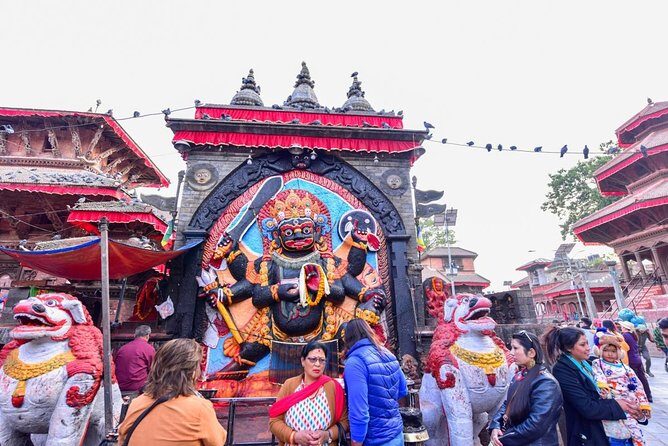
- Top 4 UNESCO stops in one day: Swayambhunath, Patan Durbar Square, Pashupatinath, and Boudhanath
- Hotel pickup and drop-off included: you don’t waste time hunting for meeting points
- Lunch box is included: bottled water plus a mix of sweet and fruit items
- Entrance fees are extra: plan around the stated $20 per person charge
- English guide interpretation: praised for history and practical explanations (including guides like Asmi, Suresh, and Razz)
- Private or group format: only your group participates, but you can choose the vibe and cost
A first-time Kathmandu day plan that doesn’t feel rushed
This is the kind of tour that works best on your first real sightseeing day. You get four major UNESCO World Heritage sites without having to figure out routing, timing, or who sits where for photos. The day runs about 5 to 6 hours, and the pace is built around short, meaningful time at each stop rather than long lingering everywhere.
For you, that usually means two wins. First, you’ll spend your energy on the places that matter most. Second, you’ll learn enough from your guide that later, when you return on your own, you’ll notice details instead of just taking pictures.
The trade-off is also simple: this is not a slow, wandering day. If you love staying in one temple area for hours, you might find the transitions a bit quick. Still, for an efficient “see the icons and understand them” day, the structure is solid.
You can also read our reviews of more private tours in Kathmandu

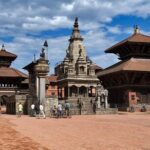
Swayambhunath Monkey Temple: the hilltop start that sets the tone
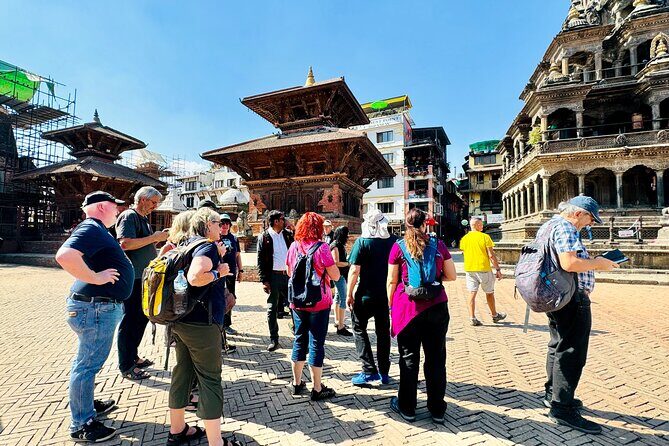
Swayambhunath is often called the Monkey Temple for a reason—there’s a lot of activity around the stupa area—but the real draw is the spiritual setting and the wide city views. The stupa sits on a hill above Kathmandu, and from there you get the classic “you’re in the Kathmandu Valley” perspective quickly.
You’ll spend about an hour here, and that’s enough to do the essentials: walk the stupa area, look up at the symbolic details, and take in the famous Buddha-eyes concept that’s part of the design. The good news is that the admission ticket for this stop is listed as free, so this can be a lower-friction start compared with the rest of the circuit.
Practical consideration: this is a high-visibility spot, so if you want clear photos, plan for people moving around the stupa walkways. Your guide can help you pick moments to step aside and get pictures without turning it into a full production.
Patan Durbar Square in Lalitpur: Newari art you can read
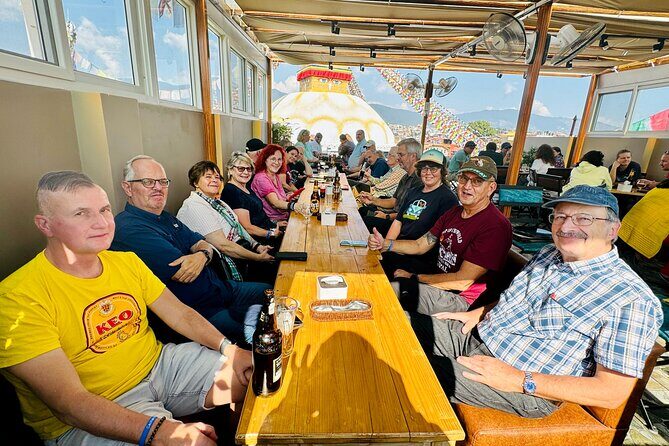
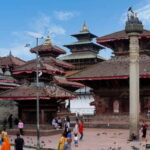
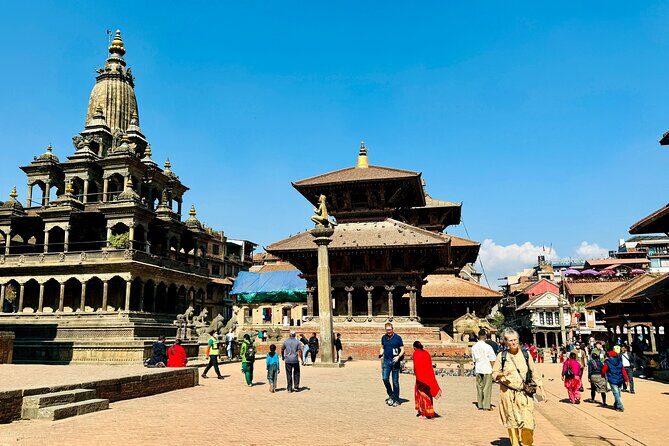
Next up is Patan Durbar Square in Lalitpur. This stop feels a bit different from the hilltop experience because you’re in an urban square packed with architecture and craft tradition. If you like seeing how a culture builds and decorates sacred and civic space, you’ll likely appreciate the Newari style here.
You’ll get about 1 hour 30 minutes, which is a little more time than the first and last stops. That extra time helps because you can shift from big-picture views of the square to closer looks at carvings and building details.
Here’s the trade you should expect: entrance fees are not included for this monument, so you’ll pay separately (part of the overall “entrance fees extra” situation). The value comes from how much you can observe in that time window. If you want your day to feel educational rather than just checklist sightseeing, this is one of the better places to slow down visually.
Pashupatinath Temple on the Bagmati: real rituals, real respect
Pashupatinath is one of the holiest Hindu temples in the world, dedicated to Lord Shiva, and it sits along the Bagmati River. Even if you don’t follow Hinduism, you’ll likely feel the solemn focus of the place. The atmosphere is shaped by ritual activity, and that makes the stop more than just architecture.
You’ll spend about an hour here. That hour typically works well because you can step back, observe the flow of worshippers, and still have time to ask your guide what’s happening and why.
A key consideration: because this is an active sacred site, your behavior matters. Keep your voice down, avoid blocking pathways, and ask your guide about where you can stand for photos without disrupting people. The best tours here are the ones where you’re both curious and careful.
Also note: entrance fees are not included at Pashupatinath in the pricing details, so plan for that extra cost as you go.
Boudhanath Stupa: Tibetan Buddhism and a calmer pace
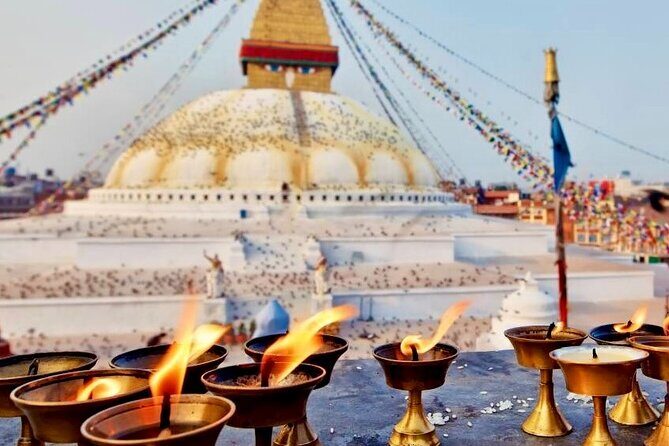
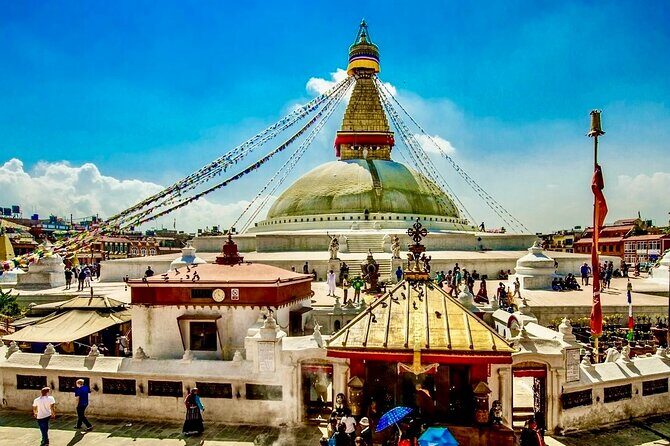
Boudhanath Stupa is the final stop, and it’s a strong closer. The structure is massive, and it’s recognized as one of the largest stupas in the world. It’s also a major Tibetan Buddhist cultural center, so the mood often shifts from Hindu temple intensity into a more meditative rhythm.
You’ll have about an hour here. Use that time to do two things: watch how people move around the stupa area, and notice the details that make this stupa different from the one at Swayambhunath. This is the stop where many people find their headspace after three more intense earlier sites.
Entrance fees also apply here (not included in the tour price), so you’ll likely pay the same day for monuments. The upside is that by the end of your route, you’ll have context for what you’re seeing, so the stupa doesn’t become just a photo target—it becomes a cultural space with meaning.
You can also read our reviews of more tours and experiences in Kathmandu


The included lunch box (and how it affects your day)
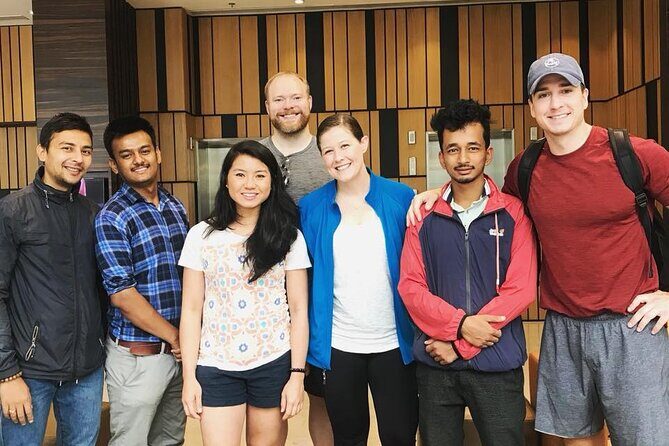
One reason this tour can feel smoother than DIY sightseeing is food planning. You’re provided a lunch box plus bottled water (500 ml) with items including a muffin, donut, banana, seasonal fruit, and juice. That’s not a fancy local restaurant lunch, but it’s practical—especially when your day is booked around specific site timings.
If you choose the all-inclusive option, the pricing details indicate it can include food and soft drinks, plus entrance fees and a Khana set or choice of dishes. For you, that can be the difference between a clean “one price” day and one where you handle cash for monument entry while you’re already tired and hot.
Bottom line: if you hate surprise add-ons mid-day, the all-inclusive option is easier. If you’re comfortable budgeting entrance fees and prefer flexibility, the standard option can still be good value.
Entrance fees: the part that can change the real cost
The tour price is listed as very low, but the total you pay in practice depends on entrances. The key line is straightforward: entrance fees to the monuments are not included and must be paid by guests directly, stated as $20 per person.
That means your realistic budget for the main sightseeing costs should include the tour price plus that entrance fee amount. If you’re traveling as part of a group, your guide/driver should be able to keep things organized, but you’ll still want to have the money ready to go so you don’t slow the group.
If you’re a SAARC national, there’s also a separate fee noted: USD 12 total. That applies for group and private tour options.
Private vs group: same route, different feel
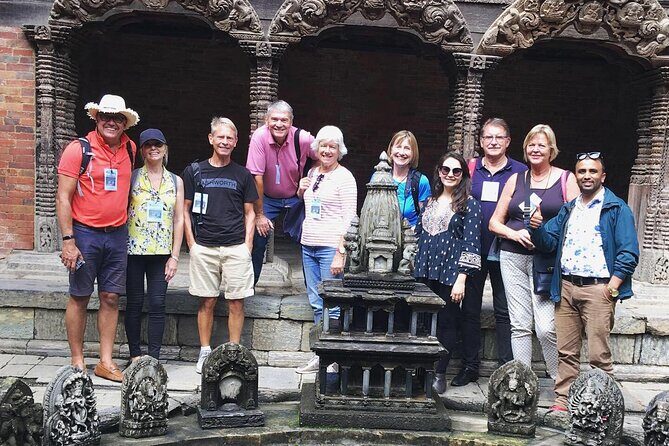
This experience is offered as a private or group tour. Both options cover the same core UNESCO circuit, but the vibe changes.
A group format can be cost-effective and social. You’ll likely move at a shared pace, which helps keep the day on track. The downside is you may have fewer chances to linger exactly where you want.
A private format is better if you want flexibility for questions, photo time, and the exact order you prefer—within reason, of course. In the feedback, guides have been praised for creating time for exploration and answering questions on the spot, which tends to land better in a private setting.
Guide skills: why interpretation matters at UNESCO sites
At these four stops, the “what” is easy. The “why” is the real value. The tour includes an English-speaking professional guide, and the feedback on guides like Asmi, Suresh, and Razz highlights a common strength: they can explain Buddhism and Hinduism in a way that makes the sites feel less like labels and more like lived tradition.
What you should look for from your guide during the day:
- clear explanations you can understand quickly
- practical guidance on where to stand and how to move through crowds
- answers to questions that come up naturally as you notice details
If you’re the kind of person who likes learning while you travel, you’ll feel the benefit immediately—especially at Pashupatinath and Boudhanath, where the everyday ritual context changes how the sites land.
Timing and photo strategy so you’re not stuck waiting
With a 5 to 6 hour schedule and time allocated roughly one hour at most stops (plus 1.5 hours at Patan Durbar Square), your best photography strategy is simple: plan to take wide shots first, then switch to details once the area clears.
Here are practical moves that usually help:
- start each stop with one broad view to lock in your framing
- ask your guide for a good spot before you start close-up shots
- take photos of stupa details and carvings during your “slower” moments at Patan, since you have more time there
Also, you’ll be in and out of places with active visitors. If someone blocks your shot, don’t argue. Step aside, wait, and let the movement pass. It’s not only polite—it usually gives you better photos.
Who this tour suits best (and who might skip it)
This tour fits well if you:
- want an efficient introduction to Kathmandu Valley UNESCO sites
- like a structured route with hotel pickup and an included lunch box
- want an English guide to explain Hindu and Buddhist sites in practical terms
You might want to consider a different pace if you:
- hate paying separate entrance fees mid-day
- want deep time at one site rather than sampling four
- plan to do lots of extra independent stops in the same window
Should you book the Kathmandu Top 4 UNESCO Tour?
I think this is a strong choice when you want maximum orientation in minimum hassle. The big pros are the four major UNESCO stops, the English-speaking guide support, and the convenience of hotel pickup with air-conditioned transport plus an included lunch box.
The only real hesitation is cost reality: the tour price is one number, but entrance fees add another line item. If you budget for the stated monument fees from the start, that worry disappears.
If you’re visiting for the first time and want your day to feel purposeful, I’d book it—especially in either private or group format depending on your comfort with pacing. If you prefer total spending control, check whether the all-inclusive option matches your style.
FAQ
What UNESCO sites are included on this Kathmandu tour?
The tour visits four UNESCO World Heritage sites: Swayambhunath (Monkey Temple), Patan Durbar Square, Pashupatinath Temple, and Boudhanath Stupa.
How long is the tour, and what time of day does it run?
The duration is listed as about 5 to 6 hours.
Is hotel pickup and drop-off included?
Yes. Pickup from and drop-off to your hotel are included by private vehicle.
Are entrance fees included in the tour price?
No. Entrance fees for sightseeing monuments are not included and must be paid by guests directly. The listed entrance fee is $20.00 per person.
What’s included in the lunch box?
The lunch box includes bottled water (500 ml), a muffin, donut, banana, seasonal fruit, and juice.
Is there free cancellation?
Yes. You can cancel up to 24 hours in advance of the experience for a full refund.