REVIEW · KATHMANDU
Lunch with Nuns – Monastery
Book on Viator →Operated by GAPYearNepal · Bookable on Viator
Lunch with nuns changes the whole rhythm of Kathmandu. You’ll hike up toward Nagi Gumba Monastery in Shivapuri National Park, then eat lunch with resident nuns and learn Buddhism in a direct, human way. I also love the Kathmandu Valley views from the top-hill—clear proof you don’t need a long trek to feel like you escaped the city. One thing to consider: it’s still a hike (about 1–2 hours), so plan for a moderate effort, not an easy stroll.
What makes this trip feel like good value is that the essentials are folded in: the guide, the national park fees, lunch, and hotel transfers around Thamel. You’ll be picked up, driven into greener air, and back again within a half day—so you get culture and fresh views without turning your day into a full expedition.
In This Review
- Key things I’d circle before you book
- From Thamel to Shivapuri: how the day actually moves
- The Nagi Gumba hike: views without a long trek
- Meeting resident nuns at Nagi Gumba: learning Buddhism in everyday life
- Lunch with the nuns: why the meal matters more than you’d expect
- Shivapuri Nagarjun National Park: what you’re doing with that time
- Budhanilkantha: the reclining Vishnu statue stop
- Price and inclusions: what you’re really paying for
- Booking timing and group setup: small details that affect your experience
- Who this tour fits best (and who might skip it)
- Practical tips so the day stays pleasant
- Should you book Lunch with Nuns in Kathmandu?
- FAQ
- How long is Lunch with Nuns in Kathmandu?
- Where does the tour start, and is pickup available?
- What’s included in the price?
- Are drinks included with lunch?
- How much hiking is involved?
- Is this tour private?
- Can children join this tour?
- What is the cancellation policy?
Key things I’d circle before you book
- A moderate climb to Nagi Gumba (about 1–2 hours on foot) with big payoff views
- Lunch with resident nuns plus real learning about Buddhism
- Shivapuri National Park time included, so you’re not just rushing to the monastery
- Budhanilkantha stop to see the reclining Vishnu statue by a pond
- All park fees and transfers included, which keeps the day simple
- Private group only, so it’s calmer than a cattle-car style tour
From Thamel to Shivapuri: how the day actually moves
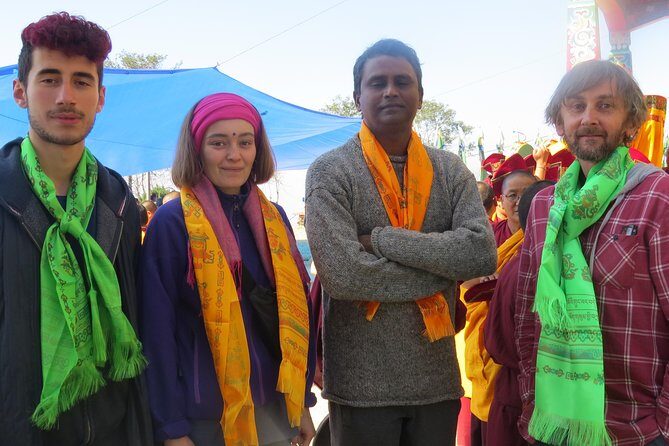
This tour is built for people who want a real day out, but still need it to end the same day in Kathmandu. You start near Tridevi Sadak, and if you’re staying in/around Thamel you can usually expect hotel pickup in that area. There’s also a mobile ticket included, which makes check-in less annoying.
Timing is the real charm here. You’re in Kathmandu, then you’re in the Shivapuri area fast—about 30 to 45 minutes to the start of the hike. That short drive matters because it drops you out of the city’s noise before you’re even working up a sweat. For me, that’s when the experience starts feeling special: you notice the air change, the sounds change, and your brain gets quiet enough to pay attention.
The tour runs about 4 to 6 hours total. That length is a sweet spot. It’s long enough to walk, learn, and eat with the nuns. It’s not so long that you’re wiped out, scrambling for a late dinner, or trying to fit it into a multi-day trek mindset.
You can also read our reviews of more tours and experiences in Kathmandu


The Nagi Gumba hike: views without a long trek
The heart of the day is the walk to Nagi Gumba Monastery. After the drive, you’ll hike roughly 1 to 2 hours. The route goes through Budanilkantha and the Shivapuri National Park area, which helps explain why the scenery changes so quickly after leaving Kathmandu.
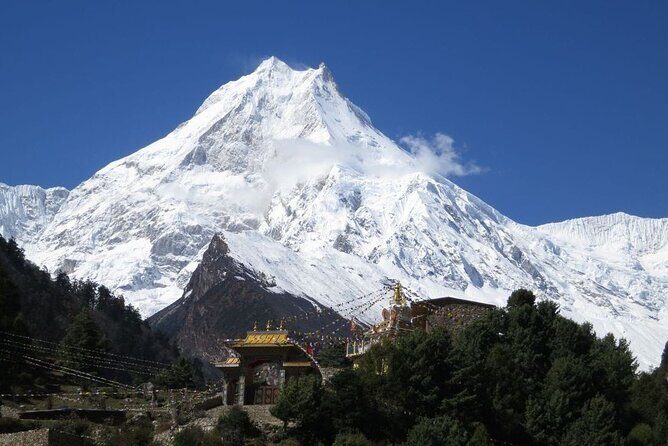
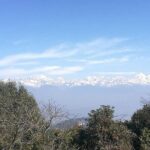
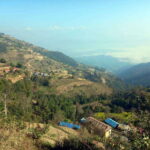
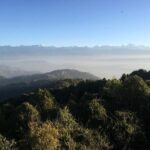
Here’s what you’re really hiking for: Nagi Gumba sits on a top-hill, and the payoff is wide views over the Kathmandu Valley. On clear days, you may even catch occasional views of the Langtang Himalayas in the distance. Even if the mountains are hazy, the valley view tends to be enough to make the climb feel worth it—because you can finally see the city in context, not just as a traffic-and-temple grid.
The hike is described as moderate, not a technical trek. Still, it’s uphill hiking time, so you’ll want comfortable shoes and a steady pace. The biggest mistake I’d avoid is going too fast early. If you rush, you’ll arrive at the monastery out of breath and less able to focus on the learning and conversation that come next.
Meeting resident nuns at Nagi Gumba: learning Buddhism in everyday life
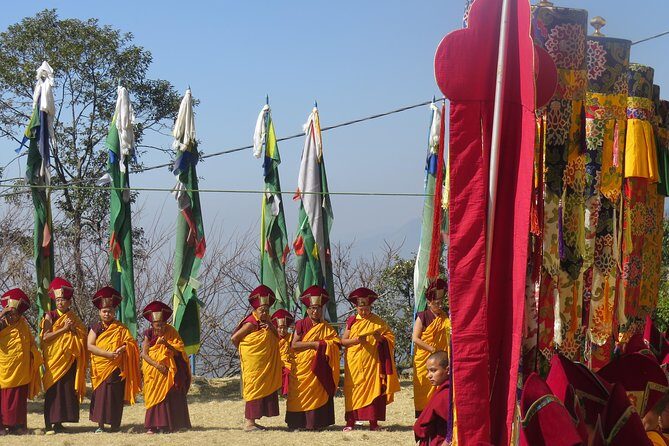
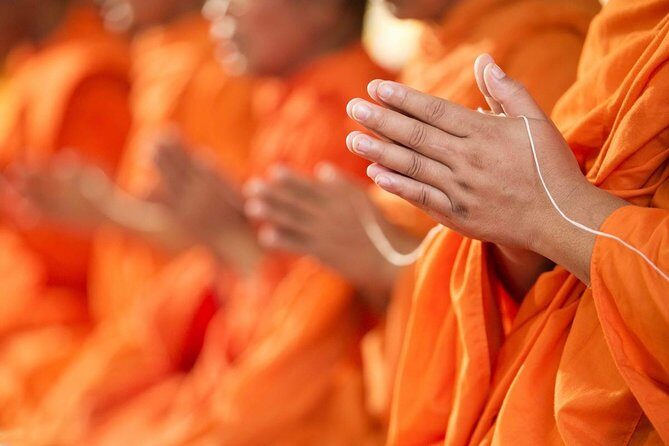
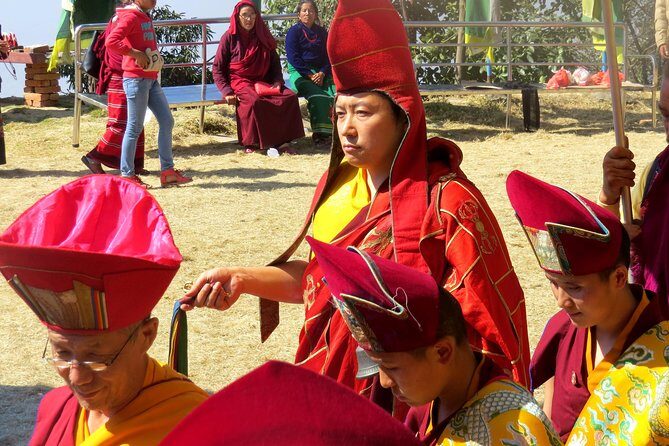
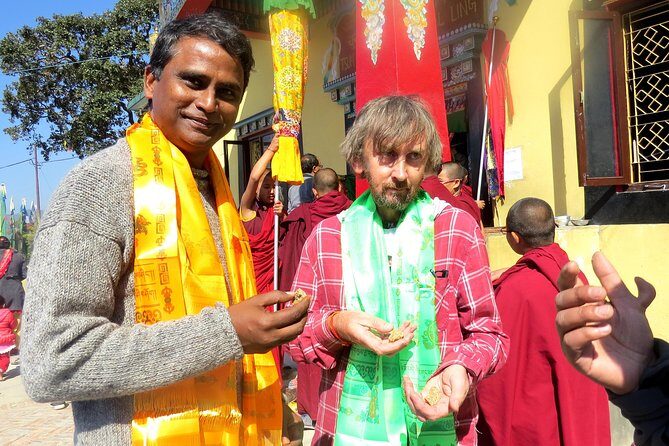
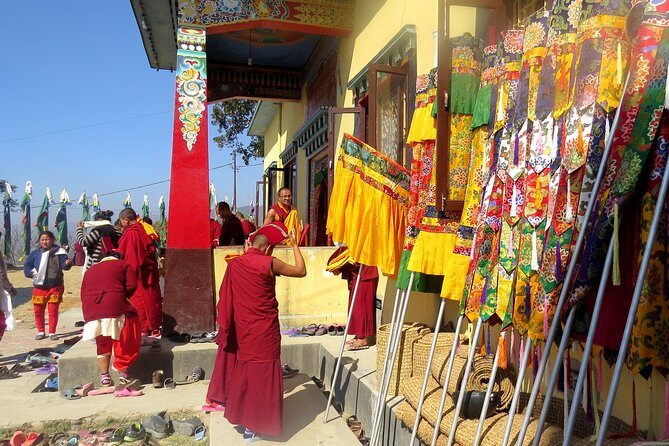
Once you’re at Nagi Gumba, the experience shifts from physical effort to human connection. You meet with the resident nuns and learn about Buddhism directly from them. This is one of those activities that feels more grounded than a museum lesson because it’s tied to daily practice—what they do, how they speak, what they answer, and how they guide your questions.
I like that the focus isn’t just sightseeing. You’re eating lunch in their company, which means the monastery visit isn’t a quick photo stop. It becomes a slower, more respectful exchange. If you’re hoping for deep doctrinal lectures, you might find it’s more practical and personal than academic. If there’s a language gap, that doesn’t automatically ruin it—some of the meaning still comes through in tone, questions, and the calm atmosphere. The best approach is to ask simple questions and listen carefully.
Two things make this part especially valuable:
- You get first-hand cultural learning, not second-hand summaries.
- You experience Buddhism as something lived, not just something you read about.
A possible drawback (worth saying plainly): since this is an exchange with the nuns, your experience will depend a bit on how your questions connect and how communication works that day. It’s not a performance. If you want a flexible, respectful attitude, you’ll get more from it.
Lunch with the nuns: why the meal matters more than you’d expect
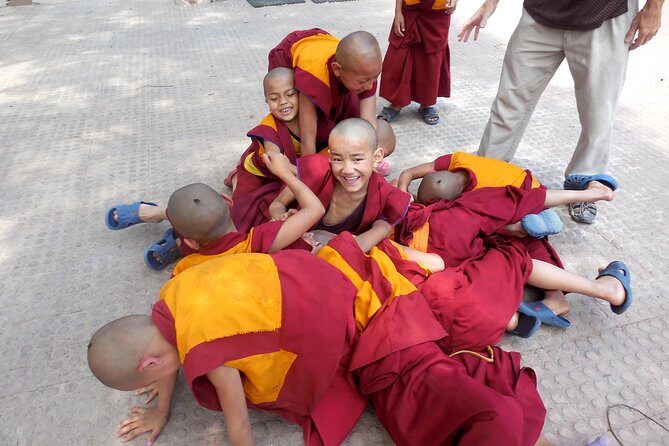
Lunch is included, and that inclusion is not just a convenience. It’s part of why this tour works. Eating together changes the vibe. You’re not racing through a checklist; you’re sharing time, sitting, and letting the monastery setting settle around you.
Because drinks are not included, you’ll likely need to plan on water during the hike and then whatever you want with lunch separately. (Given the pace of the day, it’s smart to treat hydration as part of your comfort plan.)
Food in a monastery setting is usually simple and focused. That’s often where the experience gets memorable. You’re not just eating to fill time. You’re eating as part of the visit, and that makes the whole day feel more like a cultural meeting than a guided outing.
And again, the key point: you get the lunch without negotiating costs or figuring out how to time it. That’s one of the small things that makes the day feel well-managed.
Shivapuri Nagarjun National Park: what you’re doing with that time
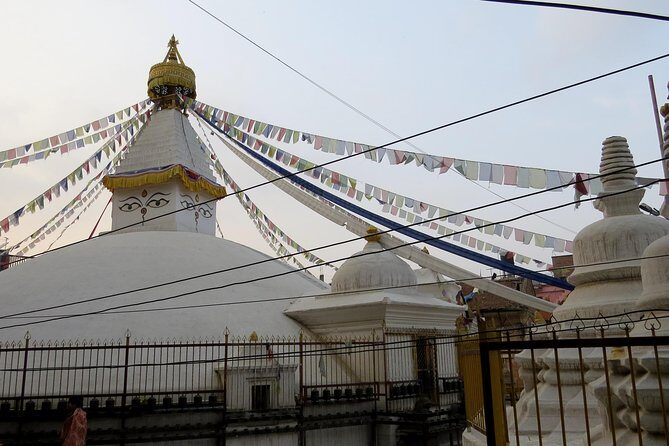
After Nagi Gumba, the schedule moves into Shivapuri Nagarjun National Park time. The plan gives you about 3 hours here, which is substantial enough to feel like more than a roadside stop.
The park headquarters is noted as being in Panimuhan village of ChapaliBhadrakati VDC of Kathmandu district. Even if you don’t hang out at headquarters as a museum, the point is that you’re spending real time in protected green space north of the Kathmandu Valley. This is where the day earns its outdoors credibility: you’re not just hiking to a viewpoint, then disappearing.
This portion also helps balance the day. If the monastery part feels emotionally or mentally “busy” (in a good way), the park time gives you space to cool down and take in the broader setting. If you’re more of a nature person, the park time helps you feel like you did something outdoors, not just one cultural stop.

Budhanilkantha: the reclining Vishnu statue stop
On the way, you’ll also encounter Budhanilkantha, located at the foot of the Shivpuri Hills, about 8 km from the city. This stop is centered on a shrine with what’s described as probably the largest stone statue of Lord Vishnu in Nepal. Vishnu is reclining on a bed of Nagas (serpents), and the statue sits in the middle of a small pond.
This is a good contrast stop after the monastery hike. It’s another layer of Nepal’s religious landscape, and it’s visually memorable because the image is so specific: reclining Vishnu, serpents, pond setting. Even if you’re not deeply into Hindu iconography, it’s still a striking scene and a clear marker of how different traditions share space in the Kathmandu area.
A practical note: pond-side shrine stops can be slick or uneven depending on conditions. Take it slow on your footing and let your guide set the pace.
Price and inclusions: what you’re really paying for
At $135 per person, this isn’t a budget street-food walk. But the value is in what’s included, not just in the tour label.
You’re paying for:
- Hotel pickup and drop-off (Thamel area)
- A professional guide
- National park fees
- Lunch
- All taxes, fees, and handling charges
What’s not included is drinks.
To judge value, I look at the “hidden costs” you’d normally face. Park fees can add up fast in Nepal when you’re doing anything involving protected areas. Transfers in and out of Kathmandu also cost time and money—especially if you’re trying to coordinate yourself. Lunch is another expense that you often end up paying for on top of a hike unless it’s built into the tour.
The other value factor is timing. Because the whole experience is planned into about 4 to 6 hours, you’re not spending your day hopping between multiple bookings. You’re making one plan and letting the day unfold.
Booking timing and group setup: small details that affect your experience
This activity is often booked about 10 days in advance on average. The good news: you’re not looking at a months-long wait, but you also shouldn’t treat it as a last-minute whim.
It’s also private—meaning it’s only your group, not a random mixed group. That usually makes the hike and the conversations more comfortable. You can ask questions without worrying about other people rushing the vibe.
There’s a minimum of 2 people per booking. So if you’re traveling solo, you may need to join another traveler or check whether the company can arrange a private booking option that still meets their minimum.
Confirmation is received at booking time, and it’s near public transportation. You’ll likely still use pickup because the tour is built for that flow, but it’s nice to know you’re not stranded if plans shift.
Who this tour fits best (and who might skip it)
This is a great match if you want:
- A moderate hike without committing to a full trek
- Real cultural learning tied to people, not only buildings
- A half-day plan that still feels substantial
- A Buddhist/monastery experience that includes lunch and conversation
It may be less ideal if:
- You’re expecting a fully easy walk (it’s 1–2 hours of hiking)
- You want a strict nature-only outing
- You dislike structured stops and prefer total freedom
If you’re traveling with children, note that children must be accompanied by an adult. That matters because the hike time is part of the day.
Practical tips so the day stays pleasant
I’d go into this with the mindset that you’re doing two things: hiking uphill and having respectful conversations at a monastery.
For comfort:
- Wear shoes you trust on uneven ground.
- Bring a small layer if it’s cooler up on the hill.
- Plan to sip water during the hike, since drinks aren’t included.
For the cultural part:
- Ask simple questions. You’ll get more out of short, clear curiosity than long lectures.
- Go with patience if language is limited. The setting still does a lot of the work.
For expectations:
- Views depend on weather. Even without big mountain clarity, the Kathmandu Valley outlook still tends to land.
- Lunch is part of the experience, not a pause. Treat it like such.
One more reassurance from what I’ve seen about the operator behind this kind of travel: their broader planning reputation tends to be about being organized and responsive when plans change. That matters because even a short day tour needs smooth transfers, timing, and a guide who can keep things on track.
Should you book Lunch with Nuns in Kathmandu?
If you want a half-day that mixes outdoors time, monastery culture, and a shared meal, this is a strong choice. The price makes more sense when you remember what’s included: national park fees, lunch, a professional guide, and hotel transfers. That’s the difference between a “tour” and a “real plan.”
I’d book it if you’re curious about Buddhism and you like the idea of learning from resident nuns in a calm setting—while still getting a rewarding hike and valley views. I’d skip it if your knees hate hills, you need a perfectly effortless day, or you’re only interested in temples from the outside.
FAQ
How long is Lunch with Nuns in Kathmandu?
The experience runs about 4 to 6 hours.
Where does the tour start, and is pickup available?
The meeting point is Karmachari Sanchaya Kosh Building, Tridevi Sadak, Kathmandu. Hotel pickup is offered for the Thamel area, and the activity ends back at the meeting point.
What’s included in the price?
National park fees are included, along with lunch, a professional guide, hotel pickup and drop-off (Thamel area), and all taxes, fees, and handling charges.
Are drinks included with lunch?
No. Drinks are not included.
How much hiking is involved?
You’ll drive to the start area, then hike about 1 to 2 hours to Nagi Gumba. The tour also includes time at Shivapuri Nagarjun National Park.
Is this tour private?
Yes. It’s a private tour/activity, and only your group will participate.
Can children join this tour?
Children must be accompanied by an adult.
What is the cancellation policy?
Free cancellation is available. You can cancel up to 24 hours in advance for a full refund. If you cancel less than 24 hours before the experience starts, you won’t receive a refund.