REVIEW · KATHMANDU
From Kathmandu: Half-Day Guided Tour of Bhaktapur
Book on GetYourGuide →Operated by Himalayan Social Journey · Bookable on GetYourGuide
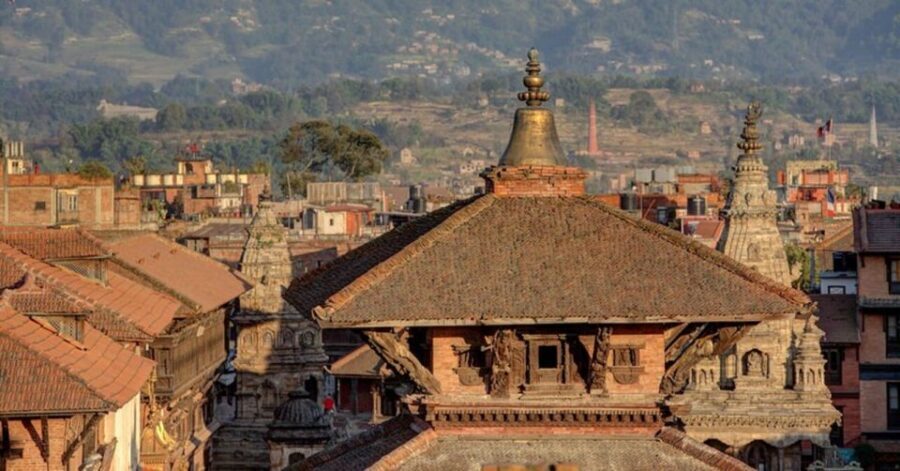
Bhaktapur makes you slow down fast. In a half day, you trade Kathmandu traffic for the UNESCO world of Bhaktapur Durbar Square, where temple details and palace craft skills tell you how the medieval Newari world worked. I especially like seeing the Naytpola Temple in person, then understanding the thinking behind its design.
I also like the practical setup: English-speaking local guides and hotel pickup/drop-off that saves you the hassle of figuring out transport. A guide named Dipendra is a great example from past visits, with clear explanations and lots of space for questions. The main consideration is that the time window can feel tight once you arrive, and some guides may add shop stops that can shift the vibe away from pure sightseeing.
In This Review
- Key Highlights You’ll Feel (Not Just See)
- Why Bhaktapur Feels Different Than Kathmandu
- The Bhaktapur Durbar Square Walk: Temples, Palaces, and What to Watch For
- Naytpola Temple: The 5-Storeyed Stop That Steals the Show
- The 55 Window Palace: Wood, Door, and Window Craft at Eye Level
- Newari Culture: How the Guide Turns Sights Into Meaning
- Timing and Getting There From Kathmandu (So Your Half Day Doesn’t Slip)
- Price and Value: The $2 Ticket vs. Real Costs
- What You’ll Need to Bring (And What You Should Leave Behind)
- Who This Tour Best Fits
- Should You Book the Bhaktapur Half-Day Tour?
- FAQ
- How long is the Bhaktapur Durbar Square half-day tour?
- Where does the tour start?
- Is entry to Bhaktapur Durbar Square included?
- What’s included in the tour price?
- Are food and drinks provided?
- Will the tour run in bad weather?
- What language is the guide?
- What do I need to bring?
- Is luggage allowed?
- Is this tour suitable for people with mobility impairments?
- Is free cancellation available?
- Can I pay later?
Key Highlights You’ll Feel (Not Just See)
- UNESCO-listed Bhaktapur Durbar Square: temples and palace architecture in one walkable zone
- Naytpola Temple: a standout 5-storey structure tied to local history and design
- 55 Window Palace details: carved woodwork and door/window craftsmanship up close
- Newari culture explanations: daily life, traditions, and how the city’s culture shapes its art
- Hotel pickup and drop-off in Kathmandu: easy day-trip logistics with an English guide
- Rain-or-shine touring: you’ll still get out and see the sights
Why Bhaktapur Feels Different Than Kathmandu
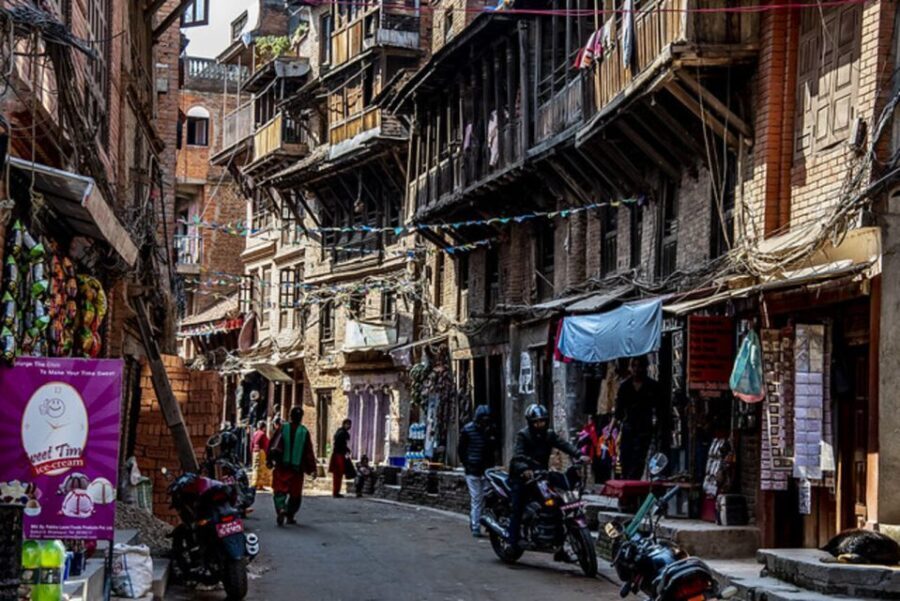
Kathmandu is impressive, but Bhaktapur is quieter in a way that makes details easier to catch. Here, you’re not just passing big monuments. You’re walking through a living artistic zone where stone, wood, and metal work were built into daily identity. That difference matters, because it turns a short day trip into something you actually remember.
This tour is designed for that “half-day change of scenery” feeling. You get picked up in Kathmandu, drive out toward Bhaktapur (about an hour), and spend your time focused on the Durbar Square area rather than hopping all over the region. If you’re short on time, that focus is a win.
The best part is how the guide connects what you’re looking at to the culture behind it. Bhaktapur’s UNESCO status isn’t just a label. It’s why you can stand in one spot and understand why the city’s art looks the way it does: temple forms, palace layouts, and craft techniques all point back to Newari life.
You can also read our reviews of more guided tours in Kathmandu
The Bhaktapur Durbar Square Walk: Temples, Palaces, and What to Watch For
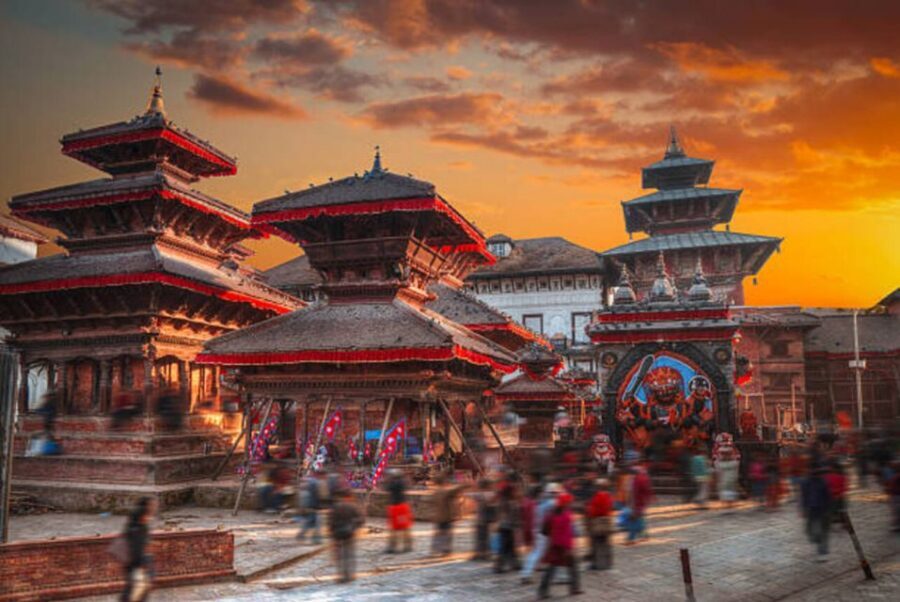
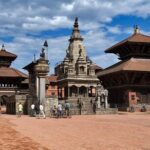
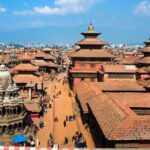
Once you arrive, your guide leads you around Bhaktapur Durbar Square and the surrounding temple/court areas. This is the heart of the old city experience. Expect a sequence of stops where you’ll look up at structures, then turn your attention to carvings at eye level.
A good guide does two things at once. First, they give you the names of what you’re seeing—like Naytpola Temple and the 55 Window Palace. Second, they explain the “why”: how the buildings were built, what mattered to the builders, and what role these spaces played for the community.
Here’s what I’d watch for as you walk:
- Roof lines and stacked levels on temples (they’re not decoration only)
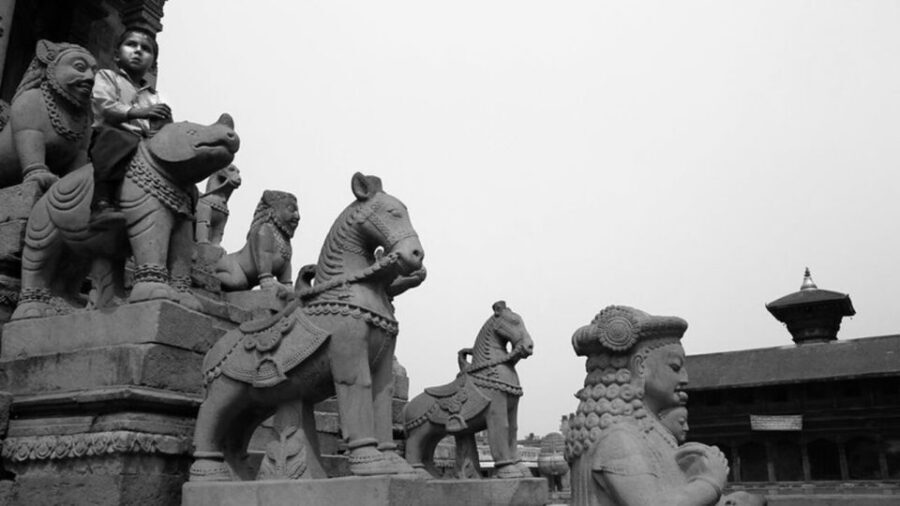
- Repeating carved motifs on windows, doors, and columns
- Signs of craft skill—especially woodwork—because Bhaktapur is known for those arts
One reality check: the day is only about 4 hours total, and you’ll spend some of that on travel time. So you’ll want to keep moving with your group. If you tend to wander and get lost in photos, ask yourself if you can pause inside the tour’s rhythm.
Naytpola Temple: The 5-Storeyed Stop That Steals the Show
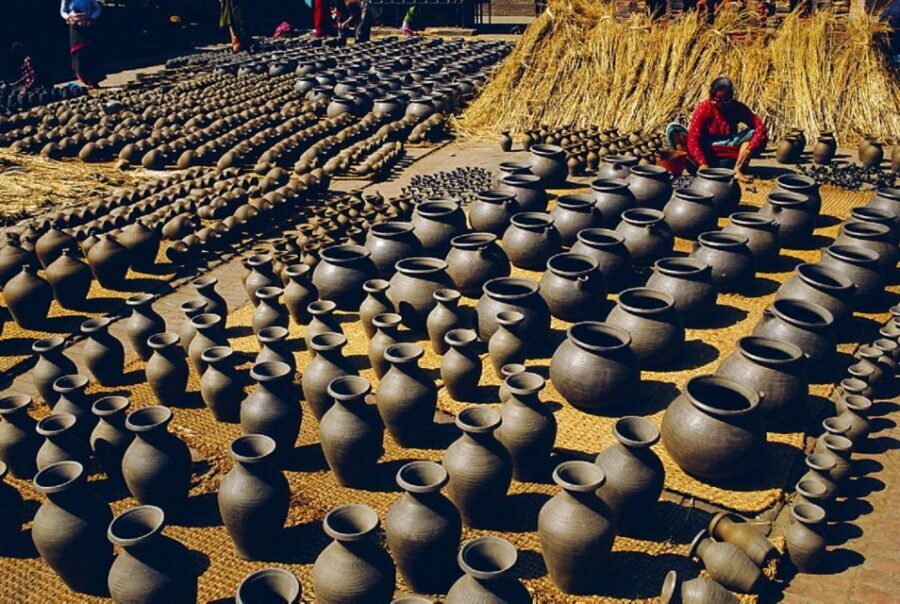
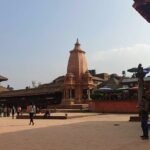
The Naytpola Temple is the kind of sight that makes you tilt your head without meaning to. It’s a 5-storeyed temple, and the guide will point out the history and significance tied to the monument.
Why this stop is worth it even on a short tour:
- It’s visually dominant, so you can understand the scale quickly.
- The layered design helps you see how builders used structure to communicate meaning.
- You get context while you’re still looking at the temple, not after you’ve moved on.
Your guide should also connect the tower-like shape to the wider story of Bhaktapur’s religious and artistic life. If you like architecture, this is the moment where the tour goes beyond “look there, take a photo” and becomes “now you know what you’re looking at.”
Practical note: temple areas can mean steps, uneven stone, and changing surfaces. The tour isn’t designed for mobility needs. If that’s a concern for you, it’s worth planning a different pace or a more flexible option.
The 55 Window Palace: Wood, Door, and Window Craft at Eye Level
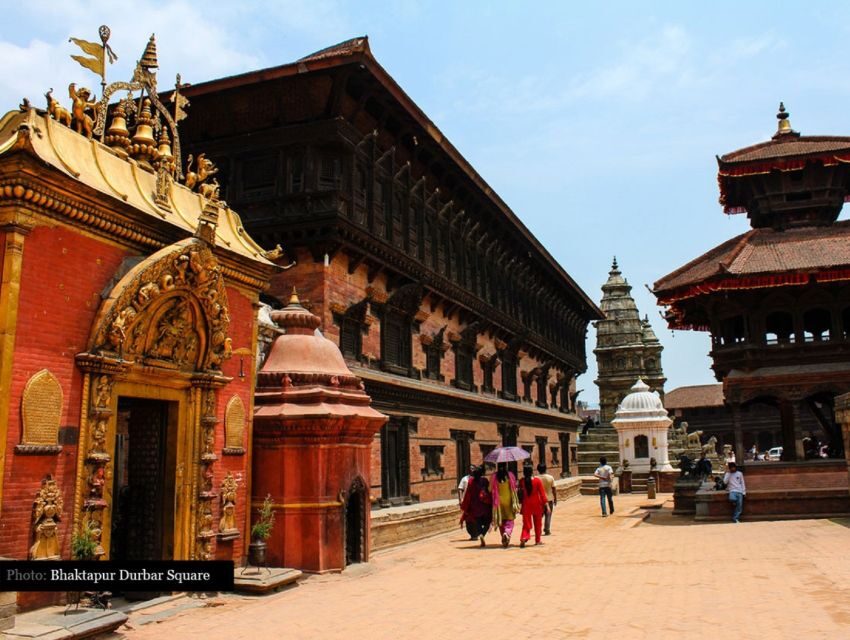
If Naytpola is the big vertical statement, the 55 Window Palace is the detail lover’s dream. The tour focuses on the palace’s unique architectural concept and the handcrafted design on its wooden windows and doors.
This is where you slow down for a different reason. The palace isn’t only about being grand. It’s about showing craftsmanship up close. You can spot how wood panels and window design fit into the overall architecture, and how the ornamentation isn’t random—it’s part of the building language.
When you’re there, I’d recommend doing this small habit:
- Pick one window or door section and really look at the carving patterns.
- Then zoom out mentally and see how that detail fits the whole facade.
That’s one of the best values of a guided format. Without context, you might just see “old wood.” With context, you start recognizing craft as a form of cultural communication.
Newari Culture: How the Guide Turns Sights Into Meaning
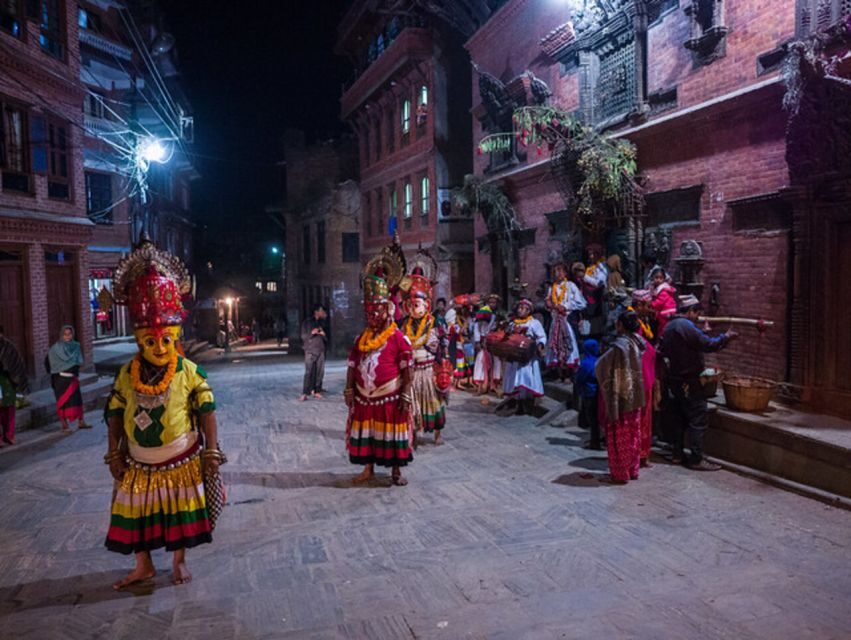
Bhaktapur’s identity is tied to the Newari people, and the tour includes time to learn about their lifestyle and traditions. This isn’t just a cultural lecture. It’s meant to help you interpret what you see: why temples look the way they do, why palaces matter, and how community life shaped the city’s art.
In past experiences, the strongest guides are the ones who explain the human side without turning it into a performance. You may get insight into daily customs and how traditions live alongside the architecture. If you have even basic curiosity about Nepal beyond the headlines, this part tends to feel like the “aha” moment.
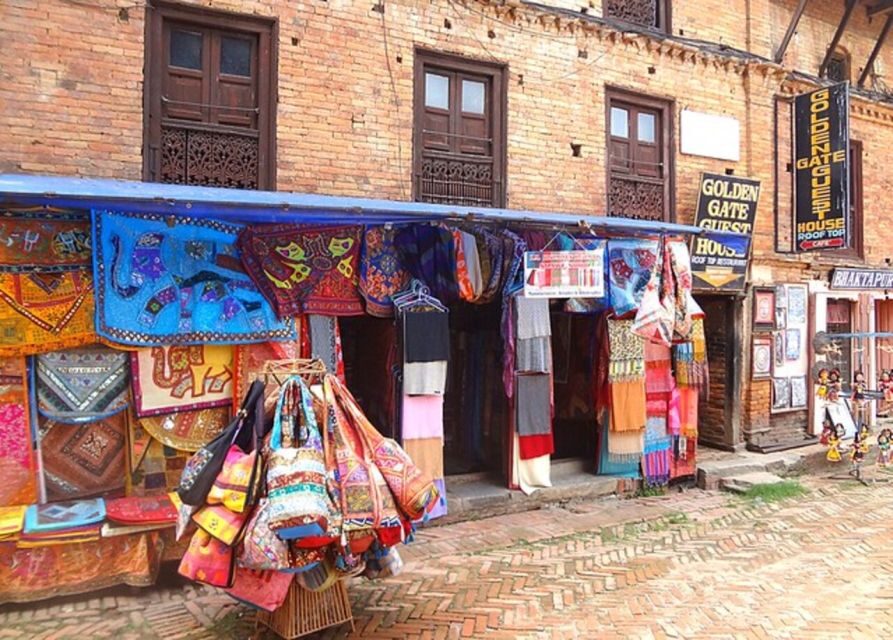
You should also know the trade-off: on some tours, time can be redirected toward shop visits. That doesn’t automatically mean it’s bad. It can be tied to local craft explanations. But if you’re hoping for a pure walk-and-learn day, keep your priorities clear going in.
A balanced approach for you: if you’re interested in crafts, enjoy the details. If you want sightseeing only, politely set a boundary early and ask the guide to keep you moving through the main sights.
You can also read our reviews of more tours and experiences in Kathmandu

Timing and Getting There From Kathmandu (So Your Half Day Doesn’t Slip)
The tour runs rain or shine, and that matters because Bhaktapur’s experience depends on you being outside walking and looking up. Bring a practical mindset: if it’s wet, the ground can be slippery, and time can feel shorter because you’ll move more carefully.
Transport is handled via pickup/drop-off in Kathmandu and a private van arrangement. The drive is about an hour to Bhaktapur, meaning your sightseeing time is really the heart of the schedule.
Here’s the timing reality you should plan for:
- You’re booking a tight half day.
- Traffic and pickup timing can affect the exact minutes you spend on-site.
- Temple courtyards don’t always allow long pauses, especially if the route is fixed.
If you want the most from limited time, do two things:
- Decide in advance what matters most (Naytpola first, palace details second, culture explanation throughout).
- Keep your camera ready but don’t get stuck in one spot so long you miss the next key stop.
And if you’re the type who likes unstructured time, remember the tour is scheduled. You might not get long free wandering breaks unless the guide builds them in.
Price and Value: The $2 Ticket vs. Real Costs
The advertised price is extremely low at USD 2 per person, but the cost picture isn’t complete until you add what’s not included. The most important add-on is the Bhaktapur Durbar Square entry fee (USD 15 per person). Food and drinks also aren’t included.
So what’s the value?
- You’re paying for hotel pickup/drop-off, private transportation, and an English-speaking local guide.
- For many visitors, the hardest part of a day trip from Kathmandu is making it effortless. This tour does that part well.
- The craft-and-architecture focus is what you’re really buying. Bhaktapur looks like a “slow city,” and a guide keeps it from turning into a rushed sightseeing checklist.
What can lower the value for some people is if extra time goes to shopping stops instead of sights. If craft shopping is part of your plan, you’ll likely see value there. If not, focus on what you can control: ask for more sight time, and set your spending limits before you arrive.
Overall, if you’re comfortable with a budget-friendly setup and want a guide to organize your short day, the math can work in your favor.
What You’ll Need to Bring (And What You Should Leave Behind)
This is a straightforward tour, but you’ll want to pack smart:
- Bring your passport or ID card.
- Avoid luggage or large bags, since they aren’t allowed.
- Wear shoes that can handle uneven and sometimes wet surfaces.
- Bring something for weather, since it runs rain or shine.
Because food and drinks aren’t included, plan to handle refreshments on your own. Even if the tour feels short, you can get tired from walking and sun (or rain) quickly.
Who This Tour Best Fits
This tour is a good match if you want:
- A half-day culture and architecture outing outside Kathmandu
- An English-speaking guide to explain what you’re seeing in Bhaktapur
- A focused route centered on Bhaktapur Durbar Square and standout monuments
It’s likely not a good match if you:
- Need mobility-friendly access, since the walking and temple courtyards aren’t listed as suitable for people with mobility impairments
- Want lots of free time once you’re in town, because the schedule is built for a guided route
- Dislike any shop detours, since shopping stops have shown up as a concern in past experiences
Should You Book the Bhaktapur Half-Day Tour?
I’d book it if your goal is a guided taste of Bhaktapur without spending a full day planning. The best version of this experience is when you get clear explanations, time at the major landmarks, and a smooth transition between Kathmandu and the old city. If you end up with extra shop time, it can feel like a distraction, so go in with a firm idea of what you want: architecture first, culture second.
One more tip: treat the entry fee as part of the real budget from the start. Once you do, you can judge the tour on what matters—guide quality, sight time, and how you feel about the craft/shopping dynamic—not just the headline price.
If you’re short on time in Kathmandu and want an authentic-feeling old city day, this is one of the most practical ways to do it.
FAQ
How long is the Bhaktapur Durbar Square half-day tour?
The tour lasts 4 hours.
Where does the tour start?
It starts with pickup from your accommodation in Kathmandu.
Is entry to Bhaktapur Durbar Square included?
No. Entry fees are not included, and they’re listed as USD 15 per person.
What’s included in the tour price?
Hotel pickup and drop-off, private transportation as per the activity itinerary, and an English-speaking local guide are included.
Are food and drinks provided?
No. Food and drinks are not included.
Will the tour run in bad weather?
Yes. The tour takes place rain or shine.
What language is the guide?
The tour includes an English-speaking guide.
What do I need to bring?
Bring a passport or ID card.
Is luggage allowed?
No. Luggage or large bags are not allowed.
Is this tour suitable for people with mobility impairments?
It is not suitable for people with mobility impairments.
Is free cancellation available?
Yes. You can cancel up to 24 hours in advance for a full refund.
Can I pay later?
Yes. It offers Reserve now & pay later, so you can book and pay nothing today.