REVIEW · KATHMANDU
Manaslu Circuit Trek (15 Days)
Book on Viator →Operated by Sole Encounters Adventures · Bookable on Viator
Want fewer crowds and bigger mountain days? This Manaslu Circuit trek trades the heavy traffic of Everest and Annapurna for a remote route packed with Tibetan-influenced villages, high ridgelines, and serious views of Manaslu and neighbors. I especially like how the trip is built around clear pre-trek planning and altitude safety so you’re not guessing what comes next.
What I also like is the team setup: you get a government-licensed, first-aid-trained guide, plus porters carrying your overnight bag at a 2 trekkers to 1 porter ratio, and an assistant guide for extra attention when the group is moving. The main consideration: the price covers a lot, but it does not cover trek meals, drinking water, or personal gear, and you’ll need travel insurance that covers emergency evacuation up to 5200 m.
In This Review
- Key things I’d watch for on the Manaslu Circuit (15 days)
- Why Manaslu feels different from the classic Nepal circuits
- Price and value: what $1,657.50 per person really buys
- Kathmandu start in Thamel: quick, practical, and permit-focused
- Getting to the trail: Kathmandu to Machha Khola, then into the river valleys
- Walking days 1–4 on the circuit: Jagat and Deng are your “settle in” training
- Namrung, Lihi, and Shyala: Tibetan-influenced villages meet high views
- Samagaun and Pungyen Gompa: acclimatization that feels like a gift
- Samdo and Dharamsala: short moves before the high day
- The big day into Bimthang: early start, rocky terrain, and glacier scenery
- Dharapani and the descent back into forests
- Back to Kathmandu: shared jeeps, Marsyangdi River roads, and a last Thamel day
- Teahouses, food, and water: plan for what isn’t included
- Guides, porters, and safety: why the staffing ratios matter
- Who this trek suits best (and who should think twice)
- Should you book this Manaslu Circuit trek?
- FAQ
- What’s included in the Manaslu Circuit Trek price?
- Are meals included during the trek?
- Do I need travel insurance, and what must it cover?
- Is the trek suitable for beginners?
- What’s the meeting point in Kathmandu?
- Why do you require my original passport?
Key things I’d watch for on the Manaslu Circuit (15 days)
- Permits are included: Manaslu Conservation Area Permit, Annapurna Conservation Area Permit, and the Special Restricted Area Permit.
- Small group size: up to 15 trekkers, which helps keep the trail more manageable.
- Safety staffing: first-aid-trained guide, assistant guide per 5 trekkers, and crew insurance coverage.
- Acclimatization built in: short hikes before the high day, plus a demanding early start into Bimthang.
- Teahouses with real logistics: you’ll sleep in standard teahouses, but trek meals and charging are extra.
- Transport is shared for part of the route: expect a shared jeep segment, not a private door-to-door ride the whole way.
Why Manaslu feels different from the classic Nepal circuits
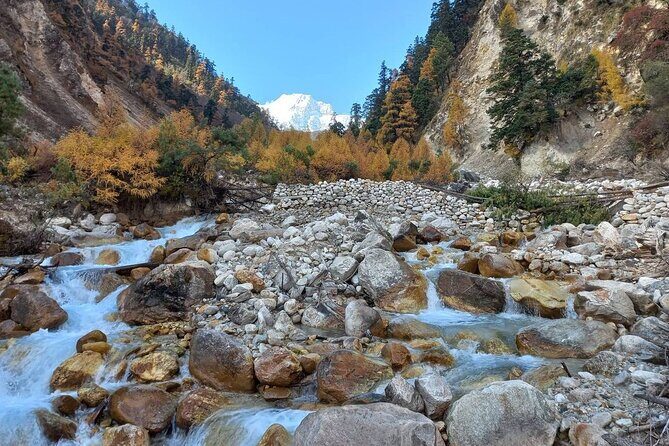
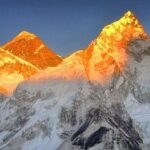
Manaslu sits in a quieter zone of Nepal trekking. You still get Himalayan drama—river valleys, terraced fields, yak pastures, and the long high views—but the vibe is calmer. If you’re the type who likes a trail where you can hear your own steps (and sometimes your breathing) instead of a constant stream of trekkers, this is the reason people choose it.
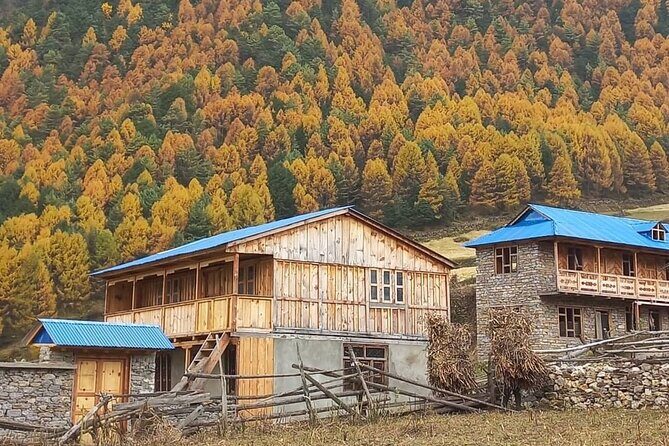
Culture also shifts along the way. As you move through villages in the Nubri region, you see Tibetan-influenced stonework, mani walls, prayer objects, and a lifestyle tuned to high-altitude seasons. It’s not just scenery. The route is a moving conversation with how people live when winter arrives early and oxygen thins out fast.
You can also read our reviews of more hiking tours in Kathmandu
Price and value: what $1,657.50 per person really buys
At $1,657.50 per person, this is the kind of trek price where you should look at what’s included versus what you’ll pay anyway.
Included that matters:
- Government fees and permits (major headache handled for you).
- Kathmandu hotel: 3-star in Thamel with breakfast.
- Teahouse nights during the trek.
- Transfers: airport arrival/departure, plus private transport for the segments from Kathmandu to Machha Khola and from Behisahar back to Kathmandu; then a shared jeep from Dharapani to Besisahar.
- Guide and porter team with specific staffing ratios.
- Insurance coverage for the trekking crew.
- Airport pickup and meeting at Thamel area, so you’re not left to figure it out alone.
Not included items that can affect your total budget:
- International airfare and Nepal visa fee (USD 30 per person).
- Travel insurance (must include accidental, medical, and helicopter evacuation up to 5200 m).
- Personal trekking gear.
- Hot showers, battery charging, and Wi‑Fi (usually extra).
- Trek meals and drinking water.
So is it good value? Yes, if you want the logistical load off your shoulders. Permits, staffing ratios, and local transport are exactly what usually makes a trek expensive when you plan it yourself. If you prefer doing lots of your own organizing or you’re trying to keep meals minimal, you’ll need to budget for those daily costs too.
Kathmandu start in Thamel: quick, practical, and permit-focused
You’ll meet the team in Thamel, Kathmandu, then transfer to a 3-star hotel with breakfast. This part is not about sightseeing marathons—it’s about getting your head and paperwork in order before the trek starts.
One detail I’d take seriously: you’ll hand over your original physical passport on arrival. That’s required to get permits issued with Nepal’s immigration department. If you’re the kind of person who likes to keep documents on hand at all times, plan around this. It’s standard for this kind of trekking permit process, and it reduces the chance of delays later.
Day 2 is built around preparation while the permits are officially processed. Expect the team to collect the passport and photos, confirm your documents, and give you the gear guidance you’ll wish you had read earlier.
Getting to the trail: Kathmandu to Machha Khola, then into the river valleys
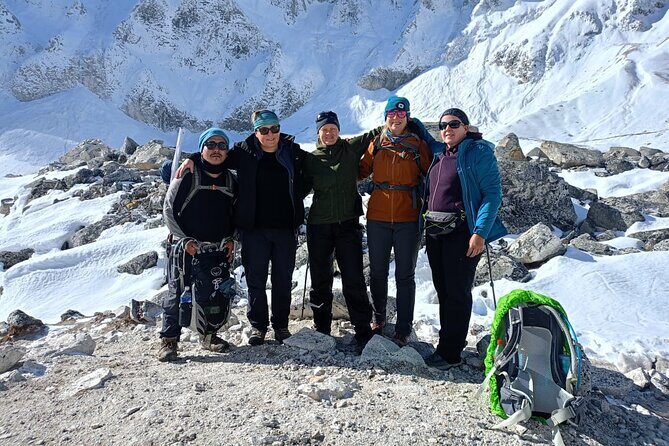
The drive out of Kathmandu is long, but it’s a useful warm-up. You’ll move from busy city edges into foothills and river-country, slowly changing how the air feels in your lungs and how steep the roads get in your stomach.
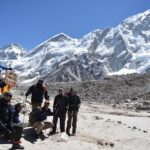
When you reach Machha Khola, the trek begins in earnest. From there, the first walking days follow the rhythm of the Budhi Gandaki River. You’re not just walking between villages; you’re walking through the Nepal that sits between the big postcard viewpoints.
You’ll also see why the lower part of the route is so scenic:
- Tatopani comes up along the way—famous for natural hot springs. You won’t necessarily stop to soak on trek days, but just passing the area makes the region feel alive.
- The trail swings through narrow, rocky sections and smaller settlements, including places like Jagat and Deng, where the walking is mostly about control: steady pace, good footing, and keeping your hydration consistent.
Walking days 1–4 on the circuit: Jagat and Deng are your “settle in” training
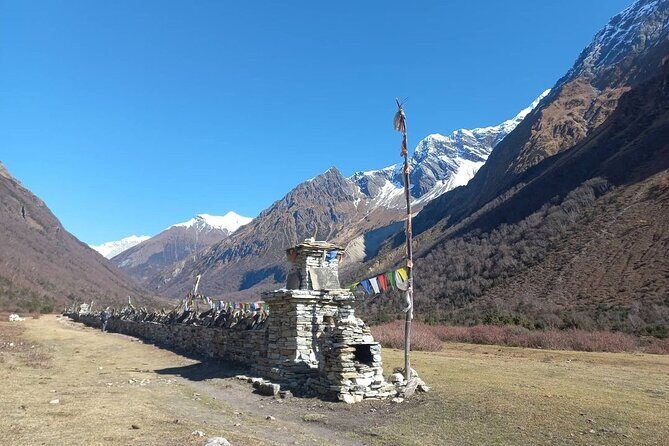
Machha Khola to Jagat is about 15 km and takes roughly 6–7 hours, with a good chunk of ascent and some descent. It’s long enough to wake up your legs, but not so technical that you can’t adapt day by day.
Jagat is a key reference point because after it, the days keep stacking elevation. Then comes Deng—about 18 km and 7–8 hours, with the route transitioning through subtropical forest. You’ll get that first taste of living alongside the trail: the villages, the seasonal agriculture, and the way the path threads through real life.
If you’re trying to pace smart, this is the time to do it. Don’t “win” the first days. The big goal is arriving at later high points feeling like you can still climb tomorrow.
Namrung, Lihi, and Shyala: Tibetan-influenced villages meet high views
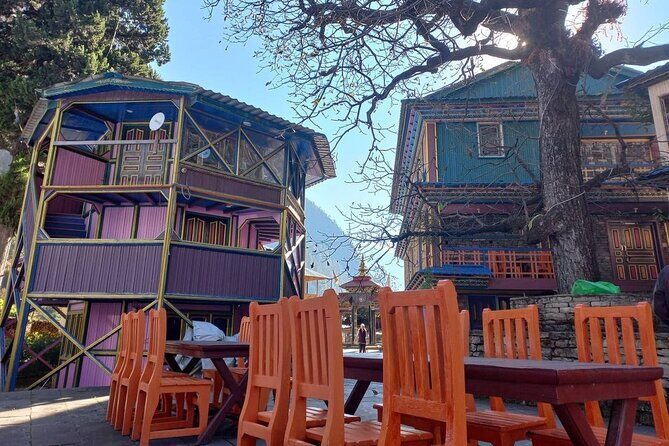
As the trek climbs, the scenery and the buildings start to look more “high Tibet-adjacent.” You pass through forests, cross ridge paths, and gradually shift into warmer sun by day and colder nights by altitude.
Namrung is one of those villages that feels like a turning point. You gain elevation through winding forest trails and come out to clearer views. The day’s distance is substantial (around 19 km, 7–8 hours), and the ascent is noticeable, so use the steady climbs to practice your breathing rhythm.
Then Lihi adds a different texture: terraced fields, switchbacks through forest, and yak pastures. This is where you really start seeing the connection between altitude and agriculture.
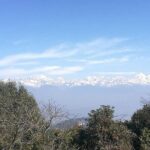
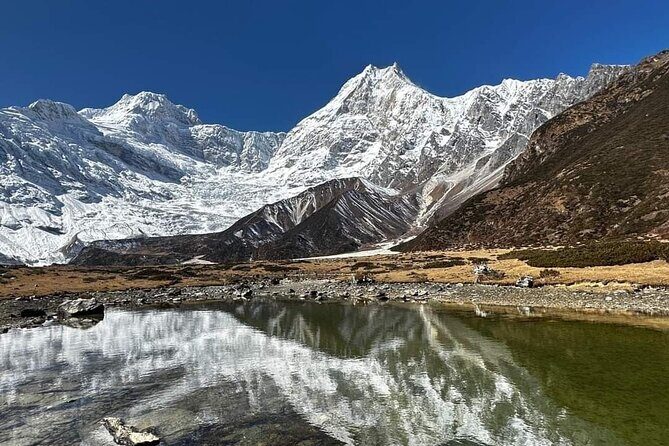
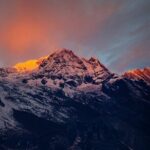
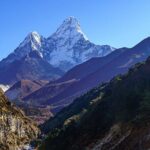
Shyala is a high village area framed by big mountains—Manaslu, Himalchuli, Peak 29, and Ngadi Chuli are all named along this route. You’ll walk through pine and rhododendron forests and pass mani walls and prayer objects, which makes the culture feel tangible rather than decorative.
Practical note: in these higher villages, weather can shift quickly. Your schedule is built around walking time, but your comfort depends on layers and how fast the wind changes.
Samagaun and Pungyen Gompa: acclimatization that feels like a gift
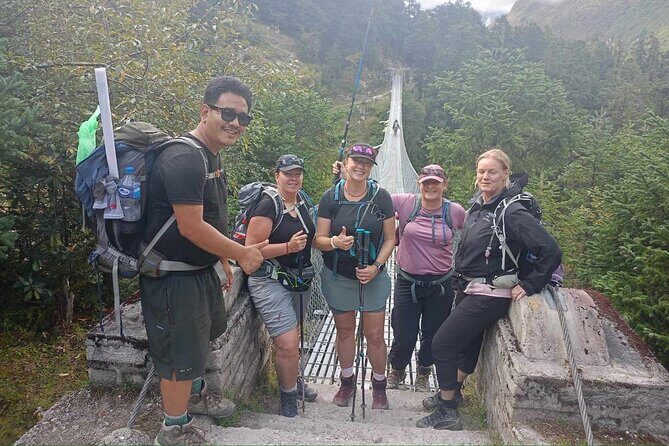
After Shyala, you move toward Samagaun, one of the larger settlements in the Nubri Valley. This stretch includes yak pastures and scrubland, and the walking distance is about 17 km. The pace is more “manage your effort” than “attack the trail.”
Samagaun also sets you up for a calm acclimatization day. You’ll have a roundtrip hike to Pungyen Gompa—about 3–4 hours. The monastery sits on a ridgeline with sweeping views of Mt. Manaslu and surrounding peaks. This is the kind of day that teaches you altitude management without feeling like a chore.
If you’ve never done a high-altitude acclimatization hike, here’s the trick you’ll want to use: keep going slower than you think you should. You’re training your body for later pass conditions.
Samdo and Dharamsala: short moves before the high day
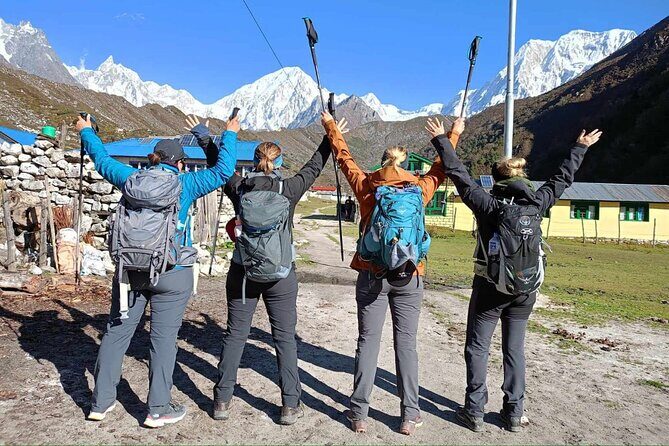
From Samagaun, the route heads toward Samdo. Expect the trail to transition into drier high country—yak pastures and mani walls marking the change. You also cross a wooden bridge over the Budhi Gandaki River early in the Samdo approach, which is a nice visual reset after days of forest and village paths.
Then comes Dharamsala, reached via a trek from Samdo that includes a short but crucial acclimatization hike. The important part here is timing and effort. Even if the distances look manageable on paper, you’re preparing for the Larke Pass day.
This is where I’d focus on small decisions: eat what you can tolerate, drink consistently (even when it’s cold), and don’t chase speed. You’ll feel better for it later.
The big day into Bimthang: early start, rocky terrain, and glacier scenery
Day 12 is described as the most demanding day. You start before dawn from Dharamsala, then climb over rocky moraine and glacier-draped terrain. That early start matters because the mountain conditions tend to be more stable earlier in the day, and it gives you a better shot at safe footing and visibility.
This is also the day when the trek stops being a sequence of villages and starts being about your relationship with altitude. The route is still scenic—but it becomes a workday. You’ll use everything you practiced: slow steps, steady breathing, and keeping your head in the present moment.
If you’re prone to rushing when you feel strong, this is where you unlearn that habit. Saving energy is how you arrive at Bimthang with enough left to sleep and recover.
Dharapani and the descent back into forests
After Bimthang, the trail descends through changing terrain—alpine scrub transitioning into denser pine, rhododendron, and oak forests. You’ll pass through Yak Kharka, a seasonal grazing area where herders bring live stock. It’s a reminder that this is not a theme park trail. People work here, move animals here, and live on this schedule shaped by weather.
The day into Dharapani gives you the psychological payoff of altitude. You’re still trekking, but the air feels thicker and the temperature often climbs. It’s a good moment to refuel and take your time with the final stretch.
Back to Kathmandu: shared jeeps, Marsyangdi River roads, and a last Thamel day
Once you’re back near road access, the trip shifts from feet to engines. You’ll take a shared jeep from Dharapani to Besisahar, then connect back toward Kathmandu with private transport. The roads are described as bumpy but scenic, running along the Marsyangdi River and passing places like Tal village, known for cascading waterfalls along the way.
Then you’re back in Kathmandu. If you have time, Thamel is your quick reset zone: last-minute shopping, a calm café stop, and space to process the trek before the flight.
Teahouses, food, and water: plan for what isn’t included
You’ll stay in standard teahouses during the trek. That usually means simple rooms, shared warmth strategies, and food you’ll order from what’s available that day.
Important budgeting point: meals during the trek are not included. In Kathmandu, breakfast plus a welcome dinner and farewell dinner are included, but on-trail meals are yours to buy. You’ll want cash ready (and maybe a simple plan for a few repeat-friendly breakfast choices).
Drinking water is also not included. The guidance is clear: bring a filter bottle or purification tablets. In high country, this is the difference between “it’s fine” and “I’m stuck with stomach trouble” during a crucial acclimatization sequence.
Hot showers, charging, and Wi‑Fi are available for an extra fee in most teahouses. If you rely on constant power and internet, treat this trek as a digital slow-down by default.
Guides, porters, and safety: why the staffing ratios matter
This isn’t just a staffing detail. It’s how the trek actually feels day to day.
You’re working with a professional, government-licensed, first-aid-trained guide. Porters carry your overnight bag at a 2 trekkers to 1 porter ratio, which means you’re not dragging a full pack up steep sections. There’s also an assistant guide per 5 trekkers, which is a big deal on a route where pace, weather, and altitude management all require attention.
Add altitude briefings, careful planning, and emergency protocols (mentioned in the trip approach), and the overall design aims to reduce risk. On a high-pass trek, comfort is safety. When your team is organized, you waste less energy on confusion.
Who this trek suits best (and who should think twice)
This is a great fit if you:
- want quieter trekking than the classic routes
- like Tibetan-influenced villages, mani walls, and high pastoral life
- can handle long walk days and understand that acclimatization is part of the deal
- prefer a structured safety approach with permits and staffing handled by locals
You should think twice if you:
- don’t have travel insurance that covers emergency evacuation up to 5200 m
- need guaranteed hot showers and easy charging every day
- want every meal included in the price (because trek meals aren’t)
Should you book this Manaslu Circuit trek?
If you want a remote, culturally rich Himalayan circuit with a small group, licensed leadership, and permits handled for you, this is a strong choice. The biggest reasons to book are the operational structure: guide and assistant staffing, porter ratio, crew insurance, and the fact that the trek moves from village acclimatization into a high day with planning behind it.
The reasons to pause are also clear. Budget for trek meals and water treatment, and make sure your insurance matches the evacuation requirement. If you do those two things and you’re realistic about altitude and long walking days, you’re set up for one of Nepal’s most satisfying circuits.
FAQ
What’s included in the Manaslu Circuit Trek price?
Government fees and permits are included, along with Kathmandu accommodation in a 3-star hotel with breakfast, standard teahouse accommodation during the trek, airport and key transport segments, a government-licensed first-aid-trained trek guide, and porters (with a 2 trekkers to 1 porter ratio). It also includes insurance coverage for the trekking crew, plus a welcome dinner and farewell dinner and two breakfasts in Kathmandu.
Are meals included during the trek?
No. Meals during the trek are not included. In Kathmandu, only the hotel breakfast, a welcome dinner, and a farewell dinner are included.
Do I need travel insurance, and what must it cover?
Yes. Travel insurance is not included, and it must cover accidental and medical coverage plus helicopter evacuation up to 5200 m in altitude.
Is the trek suitable for beginners?
It’s designed for travelers with moderate physical fitness. The route includes long walking days and a demanding high section, so you should be comfortable with sustained hiking and acclimatization.
What’s the meeting point in Kathmandu?
The meeting point is Thamel, Kathmandu 44600, Nepal. The activity ends back at the same meeting point.
Why do you require my original passport?
Upon arrival, the team requires the original physical passport because the permits must be issued with Nepal’s immigration department, which requires the original document.