REVIEW · KATHMANDU
Everest Mountain Flight with Kathmandu Full Day Tour
Book on Viator →Operated by Cordial Trek Pvt. Ltd. · Bookable on Viator
That early flight view starts your day right. This Everest mountain flight with Kathmandu full-day tour pairs a calm, high-altitude aerial moment with four UNESCO World Heritage sites in one organized day. I especially like the guaranteed window seat for the Everest part, and I like how the tour strings together major Kathmandu sights using an air-conditioned private car. The one real tradeoff: it starts at 5:30 AM, and the flight depends on weather.
Here’s the appeal: you get the best of both worlds—big-picture mountain views first, then Kathmandu’s religious and cultural landmarks while your legs can still handle sightseeing after breakfast. The best part is that the operation is designed to keep the day moving even when early-morning flight timing gets messy.
In This Review
- Key Highlights You’ll Actually Feel
- The 5:30 AM Everest Flight That Sets the Tone
- Guaranteed Window Seat: The Difference Between Seeing and Missing It
- Back to Breakfast: Why the Rest Period Helps
- Kathmandu Durbar Square: Royal Power, Right in the Middle of the City
- Swayambhunath Monkey Temple: A Stupa on a Hilltop
- Pashupatinath Temple: Sacred Shiva With a Riverfront Focus
- Boudhanath Stupa: The Largest Mandala Atmosphere
- Price and What You’re Really Paying For
- How the Day Works: Timing, Comfort, and Getting Ready
- Who This Tour Suits Best (And Who Might Want a Different Plan)
- Should You Book This Everest and Kathmandu Day Tour?
- FAQ
- What time does the tour start?
- Does the Everest flight include a window seat?
- How long is the full day tour?
- Which Kathmandu sites are included in the sightseeing?
- Are entrance fees included for the monuments?
- Is lunch included?
- What if the Everest flight can’t run due to weather?
- Is there free cancellation?
Key Highlights You’ll Actually Feel
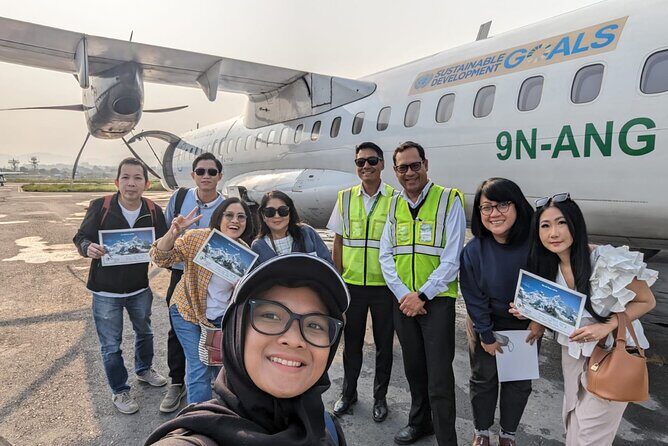
- Guaranteed window seat for Everest views, not a lottery
- Early 5:30 AM pickup that gets you airborne before the day crowds
- Four UNESCO World Heritage sites in a single day circuit
- Window-to-street pacing: flight, short rest and breakfast, then guided temple stops
- Real-world weather flexibility noted in guide-driver coordination
The 5:30 AM Everest Flight That Sets the Tone
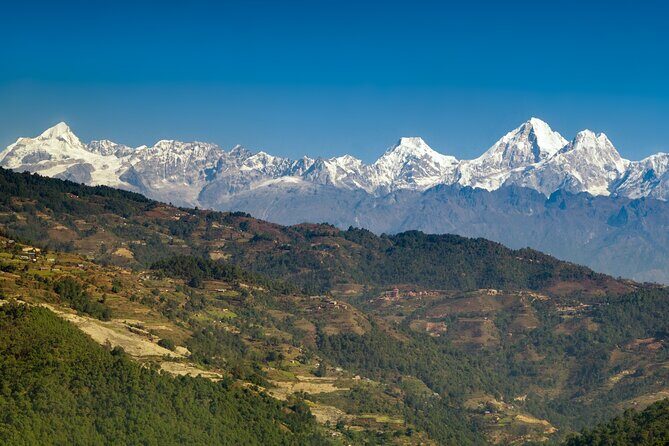
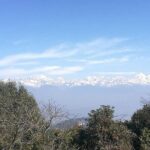
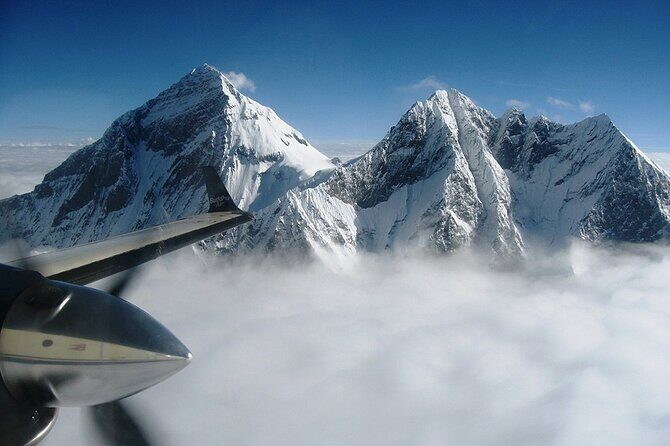
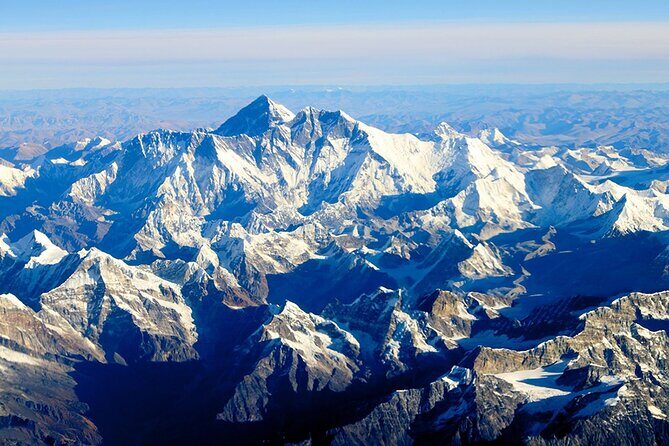
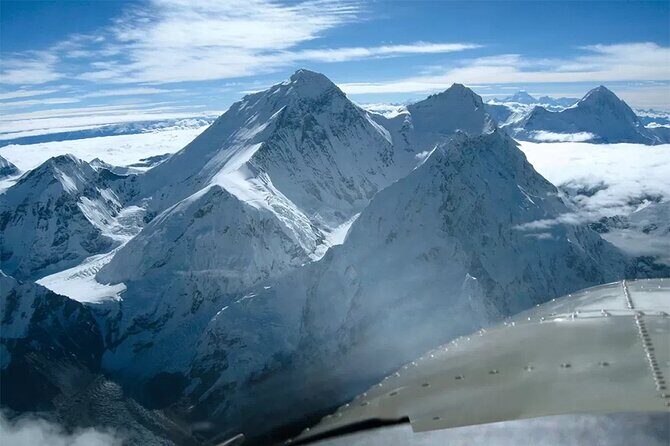
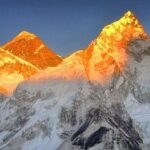
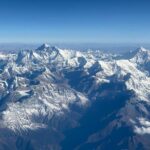
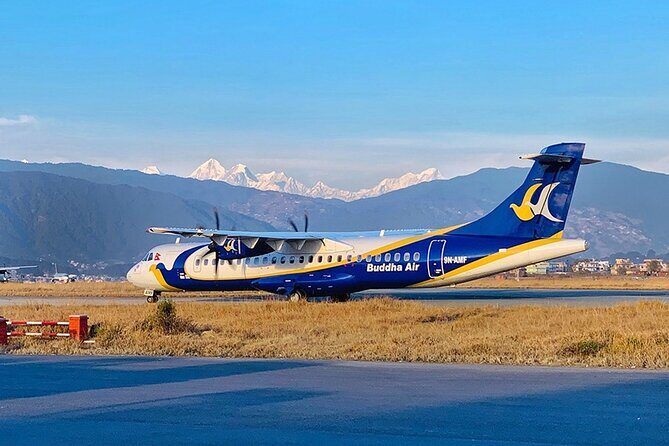
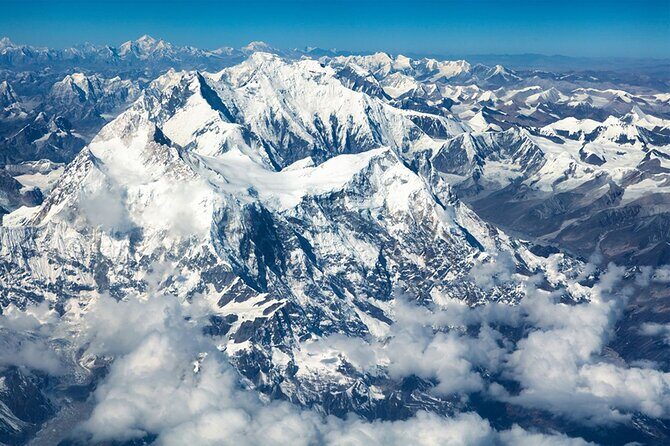
This tour is built around one moment: the Everest mountain flight. You’re picked up at 5:30 AM, driven to Tribhuvan International Airport (TIA), and then you’re up in the air for an aerial look at Mount Everest (8848 m). The flight is usually up to about an hour, and the whole day is planned around making that window of visibility count.
If you’re used to slow travel, this will feel different. It’s early, it’s structured, and it’s a little bit “check-in, board, look up, repeat.” But that’s also why it works. You’re not spending your whole day commuting between attractions or waiting around for random timing. You’re going to the airport early so you can actually see the mountains when conditions are at their best.
And you’ll likely appreciate the rhythm: fly, land, get back to your hotel for a short rest and breakfast, then head out for Kathmandu’s historic sites. It’s not just sightseeing; it’s a day with a clear emotional arc. First: scale. Then: culture.
You can also read our reviews of more tours and experiences in Kathmandu

Guaranteed Window Seat: The Difference Between Seeing and Missing It
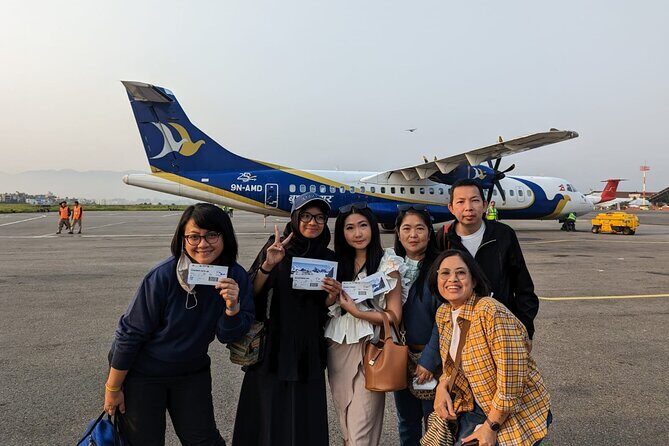
The Everest flight includes guaranteed window seat. That matters more than you might think. Mountain flights are short. If you’re stuck without a window, your “wow” factor can shrink fast because you’re relying on other people’s sightlines. Here, you can plan your camera and your expectations around one fixed perspective.
You also get a few small extras that make the experience feel official: your flight tickets, an adventure flight certificate, and the airport tax included. That’s the kind of packaging detail that saves you mental load. Instead of digging through what’s covered, you can focus on timing and staying comfortable.
One more practical point: the flight is weather-dependent. If conditions aren’t right, the provider offers a different date or a full refund. That’s a big deal for people traveling on a tight schedule, because it tells you the business isn’t betting everything on one forecast. Still, plan for the possibility that you might have to adjust your plans if weather won’t cooperate.
Back to Breakfast: Why the Rest Period Helps
After the flight, you’re taken back to your hotel for a short rest and morning breakfast. This is not just a nice-to-have. It helps you avoid the classic “tour exhaustion” loop—where you keep pushing through a day that already started in the dark.
The morning meal is also important because your next stops are more than “look at a building.” You’ll be visiting temple and heritage areas that can involve walking, stairs, and time spent standing around to take in views. Eating first makes the cultural segment feel more enjoyable instead of purely survival-based.
If you’re traveling with jet lag, or you’re coming from a day of arrival chaos, this reset can save the day. It turns the schedule from a marathon into something you can actually savor.
Kathmandu Durbar Square: Royal Power, Right in the Middle of the City
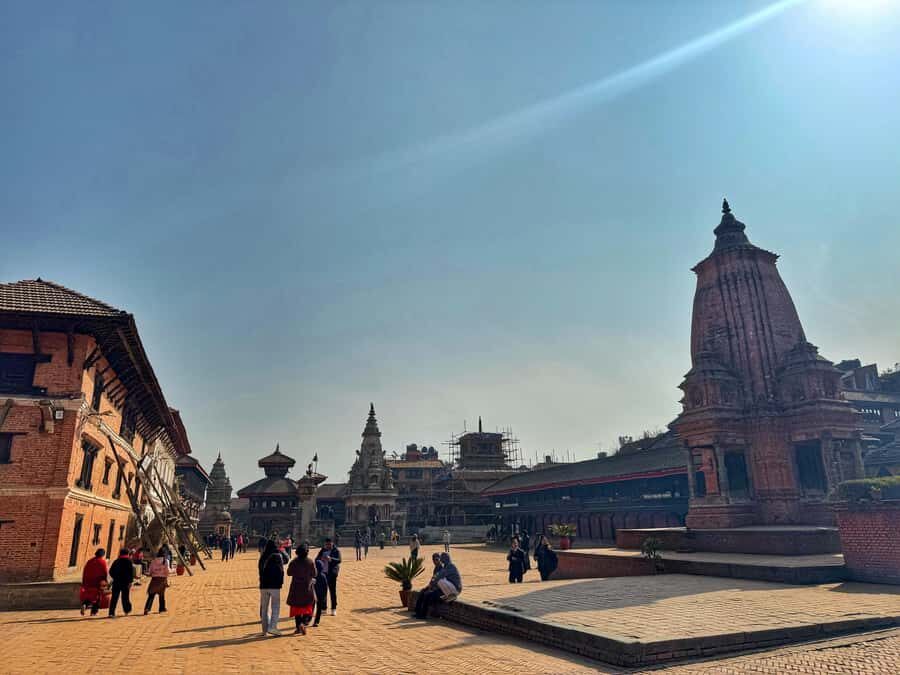
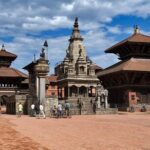
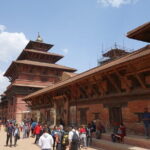
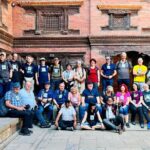
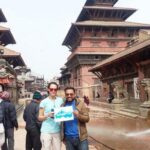
Kathmandu Durbar Square is one of the major royal palace squares in the Kathmandu Valley and is part of the UNESCO World Heritage designation. This stop is about one hour, and you’ll go by private vehicle after breakfast.
What makes Durbar Square special is that it’s not a museum-style presentation. It’s a living, layered urban environment. The palace complex and surrounding courtyards reflect the city’s historical role as a seat of power. You’ll get that sense quickly because everything feels close: buildings, carvings, and open spaces packed into a compact area.
A practical note: monument entrance fees are not included. Budget $25.00 per person for these sites. That way, you don’t get surprised when you’re ready to enter specific areas.
Drawback to keep in mind: because it’s a heritage zone inside a busy city, it can feel more crowded or active than the quieter religious sites later in the day. If you want calm and lots of personal space for photos, plan to move slowly and don’t expect a silent stroll.
Swayambhunath Monkey Temple: A Stupa on a Hilltop
Next comes Swayambhunath, often called the Monkey Temple. You’ll visit the site’s large stupa, known as the Mahachaitya. There’s a strong spiritual feel here because the stupa dominates the hilltop views in every direction.
The Tibetan name for the area means Sublime Trees, which hints at the way this site is connected to both nature and worship. You’ll notice that when you’re up there: it doesn’t feel like a single monument. It feels like a viewpoint plus a sacred space at once.
This stop is also about an hour. You’ll be able to take your time around the stupa areas, absorb the view, and enjoy the atmosphere without needing a half-day commitment.
Two reality checks:
- Entrance fees are not included for monuments.
- This is a hilltop location, so comfy shoes matter more than you’d expect.

Pashupatinath Temple: Sacred Shiva With a Riverfront Focus
Then it’s off to Pashupatinath, one of the most sacred Hindu pilgrimage sites dedicated to Lord Shiva. This is the type of site where you’re not just looking at architecture. You’re stepping into a religious landscape with deep local meaning.
This stop runs about one hour and you’ll go by private vehicle. Pashupatinath’s setting and reputation make it a powerful contrast to the stupa-centered sightseeing you’ve seen so far. Here the tone feels more devotional and ritual-focused.
As with other monuments, entrance fees are not included. So again, budget those $25.00 per person costs if you’re planning to enter the key areas.
One more consideration: the sacred sites segment can be emotionally intense and visually busy. Keep your expectations grounded. You’re there to understand the cultural importance, not to create a postcard-perfect scene every minute.
Boudhanath Stupa: The Largest Mandala Atmosphere
The final major stop is Boudhanath Stupa, known as the stupa with the largest mandala. This is a large-scale heritage site on the ancient trade route from Tibet, and it’s associated with Kassapa Buddha. You’ll spend about an hour here as the tour winds down.
This stop tends to feel different from Pashupatinath and the hilltop stupa. Boudhanath has a more meditative rhythm. You can see the design everywhere, and the scale helps you slow down and pay attention. Even if you’re not a “temple person,” it’s one of those places where your brain recognizes structure and meaning fast.
Entrance fees are not included for monuments. So plan your budget and keep your payment ready if you want full access.
Also, remember: this is the last stop. Pace yourself earlier so your legs and patience are still with you when you reach Boudhanath.
Price and What You’re Really Paying For
The price is $99.00 per person. For Kathmandu, that’s not the cheapest way to “see temples,” but the value math looks better when you factor in what’s actually included.
Here’s what the price covers:
- Everest mountain flight tickets
- Adventure flight certificate
- Guaranteed window seat
- A guided sightseeing tour through Kathmandu’s main sights
- Air-conditioned private car with driver
- Bottled water
- Airport tax
- Pickup and drop
What costs extra:
- Monument entrance fees (listed as $25.00 per person)
- Lunch
- Coffee/tea
So you’re mainly paying for the Everest flight + the logistics of getting you through four UNESCO sites without spending your day arranging transport. If you were doing this on your own, you’d still need to sort out early airport timing, transport between heritage locations, and a guide to make sense of what you’re seeing.
For best value, this is the kind of tour you book when you want a structured day and you don’t want to waste half of your Kathmandu time figuring out the rest.
How the Day Works: Timing, Comfort, and Getting Ready
The day starts at 5:30 AM. That’s a long morning run, but it’s also what makes the flight workable. The tour is scheduled so you can return for rest and breakfast afterward, then continue with sightseeing through the rest of the day.
Transportation is handled by a private, air-conditioned car with a driver. That’s a big comfort upgrade in Kathmandu traffic. You’re less likely to feel like you’re losing time to transfers.
You should also know this tour is described as a private tour/activity, meaning only your group participates. That can make the day feel calmer because you’re not getting pulled in different directions by other groups at each stop.
One more note that comes up in a real-world way: weather can delay flights. In at least one documented experience, the driver and guide coordinated schedule changes when the morning flight got delayed. The important takeaway for you: the day has to flex, and the team seems to know how to handle it without turning it into chaos.
Who This Tour Suits Best (And Who Might Want a Different Plan)
This is a strong choice if you:
- Want a single-day package that covers both Everest flight views and top Kathmandu heritage sites
- Care about maximizing the “morning sky window,” not just getting around town
- Prefer having transport and guiding handled for you
It might not be ideal if you:
- Hate early mornings and won’t handle a 5:30 AM start
- Are the type who wants very long, slow temple wandering with lots of spare time
- Have very rigid plans tied to one date, since the flight requires good weather (and rerouting depends on availability)
Also, if you love deep scholarly history, you may find the day is more “big highlights” than “super detailed archaeology lecture.” The tradeoff is you get more variety—flight plus four UNESCO sites—without dragging the schedule into a second day.
Should You Book This Everest and Kathmandu Day Tour?
If you want one trip that gives you both the Himalaya from the air and the key sacred sites of Kathmandu on the same ticket, I think this is a sensible booking. The guaranteed window seat is the standout value lever, and the fact that the day includes a rest and breakfast after the flight makes the whole schedule feel more humane.
Book it if you’re comfortable with an early start and you’re willing to budget $25.00 per person for entrance fees at the monuments. Pass or consider an alternative if you’re extremely weather-sensitive or you can’t tolerate schedule shifts.
For most visitors, this is the kind of day that leaves you with two kinds of memories: one shaped by altitude and light, and the other shaped by culture, faith, and the architecture of Kathmandu.
FAQ
What time does the tour start?
Pickup and the tour start time is 5:30 AM.
Does the Everest flight include a window seat?
Yes. The tour offers a guaranteed window seat.
How long is the full day tour?
The duration is listed as about 7 to 8 hours.
Which Kathmandu sites are included in the sightseeing?
You visit Kathmandu Durbar Square, Swayambhunath, Pashupatinath Temple, and Boudhanath Stupa.
Are entrance fees included for the monuments?
No. Monument entrance fees are listed as $25.00 per person.
Is lunch included?
No. Lunch is not included.
What if the Everest flight can’t run due to weather?
If the experience is canceled due to poor weather, you’ll be offered a different date or a full refund.
Is there free cancellation?
Yes. You can cancel for a full refund up to 24 hours in advance of the experience’s start time.