REVIEW · KATHMANDU
Private Manaslu Circuit Trek at Himalayas
Book on Viator →Operated by Himalayas On Foot - Day Tours · Bookable on Viator
If you want Himalaya solitude, this trek delivers. The Manaslu Circuit mixes big views with small villages and calm trails.
I love that this route is built for real acclimatization, not just pushing upward. I also like the practical setup: a licensed guide, lodge stays, and most trail meals are included.
One watch-out: you still crest a serious high pass, and you’ll need moderate fitness plus smart pacing.
Key points I’d circle before you go
- Restricted-area permits included (Manaslu Restricted Permit, MCAP, ACAP), so you’re not scrambling for paperwork
- High point at Larkya La Pass (5,160m), with acclimatization built into the schedule before the pass day
- Tea house / lodge trekking style with sleeping options each night on the trail
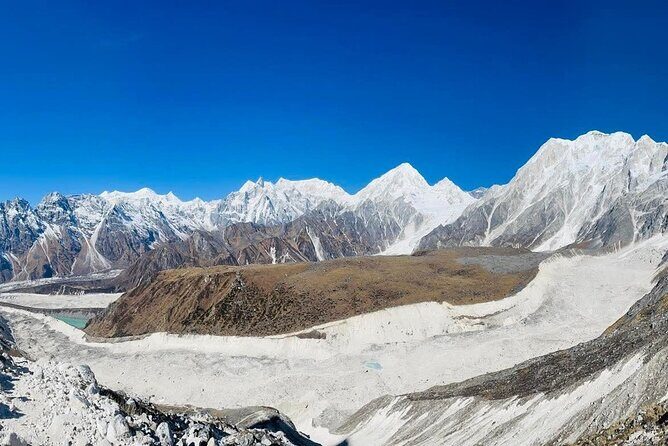
- Hot spring and Budhi Gandaki crossings early on, then glacier scenery later as altitude rises
- Private only your group (but the area requires at least two people to book)
In This Review
- Why Manaslu’s Route Feels Different Than Other Nepal Treks
- Price and Value: What $1,500 Really Covers
- The Permits and “Restricted Route” Reality Check
- Day-by-Day Walkthrough: Kathmandu to Machha Khola to Larkya La
- Day 1: Kathmandu (1,400m) to Machha Khola area
- Day 2: First real trail day to Jagat (1,410m)
- Day 3: Jagat up to Pewa (1,860m)
- Day 4: Pewa to Namrung (2,630m)
- Day 5: Namrung to Lho (3,180m)
- Day 6: Lho to Sama Gaon (3,530m)
- Day 7: Acclimatization at Manaslu Base Camp (4,400m)
- Day 8: Samdo area (3,690m) and toward base-camp territory
- Day 9: Full day in Samdo (3,690m) for acclimatization and views
- Day 10: Toward Larkya Phedi / Larkya Base Camp (4,460m)
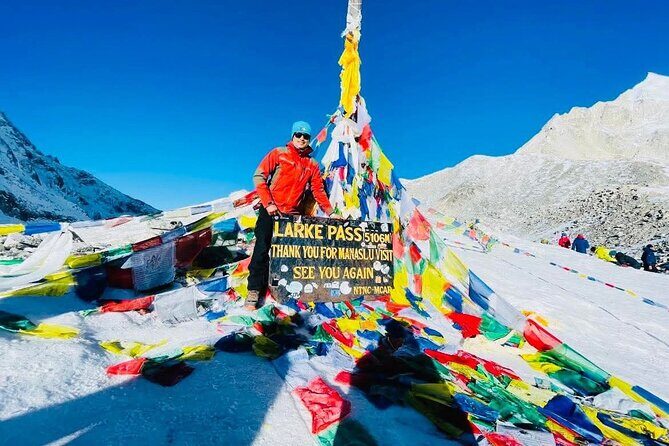
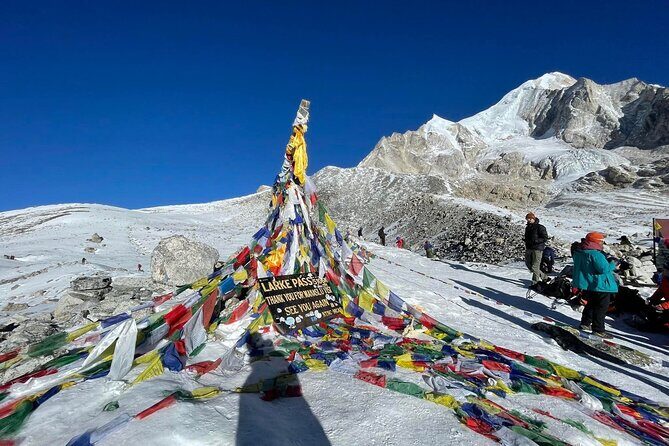
- Day 11: The big pass day to Larkya La (5,160m)
- Day 12: Down to Bimthang (3,720m)
- Day 13: Dharapani and back toward Kathmandu (1,963m)
- Altitude Strategy: Why These Acclimatization Days Matter
- Tea Houses, Lodges, and the Food Rhythm on the Trail
- Guides, Pace, and What Private Trekking Feels Like
- Packing Notes: What’s Provided vs What You Must Bring
- Who This Trek Fits Best
- Should You Book This Private Manaslu Circuit Trek?
- FAQ
- How long is the Manaslu Circuit Trek?
- What is the highest altitude on this itinerary?
- Is pickup from Kathmandu included?
- Are meals included during the trek?
- What permits are included?
- Is accommodation provided during the trek?
- Do I get a porter for my bag?
- How late can I cancel for a full refund?
Why Manaslu’s Route Feels Different Than Other Nepal Treks
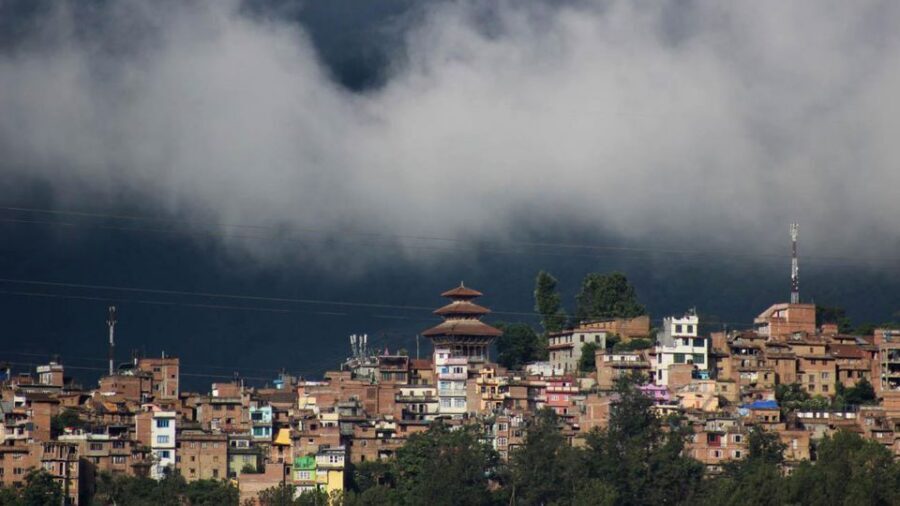
The Manaslu Circuit doesn’t run like a conveyor belt. Even though it’s a famous trek in Nepal, the vibe you’re aiming for is quiet trail time, with villages that still feel lived-in rather than staged for crowds.
What I like most is the mix of worlds across the days. You start in lower river country, then move through terraced settlements, forest edges, open alpine meadows, and finally the harsher, colder feel near the high pass.
The other big draw is the Tibetan-influenced culture you’ll keep running into along the way—prayer wheels, mani walls, and monasteries appear as the trail rises. That matters because it keeps the trek from feeling like a sightseeing checklist. You’re walking through a region with a spiritual rhythm that’s older than the trekking industry.
Price and Value: What $1,500 Really Covers
At $1,500 per person (for the approx. 13-day program), the value isn’t just “you get a guide.” You’re paying for a whole bundle of things that can add up fast in Nepal trekking.
Here’s what’s included that usually costs extra if you try to DIY:
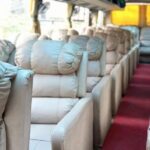
- Kathmandu to Machha Khola and back to Kathmandu by bus
- A professional trekking guide (government licensed) with insurance and food
- Tea house / lodge accommodation on the trek
- Permits: Manaslu Restricted Permit, Manaslu Conservation Area Permit (MCAP), Annapurna Conservation Area Permit (ACAP)
- Core trail meals: breakfast (13), lunch (13), dinner (12)
- Basic medical gear: a first aid kit and an oximeter
- A farewell dinner in Kathmandu on the last night
What’s not included (and matters for your budget):
- Any meals in Kathmandu
- Drinks on the trek (hard and soft drinks)
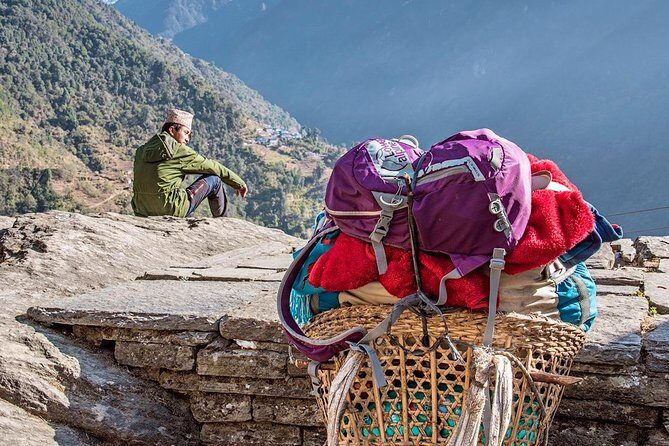
- A porter for your bag
- Travel insurance and international airfare/visa
So the honest way to think about it: if you want the permits, guide, and most meals handled, this price feels more like “all the heavy lifting” than “just transportation.” If you already have gear and a porter lined up, your savings shrink a bit—but you’re still paying for the permit package and licensed guidance.
You can also read our reviews of more private tours in Kathmandu
The Permits and “Restricted Route” Reality Check
Manaslu is a restricted trekking area, which is a good thing. Restrictions often mean fewer trekkers, more regulation, and fewer last-minute surprises.
In this package, the Manaslu Restricted Permit and the two conservation permits (MCAP and ACAP) are included. That’s important because permits aren’t just paperwork. They’re tied to how your route is allowed to operate and how the region manages visitors.
Two more practical notes from the terms:
- This is a private tour, meaning only your group participates.
- The trek requires a minimum of two people to book (because of the restricted-area rules).
If you’re traveling solo and don’t want to wait, that minimum can matter. You’ll want to plan around group size or ask how the operator handles matching.
Day-by-Day Walkthrough: Kathmandu to Machha Khola to Larkya La
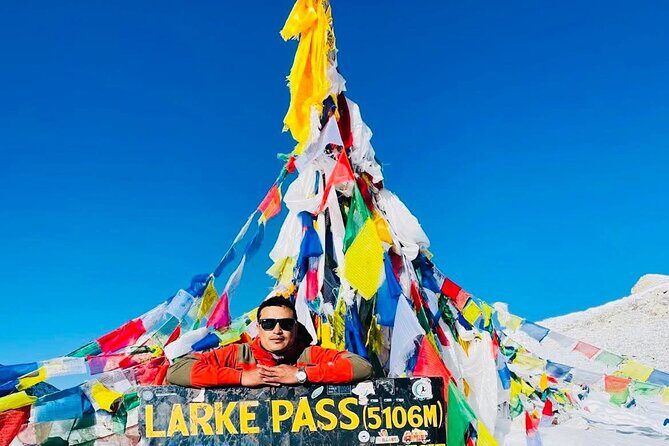
Below is how the trail rhythm typically goes, based on the planned travel and walking days. I’ll flag what each segment feels like, and where you might want to watch your step.
Day 1: Kathmandu (1,400m) to Machha Khola area
You start with a 7–8 hour drive out of Kathmandu toward Machha Khola, the trek’s start. This day is mostly about settling in—hydration, early sleep, and not making your body mad before the walking begins.
Max altitude listed is 1,400m. If you’re prone to feeling altitude in Kathmandu already, take this as a gentle ramp-up day.
Day 2: First real trail day to Jagat (1,410m)
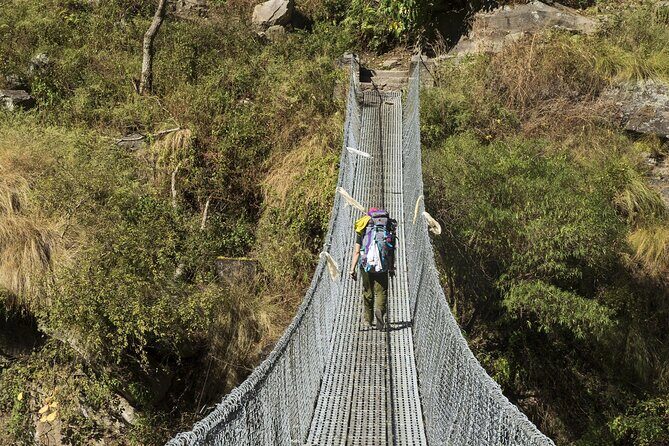
Walking is 6–7 hours. The trail is described as narrow and you’ll cross the Tharo Khola, then reach Khorlabesi. There’s also a hot spring along the way, which can turn an otherwise hard day into something more forgiving.
Max altitude: 1,410m. This is still low enough that you can focus on your pace and foot rhythm.
You can also read our reviews of more hiking tours in Kathmandu
Day 3: Jagat up to Pewa (1,860m)
Travel on day 3 is 7 hours, and max altitude is 1,860m, heading toward Pewa. The day is about getting used to steady movement and repeated climbs—small enough to manage, but enough to get your legs working.
Drawback here: after a drive day and then walking time, it’s easy to treat day 3 like “one more workout” and forget rest. You’ll want to pace and save energy for the bigger altitude days later.
Day 4: Pewa to Namrung (2,630m)
You’ll walk with 6 hours of travel time and reach 2,630m at Namrung. Namrung is one of those village waypoints where the trek starts to feel more distinctly Himalayan: tighter paths, steeper turns, and a colder feel as the day progresses.
This is a good day to start thinking about layers you can remove quickly when you’re warm and put back on when you stop.
Day 5: Namrung to Lho (3,180m)
Day 5 has a shorter 4-hour travel day, max altitude 3,180m, reaching Lho. A shorter day at altitude is exactly the kind of balance you want on a circuit trek—less time exhausted, more time adjusting your breathing.
If you tend to push hard when days feel easy, resist that habit. The pass day is coming.
Day 6: Lho to Sama Gaon (3,530m)
Day 6 is another shorter trekking day with max altitude 3,530m, reaching Sama Gaon. The plan keeps unfolding toward the higher core of the trek without jumping too fast in altitude.
This is also where lodge nights start to matter more. You’ll benefit from taking time to recover your feet and refill water.
Day 7: Acclimatization at Manaslu Base Camp (4,400m)
This is labeled as an acclimatization day with max altitude 4,400m at Manaslu Base Camp. The idea: you gain altitude, then you pause long enough to let your body catch up.
This day is useful for keeping headaches and nausea risks lower later. Even if your legs feel fine, acclimatization days are where the trek earns its safety margin.
Day 8: Samdo area (3,690m) and toward base-camp territory
Walking is 4–5 hours, max altitude 3,690m at Samdo. The trail descends to the Budhi Gandaki River and then heads toward Manaslu Base Camp.
Max altitude drops compared with day 7, which can feel like a relief. Still, you’re working at thinner air than the early days.
Day 9: Full day in Samdo (3,690m) for acclimatization and views
Day 9 is another acclimatization day with max altitude 3,690m. You’ll explore the village, and you can hike up the valley to a trade pass toward Tibet for excellent views.
I like these “option hikes” because they give you control. If you feel strong, you go. If you don’t, you stay local and recover. Either way, you keep the schedule from turning into nonstop pain.
Day 10: Toward Larkya Phedi / Larkya Base Camp (4,460m)
Walking is 4–5 hours with max altitude 4,460m. The plan includes crossing a wooden bridge over the Budhi Gandaki and then crossing two streams.
This is the kind of day where trail footing matters. Bridges and stream crossings can be fine—or slippery—depending on weather. Take your time and keep your steps deliberate.
Day 11: The big pass day to Larkya La (5,160m)
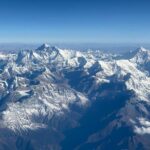
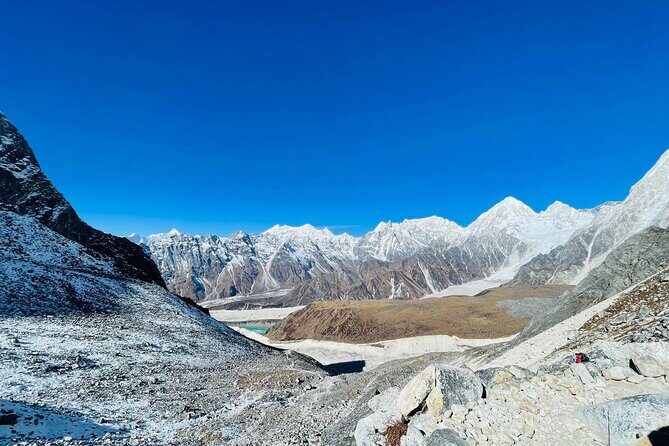
Day 11 is 7–8 hours walking with max altitude 5,160m at Larkya La Pass. The route heads through valleys and then through moraines of glaciers. Views are specifically mentioned for Cho Danda and Larkya Peak.
This is the day you build your experience around. It can be cold, and it can feel slow simply because altitude does that. You’ll want layers you can manage while moving, and a mindset that says: steady steps win.
Possible drawback: if you start fast out of excitement, you’ll likely pay for it later. The pass rewards consistency.
Day 12: Down to Bimthang (3,720m)
Walking isn’t listed as hours here, but max altitude is 3,720m at Bimthang, with 9 hours of travel. You’re returning along the descending trek route.
This is one of those days where “down” doesn’t mean easy. Your knees still work. It’s worth using trekking poles if you have them, and keeping your step short.
Day 13: Dharapani and back toward Kathmandu (1,963m)
You finish with 8–10 hours of travel, max altitude 1,963m at Dharapani. The plan ends after you make your way back down from the circuit region.
This is where you’ll feel both relief and a little blank space in your schedule. After a trek like this, even a drive day can feel emotional—your body is tired, but your mind has moved through a lot of altitude and quiet scenery.
Altitude Strategy: Why These Acclimatization Days Matter
The route includes clear altitude management choices:
- Day 7 acclimatization at Manaslu Base Camp (4,400m)
- Day 9 acclimatization at Samdo (3,690m)
- Then a planned move toward the pass (Larkya La at 5,160m) on Day 11
This pattern matters. It’s not just about reaching high points. It’s about how you stage your recovery so the pass day isn’t your first big push.
Practical advice: if you feel off on an acclimatization day, don’t “prove” anything by hiking hard. Staying near the village and moving slowly is often the smart play. I also recommend you keep water intake steady; dehydration can make altitude feel worse fast.
Tea Houses, Lodges, and the Food Rhythm on the Trail
This trek uses tea house / lodge accommodation, which is a big quality-of-life point. You’re not roughing it with camping gear unless you’re choosing to.
Meals included are strong for day-to-day pacing: breakfast (13), lunch (13), dinner (12). That means you can walk without constant cash decisions during the day.
Drinks are not included on the trek. So plan for the fact that water, tea, and soft drinks may add up. If you’re bringing your own water strategy, you’ll still likely buy hot drinks for comfort when temperatures drop.
A small but meaningful detail: there’s mention of a hot spring along the Day 2 route. Even if it’s not a dramatic soak, any warm-water stop can help your muscles reset.
Guides, Pace, and What Private Trekking Feels Like
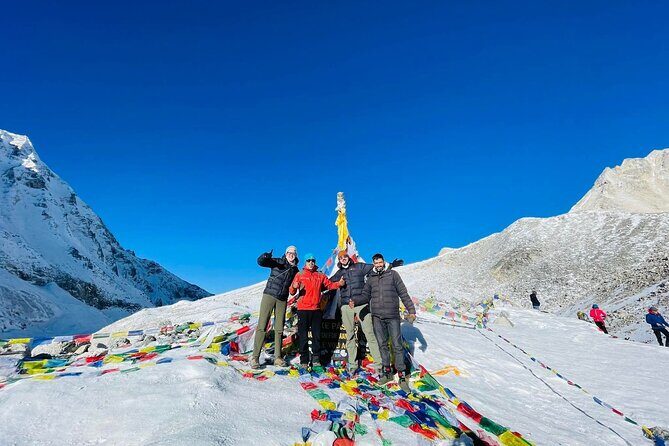
This is a private tour, so you’re not sharing the route with random strangers and adjusting your pace to theirs. That matters on a trek where altitude and fatigue control the “best speed.”
The strongest signal from past experiences is guide quality and pacing. Names that show up include Yaka, Laxman, and Raj. What I take from that is not personality fluff—it’s the practical stuff: matching your pace, staying safe, and keeping the day comfortable enough that you can actually enjoy the views when they show up.
If you’re the type who likes structure, having a licensed guide with an insurance plan and a first aid kit (and an oximeter) gives you real peace of mind. At the same time, your best outcome still depends on your own pacing habits, especially toward the pass.
Packing Notes: What’s Provided vs What You Must Bring
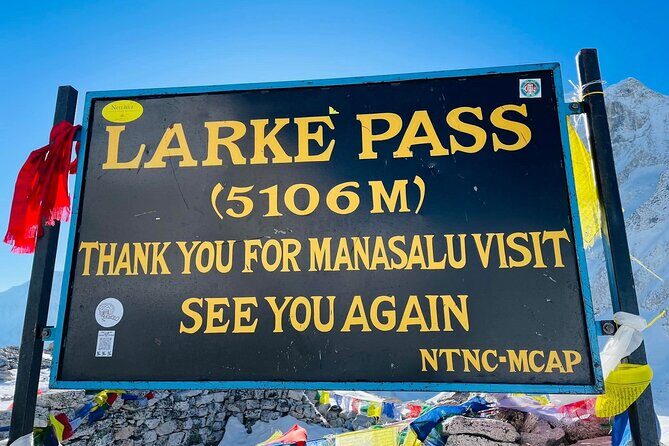
The package includes:
- Sleeping bag, down jacket, and duffle bag if necessary (and you return gear after the trek)
- Well-equipped first aid kit and oximeter
What’s not included:
- A porter for your bag
- Drinks on the trek
- Personal travel insurance
So your big packing job is choosing the right comfort and warmth without overloading your carry. If you don’t hire a porter, your duffle weight can become the hidden challenge.
Practical move: plan for cold evenings. Even if you feel fine during the day, morning and nighttime near the high zone can bite.
Who This Trek Fits Best
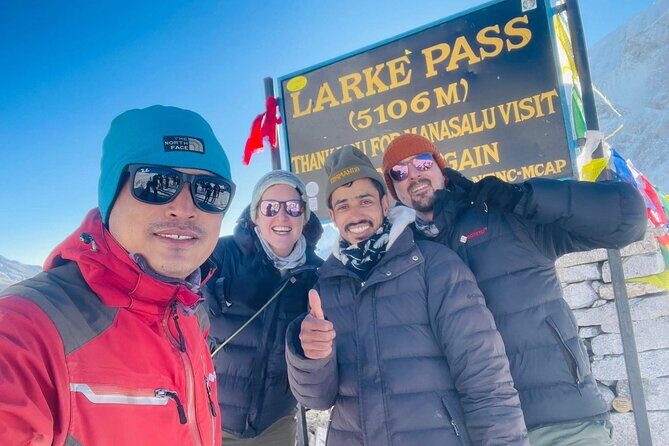
This trek is built for moderate physical fitness. That doesn’t mean “easy.” It means you can handle long walking hours and higher-altitude days without being completely wiped.
You’ll likely love it if you want:
- Culture-forward village walking with Tibetan-influenced religious sights
- A trek that leans into quiet, less crowded feeling
- Big mountain scenery, including the Larkya La Pass crossing
You may want to think twice if:
- You dislike high-altitude days or have limited trekking experience
- You’re relying on a porter to carry everything (since porter service isn’t included)
- You need lots of luxury comfort on the trail (this is lodge-based trekking, not a hotel tour)
Should You Book This Private Manaslu Circuit Trek?
If you want a serious Himalayan trek but also want the “adult supervision” of permits handled, a licensed guide leading your pace, and acclimatization built into the schedule, this one is a strong match.
Book it if:
- You’re comfortable training for a high pass day to 5,160m
- You like the idea of tea house / lodge trekking with most meals taken care of
- You want a private group experience with only your people on the route
Hold off or ask more questions if:
- You’re traveling solo and the minimum-two-person requirement might complicate your dates
- You don’t know whether you can manage without a porter for your bag
- You want Kathmandu meals included (they aren’t)
If you do book, my best tip is to treat acclimatization days as training days for your body, not just “rest days.” If your pace is smart on day 11, the rest of the trek feels like a reward instead of a grind.
FAQ
How long is the Manaslu Circuit Trek?
The duration is listed as 13 days (approx.).
What is the highest altitude on this itinerary?
The highest altitude listed is 5,160m at Larkya La Pass.
Is pickup from Kathmandu included?
Yes. Pickup is offered, and the itinerary includes Kathmandu to Machha Khola by bus.
Are meals included during the trek?
Yes. Breakfast is included for 13 days, lunch for 13 days, and dinner for 12 days. Meals in Kathmandu are not included, and drinks during the trek are also not included.
What permits are included?
The package includes the Manaslu Restricted Permit, Manaslu Conservation Area Permit (MCAP), and Annapurna Conservation Area Permit (ACAP).
Is accommodation provided during the trek?
Yes. Tea house / lodge accommodation is included during the trek.
Do I get a porter for my bag?
No. A porter for your bag is not included.
How late can I cancel for a full refund?
You can cancel up to 6 days in advance for a full refund (you must cancel at least 6 full days before the experience’s start time).