REVIEW · KATHMANDU
Manaslu Circuit Trek 8th Highest in the World
Book on Viator →Operated by Adventure Glacier Treks & Expedition · Bookable on Viator
Few treks feel this remote. The Manaslu Circuit is all about Himalayan scale, quiet villages, and real mountain travel, not crowds. I love that this route follows a restricted-area that keeps it from becoming another cookie-cutter trail, and I also like how the schedule builds in culture (Tibetan influence) alongside the big peaks. One thing to consider: the experience is genuinely physically demanding, with Larkya La pass timing that pushes you out early and expects steady trekking day after day.
You’ll start in Kathmandu, get gear checked, then head out by road to the trailheads. A key detail here is that the region requires costly permits and strict rules: you must go with a registered Nepali trekking company and the group must include at least two trekkers (not counting guide and porter). That framework is part of what protects the remoteness, but it also means solo-style “wander in and see” isn’t how this trek works.
On the logistics side, the value looks strong on paper: airport pickup/drop, Kathmandu hotel (three nights), ground transport, permits (including a special permit $100), a professional guide, porter support, and three meals a day on trek. You still carry your own beverage costs, tips, and travel insurance, so budget for that too.
In This Review
- Quick hits: what makes this Manaslu Circuit special
- Manaslu Circuit at a glance: remote, high, and oddly rewarding
- Price and logistics: what you get for $1,600 and what to plan yourself
- The Kathmandu setup: Thamel, Durbar Square, and gear reality checks
- Getting onto the trail: Machha Khola to Tatopani’s river rhythm
- What could be annoying here?
- Sirdibas to Salleri: first Buddhist signs and those early peak frames
- Namrung and the SringiKhola Valley: forests, villages, and cooling nights
- Samagaun: when Tibetan influence becomes obvious
- Samdo (days 8 and 9): easy walking, high-country merging rivers, and optional border time
- The consideration
- Larkya La crossing days: sunrise timing, wind avoidance, and steep ridge work
- Why this section matters for value
- Descent via Dharapani and Jagat: joining the Annapurna trail for a gentler rhythm
- Back to Kathmandu: Besisahar Jeep transfer, then the long ride home
- The guides and porters: the part you’ll feel every day
- Who this trek suits best (and who should rethink it)
- Should you book this Manaslu Circuit trek?
- FAQ
- How long is the Manaslu Circuit trek on this tour?
- What does the $1,600 per person price include?
- Are meals included during the trek?
- Are permits included?
- What are the strict rules for trekking in this area?
- Which day includes the Larkya La Pass crossing?
- Is there an optional side trip on the route?
Quick hits: what makes this Manaslu Circuit special
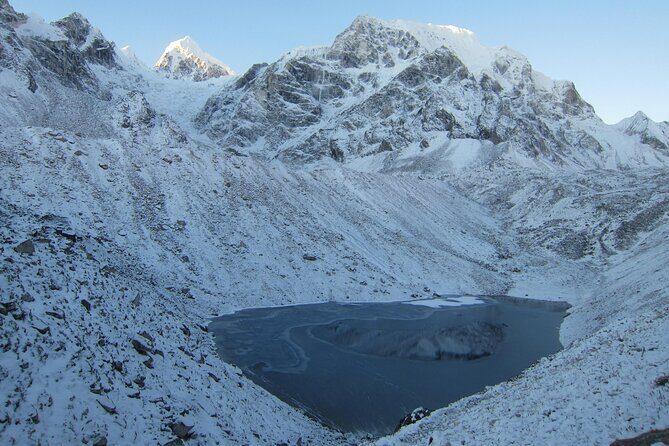
- Restricted Manaslu region means fewer people and more authentic village life along the trail
- Tibetan-influenced days (Samagaun and beyond) where culture shows up in how people live and build
- Larkya La pass is the big milestone, done with an early start to catch sunrise and reduce midday wind
- Optional Tibetan border side trip from Samdo gives you a bonus day without changing the main route
- Guide/porter support is a repeated high point in feedback, with named guides like Roshan and Dil praised for comfort and safety
Manaslu Circuit at a glance: remote, high, and oddly rewarding
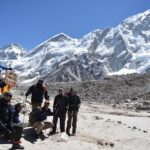
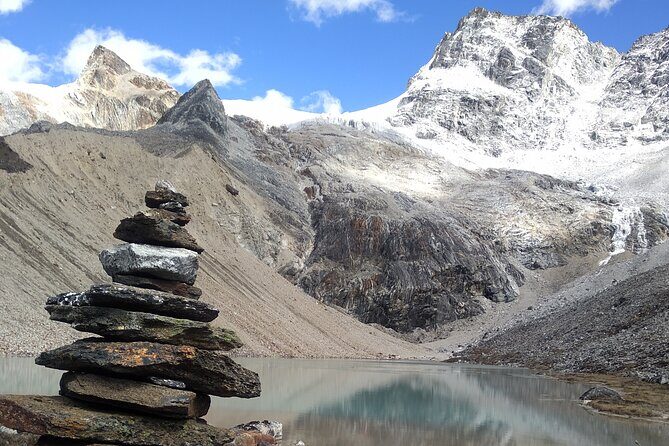
The Manaslu Circuit is built around one simple idea: go where the mountains feel less “managed” and more real. This trek runs through valleys and villages that look and behave like they’re still part of daily life—not just scenery for photo stops. Even better, you get variety: river valleys with waterfalls and landslides, forested sections, high pasture-style walking, and then the stark, exposed feeling that comes with altitude.
I also like that this trek connects big-peak views with cultural texture. As you move toward Samagaun and the Samdo area, the tour leans into Tibetan culture influence. That shows up as the scenery changes and the villages feel closer to the world across the border.
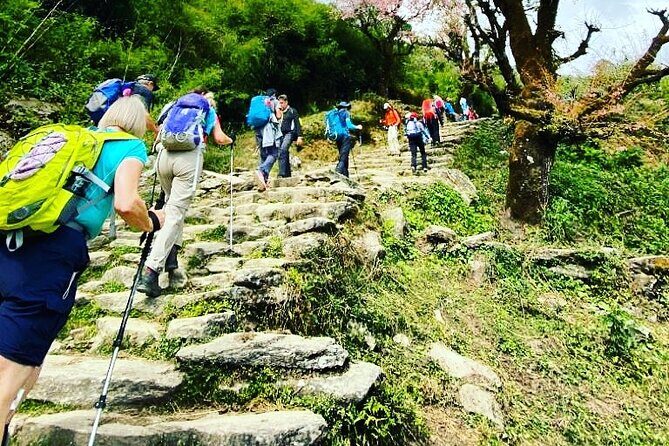
Finally, you should go into it knowing it’s not a casual hike. The route includes high passes, long trekking days, and cold mornings. If you love mountain challenges and don’t mind being tired at the end of the day, this is a great fit.
You can also read our reviews of more hiking tours in Kathmandu
Price and logistics: what you get for $1,600 and what to plan yourself
At $1,600 per person for an ~14-day trek, the value depends on what you want to avoid. This price includes a lot of the parts that normally balloon in Nepal treks:
- Airport pickup/drop
- Three nights in Kathmandu at a tourist standard hotel
- Ground transportation
- Necessary permits, including a special permit ($100)
- Professional guide plus porter/porters (with insurance and equipment covered in their expenses)
- Guesthouse accommodation on trek
- Three meals daily as scheduled in the itinerary
What you’ll pay separately is also clear: beverages, tips, travel insurance, personal expenses, and food in Kathmandu beyond the daily breakfast. In practice, that means you should budget for bottled water and snacks, and you should plan to carry some cash for small purchases.
One more logistical reality: you’re trekking under strict permit rules. You’ll need the trekking company and the group composition that the region requires, so don’t treat this as something you can improvise late.
The Kathmandu setup: Thamel, Durbar Square, and gear reality checks
Day 1 starts in Thamel, with an airport meeting and hotel check-in. The trekking trip actually starts before you lace up boots. You’ll get a trek briefing from the local team so you know what kind of days are coming—then you sleep in Kathmandu while your muscles still think you’re taking a vacation.
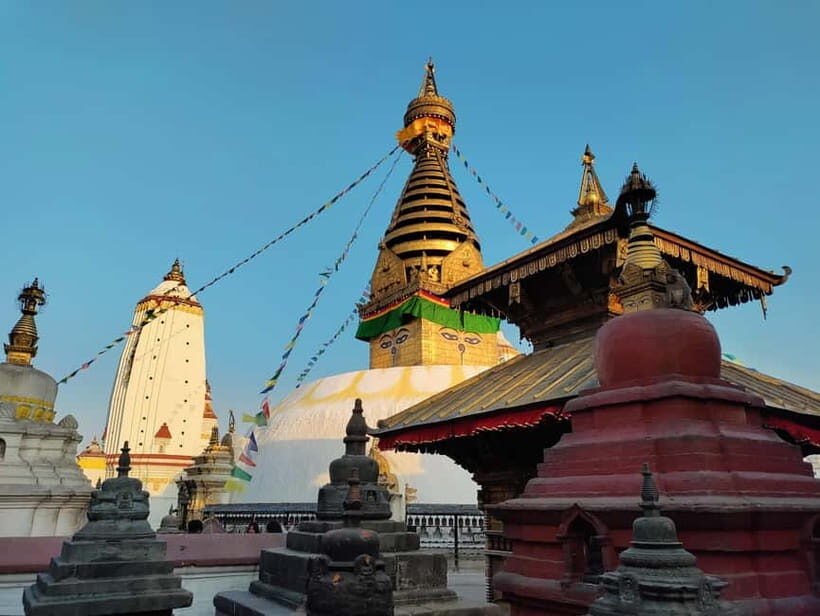
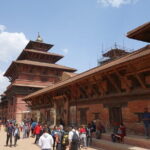
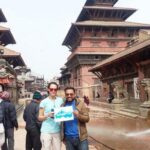
Day 2 is where Kathmandu adds a little context. You’ll explore Kathmandu Durbar Square (with admission ticket listed as not included), and you’ll also do a gear review. I like this step because trekking gear problems in Nepal are usually not dramatic—until they are. The tour team reviews what you need and can suggest buying, renting, or receiving items (if you’re missing something important).
If you’re the type who likes being prepared but also hates overpacking, that gear check is a practical win.
Getting onto the trail: Machha Khola to Tatopani’s river rhythm
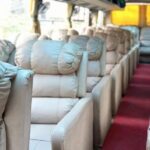
After breakfast in Kathmandu, you’ll drive to Machha Khola (Day 3). The bus ride can be long because of road conditions, and the ride itself is part of the Nepal experience: bumpy, a bit unpredictable, and always scenic. If you’re prone to motion sickness, take that seriously before you go.
Day 4 climbs from Machha Khola after crossing a river, moving up toward Khorla Besi and trekking along a river valley. This is one of those days where the mountains don’t feel like a wall yet. You’ll pass waterfalls and landslide areas—exactly the kind of terrain that reminds you the Himalayas are alive and active.
You finish at Tatopani village, which is described as known for its natural hot springs. Even if you don’t plan a soak, that’s a good sign your body will appreciate the rest.
What could be annoying here?
This early segment is about adjusting to time on your feet. If you expect instant “wow, we’re in the high Himalaya,” it comes gradually. The reward is that it feels like you earn the higher country rather than teleport into it.

Sirdibas to Salleri: first Buddhist signs and those early peak frames
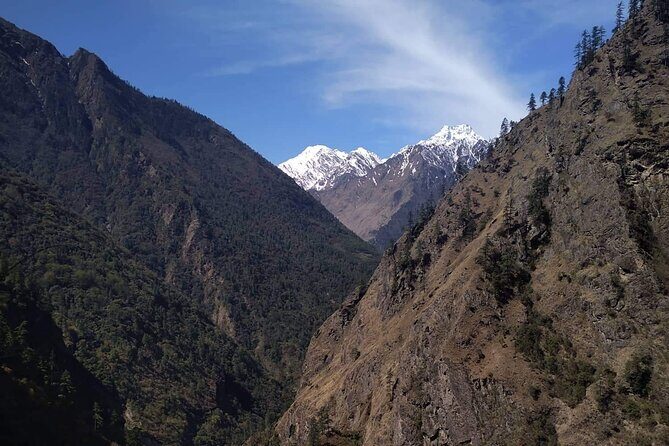
Day 5 is a switch from riverbed walking and rocky ridges into a cultural change. You trek down to Sirdibas (1,430 m) and start seeing early Buddhist culture signals on the trail. Then you continue onward to Salleri (1,440 m).
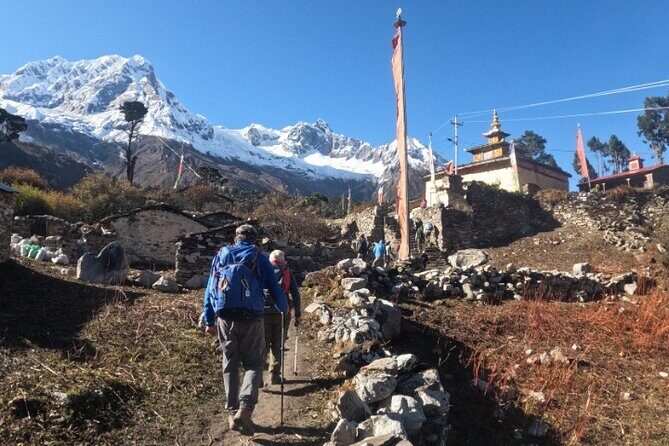
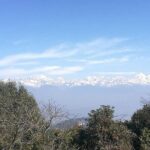
What I like about this day is the mix: it’s not only about legs; it’s about your eyes learning the region. You even catch wonderful views of Sringi Himal (7,187 m), and that helps you mentally lock onto what the trek is building toward.
Day 5 also sets your pace. If you can keep steady and relaxed here, the higher days feel much more manageable.
Namrung and the SringiKhola Valley: forests, villages, and cooling nights
Day 6 brings Namrung into focus. You trek down into the SringiKhola Valley, cross a river, then hike through forests until you reach Ghap. The description emphasizes that you’ll feel the ascent and enjoy cooler nights with Himalayan views.
I like this kind of day because it’s “work,” but not the scary kind. Forest trails often mean better footing than exposed ridges, and trees can soften the wind that starts showing up more later.
Samagaun: when Tibetan influence becomes obvious
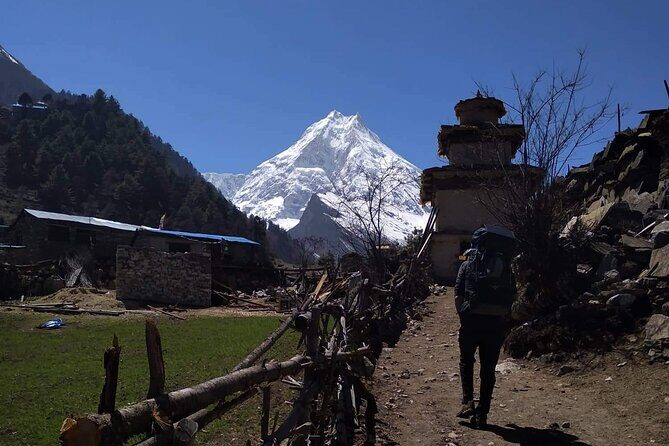
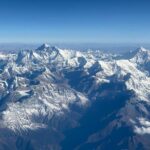
Day 7 is Samagaun, and it’s one of the most meaningful cultural stops in the itinerary. The tour notes that Tibetan culture has a strong influence here. You move through terrain where cliffs disappear as you trek to a valley with views of Manaslu (8,163 m), Manaslu North (7,157 m), and Naike Peak (5,515 m).
This is the day where the trek feels serious. You’ll still hike at “human speed,” but the visual scale changes. If you’re camera-happy, this is the part where you can stop worrying about whether your photos do justice—because the views are big enough to overwhelm the screen.
Samdo (days 8 and 9): easy walking, high-country merging rivers, and optional border time
Day 8 reaches Samdo. The itinerary describes it as mostly flat through juniper and birch forests, via KermoKharka, followed by river crossing and then reaching the merging of the Budhi Gandaki and ShyaleKhola.
This is a classic high-altitude reset day: you’re still climbing in the bigger picture, but the effort can feel steadier. That matters because Day 9 has an optional extra experience.
Day 9 also lists Samdo, with an optional 8-hour side trip to the Tibetan border. You’ll go with packed lunch and plenty of drinking water. If you’re the kind of traveler who likes stretching a trek into more than one “main event,” this is a strong option. If you’d rather rest, you can also simply walk around Samdo and observe daily life.
The consideration
Even “easy” days at altitude can feel different than low elevation hiking. If you’re already tired from the previous climb, treat this day as either a bonus or a recovery—don’t force it.
Larkya La crossing days: sunrise timing, wind avoidance, and steep ridge work
This is the heart of the Manaslu Circuit experience.
Day 10 focuses on Larkya La Pass. You descend to 3,850 meters to cross the Budhi Gandaki, then ascend through juniper and tundra, with out-and-in ravines, to reach Larkya Guest House, described as the final stop before Larkya La. You also get Dharamsala referenced as another place in the crossing segment, so this is clearly the logistical setup day.
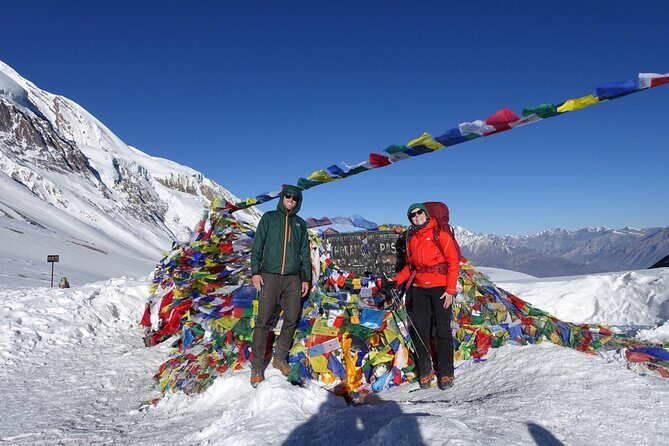
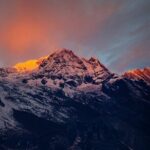
Day 11 is when the tour really plays altitude-smart. You leave early to catch sunrise over the pass and to avoid strong wind after midday. You’ll also want a torch close by for the start of the steep, stunning walk over several ridges.
I love this kind of scheduling because it shows what you actually want on high passes: light, calmer conditions, and enough time to move steadily without rushing.
Why this section matters for value
A guide’s decisions are huge on a day like this. Early departures and wind avoidance aren’t just nice; they protect comfort and help you keep your breathing steady.
Descent via Dharapani and Jagat: joining the Annapurna trail for a gentler rhythm
Day 12 takes you from Bimtang through forests and pastures in the Dudh Khola Valley to Dharapani, where you join the more popular Annapurna Circuit Trek trail. The itinerary calls this a 7-hour journey.
This is a psychological shift: the circuit is still remote, but you’re now closer to a more travelled artery. That can mean more “trail energy” in the guesthouses and a slightly different mix of hikers.
Day 13 moves from Dharapani down to Jagat (around 6 hours). The description notes descent near the Marsyangdi Nadi gorge. If roads make sense for you that day, the itinerary says you can consider chartering a Jeep to help with the logistics depending on conditions.
In other words: this is where you start trading steep hardship for smart finishing.
Back to Kathmandu: Besisahar Jeep transfer, then the long ride home
Day 14 is your exit day. You travel to Besisahar in a shared Jeep for the first half of the day, then refresh and take a bus from Besisahar back to Kathmandu. The description highlights views of the village around Besisahar.
If you’re wondering whether you’ll feel “done” after the pass: you will feel that mix of relief and fatigue. Then the ride back gives you a few hours to digest what you did—especially if you look back at the valleys you’ve just walked through.
The guides and porters: the part you’ll feel every day
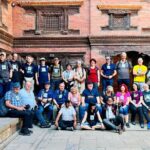
One repeated praise point in the feedback is the human side of the trek. Names come up in reviews: Roshan appears as a guide who was attentive to needs, and Sudip is mentioned as a porter who helped make the journey feel cared for. Samir is also specifically referenced, and Dil shows up in multiple positive notes.
What I take from that pattern is simple: good support reduces stress. You’ll notice it most in the small things—help with comfort, practical advice, and the sense you’re not guessing your way through a complex route. When the itinerary is strict because of permits and altitude timing, that kind of competence matters.
It also helps that some reviews describe the company as family-run and attentive from the start. That matters in Kathmandu too, not just on the trail.
Who this trek suits best (and who should rethink it)
This Manaslu Circuit is a great match if you:
- Want a remote Himalayan trek, not a mass-market hike
- Enjoy long days and can handle cold mornings
- Like culture as part of the journey, not a side note (Tibetan influence shows up clearly)
- Appreciate structured support from a guide and porter team
You might want to reconsider if you:
- Want an easy walking holiday
- Don’t plan to walk early mornings or deal with wind at altitude
- Are expecting unlimited flexibility like changing the route day-to-day
Should you book this Manaslu Circuit trek?
If your goal is an authentic, less crowded high-altitude circuit with a real plan and solid human support, this one makes sense. The price includes permits, transport, guide and porter support, guesthouses, and most meals—so you’re not cobbling together the hard parts yourself. And the feedback pattern—people specifically calling out safety, comfort, and helpfulness—suggests the company takes day-to-day care seriously.
My only caution is to treat it like a mountain trek, not a scenic stroll. If your fitness is solid and you’re comfortable with early mornings and a big pass day, you’ll likely feel proud finishing this.
FAQ
How long is the Manaslu Circuit trek on this tour?
The trek is listed as about 14 days.
What does the $1,600 per person price include?
It includes airport pickup/drop, three nights in Kathmandu at a tourist standard hotel, ground transportation, necessary permits (including a special permit $100), a professional guide and porter/porters, guesthouse accommodation during the trek, and three meals a day as outlined in the itinerary.
Are meals included during the trek?
Yes. The itinerary includes breakfast, lunch, and dinner on the trekking days as mentioned (with specific meals listed for certain days).
Are permits included?
Yes. The price includes the necessary permits, including the special permit ($100). You’ll still need to comply with the trek’s restricted-area rules.
What are the strict rules for trekking in this area?
You must trek with a registered Nepali trekking company and the group must include at least two trekkers (not counting the guide and porter).
Which day includes the Larkya La Pass crossing?
The itinerary places Larkya La Pass as the focus on Day 10 and Day 11, with Day 11 starting early for sunrise over the pass.
Is there an optional side trip on the route?
Yes. On the Samdo day (Day 9), you have the option of an 8-hour side trip to the Tibetan border with packed lunch and drinking water. You can also stay around Samdo instead.