REVIEW · KATHMANDU
Kathmandu Heritage Day Tour with Guide.
Book on Viator →Operated by Eco Holidays Nepal · Bookable on Viator
One day, four icons, lots of meaning. This Kathmandu Heritage Day Tour strings together Kathmandu, Patan, and Boudha in one long sightseeing circuit, with a guide who explains what you’re seeing as you go. You get an air-conditioned ride with pickup, plus in-depth commentary in multiple languages, so the sites don’t feel like random stops. One thing to plan for: admission fees and lunch aren’t included, so your budget needs a little extra buffer.
What I like most is that the tour is built for “short on time, still want the essentials” days. You’ll see major UNESCO-listed landmarks, including Durbar Square with the Kumari (Living Goddess) setting, and you’ll also get the big religious contrast of Pashupatinath with its Shiva shrines and Boudhanath’s calm Buddhist focus.
My only real caution is pacing. It’s a 6–7 hour loop with multiple religious sites, so expect walking, uneven temple-area steps, and time spent queuing or moving between areas.
In This Review
- Quick hits you’ll actually use
- The big idea: how this one-day route makes sense
- Getting oriented fast: Kathmandu Durbar Square and the Kumari seat
- Swayambhunath (Monkey Temple): a different kind of Kathmandu
- Pashupatinath Temple: the Shiva centerpiece and its ceremonies
- Boudhanath Stupa: peace, scale, and Buddhist practice
- Comfort, timing, and how the guide shapes your day
- Value check: is $70 worth it for a 6–7 hour day?
- Who this tour suits best (and who should skip it)
- A few booking reminders that protect your day
- Should you book the Kathmandu Heritage Day Tour?
- FAQ
- How long is the Kathmandu Heritage Day Tour?
- Where does the tour take place?
- Is pickup from my hotel included?
- What’s included in the price?
- Are entrance fees included for the monuments?
- Is lunch included?
- What language options are available for the guide?
- How big is the group?
- What happens if the weather is bad?
- FAQ
- How flexible is cancellation?
- Is bottled water provided during the tour?
- Is the tour suitable for most travelers?
Quick hits you’ll actually use
- Air-conditioned vehicle + hotel pickup: helps a lot in Kathmandu heat and traffic
- Guide commentary in five languages: you’ll get the story behind what you see
- Four major stops in one day: Durbar Square, Swayambhunath, Pashupatinath, Boudhanath
- Small group cap (max 30): easier for your guide to manage your timing
- Bottled water included: a small comfort that matters on a long day
- Admission + lunch not included: plan your cash and meals ahead
The big idea: how this one-day route makes sense
If you’re in Kathmandu for a short visit, you usually face a choice: either pick a couple of sites and go slow, or try to cover a lot and accept that it’ll feel like a sprint. This tour tries to split the difference. The route targets the capital’s best-known spiritual landmarks and pairs them with guide-led context, so you understand the why—not just the where.
The private, air-conditioned vehicle is more than comfort. It’s what keeps your day from turning into “half sightseeing, half waiting.” And with pickup included, you don’t lose your best hours figuring out transport once you’re already tired.
The other hidden value is the time structure. You’re not bouncing randomly. You move from one major area to the next with a guide who helps you navigate what matters—Temples, shrines, and the places that locals still treat as active religious space.
You can also read our reviews of more guided tours in Kathmandu
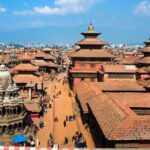
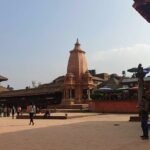
Getting oriented fast: Kathmandu Durbar Square and the Kumari seat
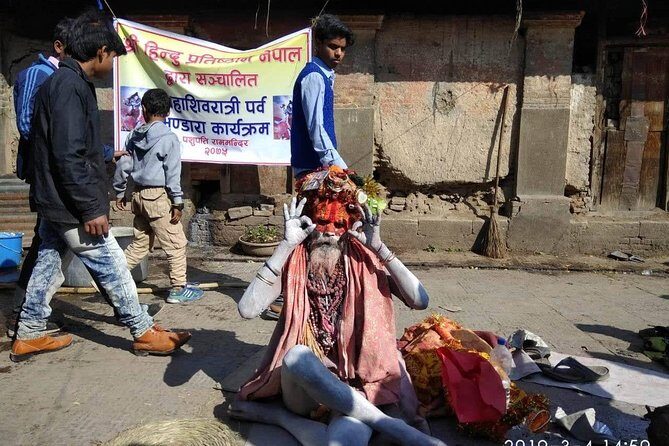
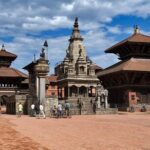
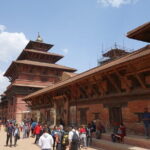
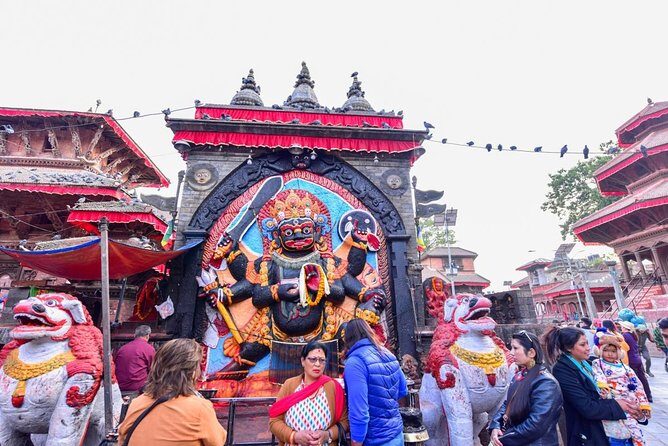
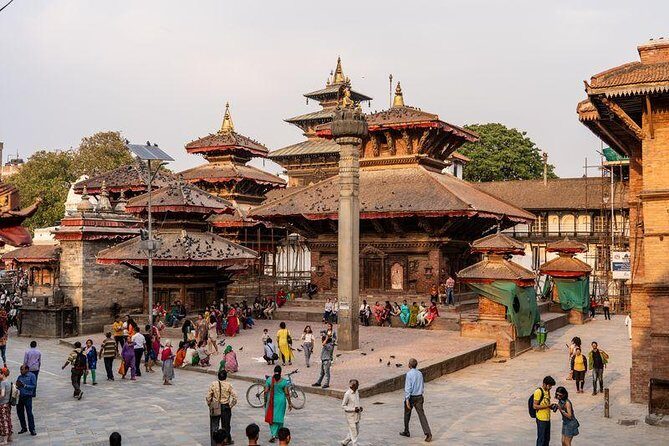
Your day starts at Kathmandu Durbar Square, one of the most important heritage zones in the city. This is where you’ll feel Kathmandu’s Newar palace-and-temple culture most directly—courtyards, carved façades, and the layered mix of royal and religious life.
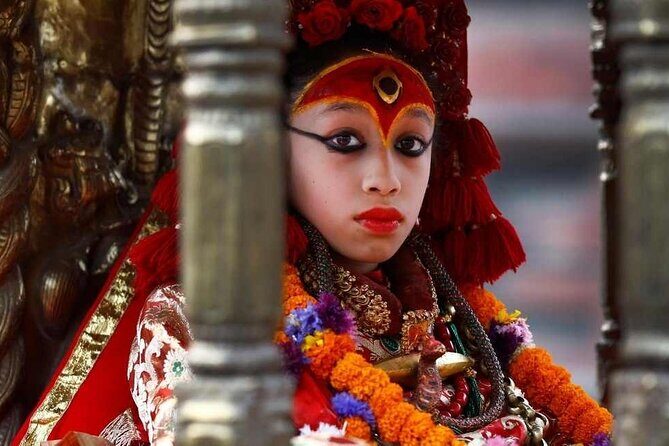
The standout connection here is the Kumari—the Living Goddess. Even if you’re not there at the exact moments when crowds surge, the area’s identity is tied to that role. Your guide’s commentary matters, because Kumari traditions aren’t just a tourist label; they connect to how people historically understood purity, protection, and civic life.
Practical notes to keep expectations realistic:
- You should budget about one hour for this stop.
- Admission isn’t included, so you’ll want cash or payment access for site entry if required.
- Durbar Square areas often involve stairs and uneven ground, and that can slow photo stops.
If you like architecture and symbolic places, Durbar Square is a strong “first anchor” for the day. It gives you context before you head toward the more sprawling, pilgrimage-style sites later.
Swayambhunath (Monkey Temple): a different kind of Kathmandu
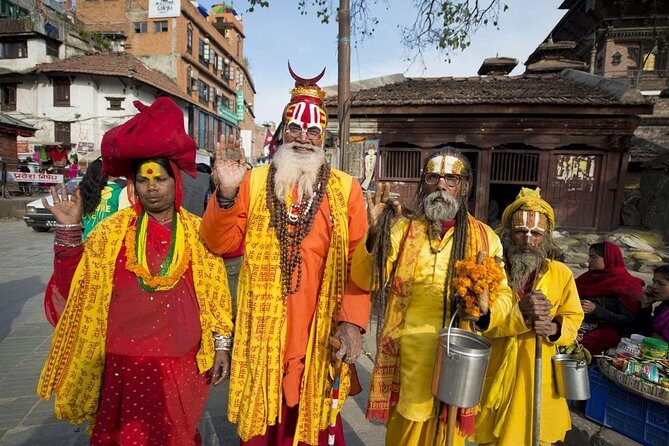
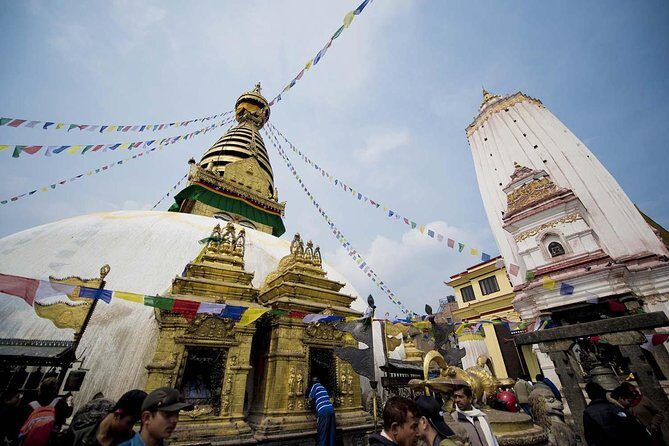
Next up is Swaymbhunath, famously called the Monkey Temple. The name is catchy, but the real draw is the hilltop temple complex and the views that come with it. You’re moving from palace-courtyard energy into a higher vantage that feels more expansive and pilgrimage-oriented.
Expect a slower, more sensory stop than Durbar Square. This is the place where you’ll notice how Buddhism is presented in everyday practice—prayer wheels, clustered shrines, and those small acts of devotion people repeat without thinking.
Your tour gives you about one hour here. That’s enough to:
- walk through the main temple areas,
- pause for the view,
- and get the story behind why this site is so closely tied to Buddhist Kathmandu.
Two considerations:
- Temple-area steps can add up, especially earlier in the day.
- Admission isn’t included, so factor that in at the start of the day rather than at the last minute.
If you’re the type who likes to watch how people actually use a place (instead of only photographing monuments), Swayambhunath is one of the most satisfying stops on this itinerary.
Pashupatinath Temple: the Shiva centerpiece and its ceremonies
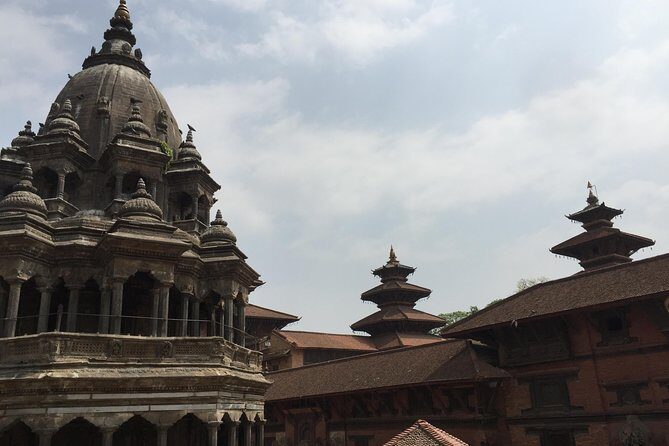
Then comes Pashupatinath Temple, a major Hindu pilgrimage site dedicated to Shiva. This stop is the most emotionally intense on the list, partly because it’s not staged. It’s active religious space where locals come for worship and life-cycle moments.
The tour schedules about two hours at Pashupatinath, which is a good amount of time for this kind of place. You’ll have room to walk the temple perimeter, pause for views along the river, and let your guide explain what you’re seeing—temples, shrine layout, and the rhythms of devotion.
A useful way to think about Pashupatinath: it’s not just a temple to see. It’s a temple to witness. Your guide’s explanations help you understand why certain areas feel more ceremonial, and why the site’s scale is part of how people experience worship here.
Plan for:
- crowd flow and slower movement at peak times,
- religious etiquette (basic respect goes a long way),
- and admission not included, so you’ll likely pay an entry fee if required for the parts you visit.
If you want a real Kathmandu Valley reality check—where faith is lived daily—Pashupatinath is the stop you’ll remember.
Boudhanath Stupa: peace, scale, and Buddhist practice
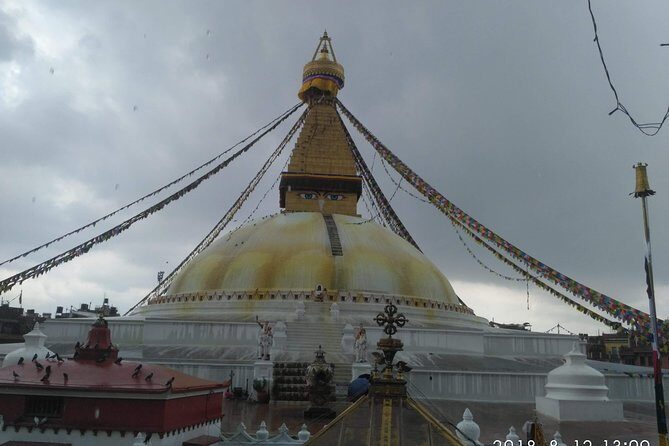
You end with Boudhanath Stupa, one of the most well-known Buddhist sites in the Kathmandu Valley. If Pashupatinath is intense and human, Boudhanath often feels quieter and more spacious. The stupa dominates the area, and you notice how Buddhism creates calm through repetition: prayers, movement, and the steady flow of people.
This is scheduled for about one hour, and that’s enough for a satisfying circuit around the stupa area if you’re not trying to linger for hours. You’ll likely spend that time:
- walking around the stupa perimeter area,
- observing prayer practices,
- and soaking in the slower pace that makes Boudhanath feel like a reset button.
As with other stops, admission isn’t included, so add entry fees to your day plan. Also, because it’s a pilgrimage site, keep your pace respectful—people are there for devotion, not for selfies.
From a tour design point of view, Boudhanath is a smart finale. It balances the day’s Hindu-heavy energy with Buddhist focus, and it gives your brain a chance to decompress after the longer Pashupatinath stop.
You can also read our reviews of more historical tours in Kathmandu


Comfort, timing, and how the guide shapes your day

The comfort level is practical here: air-conditioned vehicle, bottled water, and door-to-door transfer help you stay functional across the full loop. Kathmandu can be hot, and traffic can be unpredictable, so having a predictable transport plan is worth something.
What really changes the experience is the guide. Your tour includes commentary in five languages, which means you shouldn’t have that awkward feeling of watching without understanding. That interpretation turns religious sites into context-rich places: why Kumari matters, what makes Pashupatinath significant, and what you’re looking at when you see Buddhist stupa features and prayer behaviors.
You also benefit from group size being capped at 30 travelers. That number isn’t tiny, but it’s small enough for a guide to keep the day from turning chaotic.
In the real world of Kathmandu, flexibility matters. Many guides and drivers build their day around crowd flow and local conditions, and the tour’s model supports that kind of adjustment.
Value check: is $70 worth it for a 6–7 hour day?

At $70 per person for a 6–7 hour experience, this tour can be a strong value if you factor in what’s included. You’re getting:
- an air-conditioned vehicle (not just a taxi ride),
- hotel pickup/transfer,
- bottled water,
- and a guide with multi-language commentary.
The big “watch-outs” on value are also clear:
- Admission tickets aren’t included
- Lunch isn’t included
- All fees and taxes are listed as not included
So your final cost depends on site entry rules and what you choose to eat. Still, even with admissions and lunch added, this kind of day tour can save money versus piecing together separate transport and guides for each stop—especially if you want a coherent route that doesn’t waste time.
If you’re traveling as a couple or small group, group discounts can also improve the deal. The tour format makes it easier to get a structured day without hiring a full private guide for the entire time.
Who this tour suits best (and who should skip it)
This tour fits best if:
- you have limited time in Kathmandu Valley,
- you want the “main sights” without planning,
- you appreciate religious and cultural explanation, not just photos,
- you can handle short walks and temple steps.
You might skip it if:
- you want a slow, deep museum-style pace,
- you dislike religious sites or large crowds,
- you have very limited mobility and need a more adaptable schedule (the tour notes that most travelers can participate, but it’s still multiple temple environments).
A few booking reminders that protect your day
If you book, take five minutes to plan for the parts that aren’t included. Build in some money for admission fees at each stop and plan your lunch separately. Also, this is an experience that depends on good weather—if conditions are poor, you may be offered another date or a refund.
On timing: confirmation happens after booking, so you’ll want to treat the schedule as your anchor for the day and not leave your must-see plans hanging.
Finally, if you have preferences—more photography, more time at one site, less at another—tell your guide. With heritage sites, small adjustments make a big difference.
Should you book the Kathmandu Heritage Day Tour?
Yes, I’d book it if you want a smart, efficient way to see Kathmandu’s biggest spiritual stops in one day with interpretation. The mix of Durbar Square + Swayambhunath + Pashupatinath + Boudhanath hits both the historical Newar core and the wider religious pilgrimage feel of the valley. Add in pickup, air-conditioning, and bottled water, and you get a format that keeps you moving without burning your energy.
I’d think twice if you’re trying to keep the day super low-cost or you’re expecting admissions and lunch to be included in the $70. You’ll also want to accept that it’s a packed route—great for a single-day overview, less ideal if you want lots of downtime.
If you’re okay with that trade-off, this tour is a practical way to get your bearings fast—and understand what you’re looking at while you’re there.
FAQ
How long is the Kathmandu Heritage Day Tour?
It runs about 6 to 7 hours.
Where does the tour take place?
The tour takes place in Kathmandu, Nepal, covering key sights in the Kathmandu Valley including Kathmandu Durbar Square, Swayambhunath, Pashupatinath Temple, and Boudhanath Stupa.
Is pickup from my hotel included?
Yes. Pickup is offered, and transfers are included.
What’s included in the price?
The tour includes an air-conditioned vehicle and bottled water.
Are entrance fees included for the monuments?
No. Admission ticket fees are not included for the listed stops.
Is lunch included?
No. Lunch is not included.
What language options are available for the guide?
The guide provides commentary in five languages.
How big is the group?
The tour has a maximum of 30 travelers.
What happens if the weather is bad?
The experience requires good weather. If it’s canceled due to poor weather, you’ll be offered a different date or a full refund.
FAQ
How flexible is cancellation?
You can cancel for a full refund if you cancel up to 24 hours in advance.
Is bottled water provided during the tour?
Yes, bottled water is included.
Is the tour suitable for most travelers?
The tour notes that most travelers can participate.