REVIEW · KATHMANDU
Nagarkot Trekking in Kathmandu Nepal (1 Night / 2 Days)
Book on Viator →Operated by Himalayan Advisor Pvt. Ltd. · Bookable on Viator
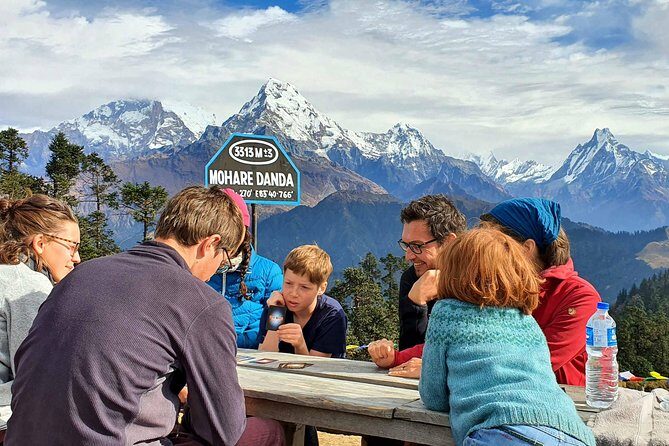
A sunrise in the Himalaya can feel like a luxury. This Nagarkot trekking plan makes it doable with a short hike, a comfy hotel night, and a guide who keeps things on track. The route mixes village trails with two major viewpoints: the Nagarkot sunrise area and UNESCO-listed Changu Narayan.
I especially like two things. First, you get the “taste of trekking” without committing to a long trek: the uphill segments are timed, the pace is manageable, and the tour is set up so you won’t get lost. Second, the logistics are handled: private vehicle transport from Kathmandu (including Boudha), entrance fees/local permits, and a standard tourist hotel in Nagarkot with full board.
One possible drawback: visibility can be hit-or-miss. Even with early wake-up for sunrise, fog happens around Nagarkot, so you should be ready to enjoy the mountain vibe even if the horizon looks muted.
In This Review
- Key things to know before you go
- The core idea: 2 days that feel like more than 2 days
- Getting from Kathmandu to Sankhu: start time and why it matters
- Sankhu Village to Nagarkot: the uphill hike you’ll remember
- Nagarkot at sunrise: the view tower stop
- Nagarkot hotel night: where comfort matters
- Descending with purpose: Buddha Peace Park and a short trail break
- Changu Narayan Temple: UNESCO-level cultural stop without the stress
- Guide quality makes or breaks short treks
- How the price works: is $250 per person fair?
- What to wear and pack for comfort (not just looks)
- Best fit: who should book this Nagarkot trek?
- Should you book this Nagarkot trekking experience?
- FAQ
- What’s the duration and start time of the Nagarkot trekking tour?
- Where does the trekking start, and how long is the uphill section?
- Is a hotel night in Nagarkot included?
- What’s included in the price?
- What is not included?
- Is free cancellation available?
Key things to know before you go
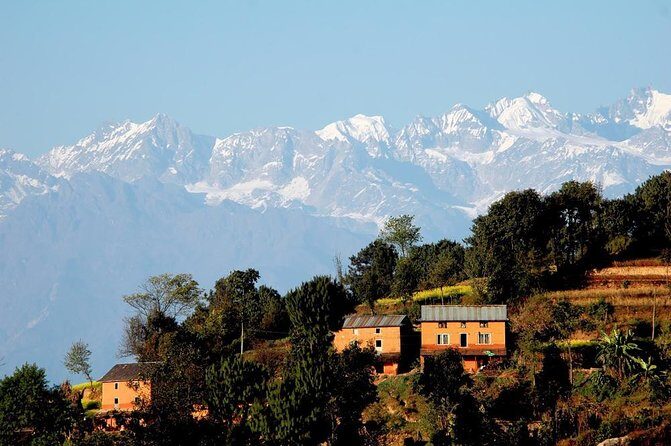
- Short, panoramic hiking between Sankhu and Nagarkot, with around 3 hours uphill to the top
- Guided sunrise logistics with an early wake-up window (about 6:00–6:30 depending on season) at the Nagarkot viewpoint/tower
- UNESCO stop at Changu Narayan Temple, reached on the way down, with about a 30-minute visit
- A simple descent with a quick break at the Nagarkot Buddha Peace Park hiking trail (about 15 minutes)
- Full package value: English-speaking guide, required permits/entrance fees, hotel night, and private transport included
- Private tour comfort: it’s just your group, so you won’t be stuck following a crowd’s pace
The core idea: 2 days that feel like more than 2 days
If your Kathmandu time is limited, I like the smart balance here. You’re not doing a multi-day trek where you’re living in your hiking shoes for half your life. Instead, you get a real hiking day (up to Nagarkot) plus an early-morning viewpoint and a cultural descent to Changu Narayan.
This also helps you understand the rhythm of the Nepal hills. You’ll start in a village setting, move through terrace farmland and mountain views, and then transition into temple-country—where stonework and location matter as much as views. The private guide is a big part of that: you can focus on walking and seeing, not route anxiety.
You can also read our reviews of more evening experiences in Kathmandu


Getting from Kathmandu to Sankhu: start time and why it matters
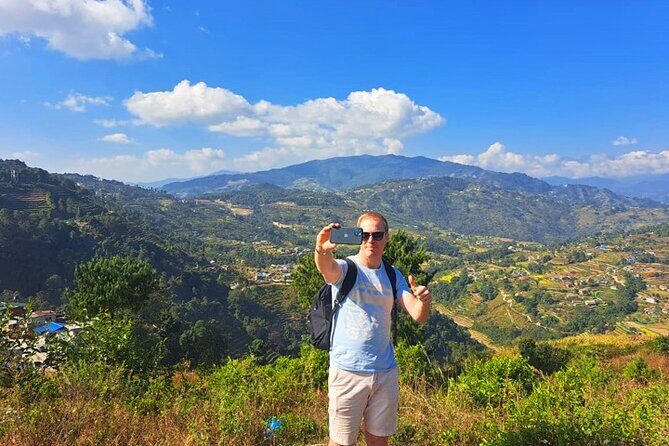
The tour begins at 9:00 am. You’ll drive from Kathmandu to Sankhu Village, where the hiking starts. This matters because it sets your whole timing for the day: the uphill portion is about 3 hours, so starting promptly gives you daylight and buffer if you’re stopping for photos.
You also get included transport by private vehicle, including pickup-style transfers from Kathmandu and even Boudha. If you’re staying around Boudha or want that route covered, it’s a convenience win. And because it’s private transport, you’re not juggling shared minibus timing with other itineraries.
Practical tip: you’ll want your daypack organized before you leave. Water, a layer for the morning air, and a small snack strategy make the hiking feel smoother—especially on a day that has both walking and viewpoint time.
Sankhu Village to Nagarkot: the uphill hike you’ll remember
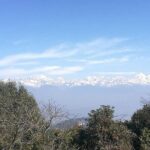
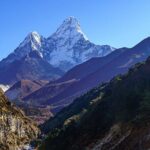
From Sankhu, the trek climbs to Nagarkot. The itinerary describes this as about 3 hours uphill, passing through terrace land, villages, and mountain views. This is one of those routes that gives you variety without requiring advanced trekking skills.
What makes it good for most people is how it teaches you what trekking is like in Nepal. You’ll feel the effort of climbing, but the schedule keeps it approachable. You’re also guided, which is a real advantage on village trails where paths can branch and shortcuts can be tempting.
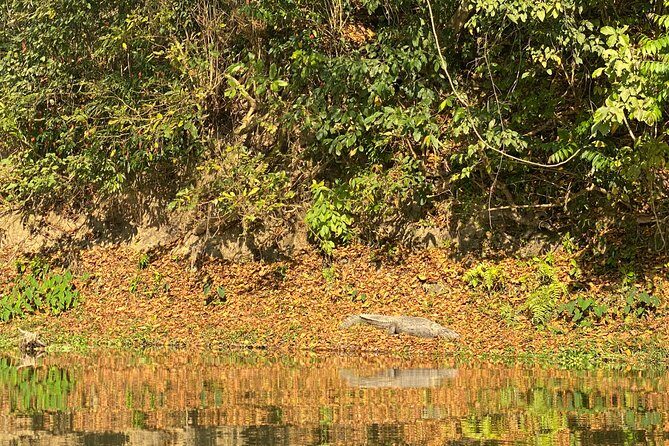
Here’s the kind of “real life” you can expect along the way. Based on the experiences shared by people who’ve done this route, village scenes often include farm animals and everyday hill routines—dogs, goats, and other livestock moving through the rural rhythm. It’s not a theme park. That’s exactly the point.
Drawback to consider: this is still an uphill trek. If you’ve got knee issues or you’re not used to sustained climbs, you’ll want to plan on slow, steady steps and short rests. The guide can pace you, but you should still bring the right mindset.
Nagarkot at sunrise: the view tower stop
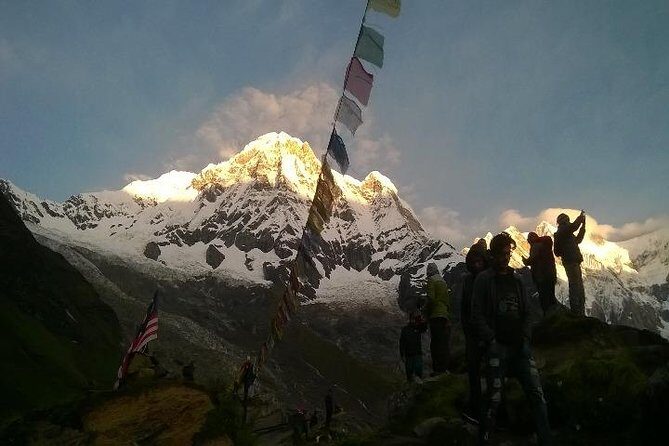
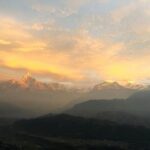
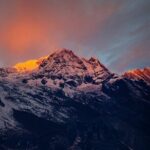
After reaching Nagarkot, the tour builds in the signature moment: sunrise. You’ll wake around 6:00–6:30, depending on the season, and head to the Nagarkot View Tower, described as the most popular sunrise viewpoint area.
This is why Nagarkot trekking is so popular. Sunrise turns distant ridgelines into something dramatic, and even when the sky is partly cloudy, there’s usually a sense of depth in the mountains and valleys. Fog can soften the scenery, but it can also create a slow, mysterious look rather than a hard-sky photo.
The viewpoint stop is about 1 hour, with the ticket included. Plan for chilly air that early in the morning. Even when days in Kathmandu feel warm, sunrise temps can surprise you, especially if you’re standing still for photos.
Small strategy that helps: bring one warm layer you can actually hike in during the morning. You’ll appreciate it while waiting for the sky to change.
Nagarkot hotel night: where comfort matters
The package includes a night in a hotel in Nagarkot with twin sharing accommodation (standard tourist hotel) and full board. That’s a big part of the value because you’re not scrambling at the end of a hike to find food or a room—everything is already stitched together.
And the hotel location is not random. People have commented on getting a perfect-view setup from the Nagarkot side of things. Even if you’re not counting on a clear sunrise, being in the right spot helps you enjoy late afternoon light too.
What to expect from the hotel setup:
- Full board means your meals are included (so you’re not budgeting food on top of the trek)
- You’re in the standard tourist hotel category, so it’s practical and convenient, not a high-end resort experience
- It’s twin sharing, so if you prefer a solo room, you may need to check what’s possible outside the standard arrangement
You can also read our reviews of more hiking tours in Kathmandu
Descending with purpose: Buddha Peace Park and a short trail break
The next morning, after sunrise time, the itinerary shifts into descent. On the way down toward Changu Narayan, you stop at the Nagarkot Buddha Peace Park hiking trail for about 15 minutes.
This is a small stop, but it’s smart. You’re getting a short pause before another walk segment and another major sight. It also gives your legs a psychological break: you’re not just hurrying downhill; you’re moving with little checkpoints.
One thing I like about this kind of stop is that it keeps the day from feeling like an airport-transfer schedule. Short breaks also help you enjoy the air and view changes as you lose altitude.
Changu Narayan Temple: UNESCO-level cultural stop without the stress
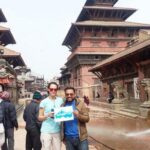
The final highlight is Changu Narayan Temple, with about 30 minutes allocated. This temple is described as one of the oldest in the Kathmandu Valley, built around 500 BC, and it’s listed as a World Heritage Site.
It also has a specific regional meaning: it belongs to a group of Narayan temples associated with protecting the Kathmandu Valley from the north-east side. That kind of geographic context is why this stop feels more than a quick photo moment—you’re seeing a place with a job, not just a monument.
Practical note: you don’t have to worry about getting lost here because the tour stays guided. That’s a real relief on routes where signage might not be consistent. Your time is also structured, so you don’t wander in circles trying to fit a temple visit into a moving schedule.
What to bring: comfortable walking shoes (you’ll already be wearing them, so you’re good), and a respectful approach at temple stops. The guide will help with the flow of where to stand and what to notice.
Guide quality makes or breaks short treks
Short treks have less margin for a mismatched guide. If the pacing is off, you feel it right away. In this case, two guide names come up strongly in shared experiences: Shishir and Anant.
What I take from that is simple: you want someone who can explain what you’re walking through, not just lead you from point A to B. In particular, people emphasize feeling safe with the guide and enjoying the way the route connects mountain views to daily hill life. A good guide also helps with pacing—especially on the uphill climb from Sankhu to Nagarkot.
So if you care about learning while you hike, this private setup is a better bet than doing it completely solo.
How the price works: is $250 per person fair?
At $250 per person, the big question is what you’re actually buying. Here, you’re not just paying for a hike guide. You’re getting:
- Private transport by vehicle from Kathmandu (including Boudha) to the start area
- Hotel night in Nagarkot with full board
- English-speaking guide
- Twin sharing standard tourist hotel accommodation
- Required entrance fees and local permits
- Tickets at included viewpoint/heritage stops (like the Nagarkot viewpoint area and Changu Narayan)
That’s a lot that often costs extra when you piece travel together yourself. For a 2-day itinerary, this bundling can be better value because it reduces the “hidden invoices” you usually pick up—permits, local tickets, and transport logistics.
Who benefits most from this price structure:
- You want a plan that runs smoothly with minimal decision-making
- You want to maximize sightseeing per hour
- You don’t want to manage permits, tickets, and route confidence alone
The only time it might feel steep is if you’re on a shoestring and already have a clear plan for transport, hotel, guide, and permits. But if you want an easier, guided “high payoff” weekend, it’s easier to justify.
What to wear and pack for comfort (not just looks)
The experience advises hiking shoes and a sporty dress. I’d treat that as the minimum. On a two-day trek, your feet and legs carry the day.
Pack basics that you’ll almost certainly use:
- Water bottle and a small snack you can handle while walking
- One light warm layer for early morning sunrise timing
- Sun protection for daytime uphill sections
- A rain layer if weather is uncertain (short treks can change fast in the hills)
Also, since it’s a private tour for your group only, it’s usually easier to move at the rhythm you prefer. Still, the itinerary is timed, so you’ll benefit from being ready when the guide moves you along.
Best fit: who should book this Nagarkot trek?
This tour suits you if you want:
- A short, guided Himalayan hike with big scenery payoff
- Sunrise without a long trek commitment
- A combined mix of nature (mountain views, terrace farmland) and culture (Changu Narayan)
- Pickup and transfers handled from your Kathmandu area
It’s also a strong match if you’re traveling with mixed hiking ability. Most people can participate, and the guide helps keep the walk manageable.
If you’re an advanced trekker looking for steep technical routes or day-long ridgeline navigation, you might find this too gentle and scheduled. But that’s not what it’s trying to be.
Should you book this Nagarkot trekking experience?
If you want a practical 2-day itinerary that delivers sunrise views potential and ends with a meaningful UNESCO temple stop, I’d say yes—especially if your time in Kathmandu is short and you prefer guided confidence over planning stress.
Book this when:
- You want maximum payoff for minimal days
- You appreciate included logistics (transport, hotel, meals, permits, tickets)
- You’re excited about a guided hike from Sankhu to Nagarkot and a guided descent to Changu Narayan
Skip it or ask questions first if:
- You need a guaranteed clear-sky sunrise (nothing here can promise weather)
- You strongly prefer independent travel without a guide
- You’re unable to handle an uphill trek of about 3 hours
FAQ
What’s the duration and start time of the Nagarkot trekking tour?
The tour runs for about 2 days and starts at 9:00 am.
Where does the trekking start, and how long is the uphill section?
The hike starts at Sankhu Village, and the uphill trek to Nagarkot takes about 3 hours.
Is a hotel night in Nagarkot included?
Yes. The itinerary includes twin sharing hotel accommodation in Nagarkot for one night, with full board.
What’s included in the price?
Included items are an English-speaking guide, required entrance fees and local permits, twin sharing standard tourist hotel accommodation with full board, and required transport by private vehicle.
What is not included?
Bar and beverage bills and personal contributions are not included.
Is free cancellation available?
Yes. You can cancel for a full refund up to 24 hours in advance of the experience’s start time (local time).