REVIEW · KATHMANDU
Private Kathmandu UNESCO World Heritage Sites Tour
Book on GetYourGuide →Operated by Breakfree Adventures Pvt. Ltd. · Bookable on GetYourGuide
One great day in Kathmandu starts with the right route. This private UNESCO tour is designed around Kathmandu Valley’s most important spiritual and historic sites, with a 2, 4, or 7 stop option so you don’t have to rush. I like how it keeps the focus on temples, stupas, and Durbar Squares without turning your day into a drive-by checklist.
Two things stand out right away. First, you get a professional English guide who explains what you’re seeing—stories, legends, and traditions—like Dipesh, Subash, Roshan, and Shankar Bhattarai. Second, the day is truly adjustable: you can take breaks when you need them, and the private setup keeps the pacing under your control.
The main consideration is the one extra cost you’ll need to plan for: monument entrance fees are not included and are paid on the day (NPR 1400 for 2 sites, NPR 2600 for 4 sites, NPR 6000 for 7 sites). With more sites, your time and entry fees both climb, so choose the length that matches your energy.
In This Review
- Key things to know before you go
- The “2, 4, or 7 UNESCO sites” setup that actually fits your day
- Hotel pickup, air-conditioned car, and a smooth start inside the ring road
- Pashupatinath Temple: the Hindu rituals stop you won’t forget
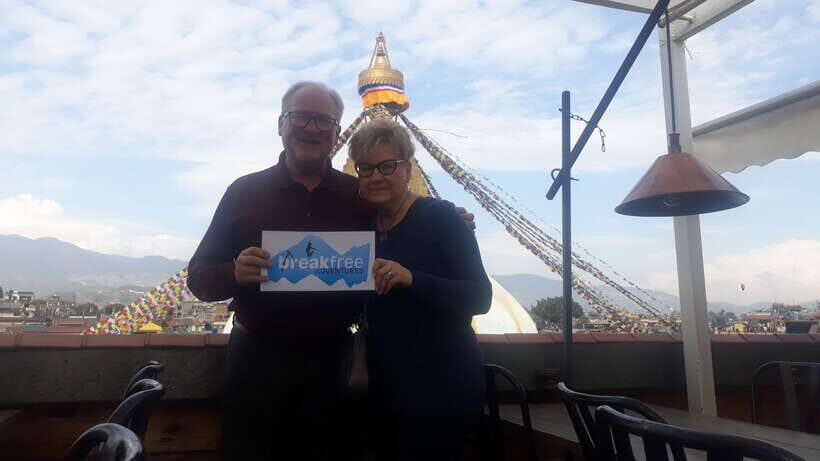
- Boudhanath Stupa: Tibetan Buddhist traditions with big-sky views
- Kathmandu Durbar Square and Swayambhunath: palaces, temples, and a panoramic reward
- Kathmandu Durbar Square
- Swayambhunath (Monkey Temple)
- The full Kathmandu Valley loop: Patan, Bhaktapur, and Changu Narayan
- Why the guide matters so much (and why names like Dipesh keep showing up)
- Price vs. value: $28 per person, plus the entrance fees you must budget
- Getting ready: what to bring and how to keep the day comfortable
- Who this tour is best for
- Should you book this private Kathmandu UNESCO World Heritage Sites tour?
- FAQ
- What UNESCO sites are included if I choose 2 sites?
- What sites are included if I choose 4 UNESCO sites?
- What sites are included if I choose 7 UNESCO sites?
- How long does the tour take?
- Is hotel pickup and drop-off included?
- Is an English guide included?
- Are monument entrance fees included in the price?
- How much are the monument entrance fees?
- Do I need to skip any ticket line?
- What do I need to bring with me?
Key things to know before you go
- 2, 4, or 7 site flexibility: pick the amount of walking and concentration you want for the day
- Private vehicle pickup inside the ring road: fewer hassles, easier start and finish
- English live guide: you’re not just looking; you’re getting context as you move site to site
- Skip the ticket line: less waiting means more time where it counts
- Air-conditioned transport: helpful in Kathmandu’s heat and changing weather
- Guide-driven pacing: breaks and slow time are part of the plan, not an afterthought
The “2, 4, or 7 UNESCO sites” setup that actually fits your day
Kathmandu Valley can be a lot—traffic, stairs, crowds at the popular hours, and the sheer number of sacred places. This tour handles that with a simple choice: start with 2 UNESCO sites, then add more if you want a longer day.
Here’s how the options work:
- 2 UNESCO sites: Pashupatinath Temple and Boudhanath Stupa
- 4 UNESCO sites: add Kathmandu Durbar Square and Swayambhunath Stupa (Monkey Temple)
- 7 UNESCO sites: continue to Patan Durbar Square, Bhaktapur Durbar Square, and Changu Narayan Temple
I like this structure because it keeps your visit coherent. You’re not forced to do everything just because it’s available. If you only have part of a day, the 2-site version lets you focus on the biggest spiritual anchors. If you want more architecture and palace-area atmosphere, the 4- and 7-site versions expand logically.
You can also read our reviews of more private tours in Kathmandu

Hotel pickup, air-conditioned car, and a smooth start inside the ring road
This is a private group tour with hotel pickup and drop-off by private air-conditioned vehicle. You’re picked up inside the city, specifically inside the ring road, which matters because it reduces time spent figuring out where a driver can realistically access.
Why that’s valuable: Kathmandu can be slow-moving, and even a short sightseeing day gets eaten by transfers. With this setup, you’re more likely to reach the first UNESCO site while you still have energy for walking and photos.
If you’re traveling with limited mobility or you just don’t want a long day on your feet, this is another reason to consider the 2-site option. Going longer can still work, but the time adds up fast once you include transit plus stair-and-courtyard navigation.
Pashupatinath Temple: the Hindu rituals stop you won’t forget
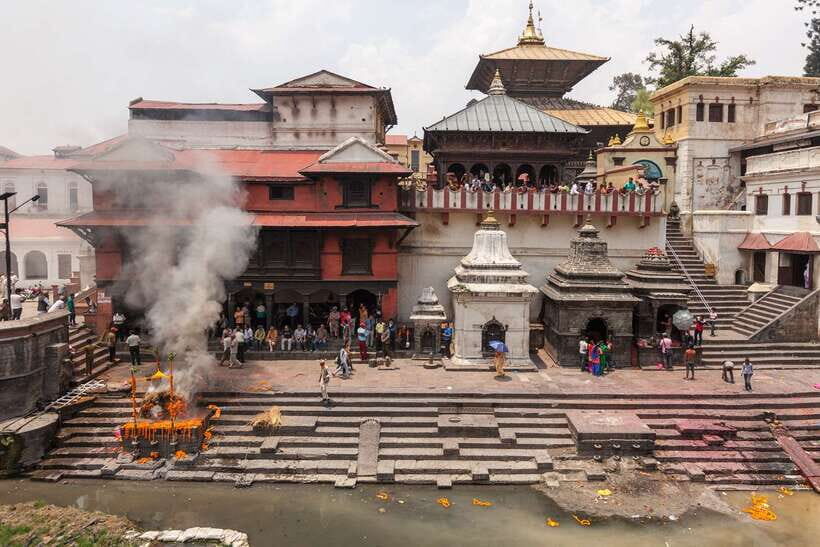
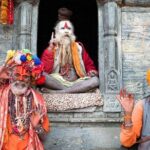
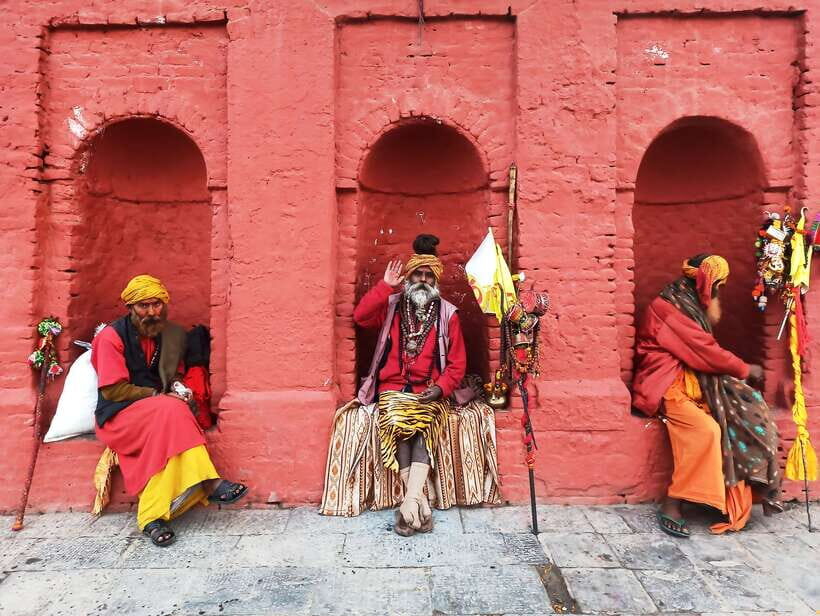
Your UNESCO day often starts with Pashupatinath Temple, described here as the spiritual heart of Nepal and the place to witness ancient Hindu rituals. That blend—temple life plus ceremony—creates a kind of intensity that you can’t get from photos.
In practice, what you’re doing is observing a living religious site rather than a museum piece. That’s why having a guide is such a big deal. A strong guide doesn’t just point and translate signage. Guides on this tour—people like Dipesh and Madan—are specifically praised for explaining what you’re seeing and why it matters.
One review also highlighted the Hindu cremation area as an experience, which tells you the visit may include views related to that ritual space. If that’s something you’d rather avoid, it’s worth telling your guide up front so they can help you navigate respectfully and at a comfortable pace.
Boudhanath Stupa: Tibetan Buddhist traditions with big-sky views
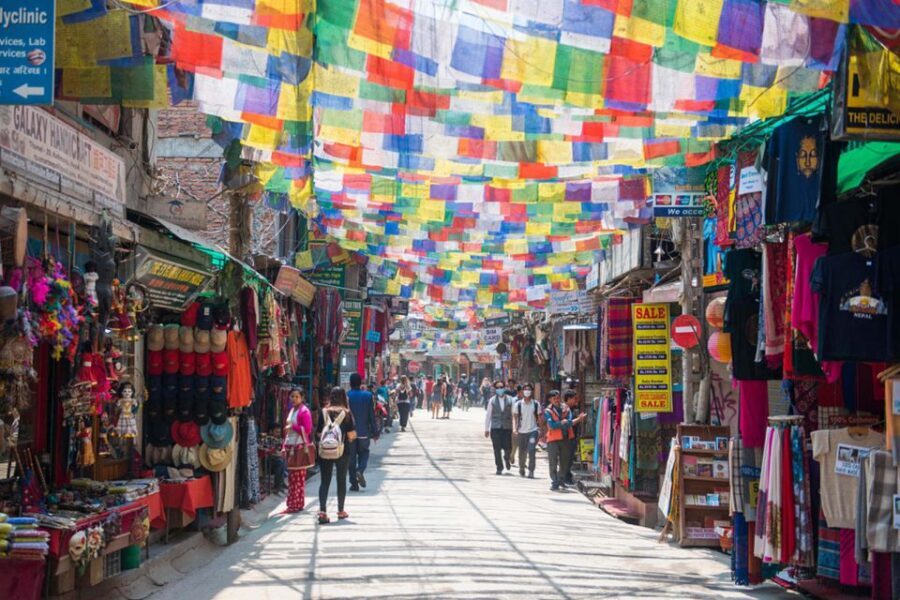
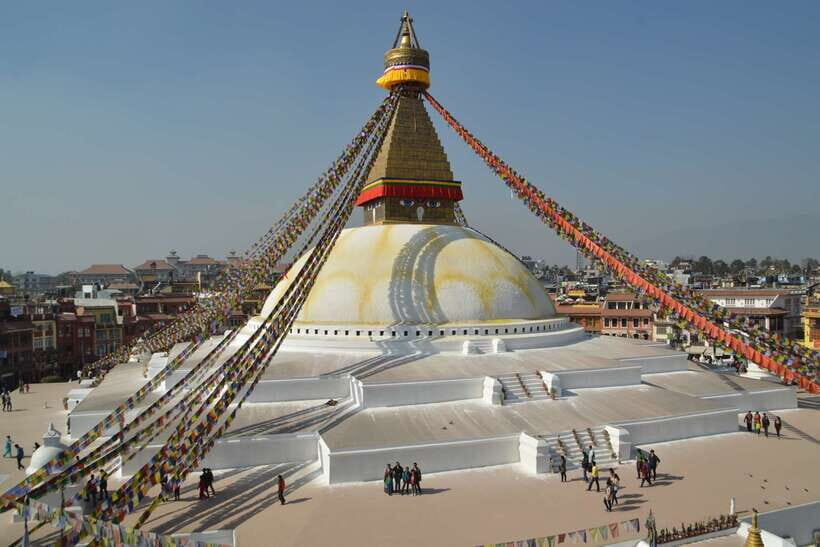
Then you shift to Boudhanath Stupa, one of the largest stupas in the world, where you can take in Tibetan Buddhist traditions. If Pashupatinath feels like the “body” of Kathmandu’s Hindu sacred life, Boudhanath often feels like the “breath”—wide, open, and filled with quiet ritual energy.
This stop is a standout in the way the day feels when you arrive. People talk about how there’s time to pause, watch, and let the guide’s stories frame what you’re seeing. In one experience, lunch happened at a great spot with a view over the stupa area, which is a practical reminder: build in a food break here if you can. It’s the kind of stop where slowing down improves the whole day.
Skip-the-line matters too. Even with a private tour, Kathmandu’s top sites can create delays. Reducing that waiting time helps you spend more hours in the places you came for.
Kathmandu Durbar Square and Swayambhunath: palaces, temples, and a panoramic reward
If you choose the 4-site route, you add two very different flavors of Kathmandu.
You can also read our reviews of more historical tours in Kathmandu

Kathmandu Durbar Square
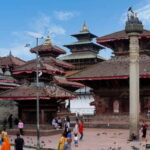
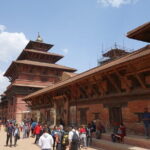
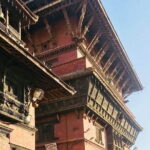
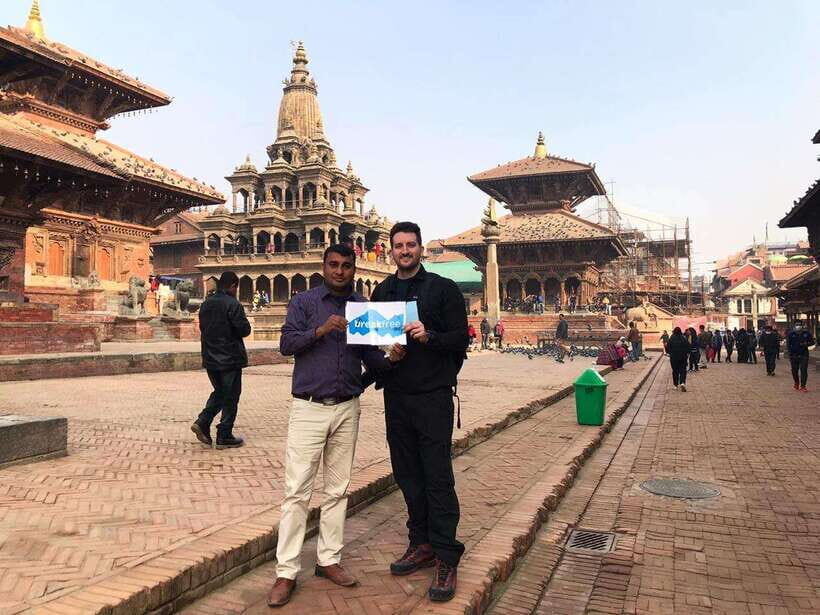
You’ll visit Kathmandu Durbar Square, described as a complex of palaces, temples, and courtyards. This is where the city’s historic power shows up in built form. A guide’s explanation makes a difference because you’re looking at overlapping layers—sacred spaces and royal-era architecture in the same area.
Swayambhunath (Monkey Temple)
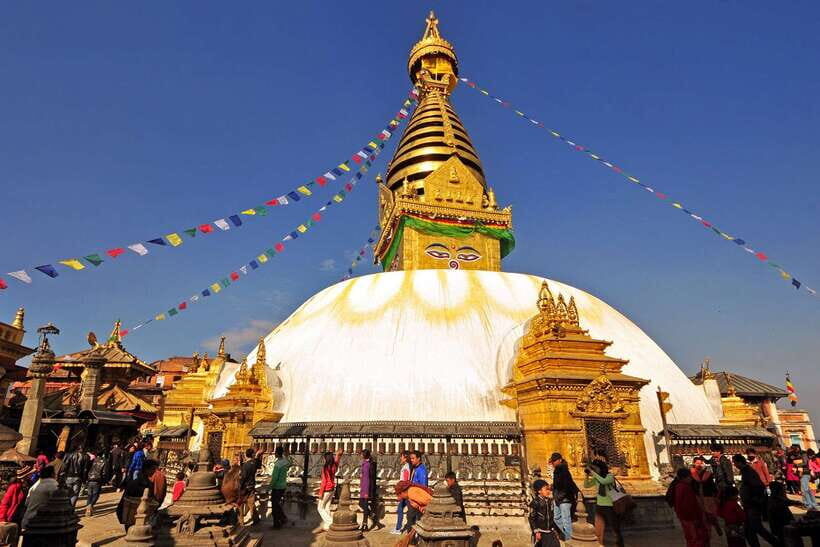
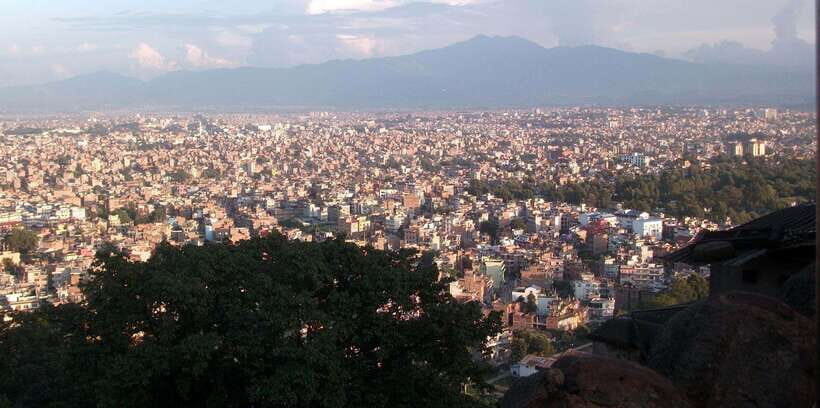
Then comes Swayambhunath Stupa, perched on a hill with panoramic city views. It’s one of those locations where the “reward” isn’t just the view—it’s the way the perspective changes how you understand the city below.
Practical tip: you’ll likely want a bit of patience here. Hill-top places are often stair-heavy and weather-dependent. A private guide can help you decide when to move slowly, when to take photos, and when to head on so you don’t burn your whole day waiting in the wrong spot.
The full Kathmandu Valley loop: Patan, Bhaktapur, and Changu Narayan
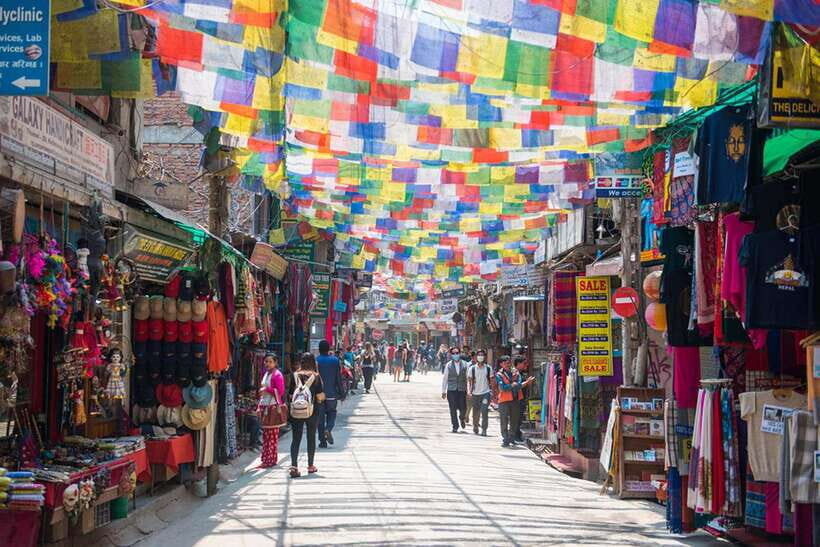
The 7-site option is for when you want the broad sweep of Kathmandu Valley’s heritage rather than just the “first highlights.” It adds:
- Patan Durbar Square
- Bhaktapur Durbar Square
- Changu Narayan Temple
This version is ideal if you love architecture and atmosphere—especially courtyard spaces, temple areas, and the way different towns express their history through stonework and layout.
Why the day feels different: the extra sites don’t just add more stops; they change the vibe. You’re comparing styles and settings across multiple districts. The guide’s role becomes even more important because the value is in recognizing patterns: how sacred buildings and historic squares function within their communities.
Time reality check: the tour duration is listed as 3 to 9 hours depending on your chosen number of UNESCO sites. With 7 sites, you’ll want to be mentally ready for a longer, more active day. If you’re sensitive to pacing or you have limited time in Kathmandu, the 4-site route may give you the best balance.
Why the guide matters so much (and why names like Dipesh keep showing up)
One of the most consistently praised parts of this experience is the guide. People highlight guides like Dipesh, Subash, Roshan, Shankar Bhattarai, and Madan for being friendly and for giving strong explanations of history and traditions.
What you should take from that: this isn’t a “stand next to the bus” tour. The whole point is that the guide turns each site into something you understand. That turns time spent in courtyards and around stupas into real comprehension—why certain areas matter, what rituals look like, and how legends connect to everyday practice.
And it’s not just words. One guide was noted as flexible with timing, including letting the group go to a restaurant earlier when they needed a break. That’s a practical quality in Kathmandu. You don’t want to feel trapped in a rigid schedule when the site itself encourages pauses.
Price vs. value: $28 per person, plus the entrance fees you must budget
The listed price is $28 per person, for a private guided tour lasting 3 to 9 hours. That’s a good deal in cities where private transport and English speaking guides can cost far more on top of entry tickets.
But you should plan for the key missing piece: monument entrance fees are not included. You pay on the day:
- NPR 1400 for 2 UNESCO sites
- NPR 2600 for 4 UNESCO sites
- NPR 6000 for 7 UNESCO sites
So how do you judge value? Think of the price as covering the structure: pickup/drop-off, a private air-conditioned vehicle, an English guide, and the skip-the-line benefit. Then entrance fees scale with how many sites you choose. If you’re trying to keep costs tight, pick 2 sites and focus on Pashupatinath and Boudhanath. If you want the bigger “Kathmandu Valley overview,” the 7-site route justifies the extra fees because you’re getting multiple historic districts and an additional set of major UNESCO areas.
Getting ready: what to bring and how to keep the day comfortable
For this tour, bring a passport or ID card. That’s simple, but it’s important if you’re going to places that require identity matching for entry.
Because you’ll be moving between major religious sites and squares, keep your day comfortable:
- wear shoes you trust on uneven stone and stairs
- bring a layer, since hill-top areas can feel cooler than you expect
- carry water, since you may be away from your hotel for hours
Also, remember that meals are not included. If lunch is on your plan, treat food as part of pacing, not an interruption.
Who this tour is best for
This private UNESCO sites tour is a strong fit if:
- you want a guide-driven day instead of self-guided wandering
- you like choosing your own pace and not being pushed in a big group
- you only have limited time and need a smart concentration of UNESCO stops
- you care about context: stories, traditions, and what you’re actually looking at
It’s especially good for couples, friends, and solo travelers who prefer a quiet itinerary with fewer scheduling headaches.
If you’re on a strict budget, compare the entry fees against how many sites you genuinely want to see. If you’re the type who gets tired after too many “big stops,” the 2 or 4 site options usually make the most sense.
Should you book this private Kathmandu UNESCO World Heritage Sites tour?
I’d book it if you want a day that feels organized but not rigid—private transport, an English guide explaining what matters, and a flexible plan that matches your time. The standout value is the balance: you get major UNESCO landmarks without losing the human context that makes them meaningful.
I’d think twice if you know you’d rather do everything on your own, or if you don’t want to pay entrance fees on top of the base price. And if 7 sites sounds tempting, make sure you can handle a long, active day. The best choice is usually the one where you arrive at each site feeling present, not rushed.
FAQ
What UNESCO sites are included if I choose 2 sites?
The 2 UNESCO sites option includes Pashupatinath Temple and Boudhanath Stupa.
What sites are included if I choose 4 UNESCO sites?
The 4 UNESCO sites option includes Pashupatinath Temple, Boudhanath Stupa, Kathmandu Durbar Square, and Swayambhunath Stupa (Monkey Temple).
What sites are included if I choose 7 UNESCO sites?
The 7 UNESCO sites option includes Pashupatinath Temple, Boudhanath Stupa, Kathmandu Durbar Square, Swayambhunath Stupa (Monkey Temple), plus Patan Durbar Square, Bhaktapur Durbar Square, and Changu Narayan Temple.
How long does the tour take?
The duration is listed as 3 to 9 hours, depending on how many UNESCO sites you choose.
Is hotel pickup and drop-off included?
Yes. Hotel pickup and drop-off are included via a private vehicle, and pickup is inside the city (inside the ring road).
Is an English guide included?
Yes. The tour includes a professional English speaking tour guide.
Are monument entrance fees included in the price?
No. Entrance fees are not included and are payable on the day.
How much are the monument entrance fees?
Entrance fees are listed as NPR 1400 for 2 UNESCO sites, NPR 2600 for 4 UNESCO sites, and NPR 6000 for 7 UNESCO sites.
Do I need to skip any ticket line?
The tour includes skip the ticket line.
What do I need to bring with me?
You should bring a passport or ID card.