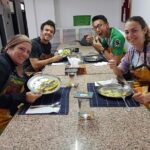
Tiny bites, big Kathmandu memories. This walking food tour takes you through classic old-market lanes and into local hole-in-the-wall eating spots you’d probably miss on your own, with all food tastings included and a guide who puts the snacks into context. I like that it’s small-group friendly and built around actually eating, not just sightseeing. One thing to plan for: some tastings are eaten standing up, and the pace is more “street snack crawl” than sit-down meal.
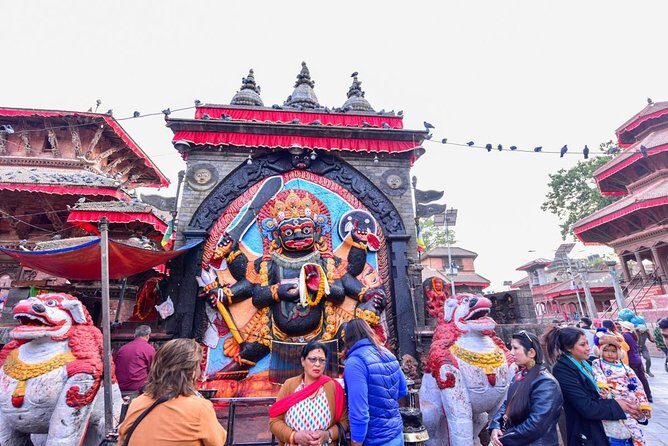
You start in the Indra Chowk area and end up near Kathmandu Durbar Square for an evening-style food walk. Expect a route that mixes Nepalese and Indian flavors, a mix of sweet and savory bites, and enough food that you’ll want to arrive hungry rather than treat it like a light appetizer. The good news: it runs around 2 hours, caps at 12 people, and the tour ends back at the meeting point, so you’re not stuck figuring out logistics after you’re full.
In This Review
- Key things to know before you go
- Walking Kathmandu’s Old Markets: Indrachowk to Durbar Square
- What You’ll Actually Eat on the Snack-Heavy Route
- Guides Matter: How Shazia, Fahid, and Dhuksang Elevate the Walk
- Small Group Size and Timing: 2 Hours That Stay Friendly
- Price and Logistics: Why $36 Can Be Fair Value
- Practical Tips for a Better Street-Food Evening
- Where This Tour Fits in Your Kathmandu Plan
- Should You Book Kathmandu’s Hidden Eateries Walking Food Tour?
- FAQ
- FAQ
- Where is the meeting point for the tour?
- How long does the walking food tour last?
- How much does it cost per person?
- What’s included in the tour price?
- Is private transportation included?
- What’s the maximum group size?
- What if the weather is poor or the minimum number of travelers isn’t met?
- Can I get a full refund if I cancel?
Key things to know before you go
- Indra Chowk + Kathmandu Durbar Square: two food-focused neighborhoods on foot
- All snacks included: you pay for tastings and guide time, not separate meals
- Small group (max 12): easier questions, more personal pacing
- Nepali and Indian flavors: street snacks plus local context from your guide
- Standing-up tastings: normal for this style of street-food crawl
- Arrive hungry: the portions add up over the full walk
Walking Kathmandu’s Old Markets: Indrachowk to Durbar Square
This tour is built around one simple idea: the best Kathmandu street food happens in the older, more local parts of town—small lanes, casual counters, and doorways where you’d never think to stop unless someone pointed you there. You’ll begin near Akash Bhairab Temple (listed as P845+9PQ) and meet up right in the Indra Chowk area. From there, you spend about an hour walking and snacking through the market zone, sampling multiple tidbits along the way.
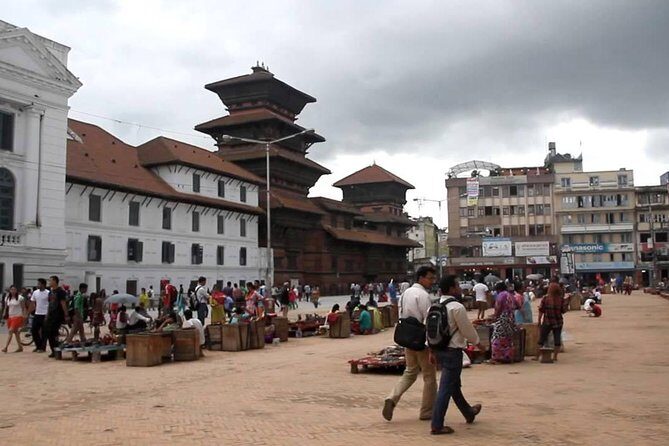
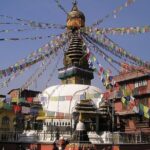
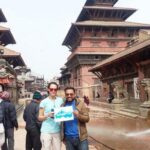
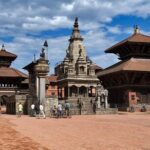
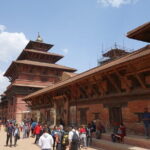
Then you shift to Kathmandu Durbar Square for the second stretch, also around an hour. This area matters because it’s one of those places where everyday life and tradition overlap. The tour leans into that by taking you to places locals love—especially those quick-stop spots that feel like you’re slipping through a small entry into a whole other room. You’re not just looking at buildings; you’re experiencing the neighborhood through what people are ordering and eating right there.
Practical note: you end back at the meeting point. So the route is self-contained. You won’t need a long navigation session while you’re already thinking about your next meal (or your next nap).
You can also read our reviews of more walking tours in Kathmandu
What You’ll Actually Eat on the Snack-Heavy Route
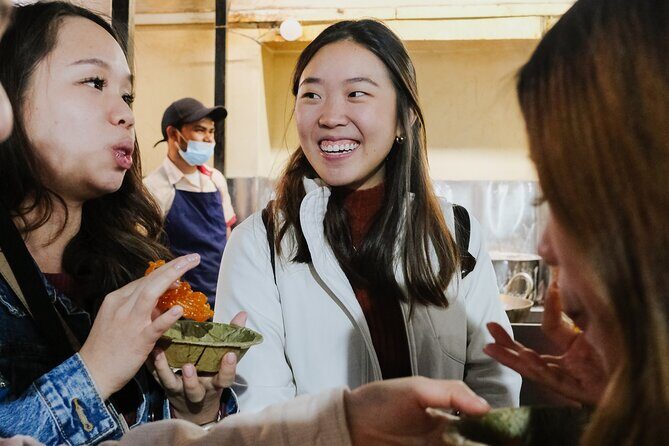
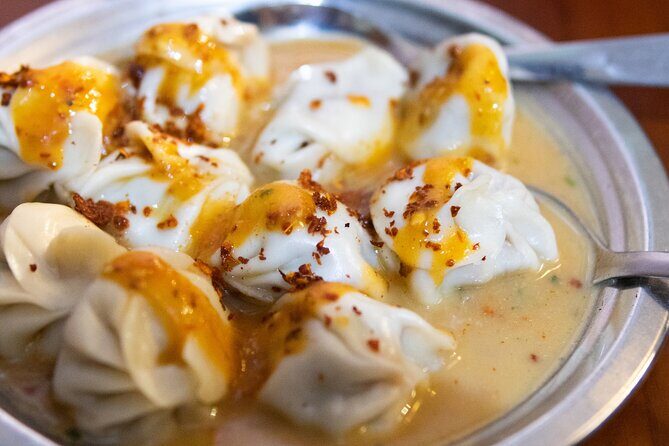
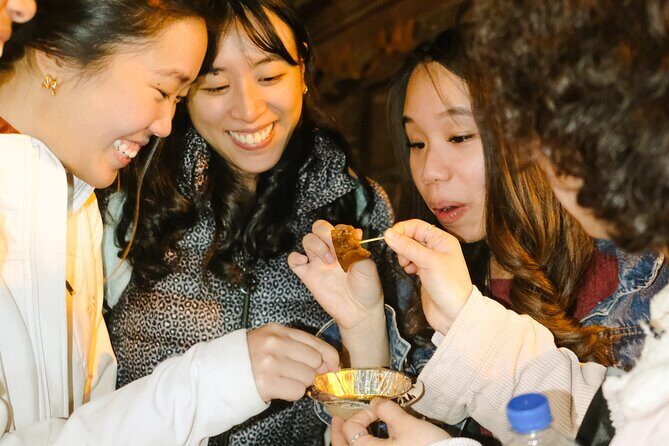
Food is the whole point here, and the tour includes snacks—not just one bite. The pacing is designed so you try a variety rather than repeating the same thing. The route covers Nepalese flavors and also Indian-style street food elements, so you’ll likely get a broader picture of what “street snack culture” looks like in Kathmandu rather than a single cuisine-only theme.
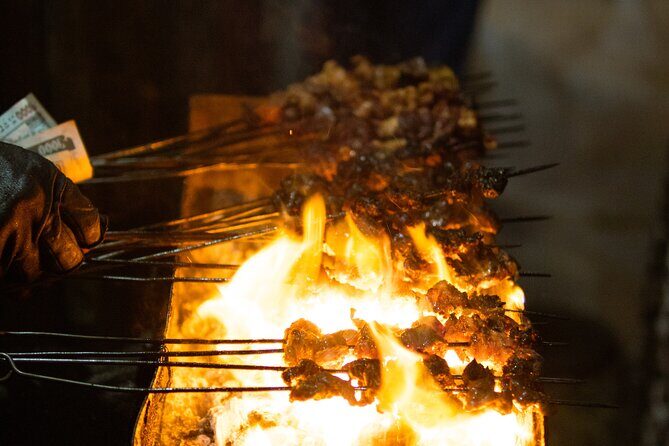
From what you’re told on the tour, the tastings are guided by local habits. That often means you’ll see how people choose their mix—something savory, something sweet, then another snack to keep you moving. Several guides on similar tours are praised for making the day feel like a real sampling session with a good balance of flavors. One review specifically called out a strong sweet-and-savory mix and spice level that hit the mark.
One consideration to be ready for: some items are eaten standing up. That’s not a reason to skip—it’s part of the format. It also means you should keep your day simple: wear comfortable shoes, don’t plan to carry a heavy bag, and mentally switch from sit-and-stare to walk-and-snack.
Also, while food is included, drinks aren’t listed as included. If you want water or something warm during the walk, plan for that separately.
Guides Matter: How Shazia, Fahid, and Dhuksang Elevate the Walk
The difference between a generic food stroll and a genuinely useful one is the guide. This tour explicitly includes a guide for context, and you can feel that in the way it’s praised—people mention explanations of Nepali food and culture, not just a list of what you’re eating.
Names that show up in past tours include Shazia, Fahid, and Dhuksang (spelled slightly differently in different write-ups). What they have in common is tone: friendly, patient, and focused on making sure you understand what you’re tasting. Guides also help with choosing items outside your usual order, which is a big part of the value. If you typically stick to familiar flavors when you’re traveling, this kind of tour pushes you a little—without leaving you lost.
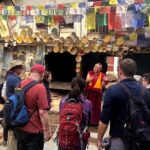
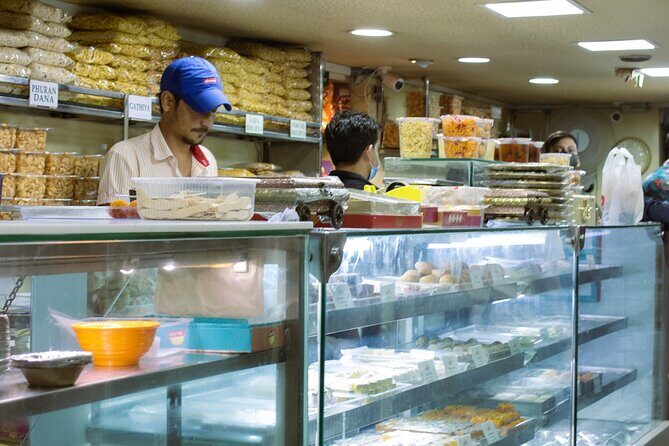
Another benefit of the guides is how they handle the practical side of a snack crawl. The tour is short—about two hours—so there’s little downtime. A good guide keeps it moving while still offering enough explanation that the food feels like more than random bites. Several people highlight that the tour includes places you wouldn’t find on your own, like a door-sized entrance leading to an entire eating spot inside an alley.
If you have dietary needs, look for a guide who can steer you. One vegetarian-friendly note in the information you provided suggests there was no issue getting vegetarian food. Still, don’t assume—ask when you book or right at the start, and make it clear what you avoid.
Small Group Size and Timing: 2 Hours That Stay Friendly
This is designed as a small-group experience with a maximum of 12 people. That number matters more than you might think. With a larger group, walking food tours turn into line-watching. With a smaller group, you can ask questions, hear the explanation at each stop, and get help figuring out what’s coming next.
The tour duration is around 2 hours, split into two roughly equal parts: about an hour around Indra Chowk and about an hour near Kathmandu Durbar Square. Because it’s short, it works well as an early activity in your trip. You’ll get oriented quickly, and you’ll learn what locals actually eat during normal hours. It’s also a good “second day” option if you’ve already seen a few landmarks and now want the food side of Kathmandu.
You’ll likely book it in advance—on average, this tour is booked about 14 days ahead. That tells you it’s popular and can fill up, especially for certain time slots. I’d treat it like a priority for your itinerary rather than something to decide last minute.
One more timing detail: the tour depends on good weather. Street food walking works best when sidewalks and alleyways are dry and visibility is good. If weather forces a change, the tour provider offers a different date or a full refund. That’s worth keeping in mind when you’re planning your Kathmandu day-by-day.
Price and Logistics: Why $36 Can Be Fair Value
$36 per person might sound like a small number or a big number depending on where you’re coming from. Here, the value comes from what’s included: all food tastings and a guide, for a route that takes you through multiple stops across two areas.
If you tried to recreate this on your own, you’d face a few real challenges:
- You’d have to find the places that locals use regularly.
- You’d spend time figuring out what to order at each stop.
- You might miss the context that helps you understand what you’re tasting.
This tour solves those issues for one set price. Also, the tour mentions group discounts (so if you’re traveling with friends, there may be a more favorable per-person cost).
One thing not included: private transportation. That’s pretty normal for a walking tour, and it keeps the experience grounded in the neighborhoods on foot. The meeting point is near public transportation, which helps if you’re not staying close by.
In short: I see this as a structured way to eat your way across a key Kathmandu food corridor, without turning the day into scavenger hunts and “Is this safe?” guesswork.
You can also read our reviews of more food & drink experiences in Kathmandu


Practical Tips for a Better Street-Food Evening
Street food walking is fun, but it rewards preparation. Here’s how to make it smoother based on the format you’re getting:
1) Arrive hungry
This is not a “one snack and a stroll” style experience. Multiple tastings stack up, and you’ll likely end feeling properly full.
2) Plan for standing tastings
Some foods are meant to be eaten quickly while you’re moving or standing near the stall. Wear clothes you don’t mind getting close to street-level smells and steam.
3) Bring sensible footwear
You’ll be walking through older market lanes. Comfortable shoes are the difference between enjoying the route and counting minutes.
4) Use the guide to handle spice and choices
The tour includes a range of bites, including sweet and savory, and the spice level is often described as well balanced. Still, if you have a sensitivity, tell your guide at the start so they can steer you.
5) If you’re vegetarian, confirm your needs early
There’s at least one note indicating vegetarian food was handled without trouble. That’s a good sign, but you should still speak up clearly.
Where This Tour Fits in Your Kathmandu Plan
I like this tour for first-time visitors and for anyone who wants Kathmandu to make sense fast. You get a guided walk through areas like Indra Chowk and Kathmandu Durbar Square, and you also learn the “why” behind what people eat. It’s a smart choice when you don’t want to spend your limited time searching restaurant menus, translating, and rolling the dice on what’s actually good.
It’s also a great fit for food-focused travelers who enjoy variety. Several mentions point to trying items outside of a normal ordering routine, which is often where travel food experiences become memorable.
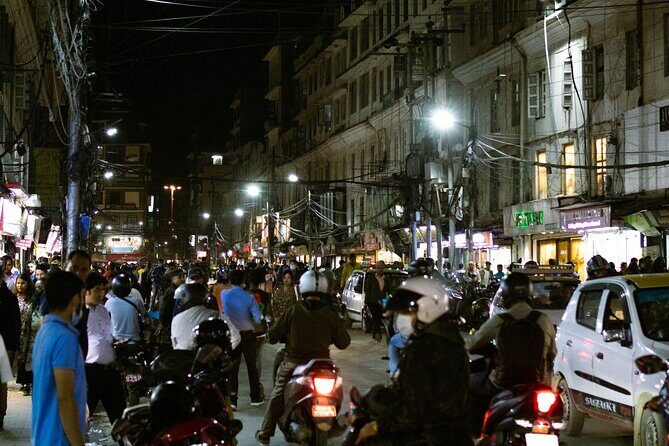
On the other hand, it might not be the best choice if you’re uncomfortable with street-level conditions. Some eating spots can be crowded or not designed for tourists who want spotless, seated dining. If that would stress you out, you might prefer a more controlled meal experience. But if you can roll with it—this tour is built for people who want the real Kathmandu snack rhythm.
Should You Book Kathmandu’s Hidden Eateries Walking Food Tour?
If you want to eat your way through Kathmandu’s old-market neighborhoods with less guesswork, this is an easy yes. The combination of multiple stops, all snacks included, and a small group (max 12) makes it feel like a focused experience rather than a rushed circuit. Guides such as Shazia, Fahid, and Dhuksang are repeatedly credited for clear explanations and for taking people to places they wouldn’t find alone.
Book it if:
- You’re excited by Nepalese street food and Indian-influenced snacks
- You want local context, not just a list of dishes
- You’re okay with standing during some tastings
- You can arrive hungry and enjoy a full snack crawl
Skip it if:
- You need a fully seated, sit-down meal format
- You strongly dislike eating in crowded street settings
FAQ
FAQ
Where is the meeting point for the tour?
The tour starts at Akash Bhairab Temple (listed as P845+9PQ, Kathmandu 44600, Nepal).
How long does the walking food tour last?
It lasts about 2 hours (approximately), with around one hour in Indra Chowk and around one hour near Kathmandu Durbar Square.
How much does it cost per person?
The price is $36.00 per person.
What’s included in the tour price?
Snacks are included, along with the guide who provides context as you walk between stops.
Is private transportation included?
No. Private transportation is not included.
What’s the maximum group size?
The tour has a maximum of 12 travelers.
What if the weather is poor or the minimum number of travelers isn’t met?
The experience requires good weather. If it’s canceled due to poor weather, you’ll be offered another date or a full refund. If it’s canceled because the minimum number of travelers isn’t met, you’ll be offered a different date/experience or a full refund.
Can I get a full refund if I cancel?
Yes. You can cancel up to 24 hours in advance for a full refund. If you cancel less than 24 hours before the start time, the amount paid is not refunded.