REVIEW · KATHMANDU
10 Days Nepal Adventure Tour from Kathmandu
Book on GetYourGuide →Operated by Himalayan Smile Treks and Adventures Pvt. Ltd. · Bookable on GetYourGuide
Kathmandu, rivers, jungle, then mountains. This trip strings together UNESCO culture, Chitwan wildlife days, and an Annapurna village trek into one smooth loop. I especially like that the adventure is organized around real local experiences, from Tharu cultural shows in Chitwan to English-guided hiking that helps you keep moving without guessing. The one thing to watch: a few past participants noted uneven proactivity from some guides and some pushy shopping moments in Kathmandu, so it’s smart to stay firm about what you want to buy.
At $1,080 per person, you’re paying for a full package with guides, key activities, transport, and permits. The upside is fewer logistics headaches and more time doing the fun parts like Trishuli River rafting and guided Ghandruk hiking. The tradeoff is that some costs are still on you, especially trekking meals/lodge costs during the hikes and any Kathmandu/Pokhara entrance fees.
In This Review
- Key highlights I’d plan my trip around
- Kathmandu Valley UNESCO stops that set the tone fast
- Trishuli River rafting: the adrenaline reset between cities
- Chitwan National Park safari day: canoe, birding, and elephant bathing
- Pokhara: the lake-town breathing space and scenic stops on the way
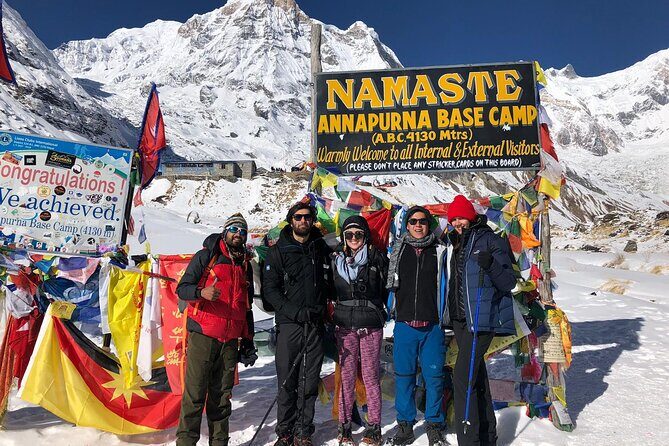
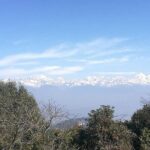
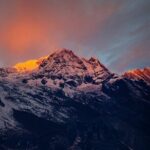
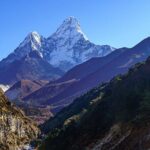
- Ghandruk trek: Gurung village life with real Himalayan views
- Ghandruk to Pothana via the working rhythm of the trail
- Dhampus and Phedi: finishing strong toward Pokhara and Phewa Lake
- Final Kathmandu time: last shopping, then folk music and dance
- Price and value for a $1,080 per-person package
- Guides, group size, and what to watch day-to-day
- Who should book this Nepal adventure loop
- Should you book the 10 Days Nepal Adventure Tour from Kathmandu?
- FAQ
- Is the trek suitable if I’m not a mountaineer
- What meals are included during the trip
- Are entrance fees for Kathmandu and Pokhara included
- Do I need a trekking permit
- Are porters included for the trek
- Is there cancellation flexibility
Key highlights I’d plan my trip around
- Small group (up to 12) means you’ll get more attention during active days like rafting and trekking.
- English guide + trekking guide keeps the whole itinerary readable, especially when directions and pacing matter.
- Trishuli whitewater rafting adds real adrenaline early, before you slow down for jungle and village walks.
- Chitwan National Park activities go beyond a drive-by safari: canoeing, birding, and elephant bathing are part of the day.
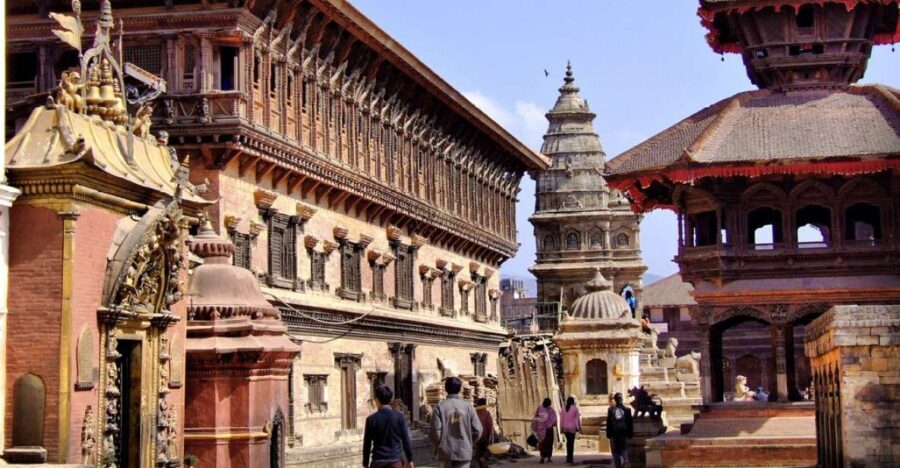
- Ghandruk in the Annapurna Conservation Area is your mountain-village payoff, with classic Himalayan views on the trek.
- Final folk dinner wraps the trip with Nepalese music and dance, tying culture to the adventure you did all week.
Kathmandu Valley UNESCO stops that set the tone fast
Most Nepal trips either start with mountains or dive straight into temples. This one starts with people and place, which I like because you learn the “rules” of the culture before you go chasing wildlife and trail views.
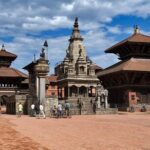
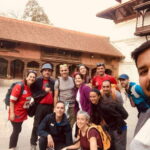
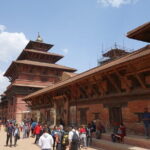
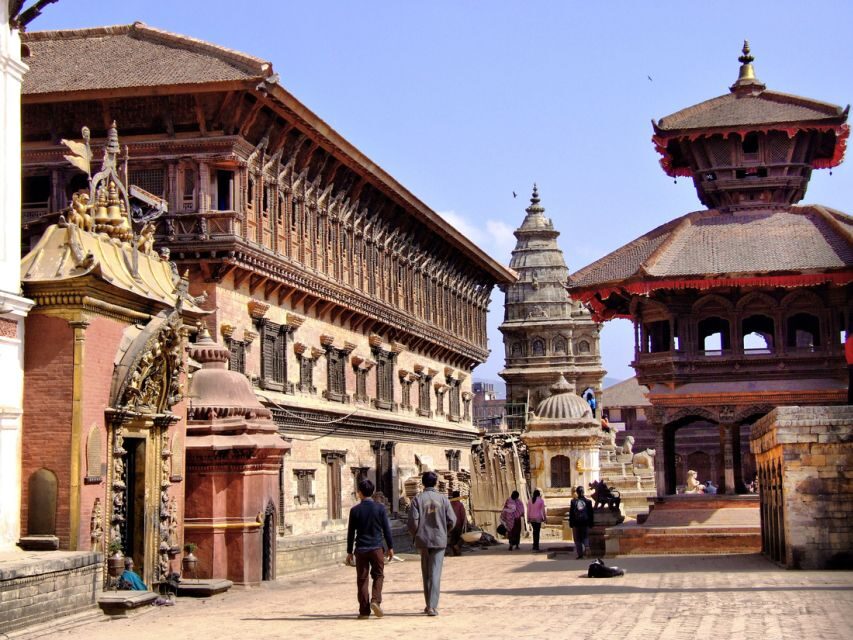
On your first full sightseeing day, you’ll visit major Kathmandu Valley World Heritage sites. Expect a mix of Hindu and Buddhist landmarks like Bhaktapur Durbar Square, Pashupatinath Temple, Boudhanath Stupa, and Swayambhunath (Monkey Temple). You’re not just ticking boxes here. The trip is framed so you understand what you’re seeing: why pilgrims gather, how religious life overlaps, and how music, dance, and everyday practice show up around these sites.
Practical value: this early day makes later travel smoother. After Kathmandu, you’ll recognize common symbols and understand why people move the way they do around stupas and temple courtyards. It also gives you time to get comfortable with local traffic, language basics, and the rhythm of Nepali streets before the bus rides begin.
A small consideration: entrance fees for Kathmandu and Pokhara sightseeing are listed as not included, so you should budget for those extra site costs once you know which monuments you’ll enter. If you’re the type who likes to know totals early, ask your guide for a quick estimate of what’s likely.
You can also read our reviews of more tours and experiences in Kathmandu.
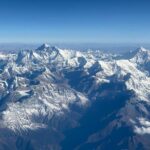
Trishuli River rafting: the adrenaline reset between cities
Then comes the loud day—the one that makes the whole trip feel alive.
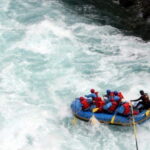
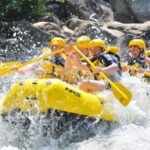
After you drive toward Chitwan, you’ll raft the Trishuli River. This is the kind of activity that turns a long travel day into a memory you can brag about later, and it also works well pacing-wise. You get excitement early, before the more gradual “walk, observe, learn” days in Chitwan and the Annapurna region.
Why this works: rafting on the Trishuli puts you on the water with local expertise and a structured plan. You’re not trying to figure out equipment, safety talk, or timing while you’re new to the country. The tour includes rafting, and a local guide helps keep the logistics from turning into stress.
What to watch: road time before and after rafting is part of the experience, and in Nepal that means you’ll spend real hours in vehicles. The plan includes a Kathmandu to Chitwan drive that takes about 5–7 hours, and the route includes areas that can feel bumpy due to construction. If you get motion sickness easily, this is one of the days worth preparing for.
Chitwan National Park safari day: canoe, birding, and elephant bathing
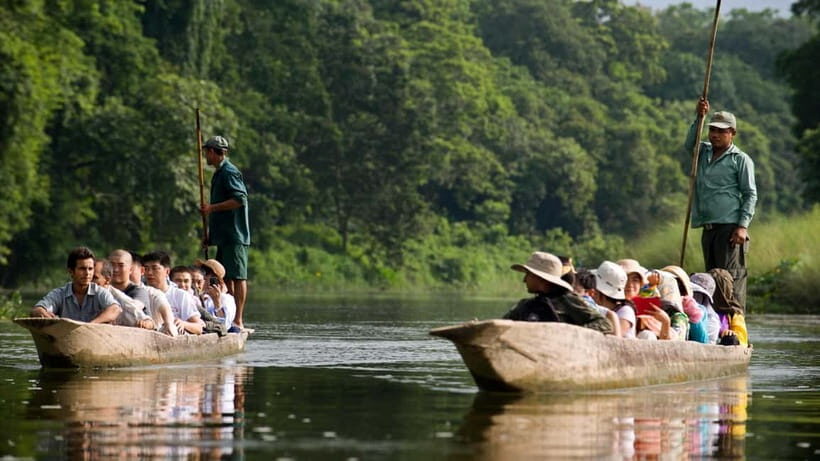
Chitwan is where the trip earns its “adventure” badge in a calmer way than rafting. You’ll spend a full day in Chitwan National Park with a mix of activities: jungle safari, canoeing, birding, and bathing with elephants.
This is a strong combo because it’s not just one mode of wildlife watching. Canoeing changes your perspective on water edges and animal movement. Birding can feel slow at first, but it often becomes the day’s highlight once you start spotting patterns—different calls, wing shapes, and quick flashes you’d miss from a road vehicle.
The elephant bathing portion is memorable, but do keep your expectations sensible. You’re participating in a guided, controlled activity as part of a broader park day, not running your own show. Listen closely to your guide and follow instructions. It’s also one of those experiences where being respectful of wildlife and safety rules matters more than photos.
Accommodation note: you’ll sleep at a jungle lodge on this segment, with three meals included during your Chitwan national park stay. That’s one less decision to make while you’re tired from a full day of activities.
From past trip experiences, one standout theme is how well guides can find animals in Chitwan—especially when they read tracks and know where to look. If wildlife is a priority for you, this is one of the most valuable days in the whole program.
Pokhara: the lake-town breathing space and scenic stops on the way
Next, you shift from lowland jungle to mountain-adjacent views in Pokhara. The drive day includes key stops: Davis Falls, Gupteshwor Caves, and the Tibetan Refugee Camp.
Why these stops help: they break up the travel day and give you variety without adding extra travel complexity. Davis Falls gives you a distinctive local landmark. Gupteshwor Caves add a different kind of atmosphere—cool, enclosed, and photo-friendly. The Tibetan Refugee Camp helps ground the trip with another layer of culture, beyond Nepal’s own traditions.
Once you arrive, you’ll have time to relax by the lakeside. This matters because your trekking days are coming. Pokhara is where you can eat something easy, stretch out, and handle any last-minute trekking needs before the trail.
Also keep an eye on transport. The Pokhara to Kathmandu road has a smoother start but then includes dusty and narrow areas and construction/widening work near Kathmandu. All routes are passable, but it can still be slow and bumpy.
Ghandruk trek: Gurung village life with real Himalayan views
Trekking begins after a drive to Nayapul. From there, you walk to Ghandruk through a route that takes you past villages and scenic stretches in the Annapurna region.
Ghandruk is a Gurung village, and that’s the point. This isn’t only about scenery; it’s about meeting mountain people and seeing day-to-day life up close. You’ll sleep at a lodge in the area for your first trekking night, and the route is designed to be doable if you’re reasonably fit and enjoy walking.
If you’ve been worried you need to be some kind of super-athlete: you don’t. Nepal trekking typically rewards consistency more than speed. The tour specifically frames fitness in that common-sense way—running, swimming, or hiking beforehand helps, but you don’t need prior mountaineering experience.
Important budget reality: trekking permits are included, but mountain lodge and all meals while you’re trekking are not included. So plan for extra spending during the hike days. It’s also why choosing a porter (optional for you, since porters are not included) can be worth considering if you’d rather travel lighter and reduce fatigue.

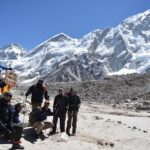
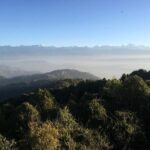
Ghandruk to Pothana via the working rhythm of the trail
Day after Ghandruk, you trek onward: Ghandruk to Pothana. You’ll pass through forests and local villages, with mountain views along the way.
This section matters because it changes the feeling of the trip. The first trekking day is your “arrival into the Annapurna world.” The second day is when your body settles into the pace, and the walk becomes a rhythm—step, pause, look, repeat.
You’ll sleep at the lodge again, and again, trekking lodge and meals aren’t part of the included price. In practice, this means you should bring a bit more cash than you expect, or plan how you’ll handle payments for food and shelter during the hike.
Why I like this trek design for most people: it’s a multi-day taste of Nepal’s mountain life without demanding the kind of extreme elevation commitment that turns a vacation into training. You still get views, villages, and a sense of distance from cities.
Dhampus and Phedi: finishing strong toward Pokhara and Phewa Lake
After trekking to Phedi via Dhampus, you then drive back to Pokhara.
This route gives you a satisfying “last look” feeling. Dhampus tends to act like a viewpoint corridor—when the weather cooperates, your final day can feel like a highlight reel. Then you’re back in Pokhara where the tour nudges you toward an easy evening stroll around Phewa Lake.
That balance is smart. You’ve worked your legs during the trek; now you can recover, stretch, and enjoy a calmer setting. It also gives you time to buy small souvenirs, review photos, and reset your sleep schedule before the final transfer day.
If you’re the type who prefers to keep moving every day, don’t worry—this portion still has activity. But it’s the gentler kind of evening, not another long hike.
Final Kathmandu time: last shopping, then folk music and dance
Before departure, you return to Kathmandu and get a chance for last-minute shopping in Thamel. After that, you’ll have a cultural farewell dinner with Nepalese folk dances and music.
This final night is more than a nice meal. It’s a chance to reconnect to what you saw earlier in Kathmandu’s temples and heritage spaces. By the time you reach this dinner, you’ve also spent days with Tharu cultural presentation in Chitwan and village life on the Annapurna route. So the dance and music doesn’t feel random. It lands as part of a bigger story about how communities celebrate and pass traditions along.
One caution from past participants: guides may sometimes redirect people toward shops. I’d treat this as optional. If you’re not interested, you can politely decline, stick with your guide for site explanations, and focus on what you came to do.
Price and value for a $1,080 per-person package
At $1,080 per person for 10 days, this is not a bare-bones itinerary. You’re paying for a bundle that includes:
- Airport pickup/drop-off by private vehicle
- 3 nights Kathmandu + 2 nights Pokhara with breakfast
- Chitwan lodge stay with three meals
- Trek support for two nights on the Annapurna route
- Guides (tour guide + trekking guide)
- Rafting on the Trishuli River
- Jungle activities in Chitwan
- Trekking permit
- Several intercity transfers (including bus and private transport segments)
So the value isn’t just “things included.” It’s time saved. In Nepal, transport coordination and day-to-day timing can be the difference between an enjoyable trip and a stressful one. This program is built to keep you moving without having to research every connection.
What’s not included matters for budgeting:
- Lunch and dinner in Kathmandu and Pokhara
- Entrance fees for sightseeing in Kathmandu and Pokhara
- Trekking lodge costs and meals while trekking
- Porter (not included)
- Travel insurance (also listed as not included)
My practical take: if you want one price concept you can trust, this tour is a good candidate, but you should still budget for the excluded meals and site entry fees once you’re there.
Guides, group size, and what to watch day-to-day
This trip runs as a small group of up to 12 with English support. Past experiences specifically praised guide professionalism and care. One guide name you may see connected with this kind of trip is Pramod Pangeni, and trekking guide names included Dharma—both described as professional, attentive, and genuinely invested in helping people have a good time on the route.
You can also learn something important from the more mixed feedback. A few participants noted that some guides weren’t proactive with extra info at every stop, and one person mentioned limited English from a guide in their group. The fix is simple: ask questions early. During the first sightseeing day, ask what to expect at each site and how long you’ll be there. When you’re clear on priorities, you get more out of the tour even if explanations vary person to person.
Also, keep your boundaries in mind around shopping. If you don’t want to buy, you can say no. You’re there for the sites, the safari, the rafting, and the trek.
Who should book this Nepal adventure loop
This works best for you if:
- You want city culture + wildlife + active trekking without separate trip planning.
- You’re reasonably fit and enjoy walking, even if you don’t have mountaineering experience.
- You like having a guide handle routes and timing so you can focus on experiences.
- You want a small group rather than a huge bus crowd.
It may not be the best match if:
- You’re not comfortable with long drives and road conditions (there can be bumps and dusty/narrow stretches).
- You need wheelchair accessibility (the tour is listed as not suitable for wheelchair users).
- You’re traveling with very limited mobility, since the trek is an essential part of the route.
- You expect every guide to be equally expressive in English and fully proactive with site-by-site storytelling. Most seem great, but consistency isn’t guaranteed.
Should you book the 10 Days Nepal Adventure Tour from Kathmandu?
I’d say yes if you want a well-packed sampler—culture in Kathmandu, big nature energy in Chitwan, and real hiking time in the Annapurna area—without having to coordinate a dozen moving parts yourself. The combination of rafting + jungle day + village trek is the core strength, and the small-group setup helps keep things organized.
Before you commit, do two things:
- Budget for trekking meals/lodge costs and Kathmandu/Pokhara entrance fees since those are not included.
- Pack for the reality of road days and be honest about your trek comfort level.
If that fits your travel style, this is a fun, practical way to experience Nepal beyond one single theme.
FAQ
Is the trek suitable if I’m not a mountaineer
The tour says you don’t need to be a mountaineer with rippling muscles. If you are reasonably fit and like walking, you should be qualified for the trekking in Nepal. The trip also suggests some physical preparation like running, swimming, or hiking beforehand.
What meals are included during the trip
Breakfast is included at the Kathmandu and Pokhara hotels. In Chitwan, you get three meals during your national park stay. However, all meals while you’re trekking are listed as not included, so you’ll need to budget for trekking meals and lodge costs during the hike days.
Are entrance fees for Kathmandu and Pokhara included
No. Entrance fees for Kathmandu and Pokhara sightseeing are listed as not included.
Do I need a trekking permit
Yes. Trekking permits are listed as included in the tour.
Are porters included for the trek
No. A trekking porter is listed as not included.
Is there cancellation flexibility
Yes. The tour offers free cancellation up to 24 hours in advance for a full refund.