REVIEW · KATHMANDU
3 Days Kalinchowk Trekking from Kathmandu
Book on Viator →Operated by Couch Adventure Nepal (CAN) · Bookable on Viator
A fast trek daydream: Kalinchowk, without the long haul. I like that you get a private trip with your own English-speaking trekking guide, plus hotel pickup and drop-off in Kathmandu. I also really like that permits and official documents are arranged for you, so you can focus on walking. The only real drawback to consider is that meals are not included, so you’ll need to plan your food budget and stops along the way.
What makes this feel manageable is the built-in structure. You take a public bus for the transfers, then switch to short, guided trekking segments with traditional tea house/guesthouse-style accommodation for nights. If you want a quick break from Kathmandu that still delivers snow-capped peak views, this hits the sweet spot.
One more note before you go: the trek is described for people with moderate physical fitness, and the route can include rain (one guide experience mentioned unexpected rain). Pack for changing conditions, not just sunshine.
In This Review
- Key highlights worth your attention
- Kalinchowk in 3 Days: the real value of a short trek
- Kathmandu to Charikot: your first big move is the bus ride
- Day 1 trekking to Kuri: views and a simple trail day
- Day 2 to Kalinchowk: short walk, serious payoff
- A quick drawback to keep expectations realistic
- Day 3 back to Charikot and down to Kathmandu
- Guides and permits: why this matters more than it sounds
- Meals not included: flexibility, yes. But plan your budget
- Weather reality: pack for rain and temperature shifts
- Price and value: is $290 fair for 3 days?
- Who should book this Kalinchowk trek
- Should you book it?
- FAQ
- How long is the Kalinchowk trekking trip?
- What’s included in the price?
- Are meals included?
- Do I need to arrange trekking permits myself?
- How would you describe the fitness level needed?
- Is it a private trip or shared with other travelers?
- What does the itinerary look like each day?
- What is the cancellation policy?
- What happens if weather is poor?
Key highlights worth your attention
- Private, guide-led trekking: you travel with an English-speaking guide who keeps things simple on the ground
- Permits handled for you: trekking permits and official documents are arranged
- Hotel pickup and drop-off: you don’t have to figure out local logistics first
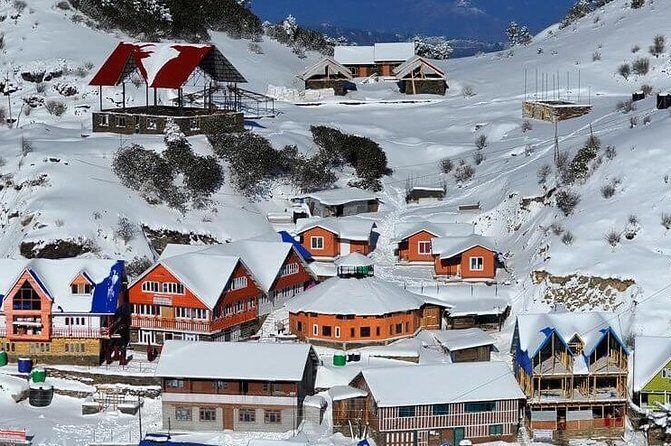
- Tea house/guesthouse stays: authentic simple lodging is included
- Short timeline, real mountain payoff: three days for Kalinchowk views and the temple area
- Meals on your own: you get flexibility, but you also own the planning
Kalinchowk in 3 Days: the real value of a short trek
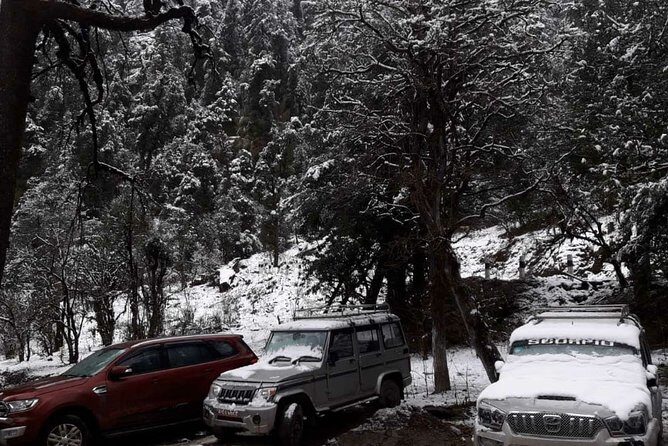
This is the kind of trek I recommend when you want Himalaya scenery without a week of planning. Three days is tight, so the organizers shape the experience around efficiency: transfers are scheduled, trekking is guided, and you sleep in simple guesthouse/tea house lodging that’s part of the trail rhythm.
The big value here is not just the walking. It’s the way the trip removes friction. When permits and documents are handled, you spend less time worrying about paperwork and more time enjoying the views. When your guide can explain what you’re seeing and keep the pace steady, the trek feels more like a supported excursion and less like an endurance test.
The other value is comfort-by-design. Even though you’re trekking, you still get hotel pickup and drop-off, and you’re not left trying to stitch together transport at the end of a long day. That matters when you only have a few days to work with.
You can also read our reviews of more hiking tours in Kathmandu
Kathmandu to Charikot: your first big move is the bus ride
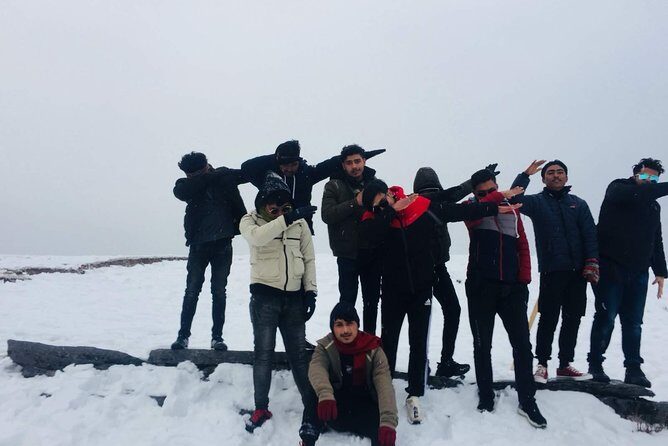
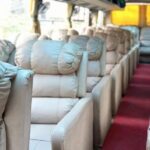
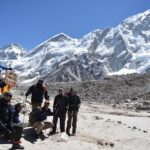
On day 1, you start with a 4-hour bus drive before trekking toward Kuri, with the day running about 10 hours total. This pattern is a plus for first-timers: you ease into the trip with a ride, then get your legs moving once you’re already out of the city.
Charikot works as a jump-off point. It’s where the trekking day becomes real, and where the pace shifts from road travel to trail walking. Because you’re with a guide, you’re not guessing at route timing or what to expect at each step.
A practical thing to know: long days can feel longer when you’re not used to travel plus hiking. If you’re coming straight from Kathmandu routines, consider going a little slower the morning you depart. The trekking portion comes after you’ve already spent time in transit.
Day 1 trekking to Kuri: views and a simple trail day
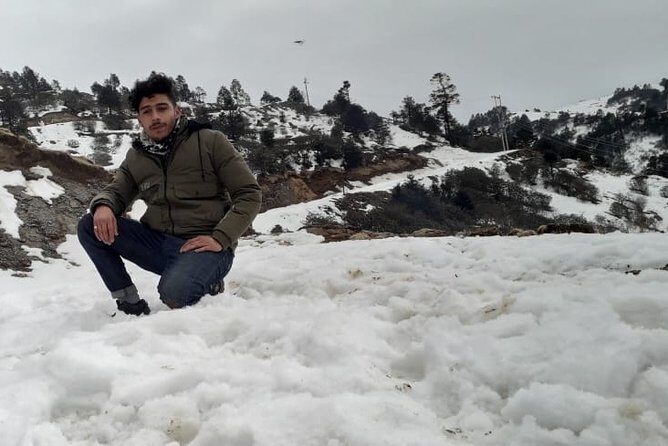
The day’s second phase is the trek toward Kuri. The walking time is part of that 10-hour day, so you should expect an active start. This is not described as an extreme technical trek, and the overall trip is framed as moderately easy, but it is still a full trekking day.
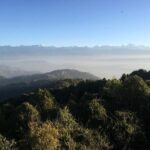
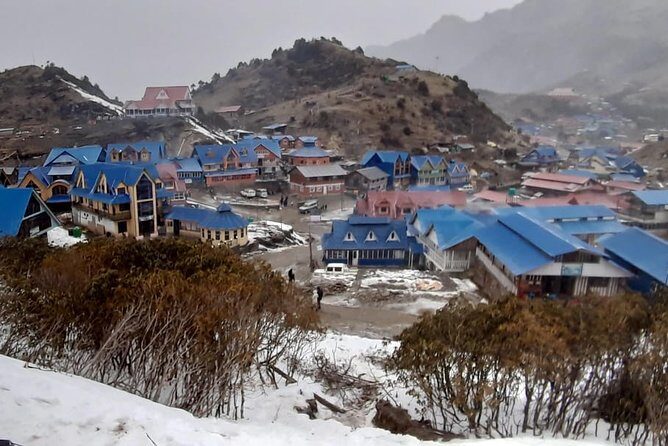
This is also where the mountains begin to feel close. Even when you’re not at the highest point yet, you’re building anticipation. A couple of experiences highlighted how beautiful Charikot and Kuri are, which matches why this stop is included as a meaningful part of the journey, not just a waypoint.
You’ll sleep in a simple guesthouse/tea house setting included in the package. That matters because it keeps your first night aligned with the trekking schedule. No late-night detours, no “find your own room” stress.
Day 2 to Kalinchowk: short walk, serious payoff
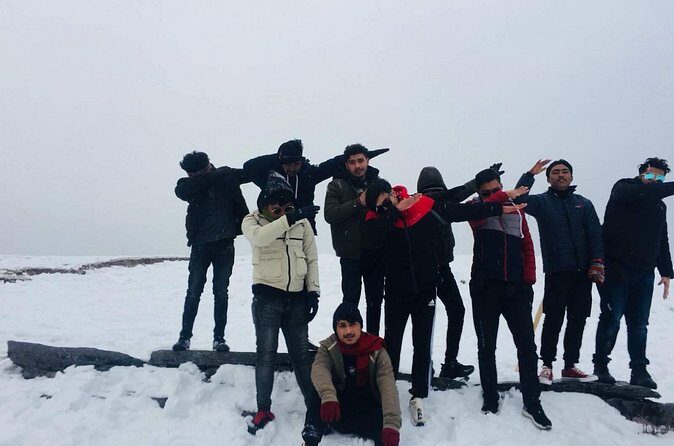
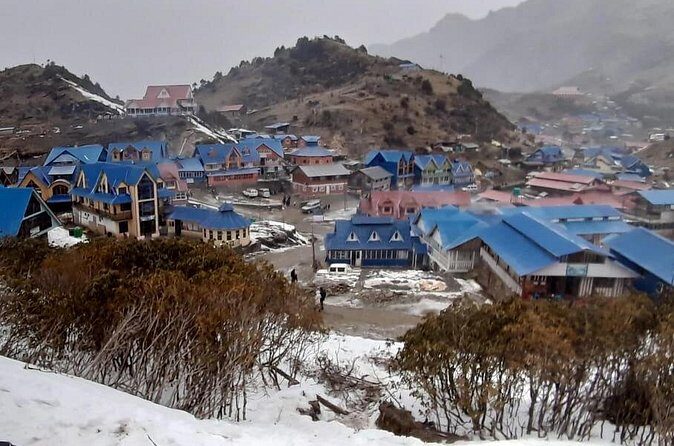
Day 2 is the highlight day. You trek from Charikot up to Kalinchowk, and it’s described as about 2 hours to reach your destination. That time matters: it’s short enough that you can still enjoy the day instead of just surviving it.
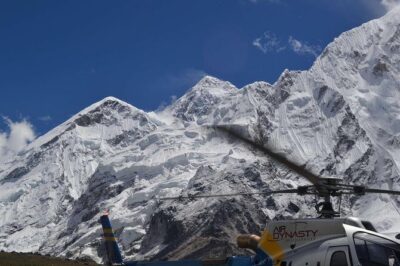
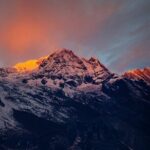
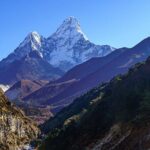
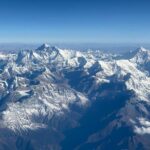
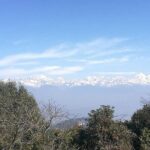
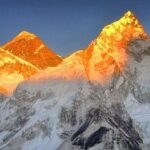
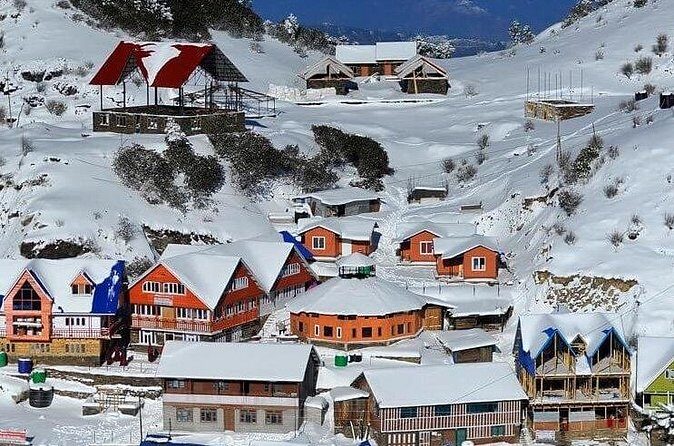
At the top, you’re in the realm of snow-capped peaks—the experience notes views including Langtang, Ganesh Himal, and Gaurishanker. Even if you’ve seen mountains before, there’s something special about seeing them from a higher trekking viewpoint after a short, guided climb.
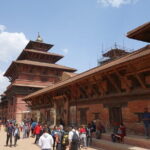
Many people also make time for the Kalinchowk Bhagwati Temple area when they’re there. One account specifically calls out the temple as part of why the trek feels memorable. Another mentions a famous temple experience tied to the region (and the name comes up as Vagawoti Temple). Either way, the cultural stop gives the day structure, not just scenery.
A quick drawback to keep expectations realistic
Because day 2 is short, the experience can feel concentrated. You’ll want good weather because that’s when those views and the temple experience feel most rewarding. If clouds roll in, you may still enjoy the trek, but the payoff will be muted. The trip is clear that it depends on good weather.
You can also read our reviews of more tours and experiences in Kathmandu

Day 3 back to Charikot and down to Kathmandu
Day 3 is a return day, not a second climb. You trek back to Charikot, then you take the bus back to Kathmandu, with the day running around 9 hours total.
That structure is smart: it lets you end without rushing your last day. The return trek keeps you connected to the route you came up on, and then the bus transfer gets you back to your hotel experience smoothly.
A useful way to think about it: day 3 is your recovery day in disguise. If you go into the trek thinking you need to “finish strong,” you might get tired. Instead, treat it like a calm wrap-up: keep steady, hydrate, and save energy for the bus ride back.
Guides and permits: why this matters more than it sounds
This trip leans heavily on support. You get a private trip and an English-speaking trekking guide, and they handle trekking permits and all official documents.
In practice, this means you’re not coordinating multiple pieces of the trip yourself. You also avoid the common stress of unclear paperwork. When permits are arranged, you can focus on pacing, scenery, and enjoying the trail.
Guide personalities also show up in the experiences people shared. Names like Rabbin and Ravi came up, and both were described as friendly and helpful, with a clear focus on making you feel secure and comfortable. That’s a big deal on a short trek: you don’t want anxiety to take up your limited time outdoors.
If you like chatting as you walk, an English-speaking guide can make the hike feel more like a conversation than a chore. If you prefer quiet, a good guide also knows when to keep things practical and low-pressure.
Meals not included: flexibility, yes. But plan your budget
Meals are not included, and you can eat what you like. That’s great if you have food preferences or you want to try what’s available along the route. It also means you’re responsible for breakfast/lunch/dinner timing.
On tea house and guesthouse treks, food is typically part of the day’s rhythm. The challenge is that your trek schedule can tighten your meal choices. The upside is flexibility; the downside is that you might spend more time thinking about food than hiking, if you don’t plan ahead.
My practical advice: set a daily food budget before you go. Also bring snacks you trust. Even if the tea house option is available, it’s nice to have a backup when weather or timing changes.
Weather reality: pack for rain and temperature shifts
The trip requires good weather. If conditions are poor, you’re offered a different date or a full refund. That’s reassuring because it means your organizer is watching the forecast, not just running the schedule no matter what.
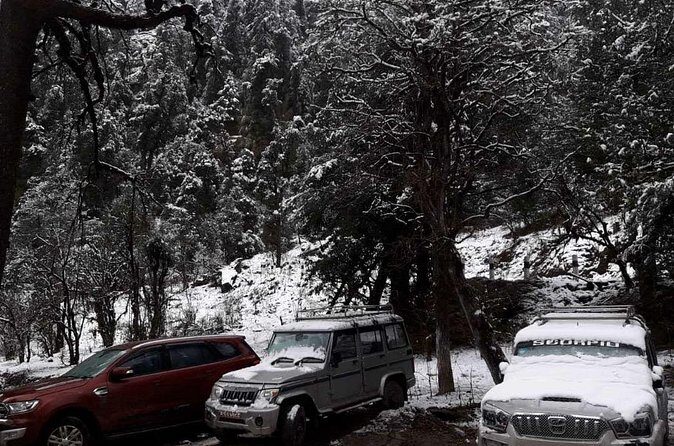
Even with decent planning, rain can happen. One experience mentioned unexpected rain on the way. That’s not a reason to skip the trek, but it is a reason to pack smart: you’ll want rain protection and layers you can adjust.
Because day 2 is about reaching Kalinchowk for views, you’ll also feel weather impacts more on that day. If the sky clears, the short climb feels worth it. If it doesn’t, you’ll still have a guided walk and a temple stop, but the mountain drama may be limited.
Price and value: is $290 fair for 3 days?
At $290 per person for about 3 days, this trek can be a strong value if you count what’s included. You’re getting:
- Private trip with an English-speaking guide
- Hotel pickup and drop-off in Kathmandu
- Trekking permits and official documents arranged
- Round-trip transfers by public bus
- Guesthouse/tea house accommodation included
Where the value comes from is the support package. Permits + guide + transport + lodging would easily add up if you tried to DIY it, especially on a short schedule where mistakes cost time.
The main thing that can change the total cost is meals, because they’re not included. If you budget meals thoughtfully, the overall price still feels reasonable for a guided, permission-handled mountain getaway.
If you’re the type who likes to plan your own food and keep costs flexible, the meal setup helps. If you want everything handled from start to finish, this might feel a little incomplete—though the guide support still reduces the overall workload.
Who should book this Kalinchowk trek
This one fits you well if:
- you want a quick Himalaya break from Kathmandu (3 days)
- you prefer guided support and someone handling permits
- you like the idea of a moderate trek with tea house/guesthouse nights
- you care about having a temple-style stop at the top area
It might not fit as well if:
- you need meals fully included
- you want a long, demanding multi-day trekking circuit
- you’re very sensitive to weather disruptions (the trip does require good conditions)
If it’s your first trek, the short structure can be a confidence-builder, especially when your guide keeps pacing reasonable. If you’re returning to trekking, you’ll still enjoy the mix of walk time and destination payoff without committing a week away.
Should you book it?
I’d book this Kalinchowk trek if you’re trying to squeeze in the mountains with minimal hassle. The biggest reasons are practical: private guide support, permits handled, and hotel pickup/drop-off. For the money, you’re paying for time savings and reduced friction.
I would hesitate only if you strongly want meal plans included or you know your schedule can’t flex if weather forces a change. In that case, consider whether you can handle an alternate date.
If you’re ready for a guided, moderately paced trek with real views and temple atmosphere, this 3-day plan is a smart way to experience Kalinchowk without overcomplicating your trip.
FAQ
How long is the Kalinchowk trekking trip?
It’s described as about 3 days.
What’s included in the price?
The package includes hotel pickup and drop-off, trekking permits and official document arrangements, an English-speaking trekking guide, round-trip transfers by public bus, guesthouse accommodation, and a private trip.
Are meals included?
No. Meals are not included, so you can choose what you eat.
Do I need to arrange trekking permits myself?
No. Trekking permits and all official documents are arranged for you.
How would you describe the fitness level needed?
The trek is suitable for people with moderate physical fitness.
Is it a private trip or shared with other travelers?
It’s a private trip, so only your group participates.
What does the itinerary look like each day?
Day 1 includes a bus drive (about 4 hours) and trekking toward Kuri (day is about 10 hours total). Day 2 is trekking from Charikot to Kalinchowk (about 2 hours). Day 3 includes trekking back to Charikot and a bus drive to Kathmandu (about 9 hours total).
What is the cancellation policy?
You can cancel for a full refund if you cancel at least 24 hours before the experience starts. Free cancellation is available, and changes within 24 hours aren’t accepted for a refund.
What happens if weather is poor?
If it’s canceled due to poor weather, you’ll be offered a different date or a full refund.