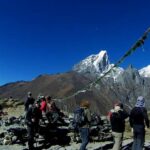
The first big views come fast. This Annapurna Base Camp trek is built for momentum, with small-group hiking and a logistics-light plan that keeps your energy where it matters. I like that you get airport pickup and drop-off, so you are not stuck figuring out Nepal transportation after a flight. I also like the straightforward rhythm: drive days to set you up, hiking days to earn the views, and the right support when altitude and weather get real.
The trekking itself is the point, and the route nudges you through the Annapurna region one step at a time. It is not a random hike either; you hit classic waypoints like Tikhedunga, Ulleri, Poon Hill, Chhomrong, and then the base camp area. In the feedback I saw, the guide name that comes up is Indra, and the theme is that he is attentive and reads weather and terrain well, which matters when conditions can turn.
One consideration: even with all meals and overnight setup handled, you still face steep climbs and long days on uneven paths. If your knees or lungs are not ready, you will feel it—so pick this for a moderate fitness level and a patient pace mindset.
In This Review
- Key reasons this Annapurna Base Camp trek is getting booked
- Annapurna Base Camp in 11 days: what you’re really signing up for
- Day 1 to Pokhara via Malekhu: the drive that sets your expectations
- Nayapul to Tikhedunga and beyond: the first hike days feel steep for a reason
- Poon Hill sunrise energy: why that detour is worth the effort
- Chhomrong toward the sanctuary gate: where the hike turns serious
- Bamboo, base camp, and the return rhythm: how ABC days usually feel
- The Kathmandu reset: tourist bus day and finishing clean
- What’s included (and what that really means for your comfort)
- Included support you’ll actually use
- Gear note that can save money
- Insurance and personal expenses are not handled
- Pickup, timing, and group size: the logistics that improve the hike
- Price and value: does $785.72 feel fair for Annapurna Base Camp?
- Who should choose this trek, and who should pause
- Practical tips before you go: packing and pace that fit this route
- Should you book this Annapurna Base Camp trek?
- FAQ
- How long is the Annapurna Base Camp trek?
- What is included in the price at a glance?
- What time does the experience start and where do we meet?
- How many people are in the group?
- Are flights, visa, insurance, and tips included?
- Can I cancel for a full refund?
Key reasons this Annapurna Base Camp trek is getting booked
- Small group up to 10 people keeps the pace and coordination easier than big groups.
- All meals and 10 nights of accommodation reduce decision fatigue and help you pack lighter.
- Permits handled (Annapurna Conservation Permit and TIMS) means fewer admin headaches.
- Gear support includes a sleeping bag and down jacket (returned after the trek).
- Indra-style guidance (attentive, terrain-aware) can make a steep day feel more manageable.
- Pokhara and Kathmandu included so you do not land in Nepal for just one trek and then rush away.
Annapurna Base Camp in 11 days: what you’re really signing up for
Annapurna Base Camp is one of those treks that people talk about because it delivers big mountain payoff. What I like about this particular 11-day format is that it tries to balance the classic ABC trail with real recovery time and actual sightseeing.
You get a total of 10 nights of accommodation, with breakfast plus multiple lunches and dinners included across the trek portion. That matters because food and rest are not small details at altitude—they directly affect how your next day feels.
Also, this trip is action-packed by design, which is great if you want movement every day. Just know the tradeoff: there is not much downtime for slow wandering. You will earn your views, then keep going.
You can also read our reviews of more hiking tours in Kathmandu
Day 1 to Pokhara via Malekhu: the drive that sets your expectations
Day 1 is your Nepal warm-up: you start at Tribhuvan Airport in Kathmandu at 7:15 am, then travel toward Pokhara. The drive routes through scenic rivers like the Trisuli and Marsyangdi corridors, and it’s noted as a pretty good road day for views along the way.
Why this is valuable: you are going from city to mountains quickly, and that first day helps you adjust without turning the whole trip into one long hike. If you have ever done a trek where you arrive stressed and sleep poorly, you know how much that matters. Here, the plan includes transportation and setup, so your first major decision is simply showing up.
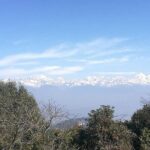
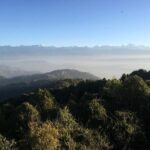
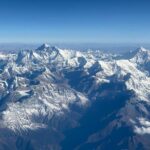
The drive is also the kind of day where you start spotting Himalayan peaks in the distance. If mountains calm you down, this is your moment to get used to the scale before you start climbing.
Nayapul to Tikhedunga and beyond: the first hike days feel steep for a reason
On Day 2, you drive to Nayapul (about an hour and a half), then start hiking out toward Tikhedunga. This first stretch goes via Birethanti and climbs to Tikhedunga at 1577m, about 4 hours on the trail.
Day 3 continues with the kind of profile that makes base-camp trekkers either love or dread Annapurna. You begin by ascending steeply for the first two hours, then shift into gentler climbing passing through Ulleri (around 2070m) and Banthanti. The day is described as around 6 hours, with breathtaking views along the way.
My practical take: those early climbs are not just for fitness. They help you get elevation under your belt so you are ready for the higher viewpoints later. But they also mean you should pace hard at the start—especially if you are new to altitude trekking.
Poon Hill sunrise energy: why that detour is worth the effort
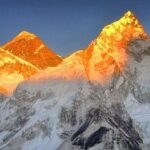
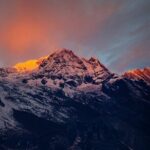
If you want the classic Annapurna view moment, Day 4 is built around Poon Hill at 3232m. The hike time is about 6 hours, and the payoff is sunrise-style scenery with views over Dhaulagiri, Tukuche Peak, Nilgiri, Varaha Shikhar, Annapurna I, Annapurna South, and more.
Day 5 then descends gently through forests with rhododendron and oak noted in the route description. You also pass through Ghorepani, with a hike time around 5 hours. This day acts like a pressure release after the higher viewpoint day.
Day 6 is again more hiking intensity (about 7 hours), including a stone stairway descent early on and a suspension bridge crossing. You then climb out toward Chhomrong Khola and into the Chhomrong area.
Why Poon Hill works in a trek plan: it is a controlled way to get high without waiting until the very end. You see big peaks, you build confidence, and you learn how your body handles cold air and thin breathing. The key is not to sprint the sunrise plan if you are feeling lightheaded—save your lungs for the trail, not the brag race.
Chhomrong toward the sanctuary gate: where the hike turns serious
Day 7 moves deeper into the sanctuary approach, heading toward the Chhomrong area and onward. The route description signals the valley widening and becoming less steep, plus the sense of entering the sanctuary. The hike is around 6 hours, with mentions of crossing avalanche-related cut points.
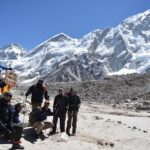
Day 8 is the payoff build-up. You head toward Bamboo and the plan specifically notes a visit to the base camp area and the surrounding views. The trek time is around 6 hours, and Day 8 is described as including visiting the Base camp area first, then starting the trek back toward Dovan.
This is where I’d keep expectations realistic: you are not going to stroll ABC like a theme park. Even if your days are well-managed, the altitude and walking time add up. The upside is that when the base camp moment comes, it feels earned.
Also, note this plan includes permits and the Annapurna Conservation Permit and TIMS. That’s useful because it removes one of the most annoying parts of trekking admin. Less paperwork means more time focused on your body and the trail.

Bamboo, base camp, and the return rhythm: how ABC days usually feel
Day 8 has the base camp visit, and then Day 9 starts the return. Day 9 is described as descending to Bamboo through rhododendron, oak, and bamboo plants, then a steep climb afterward before reaching the next stop. The time is around 6 hours, with the route described as mixed terrain.
Why this matters: the return days are not always easier on your body. Descents can feel deceptively hard on knees and ankles, and those short steep climbs can catch you off guard. If you use trekking poles, this is the kind of day where you will be glad you packed them.
Day 10 shifts you back toward Nayapul, with the first part described as descent and then some flat land before lunch at Birethati. You then walk about 30 minutes to Nayapul and wrap the trekking portion. This day is around 7 hours.
The Kathmandu reset: tourist bus day and finishing clean
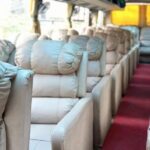
Day 11 is your connection to Kathmandu. The plan includes a tourist bus leaving at 7 am after breakfast, and the drive is described as fantastic, passing satellite towns and rural settlements with gushing river views along the way.
That matters because the end of a trek can be emotionally weird. You are done, but your legs still feel it. Having a structured bus transfer gives you a smooth landing. It also makes it easier to plan dinner plans in Kathmandu without chasing logistics.
What’s included (and what that really means for your comfort)
This trek is set up as a true package, not just a guide plus a promise.
Included support you’ll actually use
- A guide (and the name Indra shows up in the feedback theme as attentive and knowledgeable about route, terrain, and weather conditions).
- Transportation Kathmandu–Pokhara–Kathmandu by tourist bus.
- Accommodation for 10 nights plus all meals during the trek (breakfast 10 times; lunch 9 times; dinner 8 times).
- Annapurna Conservation Permits and TIMS.
- A trekking map if necessary.
- Sleeping bag and down jacket provided and returned after the trek.
Gear note that can save money
If you don’t own cold-weather trekking insulation, the sleeping bag and down jacket handoff can be a real value. You also avoid paying for rental shops in Kathmandu the day before you hike. You still need personal layers, but the biggest “must be warm” items are covered.
Insurance and personal expenses are not handled
Your travel insurance is listed as not included, and so are your personal expenses, tips, and alcoholic/non-alcoholic drinks. Also, a porter is optional at $20 per day if you need one.
Practical meaning: bring enough cash for tips and drinks, and don’t treat porter support as a last-second idea. If you think you might want help carrying, decide early so your plan feels lighter.
Pickup, timing, and group size: the logistics that improve the hike
This is a max of 10 travelers, which is a sweet spot. You get the comfort of small-group coordination—less waiting, fewer bottlenecks at trail chokepoints, and easier adjustments when weather changes.
The trip starts at Tribhuvan Airport in Kathmandu at 7:15 am. That matters because early departures can be tough if you are still recovering from jet lag. If you are flying in the day before, you’ll feel better. If you arrive late the night before, at least plan to sleep early so morning doesn’t hit you like a truck.
Also, you get confirmation within 48 hours subject to availability. That’s useful if you’re booking on a shorter timeline, but you still should not treat it like instant guarantee.
Price and value: does $785.72 feel fair for Annapurna Base Camp?
At $785.72 per person for 11 days, this is priced like a package built for fewer headaches. The strongest value pieces are the big-ticket items that beginners usually struggle with: permits (Annapurna Conservation Permit and TIMS), guiding, and meals plus accommodation.
Let’s break down why it feels like decent value rather than just a number:
- If you were to assemble this on your own, you’d pay for a guide, lodging each night, and likely deal with permit logistics.
- The included airport pickup and drop-off helps you avoid costly or time-wasting transfers at the start and end.
- The included sleeping bag and down jacket rental-style support can be worth a lot if you are arriving without trekking gear.
Where the value can wobble is what is not included: travel insurance, international flights, visa fee, tips, and porter (if you need one). Those can add up. But at least the core trek costs are packaged, so you can budget cleanly instead of guessing.
In short: if you want a guided, meal-inclusive ABC trek that handles permits and key transfers, the price looks competitive. If you already have all gear and you plan to organize independently, the package may feel less “special.” For most people, the hassle-free structure is the real savings.
Who should choose this trek, and who should pause
This one is a good match if you:
- want a moderate physical fitness level trek with structured daily planning
- prefer a group capped at 10
- value included logistics like meals, lodging, and permits
- want time in Kathmandu and Pokhara, not just hiking
You might rethink it if:
- you know you struggle with steep climbs right away (the early days include steep ascents)
- you want total freedom to improvise routes or stops
- you are missing basic trekking readiness (layers, rain cover, and plans for cold nights)
The trek is action-packed, but it is also practical. It gives you the structure and support, then asks you to bring the right pace and respect for altitude and weather.
Practical tips before you go: packing and pace that fit this route
I’d plan your body and kit around the fact that the trek includes both high viewpoints and long day walking. Poon Hill is at 3232m, and you’ll be moving between villages and viewpoints through day after day.
A few practical moves:
- Use layers. Days can be warm in sun, then cold as elevation rises or after you reach shade.
- Bring items for cold mornings near high viewpoints. The trip includes down jacket support, but you still need a base layer and something for wind.
- Take the first climbs slow. Day 3’s first two hours are described as steep. That’s where people overdo it.
- If you think you’ll need extra help, consider using the optional porter early at the stated $20 per day. It can turn a tough day into a manageable one.
And yes, pack for real trail life: muddy sections, cold air, and long walks are part of the deal.
Should you book this Annapurna Base Camp trek?
I think this is a smart pick if you want Annapurna Base Camp without turning your trip into a logistics project. The combination of meals included, permits handled, small group size, and transport from Kathmandu makes it especially friendly for first-timers or anyone who wants their time to be about hiking and views.
If you are confident organizing permits, lodging, and guides on your own and you have your gear ready, you might find cheaper routes. But most people pay for peace of mind, and this plan gives it in concrete ways: pickup/drop-off, guides, accommodation, and gear support.
If your priority is a well-run, high-reward trek with Kathmandu and Pokhara time attached, this one is worth serious consideration.
FAQ
How long is the Annapurna Base Camp trek?
The trek runs for 11 days (approximately), with trekking days plus time included for Kathmandu and Pokhara.
What is included in the price at a glance?
The package includes a guide, accommodation for 10 nights, transportation Kathmandu–Pokhara–Kathmandu by tourist bus, meals (breakfast, lunch, and dinner as listed), Annapurna Conservation Permits and TIMS, and insurance and meals/food/drinks for the guide. A sleeping bag and down jacket are also provided and returned after the trek.
What time does the experience start and where do we meet?
The start is at Tribhuvan Airport in Kathmandu at 7:15 am, with airport pickup included.
How many people are in the group?
The maximum group size is 10 travelers.
Are flights, visa, insurance, and tips included?
No. International flights, the Nepal entry visa fee, and your travel insurance are not included. Tips for the guide & driver are also not included.
Can I cancel for a full refund?
You can cancel up to 3 days in advance for a full refund. If you cancel less than 3 days before the start time, the amount paid will not be refunded.