REVIEW · KATHMANDU
Escorted Full Day Pharping, Dakshinkali and Kirtipur Day Trip with Newari Lunch
Book on Viator →Operated by Liberty Holidays · Bookable on Viator
Three temples, one day, and a lot to feel.
This full-day Kathmandu Valley combo is built for real local sights, from cave and shrine stops in Pharping to the pilgrimage draw of Dakshinkali and the hilltop heritage of Kirtipur. I especially like the door-to-door flow in a private vehicle and the fact that entrance fees are handled, so you spend less time figuring things out and more time looking closely at what’s in front of you.
My second favorite part is the included Newari lunch, which turns the day from a sightseeing checklist into a taste of Kathmandu Valley culture. One thing to consider: the Dakshinkali setting and the temple context can be distressing for some people, so if you’re sensitive to that kind of imagery, plan accordingly.
In This Review
- Key points that make this day trip work
- Door-to-door comfort in Kathmandu Valley
- Pharping: caves, self-arising Ganesh, and Vajrayogi
- Dakshinkali Temple: pilgrimage intensity and a sensitive context
- Chilancho Bahal and Kirtipur’s hilltop heritage
- The Newari lunch: spicy, filling, and part of the culture
- Admission fees, private guide time, and what you actually pay for
- How long is the day really?
- Best-fit travelers (and who should rethink)
- What I’d pack and how I’d prepare
- Should you book this Pharping–Dakshinkali–Kirtipur day trip?
- FAQ
- Is hotel pickup included?
- What time does the day trip start?
- How long is the tour?
- Which places does the itinerary include?
- Are entrance fees included?
- Is lunch included, and what type of food is it?
- Are drinks included with lunch?
- Is tipping included in the price?
- Is this a private tour?
- What’s the cancellation timeframe?
Key points that make this day trip work
- Door-to-door hotel pickup and drop-off keeps the day from turning into a logistics project
- Pharping’s cave and self-arising Ganesh add variety beyond the usual temple stops
- Dakshinkali Temple is a real pilgrimage site, not just a photo stop
- Newari feast is included, and yes, it can be spicy
- Private guide with help on tricky steps (Bharat stood out for assisting on hazardous stairs)
Door-to-door comfort in Kathmandu Valley
This is a private day trip that starts at 10:00 am with pickup from your hotel in Kathmandu, then runs on a set route with guided time at each stop. The pitch is simple: let someone else handle the turns, traffic timing, and site entrances, while you focus on the places that matter.
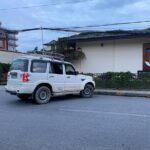
You get transport in a luxurious private vehicle, plus hotel drop-off at the end. That matters in Kathmandu because the “real” time cost is often the getting-around part. With this tour, you’re not juggling rides between Pharping, Dakshinkali, and Kirtipur. You’re also not dealing with the stress of locating entrance desks or ticket points on your own.
The other practical win: the tour includes entrance fees for the specific stops listed. You still might want to spend extra time at a site or add a bonus stop, but for what’s on the itinerary, you’re covered.
You can also read our reviews of more tours and experiences in Kathmandu

Pharping: caves, self-arising Ganesh, and Vajrayogi
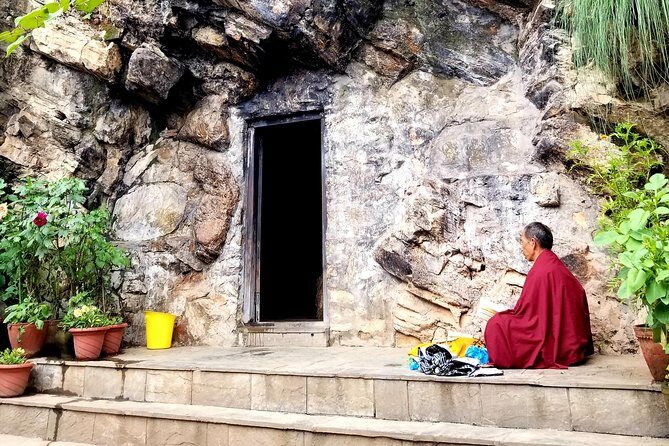
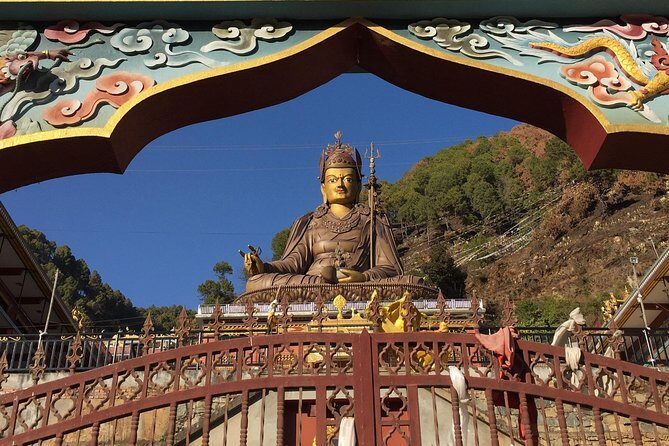
Pharping is the first main stop, reached after a morning drive. The timing is designed to get you there by late morning, with sightseeing starting around 11:00 am. You’ll spend about 2 hours here, and the stops listed include:
- Asura Cave
- Self-arising Ganesh
- Vajrayogi
What I like about Pharping in this itinerary is the mix of spiritual themes in a small area. Caves tend to feel cooler and more enclosed, which shifts your body’s attention away from the busy street rhythm outside. Then you’re back to shrine energy—short walks, looking up, and watching how people interact with the space.
One real-world tip: the route can involve treacherous steps. A guide named Bharat was specifically praised for helping with difficult stair sections, which is exactly the kind of support that makes a day trip feel smooth instead of punishing. If you have knee issues or you hate uneven footing, wear shoes you trust on stone steps and ask your guide to pace you.
Also, cave and shrine visits often mean you’ll want a bit of time to pause and absorb what people are doing—lighting, praying, moving around statues. This isn’t just passing through; it’s a guided route that gives you time at each listed point.
Dakshinkali Temple: pilgrimage intensity and a sensitive context
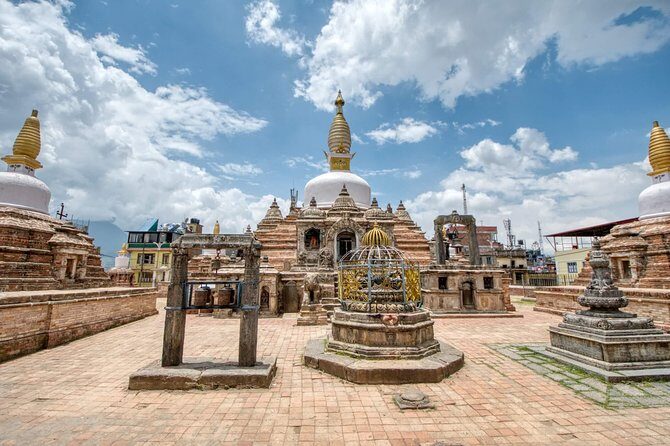
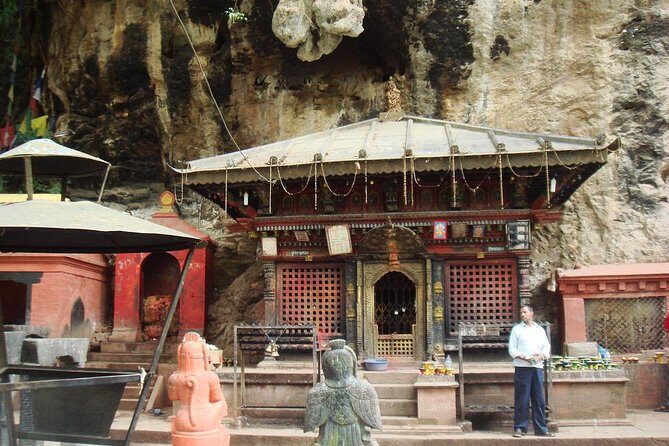
Dakshinkali Temple is the heart of this combo. The tour takes you there after Pharping, and you’ll have about 1 hour 30 minutes at the site area (with admission included).
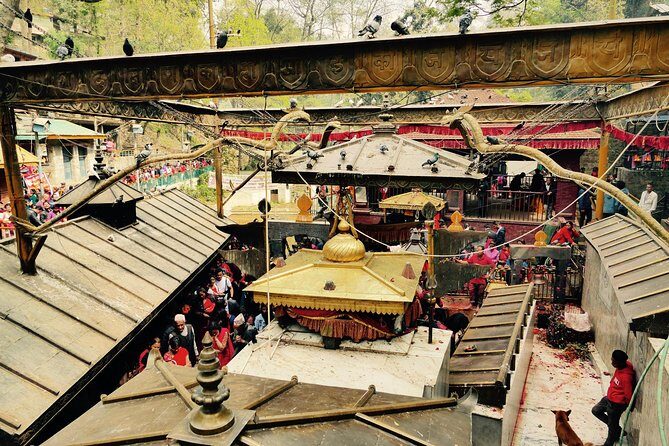
The setting is described as a rocky cleft in the forest at the confluence of two sacred streams. That alone gives the place a strong sense of place: you’re not just visiting an isolated building, you’re arriving at a pilgrimage setting shaped by water, stone, and ritual movement.
The reason Dakshinkali is famous is also the reason it can be tough. The tour information calls it a blood-soaked temple and notes it’s a favorite Hindu pilgrimage destination. That’s not a neutral detail. The day trip includes a warning that the bloody river and temple context may be distressing for some visitors.
How to handle that reality:
- If you’re comfortable with strong religious imagery, this stop is a powerful cultural encounter.
- If you’re easily unsettled by graphic or intense visuals, decide in advance. You can also use the guide to understand what you’re seeing so it doesn’t feel random or shocking.
In other words, go with your eyes open. This isn’t a “pretty and peaceful” temple stop—it’s a living pilgrimage site with an intense emotional atmosphere.
Chilancho Bahal and Kirtipur’s hilltop heritage
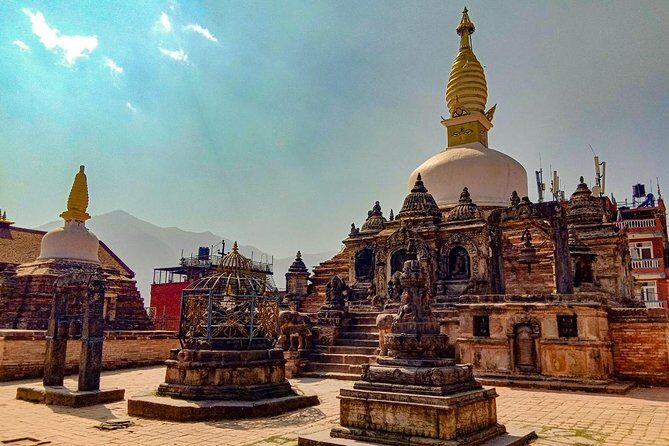
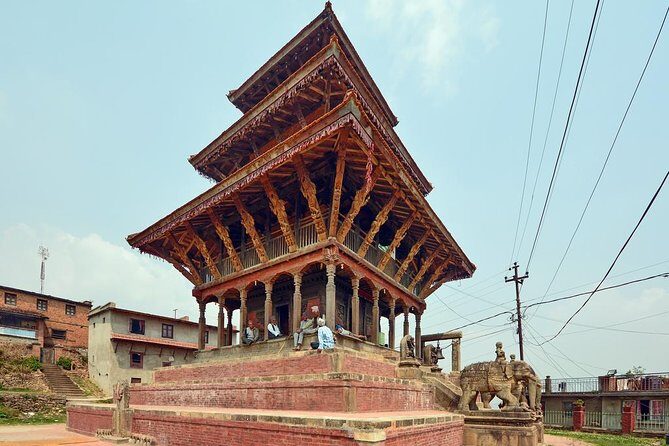
After Dakshinkali, you’ll head back toward Kirtipur. The itinerary calls out Chilancho Bahal as the Kirtipur stop, with about 1 hour 30 minutes for this segment, and admission included.
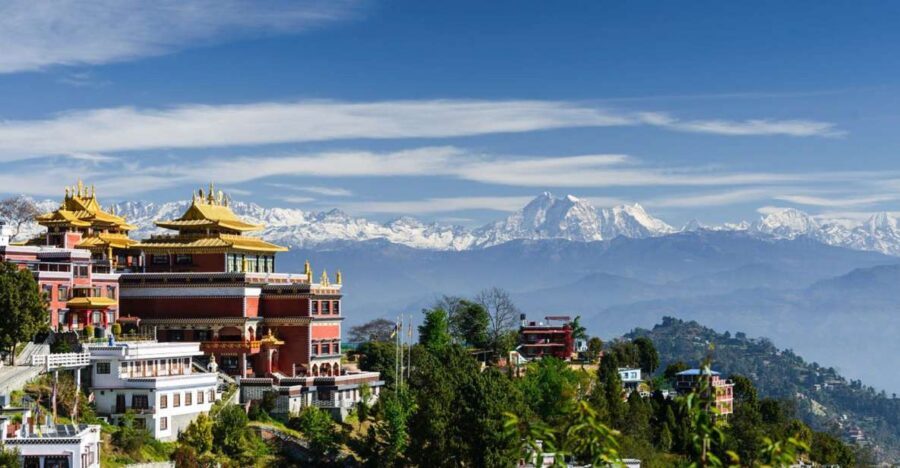
Kirtipur is located on a hill southwest of central Kathmandu, and it’s described as one of several ancient kingdoms that were once independent, before becoming part of the Kathmandu Valley landscape as we understand it today. That context matters because it turns Kirtipur from a scenic viewpoint into a story about political and cultural change—how local communities held identity through centuries.
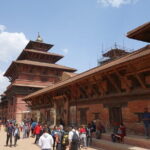
Chilancho Bahal is the specific point of interest in this tour. With bahal-style heritage sites, you’re often looking at how local architecture and religious life overlap in a neighborhood setting rather than a big monument complex.
One practical note: hill towns mean you’ll likely deal with stairs, angles, and uneven ground. Since the earlier Pharping section can already involve tricky footing, keep your energy for the combined effect of steps and walking. If your guide paces you well, this segment can feel like a calmer finish—less intense than Dakshinkali, but still meaningful.
The Newari lunch: spicy, filling, and part of the culture
The included lunch is a big reason this trip feels more balanced than a bare-bones temple route. You’ll eat traditional Newari food, and the tour description is clear: it’s famed in Nepal for its range of dishes, but it’s also a bit spicy.
That means you should plan for flavor, not just calories. If you have a low spice tolerance, let the guide know. In many cases, you can adjust what you take on your plate, but you can’t assume the kitchen will make fully mild versions unless the tour has that option.
I also like that lunch isn’t an afterthought. Some tours dump you somewhere and call it done. Here, Newari food is a stated feature, so the meal becomes part of the cultural learning curve.
And because the day includes multiple sites, the lunch is your energy reset. It helps you enjoy the late-afternoon Kirtipur segment rather than feeling worn down.
You can also read our reviews of more tours and experiences in Kathmandu
Admission fees, private guide time, and what you actually pay for
At $120 per person, the price looks “tour-like,” but it also lines up with what you’re getting: private vehicle, hotel pickup and drop-off, entrance fees for listed stops, and a Newari lunch.
To judge value, look at what would cost you if you DIY’d:
- You’d pay for transport between the sites.
- You’d handle entry tickets yourself.
- You’d spend time figuring routes, timings, and the right place to enter.
- You’d likely still want someone to explain what you’re seeing, especially at a place like Dakshinkali.
This tour gives you that explanation component through an escort guide. One guide name stands out from the feedback: Bharat. The praise wasn’t just about storytelling—it was practical help navigating difficult stairs. That kind of support is hard to price, but it directly affects how much you enjoy the day.
One caution on expectations: the sightseeing blocks listed add up to less than a full 7 hours of walking and visiting. That doesn’t necessarily mean the tour is shortchanged; it may mean driving time and breaks fill the rest. Still, if you’re counting hours tightly, know that temple time can be brisk as long as everything stays on schedule.
How long is the day really?
The tour duration is listed as about 7 hours. The itinerary blocks show:
- Pharping segment about 2 hours
- Dakshinkali about 1 hour 30 minutes
- Kirtipur segment about 1 hour 30 minutes
That’s roughly 5 hours of on-site time across the three stops, not counting the morning drive and the return drive. In practice, the day should feel like a focused loop rather than a slow, all-day wander.
This can be a plus if you don’t want to spend your whole day in transit. It can also feel slightly short if you like long, slow temple stays where you sit and watch for a long time. If you’re the sit-and-stare type, bring a gentle expectation: you’re getting a guided route with defined stops, not open-ended free time.
Best-fit travelers (and who should rethink)
This tour is a good match if you want:
- A structured day across three distinct Kathmandu Valley cultural stops
- Private comfort with hotel pickup and drop-off
- Included entry fees and lunch, so you’re not budgeting every step separately
- A guide who can help with physical challenges at sites with tricky stairs (Bharat earned specific credit for support)
You might want to rethink the trip if:
- You’re very sensitive to graphic or distressing imagery. Dakshinkali is explicitly flagged as potentially distressing due to the bloody river/temple context.
- You need an itinerary with lots of extra breathing room at each stop. This route keeps to listed viewing times.
If you go anyway and you’re sensitive, you can still make it work by preparing mentally and talking with your guide about pacing.
What I’d pack and how I’d prepare
You’ll get the best day if you treat it like a mix of temple walking plus some rough terrain.
Pack basics:
- Comfortable shoes for stone steps and uneven ground
- Water for the parts of the day when you’re not eating
- A light layer if the cave area feels cooler than the streets
And do one simple prep step before pickup: decide how you feel about Dakshinkali. If it’s the kind of imagery that will sit in your stomach afterward, you’ll have to manage your own comfort level. The tour warning is there for a reason.
Should you book this Pharping–Dakshinkali–Kirtipur day trip?
If you want a value-driven way to cover three Kathmandu Valley sites in one organized day, this tour makes sense. The private transport, included entrance fees, and the Newari lunch all reduce decision fatigue. The guide support you can get on physical steps is also a real quality marker, not just a nice-to-have.
But don’t treat Dakshinkali like a casual stop. If you’re sensitive, that factor can outweigh everything else. If you’re comfortable with intense pilgrimage contexts, this route gives you a strong cross-section of valley culture: cave/shrine traditions in Pharping, the emotionally charged pilgrimage draw at Dakshinkali, and Kirtipur’s hilltop heritage finish.
FAQ
Is hotel pickup included?
Yes. Pickup and drop-off are included for hotels inside the Kathmandu city ring road. If your hotel is outside the ring road, you may need to pay an additional charge.
What time does the day trip start?
The start time is 10:00 am.
How long is the tour?
It runs for about 7 hours.
Which places does the itinerary include?
The day trip covers Pharping (Kamalpokhari), Dakshinkali Temple, and Kirtipur (Chilancho Bahal).
Are entrance fees included?
Yes. The tour includes all entrance fees as applicable for the listed sites.
Is lunch included, and what type of food is it?
Yes. Lunch is included, and it’s a traditional Newari meal. The food is noted as being a bit spicy.
Are drinks included with lunch?
No. Drinks are not included.
Is tipping included in the price?
No. Tips are not included.
Is this a private tour?
Yes. It’s a private tour/activity, and only your group participates.
What’s the cancellation timeframe?
Free cancellation is offered, and you can cancel up to 24 hours in advance for a full refund.