Everest Base Camp, but fast enough for real life. This heli tour swaps days of trekking for a half-day flight route, with big-mountain views, a Kala Patthar photo stop, and a stop for breakfast at Hotel Everest View. You also get a clear look at key Khumbu landmarks from the air, including Everest Base Camp and the Icefall zone.
My favorite part is how efficiently you cover height and scenery. I also like that the operator builds in structured ground time—like the short step-out window—so you’re not just staring out a plane window the whole time. One consideration: this is an early start and you’ll be flying at high altitude in cold conditions, so plan for layers even if the schedule looks short.
In This Review
- Key Highlights You’ll Actually Notice
- A 5–6 Hour Everest Reality Check (Who This Tour Fits)
- Kathmandu to Lukla: The Early Morning Fly-In That Sets the Tone
- Everest Base Camp and Icefall From the Air: Big Views With a Quick Snapshot Feel
- Pheriche Shuttle and the Kala Patthar Step-Out: The Moment You’ll Remember
- Hotel Everest View Breakfast: Warm Food at High Altitude
- Lukla Return and Back to Kathmandu: How the Day Closes
- Price and Value: What $1,800 Really Buys (and What It Doesn’t)
- Passenger Limits, Weight Limit, and Cold-Weather Reality
- Guides and Operations: What You Can Expect From Ace the Himalaya
- Should You Book This Everest Heli Tour?
- FAQ
- What time does the Everest Base Camp heli tour start in Kathmandu?
- Where is the meeting point and where do you end the tour?
- How long is the tour?
- How many people are on this heli tour?
- Is pickup from my Kathmandu hotel included?
- Do you land at Kala Patthar for photos?
- Do the helicopters land at Everest Base Camp?
- Is breakfast included?
- What costs might be extra on top of the $1,800 price?
- Is there a weight limit for passengers?
Key Highlights You’ll Actually Notice
- Kala Patthar photo time (10–15 minutes) at roughly 5,500 m, timed for the best possible views without dragging you into a full trek
- Everest View Hotel breakfast stop around 3,880 m, where the food plus the panorama combo is the point
- Smart shuttle at Pheriche because helicopter landing/takeoff rules change above 4,500 m
- Small-group feel (max 5 travelers), which matters when you’re trying to move through airports and transfers calmly
- Included domestic helicopter flight fare between Kathmandu and the Everest region, plus fuel surcharge and taxes
- Guided, safety-minded operations with teams that have helped mixed-age groups and families manage the logistics
A 5–6 Hour Everest Reality Check (Who This Tour Fits)
This is the Everest experience for people who don’t want a long trek but still want more than a quick “flyover and done” ride. If you’ve got limited time in Nepal, a tight vacation window, or you’re traveling with someone who can’t hike high, the format is the appeal: you’ll see the major sights in a matter of hours rather than weeks.
I also like that this tour isn’t trying to pretend it’s the same as trekking. Helicopter travel means you skip the daily walking rhythm and acclimatization grind, but you still get the core moments: Everest Base Camp sights, Kala Patthar, and the Khumbu giants from up high.
The trade-off is that you’re compressed into a schedule. If you dislike early starts or you feel cold and tired easily, you’ll want to prepare more carefully than you would on a slow-and-steady hike.
You can also read our reviews of more tours and experiences in Kathmandu.
Kathmandu to Lukla: The Early Morning Fly-In That Sets the Tone
You start from the Kathmandu area with pickup offered, and the tour is built around a very early departure. You’ll be picked up around 5:45 am, then driven to Tribhuvan International Airport to handle the domestic flight process. The goal is simple: get air time before the day gets busy and weather risks rise.
Once you’re cleared for the flight, you’ll fly to Lukla (about 2,804 m). Lukla is famous for being one of the world’s most demanding small-airfield experiences, so the fact that your tour begins with this leg matters. It instantly changes your mindset from city travel to mountain travel.
During the Lukla portion, there’s no big extra “tourist stop” built in—this is mainly a transfer stage that positions you for the Everest views. You’ll also see that some related items are marked as admission ticket free for the stops you make, which helps keep things straightforward on the day.
Everest Base Camp and Icefall From the Air: Big Views With a Quick Snapshot Feel
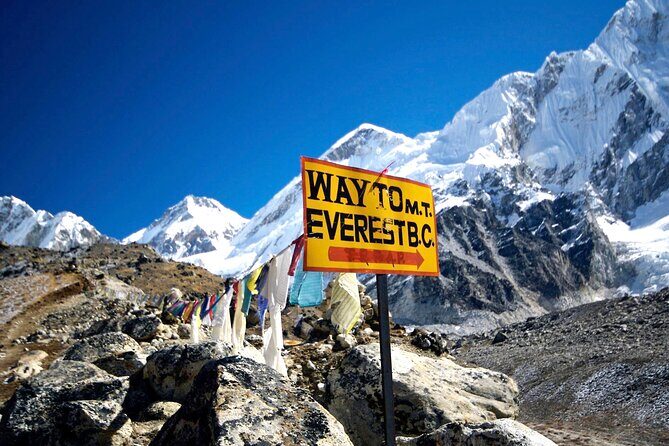
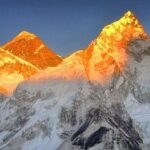
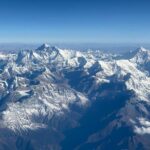
The heart of the experience is what happens between flying out of Lukla and heading toward the Everest Base Camp area. You’ll spend roughly an hour or so in the flight segment aimed at the Everest zone, with views of Everest Base Camp and the Khumbu Icefall alongside enormous peaks.
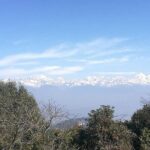
From a traveler’s point of view, this is where a heli tour can be surprisingly satisfying. You’re high enough that the mountains read clearly, and you can spot the big shapes without the foggy valley effect you sometimes get from lower trails. It’s not a close-up like being on foot, but it’s still “real Everest” rather than generic mountain scenery.
There’s also a timing logic here. The tour is structured so you can shoot for visibility during the morning hours. That’s important because the Everest region is weather-sensitive. If conditions are poor, the operator can reschedule you, which is their way of protecting the core experience.
Pheriche Shuttle and the Kala Patthar Step-Out: The Moment You’ll Remember
One detail that makes this tour feel more thoughtfully designed is the plan around where helicopters can actually land. Above roughly 4,500 m, helicopter landing and takeoff can change when you’re carrying more than three passengers. For groups of five, the operator shuttles you into two smaller groups—for example, a 3-and-2 split—so the aircraft can operate within the altitude constraints.
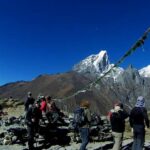
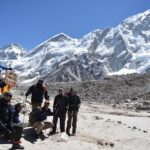
Then comes the star photo stop: Kala Patthar. You’ll step out around 10–15 minutes for photos, with the peak region reaching about 5,500 m. Even in a short window, that’s high enough that the views feel sharp and dramatic. If you’ve ever seen Everest images that look “too perfect,” this is the place that often creates that feeling—because the angles are right and the peaks fill your frame.
A realistic note: ten to fifteen minutes goes fast. Dress so you can tolerate cold instantly, and don’t spend your time wrestling with layers. Get your photos early while visibility is best, then enjoy the quiet after. This is one of those moments where the mountain wins.
Hotel Everest View Breakfast: Warm Food at High Altitude
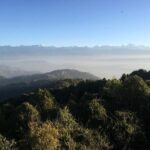
After the Everest-side flying and the Kala Patthar photo time, the tour shifts into a calmer rhythm. You’ll fly to Hotel Everest View area (around 3,880 m) and have a breakfast stop that also works as an early lunch depending on timing.
Breakfast is part of the appeal for a few reasons. First, you’re at altitude, and warm food helps you feel human again. Second, the hotel viewpoint gives you a fixed place to look out at the Khumbu region rather than constantly checking out through a helicopter window.
One thing to verify before you go: the tour info says breakfast related to the Hotel Everest View stop, but the price breakdown also lists breakfast as not included. That doesn’t mean the experience is wrong—it means you should confirm what’s included in your exact package for the meal itself. Ask directly when you book.
Either way, plan to drink water and eat something filling. High-altitude travel can make you forget basics, and the best way to enjoy the flight home is to feel steady, not shaky.


Lukla Return and Back to Kathmandu: How the Day Closes
After your Everest View hotel break, you’ll head back toward Lukla for refueling and then continue back to Kathmandu. Your schedule is built so you can refuel, reset, and make the return without leaving loose ends.
This matters more than it sounds. Helicopter schedules in mountain areas depend on operational windows, fuel planning, and weather. The operator lists fuel surcharge as included, which signals that they’re accounting for the practical side of getting you back safely.
Once you’re back in Kathmandu, you’ll pick up from the airport and get dropped off at your preferred location inside the city. The total tour duration is typically 5–6 hours from pickup to return, which is fast compared to almost any other “see Everest” plan.
Price and Value: What $1,800 Really Buys (and What It Doesn’t)
At $1,800 per person, this is not a bargain. But if your alternative is paying for multiple nights trekking gear plus time off work (or passing on Everest because you can’t trek high), the value story changes quickly.
Here’s what you’re paying for:
- Round-trip helicopter flight fare between Kathmandu and the Everest region (with the day’s route structure built in)
- Airport pickup and drop-offs by tourist vehicle
- Landing at Everest View Hotel for breakfast (confirm what the meal includes in your booking)
- All administrative expenses and government taxes, plus fuel surcharge
Now the add-ons and not-included items you should budget for:
- Sagarmatha National Park and Pasang Lhamu RM fees (listed as NPR 6,000) and airport tax (NPR 500)
- Jacket and personal gear (including a down jacket, if you’re relying on one)
- Alcoholic beverages
- Costs caused by flight delay (the only true “could cost more” item stated)
My practical advice: treat the advertised price as your base, then plan a small buffer for the explicit local fees. Also, don’t underestimate clothing. The tour doesn’t include the warmest gear, and at these altitudes you feel cold quickly—even when you’re only outside briefly.
Passenger Limits, Weight Limit, and Cold-Weather Reality
This tour caps the group size at a maximum of 5 travelers, and helicopter seating is also described as up to 5 people. That matters because small groups move faster and feel less chaotic, especially when you’re bouncing between airports and altitude stops.
There’s also a stated weight limit: 176 lbs per passenger. If you’re near or above that mark, you’ll want to check your booking details early. Getting turned away due to weight constraints is the kind of headache nobody wants after a long trip.
Then there’s altitude cold. The tour includes short photo and viewing windows, but you’re still operating in a high, thin-air environment. Since down jackets and personal gear aren’t included, bring what you need or arrange rentals. Layering is key: a warm base layer plus a real shell beats trying to tough it out with thin clothes.
Also remember that the itinerary is tight, so you want clothes that work fast. If you can’t put layers on quickly, you’ll lose precious minutes outside.
Guides and Operations: What You Can Expect From Ace the Himalaya
In Everest country, the “guide” part isn’t about storytelling. It’s about safety, pacing, and getting you through logistics without drama. Ace the Himalaya runs trips with specific guides named in past experiences, including Nimesh, Raj, Madan, Narayan, and support staff such as Kaji. I can’t promise the same team for your day, but I can tell you the company’s pattern in the people it uses: attentive guidance and careful handling of mixed groups.
What I’d take from that, as practical advice: if you have age limits, mobility concerns, or you’re traveling with kids, ask what role your guide will play in keeping everyone steady. The best operations make check-ins feel normal, not urgent. That’s exactly how experienced guides tend to run these days.
I’d also recommend you ask how they handle pre-flight prep the day before. Some similar Ace trips have included an office walkthrough and confirmation steps, and having that clarity early reduces stress on the morning you fly.
Should You Book This Everest Heli Tour?
Book it if you want a true Everest hit in half a day, and you’re okay paying more to save time and avoid a full trek. It’s especially worth it if you’re traveling with someone who can’t hike high, or if you’re the kind of traveler who wants the big photo moments—Base Camp zone, then Kala Patthar—without spending weeks on the trail.
Don’t book it if you want a long, slow, walking-focused experience. This tour is built for speed, set stops, and weather-dependent flight windows. Also reconsider if cold and early mornings are your enemies, unless you’re ready with proper warm layers.
If you do book, send a message ahead asking two simple questions: what exactly is included at the Hotel Everest View breakfast stop, and confirm how the local park and airport fees apply to your booking. Get those right, and you’ll be set up for one of the most efficient ways to see the Khumbu up close.
FAQ
What time does the Everest Base Camp heli tour start in Kathmandu?
Pickup and airport transfer are scheduled for about 5:45 am, with the experience beginning at Tribhuvan International Airport.
Where is the meeting point and where do you end the tour?
The start point is Tribhuvan International Airport, Ring Rd, Kathmandu, Nepal, and the activity ends back at the meeting point.
How long is the tour?
The duration is listed as approximately 5 to 6 hours.
How many people are on this heli tour?
The experience is described as having a maximum of 5 travelers, and helicopter seats are capped at up to 5 people.
Is pickup from my Kathmandu hotel included?
Yes. Airport pick-ups and drops by tourist vehicle from your hotel are included.
Do you land at Kala Patthar for photos?
Yes. You will step out at Kala Patthar for photo opportunities for about 10 to 15 minutes.
Do the helicopters land at Everest Base Camp?
The tour includes flight viewing of Everest Base Camp, along with the Khumbu Icefall and big mountain peaks. Exact landing at Everest Base Camp is not stated in the provided details.
Is breakfast included?
The details state you will land at Hotel Everest View for breakfast, but the price breakdown also lists Breakfast under not included. Confirm what’s included in your specific booking.
What costs might be extra on top of the $1,800 price?
The tour lists Sagarmatha National Park and Pasang Lhamu RM fees (NPR 6,000) and airport tax (NPR 500) as not included, plus personal gear like a down jacket.
Is there a weight limit for passengers?
Yes. The listed total weight per passenger is 176 lbs.