REVIEW · KATHMANDU
5 Day Private Guided Trekking in Annapurna Base Camp
Book on Viator →Operated by Bold Himalaya Treks and Travels Pvt Ltd · Bookable on Viator
Five days, big mountains.
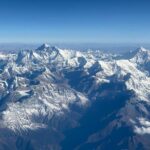
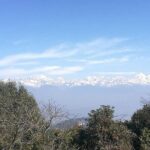
This private guided Annapurna Base Camp trek is built around nonstop wow moments: panoramic views of the Annapurna massif (including Annapurna South, Annapurna I, Machapuchare, and Hiunchuli) and a chance to reset in the natural hot springs of Jhinu Danda after hard hiking days. I especially like that the plan mixes big scenery with smaller, human moments—forests, villages, and the feeling of moving through real Gurung country. The big drawback to consider is altitude and day-to-day stamina: you’ll want solid moderate fitness because day 3 is the big push, and you’ll feel it.
The good news is this trip runs with a tight support setup. You hike with a guide (for this company, people repeatedly name Sirjan) and trekking staff, and you get private transportation plus permits sorted before you start walking. One more thing to keep in mind: this is a weather-dependent experience, so on poor-weather days you may need to shift dates.
In This Review
- Key points that make this ABC trek worth your time
- Entering Annapurna Base Camp from Pokhara, the “real” start
- Day 1: Siwai, your first walking day, and settling into the trek
- Day 2: Sinuwa forests, bamboo, Dovan, and Modi Khola power
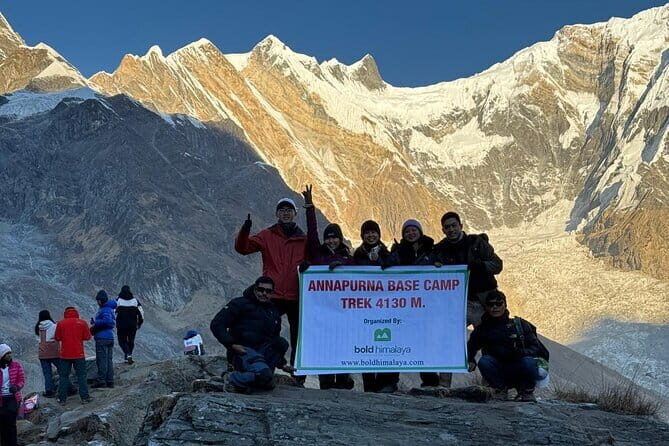
- Day 3: Rhododendron forests to Annapurna Base Camp, plus the big morning push
- Day 4: Sunrise at ABC, then a smarter descent via Deurali
- Day 4 and Jhinu Danda: hot springs recovery you’ll actually want
- Day 5: Bamboo back down to Siwai, then jeep to Pokhara
- What’s included (and why it’s a big deal on trek days)
- Price and value: how $225 lands for ABC comfort
- Guide and porter team: why Sirjan’s style matters
- Altitude, fitness, and the pace reality check
- What to budget for (so you’re not surprised)
- Who this trek suits best
- Should you book 5 Day Private Guided ABC Trek with Bold Himalaya?
- FAQ
- Where does the trek begin?
- Is this trek private or shared?
- How long is the Annapurna Base Camp trek?
- What permits are included?
- Are meals included, and are drinks included?
- Is the hot springs of Jhinu Danda included?
- What if weather is bad or I need to cancel?
Key points that make this ABC trek worth your time
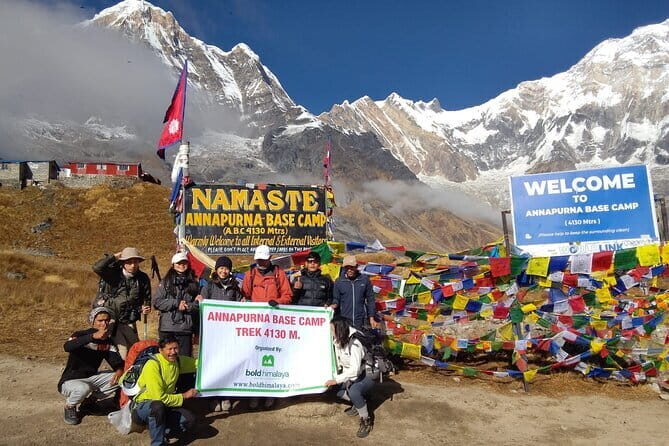
- Private guide support with Sirjan at the center of the team: people consistently describe him as positive, attentive, and pace-aware.
- Permits and TIMS card included: less paperwork stress before you reach the Annapurna Conservation Area.
- Day 3 and sunrise focus at ABC: you’re not just arriving once—you’re getting the classic early light moment.
- Machapuchare Base Camp en route: you’ll pass key viewpoints connected to the sacred Fishtail, not just the final camp.
- Recovery time at Jhinu Danda hot springs: a real muscle-saver after trekking days.
- Meals and transport handled: breakfast, lunch, and dinner are included, and there’s a jeep back to Pokhara.
Entering Annapurna Base Camp from Pokhara, the “real” start
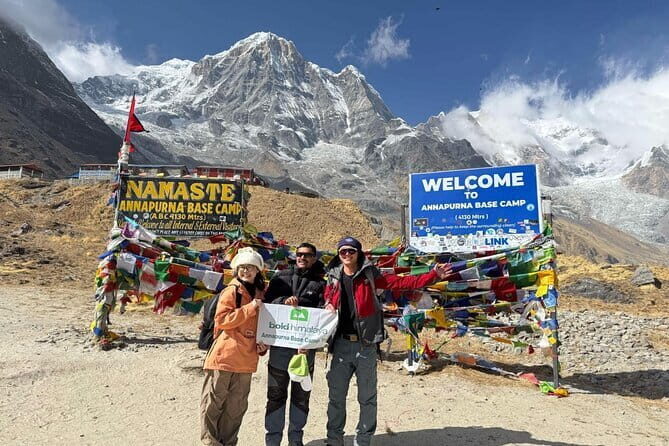
Most ABC treks sell the finish line. This one starts earlier, and that matters. You’re moving from the Pokhara to Siwai sector into the trek’s working rhythm, so you ease into the trail rather than going from zero to Everest-like effort.
Once you begin at Siwai, you get the steady climb feel: villages, forests, river valleys, and then progressively higher terrain. That gradual progression is one reason the hike works well for first-timers who still want the big-mountain payoff.
You also have private transportation and pickup offered, which is helpful if you don’t want to wrestle with timetables. With this setup, the goal is simple: get you into trekking mode quickly and get you back safely at the end.
You can also read our reviews of more guided tours in Kathmandu
Day 1: Siwai, your first walking day, and settling into the trek
Day 1 is all about transition and finding your footing. You travel toward Siwai, then start the trek from the initiation point, building anticipation as the view and trail start to rise around you.
This is where you’ll notice the Annapurna region’s texture: trail life isn’t just “up and up.” You’re in a place of mixed terrain—paths through farming areas and local settlements before you fully enter the wooded and higher zones.
Practical take: treat day 1 like you’re warming up for day 3. If you go hard immediately, you’ll pay later.
Day 2: Sinuwa forests, bamboo, Dovan, and Modi Khola power
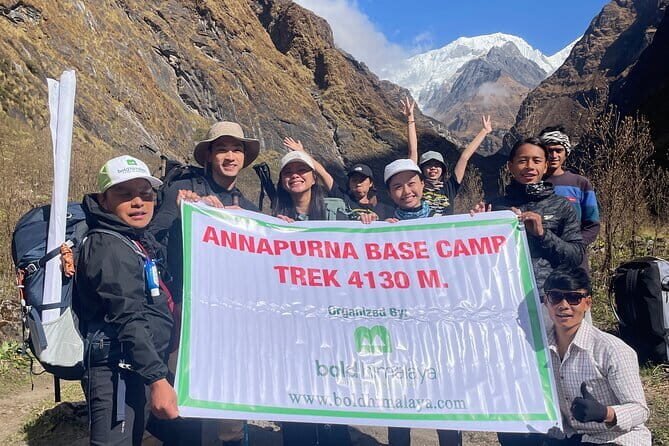
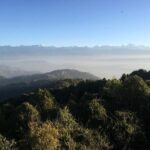
Day 2 is where the walking gets prettier and more varied. After breakfast in Sinuwa, the route continues through forests, including bamboo sections and Dovan. You’ll also encounter scenic waterfalls and follow the Modi Khola River corridor for a while.
That river-side feel is more than scenery. Water and forest tend to mean cooler air and a more forgiving walking environment than the exposed stretches you’ll see higher up. And the sound of moving water becomes your trail soundtrack—useful on days when you just want your brain to stop calculating every step.
What I like about this day is the blend of nature and movement. It’s not just a transfer day. You’re building endurance while enjoying the changing trail character.
Day 3: Rhododendron forests to Annapurna Base Camp, plus the big morning push
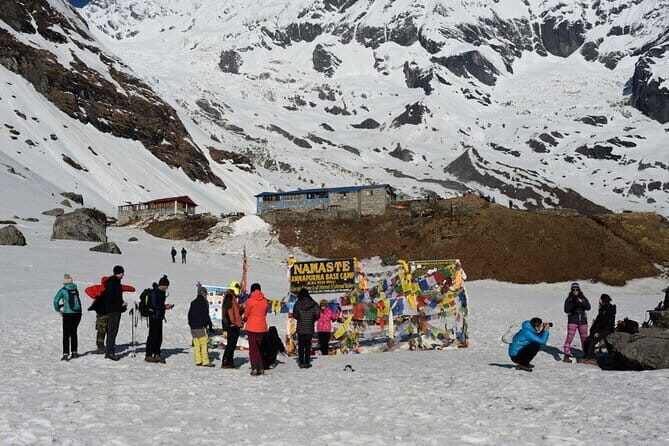
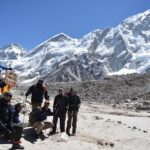
This is the day that earns the name. After an early morning meal, you head toward Machhapuchchhre Base Camp (MBC) first, moving through a rhododendron forest and (if conditions allow) you might spot yak herders along the way.
Then, after lunch, you continue toward Annapurna Base Camp. You’re spending more time in higher terrain, and you’ll feel the thinner air even if you’re fit. That’s normal. Your best strategy is steady effort and smart pacing, not sprinting to beat the altitude.
A nice bonus here: an admission ticket is included on this day. It means you’re less likely to run into annoying “pay here first” moments once you’re already focused on the hike.
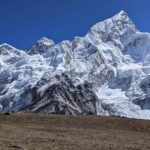
If you’re doing ABC for your first time, this is the moment that changes how you understand the Annapurna massif. The views aren’t just pretty; they give you a real sense of scale—peaks and ridgelines stacking up like layers of effort.
Day 4: Sunrise at ABC, then a smarter descent via Deurali
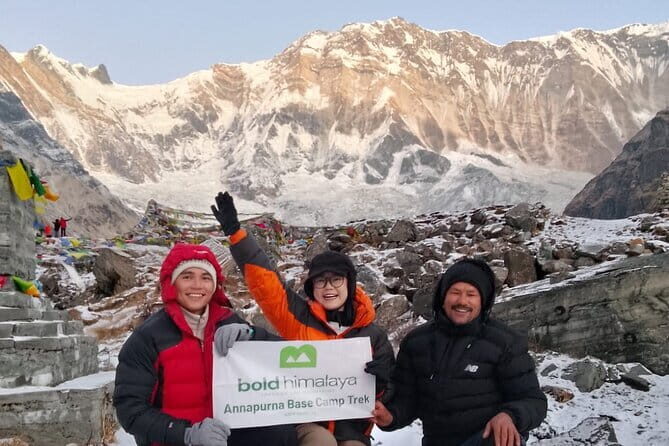
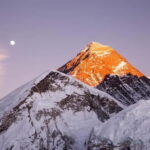
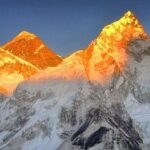
Day 4 starts early for a reason: sunrise over the Annapurna massif. If you care about photography, this is your window for softer light and a clearer feel of the mountain geometry. Even if you don’t care about photos, sunrise is still a great way to wake up your senses before the legs get tired.
After that, the day turns into a descent, steady and deliberate. You pass Machhapuchchhre Base Camp again along the route and continue toward Deurali.
Here’s the practical part most hikers learn the hard way: going downhill can still wreck you. Your knees will ask questions. Take shorter steps, keep your balance, and trust your guide and staff to keep the day moving at a realistic pace.
You can also read our reviews of more private tours in Kathmandu
Day 4 and Jhinu Danda: hot springs recovery you’ll actually want
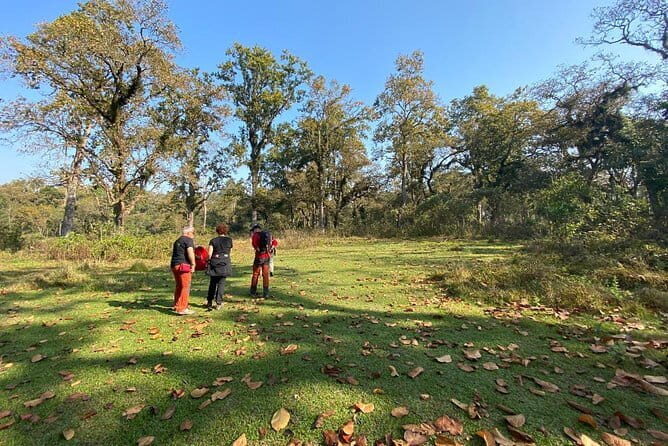
One of the standout features for this trek is Jhinu Danda natural hot springs. After days of hiking, a soak there is exactly the kind of recovery that makes the difference between feeling okay in the morning and feeling wrecked.
Even if you don’t turn into a “hot springs person,” you’ll still appreciate the temperature change after cold air and altitude. It’s also a nice contrast: high-mountain effort turns into warm relaxation, and your brain gets a break from constant uphill focus.
Day 5: Bamboo back down to Siwai, then jeep to Pokhara
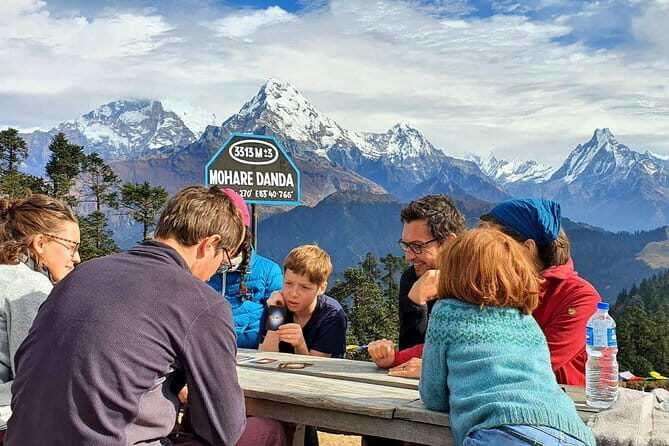
Day 5 is the wind-down. You descend beyond bamboo through lush forest and scenic vistas until you arrive back at Siwai.
Once you get there, your Bold Himalaya guide coordinates a jeep back to Pokhara. That matters more than it sounds. After five days, you want a clean, simple handoff from walking to transport—no extra guessing, no “how do we get out of here” stress.
This is also where you start noticing what you gained. Your body remembers the climb, but your mind keeps the views and the rhythm. It’s that small satisfaction of having done the hard thing, then getting home with your energy intact.
What’s included (and why it’s a big deal on trek days)
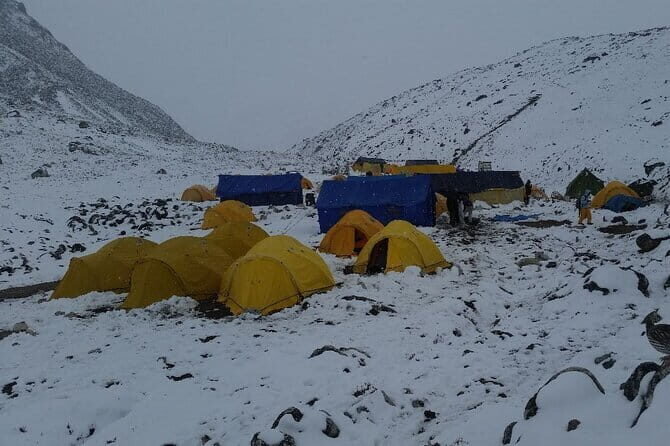
This trek isn’t just “a route.” It’s support. Here’s what’s covered and why you should care:
- Trekking permit and TIMS card are included
That’s paperwork and gatekeeping you don’t want to troubleshoot mid-trip.
- Guide support, including guide accommodation, meals, and insurance
You’re not paying someone to just walk alongside you. The setup is meant to keep everyone working and supported.
- Meals are included
You get four breakfasts, four lunches, and four dinners. This removes a major source of trek-day decision fatigue.
- Private transportation and pickup offered
You’re not trying to line up public options after a long hike day.
- Some seasonal fruits
It’s a small thing, but it helps when you’re burning calories every day.
When meals are handled, you can focus on the trail. When permits are handled, you can focus on the view. That’s value.
Price and value: how $225 lands for ABC comfort
At $225 per person, the real question is what that amount buys you in day-to-day stress reduction.
You’re getting:
- A private guided format (so you’re not stuck in the “everyone moves at a different speed” problem)
- Permits and TIMS taken care of
- Private transport elements
- A full set of main meals for multiple days
- A team approach (guide support and porters in the experience setup)
You’ll still want to budget for what’s not included: extra meals like desserts and any drinks. Trekking also often means buying water and small snacks, and drinks are explicitly not included here.
So I see this as a “pay for the smoothness” price. If you’re okay doing extra logistics yourself, cheaper options exist. If you want to focus on walking and mountains, this price feels fair for the structure you get.
Guide and porter team: why Sirjan’s style matters
The biggest recurring theme in the feedback tied to this trek is the guide team—especially Sirjan. People describe him as welcoming, positive, and attentive. One account highlights how he stayed behind to match pace and check in frequently, which is exactly what you want when the trail gets tougher.
Porters also show up in the story clearly. They’re described as fun and helpful, and for a first ABC trek, that support can make the difference between arriving tired and arriving thoughtful.
A private trek is only as good as the people running it. In this case, the human side seems strong: communication before and after the trek, plus real on-trail care.
Altitude, fitness, and the pace reality check
The operator asks for moderate physical fitness, and that’s the honest category for ABC. You don’t need to be a marathon runner, but you do need to be comfortable walking uphill for hours.
Altitude is the silent variable. Even if you feel fine on day 2, day 3 can hit harder because you’re moving higher and you’re working in thin air. The best move is staying calm, walking steadily, and not copying the people who sprint like they’re trying to win a race.
The route also includes forested sections early and more alpine-feeling terrain later. That means the “work” changes day to day. Expect it to feel easier some hours and harder other hours.
What to budget for (so you’re not surprised)
Not included:
- Drinks of any type
- Extra meals and dessert items
- Travel insurance
- Tips for the trekking crew
I’d treat water and simple snacks as your likely pocket expenses. If you’re someone who needs lots of drinks during the day, that adds up fast on a five-day trek, so plan ahead.
Also, bring a realistic mindset about tips. If you’ve got a great guide and helpful porters, leaving a tip is part of how you close the loop.
Who this trek suits best
This ABC trek makes sense for:
- First-time Nepal hikers who want the big goal but don’t want to manage permits, pacing, or meal logistics
- Small groups who prefer a private experience instead of sharing the trail rhythm with strangers
- People who value support staff and a smooth handoff to transport at the end
It may not suit you if you want total DIY freedom. This is designed to reduce uncertainty, not increase it.
Should you book 5 Day Private Guided ABC Trek with Bold Himalaya?
I’d book it if your top priority is a well-supported, low-stress route with a real chance at the classic ABC views and sunrise, plus recovery at Jhinu Danda hot springs.
I’d pause if you’re very sensitive to altitude and you’re unsure you can handle day 3’s effort. In that case, talk to your doctor and consider adding acclimatization time.
One more smart decision tip: choose dates based on weather conditions. Since the experience requires good weather, a clear window can make a big difference in what you see from ABC.
If you want ABC to feel like a mountain journey with care behind it, this one fits the bill.
FAQ
Where does the trek begin?
The trekking starts at Siwai, after the Pokhara sector. Day 5 ends when you return to Siwai, and the guide coordinates a jeep back to Pokhara.
Is this trek private or shared?
It’s a private tour/activity, so only your group participates.
How long is the Annapurna Base Camp trek?
It runs for about 5 days.
What permits are included?
The trek includes a trekking permit and the TIMS card.
Are meals included, and are drinks included?
You get four breakfasts, four lunches, and four dinners included. Extra meals like desserts and any types of drinks are not included.
Is the hot springs of Jhinu Danda included?
Yes. The experience includes natural hot springs of Jhinu Danda for relaxation.
What if weather is bad or I need to cancel?
There is free cancellation up to 24 hours before the experience starts for a full refund. If the trek is canceled due to poor weather, you’ll be offered a different date or a full refund, and travel insurance is not included.